Trapping Ontario Furbearers Through Winter
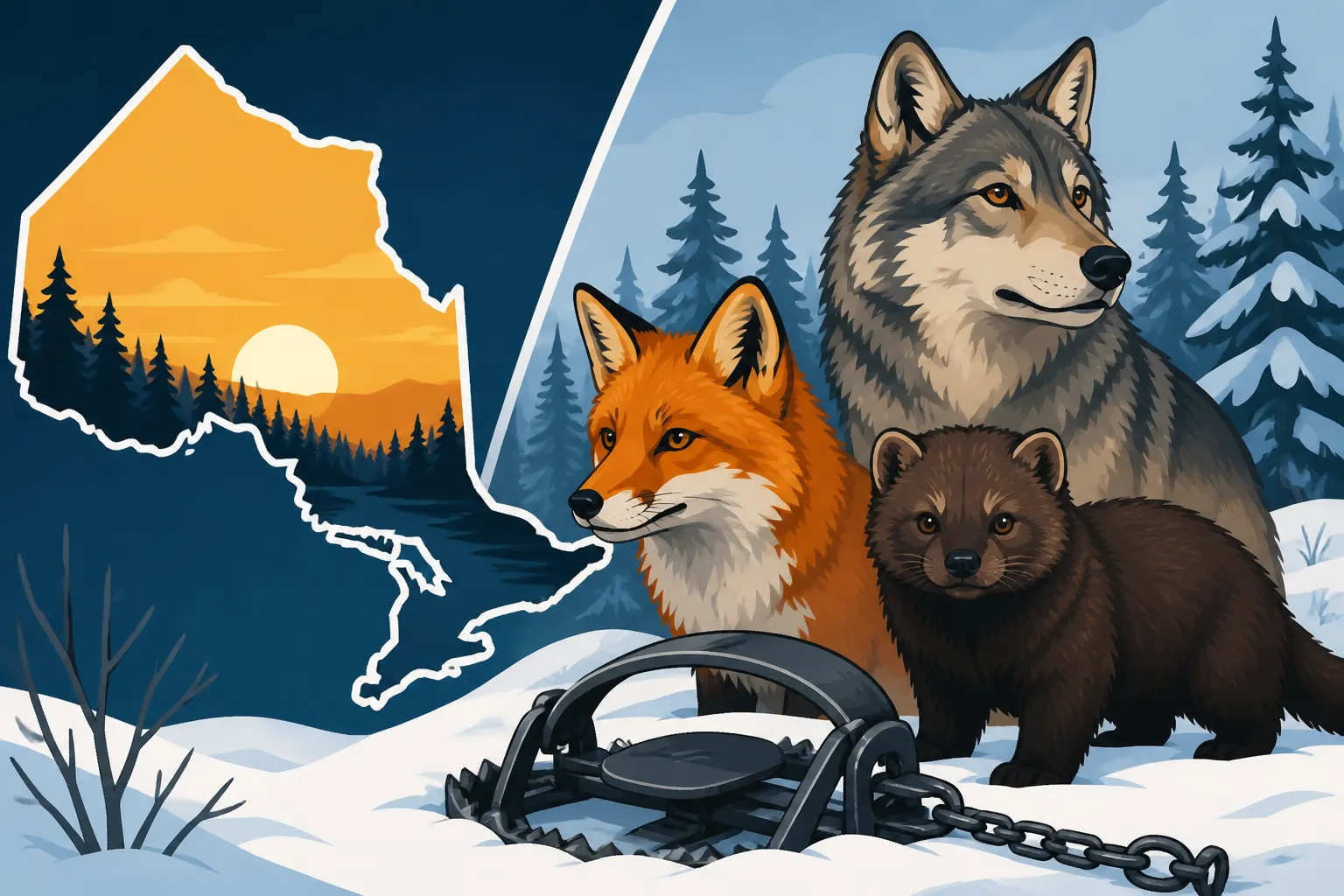
The frozen landscapes of Ontario's winter can seem desolate to some, but for the seasoned trapper, they represent a season of immense opportunity and challenge. Navigating the deep snow, battling sub-zero temperatures, and outwitting nature's most elusive furbearers is a demanding pursuit that frustrates many newcomers. This guide aims to demystify the art and science of trapping Ontario's diverse furbearers through the winter months, offering practical advice and a realistic look at what it takes to succeed in the cold.
The Allure and Rigour of Winter Trapping
There's something uniquely captivating about the winter trapline. The world is hushed, blanketed in white, and the tracks left by passing animals tell a story few ever get to read. It's a primal dance between man and wild, demanding patience, resilience, and an intimate understanding of the environment. However, this isn't a romanticized stroll through the woods; winter trapping is incredibly hard work, often under brutal conditions. From breaking trail through waist-deep snow to thawing frozen traps, every step presents its own set of hurdles. Many trappers find themselves battling not just the elements, but also the sheer logistics of moving equipment and animals in unforgiving terrain.
Why Winter Trapping is Different
Unlike fall or spring trapping, winter introduces a whole new layer of complexity. Waterways freeze, forcing semi-aquatic furbearers into predictable travel routes under the ice or onto dry land. Snow depth dictates animal movement, often funneling them to ridges, trails, or areas with less snow cover. Predators like wolves and coyotes, driven by hunger, become more active and less wary. These shifts mean your techniques, your mindset, and your gear all need to adapt dramatically. The rewards, though, can be significant. Winter fur is often prime, thicker, and denser, commanding better prices for those dedicated enough to brave the cold. It’s a pursuit that truly separates the committed from the casual, and understanding these differences is your first step towards success.
Ethical Considerations and Sustainable Practices
Modern trapping is built on a foundation of ethical treatment and sustainable harvesting. The Ontario Ministry of Natural Resources and Forestry (MNRF) sets strict regulations to ensure furbearer populations remain healthy and trapping is conducted humanely. This isn't just about following rules; it's about respecting the animals you pursue and the land you work on. Quick, clean kills are paramount, and trappers are expected to check their lines regularly to minimize suffering. Furthermore, responsible trapping plays a crucial role in wildlife management, helping to control populations and reduce conflicts with human interests. It's a commitment that begins long before the first trap is set and continues long after the fur is put up for sale.
Navigating Ontario's Trapping Regulations
Before you even think about setting a trap, understanding Ontario's extensive trapping regulations is paramount. These rules are designed to ensure ethical harvesting, manage furbearer populations sustainably, and maintain public safety. Ignoring them isn't just risky; it can lead to serious penalties and undermine the future of trapping in the province.
Obtaining Your Trapping Licence and Outdoors Card
The very first step for anyone looking to trap in Ontario is to secure the appropriate licensing. You'll need an Outdoors Card, which is your general identification for all hunting and fishing activities in the province. Beyond that, a specific Trapping Licence is required. This isn't something you can just pick up; it typically demands completion of the Ontario Trapper Education Program, which covers everything from furbearer biology and humane trapping techniques to land-use ethics and fur handling. This comprehensive course ensures new trappers are well-versed in responsible practices. For those already licensed in another Canadian jurisdiction, there might be reciprocity agreements, but it's always best to confirm with the MNRF directly. Don't even consider heading out without these vital documents in hand; they are your legal authorization to operate. You can find more details on Getting an Ontario Trapping Licence.
Understanding Seasons, Limits, and Permitted Devices
Ontario’s trapping seasons are specific to each furbearer species and vary by Wildlife Management Unit (WMU). What's open for beaver in one area might be closed for marten, or have different dates entirely. It’s absolutely critical to consult the most current Ontario Hunting Regulations Summary, specifically the trapping section, every single year. These summaries are available online through the Ontario government website and at licence issuers. This document also outlines bag limits where applicable, and crucially, details the types of traps and snares that are legal for each species, as well as their required specifications (e.g., jaw spread, snare cable diameter, lock types). For instance, certain body-gripping traps might be legal for otter but not for fox. There are also specific rules about where certain traps can be set (e.g., minimum distance from dwellings, roads). Paying close attention to these details can save you a lot of trouble and ensures you're trapping legally and ethically. Keeping up-to-date with Ontario Trapping Season Dates is a year-round commitment.
Trapline Registration and Crown Land Access
In Ontario, trapping on Crown Land typically requires a Registered Trapline. These are specific geographical areas leased to individual trappers or trapping groups for exclusive trapping rights. The system aims to provide trappers with a defined area to manage and prevents overcrowding. Obtaining a Registered Trapline can be a lengthy process, often involving waiting lists or purchasing an existing line from another trapper. If you're starting out, you might begin by trapping on private land with permission, or by joining an existing trapping group on a Registered Trapline. Even on Crown Land that isn't a Registered Trapline, you still need to understand general access rules, especially regarding motorized vehicles like ATVs and snowmobiles, and seasonal road closures. Using tools like GoHunt, you can overlay WMU boundaries and Crown Land parcels with satellite imagery to get a better grasp of the terrain you're allowed to traverse and where to establish your presence responsibly. Remember, public access doesn't always equate to permission to set traps. Detailed planning and knowledge of the land, as covered in Reading an Ontario WMU Map Before You Go, are indispensable.
Identifying Key Winter Furbearer Species
Ontario is home to a rich diversity of furbearers, and successfully trapping them in winter requires a deep understanding of their individual habits, preferred habitats, and how they adapt to the harshest months. Each species presents its own unique challenges and rewards.
Beaver and Muskrat: The Sub-Ice Dwellers
When winter grips Ontario, freezing lakes, rivers, and ponds solid, beavers and muskrats largely shift their activities beneath the ice. This makes them highly predictable targets for trappers who know how to work water sets in freezing conditions. Beavers will often be found in their lodges or bank dens, venturing out to feed on cached branches or fresh cuttings. Look for areas where they've been felling trees on the bank or where fresh mud is visible on top of their lodge. Muskrat activity, while less visible, concentrates around push-ups, feed beds, and bank tunnels. Trappers often target these species using specialized under-ice sets, requiring chisels, ice saws, and specialized equipment to maintain trap function in freezing water. Locations like a Hunting a Beaver Dam Crossing can be prime spots for sub-ice sets, as beaver activity tends to concentrate around these structures.
Mink and Otter: Along Frozen Waterways
Mink and otter are two highly prized semi-aquatic furbearers that continue to travel extensively in winter, often using the edges of frozen waterways, open leads, and areas of thin ice. Mink, being smaller, will often explore every nook and cranny along a stream bank, under roots, or in brush piles close to water. They're opportunistic predators, always on the hunt for voles, mice, or other small prey. Otter, on the other hand, are larger and more powerful, often leaving distinctive slide marks where they belly-slide across snow and ice between open water pockets. They travel much wider distances and are often found in larger rivers and lakes where there are still pockets of open water, or where springs prevent complete freezing. Trappers targeting these species often use cubby sets with bait, or conibear traps placed carefully in travel routes or blind sets where they're known to pass. Checking for fresh tracks after a snowfall, a method often used when Reading Sign After a Fresh Snow, is critical for locating their current travel patterns.
Marten and Fisher: Forest Nomads of the Snow
Up in Ontario's vast northern and central forests, marten and fisher are iconic winter furbearers. Both are members of the weasel family, known for their incredible agility and relentless predatory nature. Marten prefer mature coniferous or mixed forests with dense canopy, often following old logging roads or traplines. They are smaller, primarily arboreal, and hunt squirrels, voles, and birds. Fisher are larger, more terrestrial, and are famous for their ability to hunt porcupines. They prefer mixed forests with thick understory and travel extensive ranges. Snow depth significantly impacts their movement; deep, soft snow can funnel them onto packed trails or areas of thinner cover. Trappers often use cubby sets, leaning poles with baited traps, or conibear boxes strategically placed along their known travel routes. Scouting areas with Hunting an Old Logging Road in the North can often reveal excellent sign for both species, as these cleared paths offer easier travel. GoHunt's satellite imagery can also help pinpoint ideal habitat types where these animals are likely to frequent.
Fox and Coyote: Masters of the Winter Landscape
Red fox and coyote are common across much of Ontario, from dense bush to agricultural fringes, and become particularly active in winter. Their hunger drives them to be bolder, making them susceptible to well-placed land sets. Red fox prefer a mix of open fields, brushy areas, and woodlots, often hunting mice and voles under the snow. Coyotes, larger and more adaptable, can be found almost anywhere, from remote northern forests to farmlands near cities. They are highly intelligent and notoriously trap-shy, requiring meticulous set construction and scent control. Trappers targeting these canines typically employ dirt hole sets, flat sets, or scent post sets, often using powerful lures and baits. Winter tracking after a fresh snowfall is key to identifying active travel corridors and hunting grounds. These techniques can often overlap with those used when Calling Coyotes in Ontario Farm Country, as understanding their behaviour is paramount.
Other Furbearers: Skunk, Raccoon, Weasel
While not always the primary target for winter trappers, species like skunk, raccoon, and various weasel species (long-tailed, short-tailed) can still be encountered. Raccoons will often den up during the coldest parts of winter, but mild spells can see them emerge, especially in southern Ontario. Skunks are similar, often seeking refuge in old buildings or burrows. Weasels, much like their larger cousins the mink, are active predators year-round and can be caught in small cubbies or tunnel sets. Knowledge of their winter dormancy patterns and opportunistic movements is crucial.
Here's a quick overview of some common winter furbearers and their associated trapping methods:
| Furbearer Species | Typical Winter Habitat | Common Winter Trapping Methods | Best Conditions |
|---|---|---|---|
| Beaver | Lodges, bank dens, frozen ponds/rivers | Under-ice sets, colony traps, dam sets | Early winter, moderate snow |
| Muskrat | Push-ups, feed beds, bank tunnels | Under-ice sets, baited cubbies | Early winter, stable ice |
| Mink | Waterway edges, brush piles, open leads | Baited cubbies, blind sets, tunnel sets | Moderate snow, varying temps |
| Otter | Rivers, large lakes, travel slides | Blind sets, slide sets, baited cubbies | Deep snow, open water patches |
| Marten | Coniferous/mixed forests, dense canopy | Baited cubbies, leaning pole sets | Deep snow, colder temps |
| Fisher | Mixed forests, thick understory | Baited cubbies, leaning pole sets | Moderate to deep snow |
| Red Fox | Fields, brush, woodlots | Dirt hole sets, flat sets, scent posts | Light snow, freeze/thaw |
| Coyote | Varied, from bush to farmland | Dirt hole sets, flat sets, scent posts | Varying snow conditions |
Essential Winter Trapping Techniques and Setups
Winter trapping isn't just about setting a trap; it's about understanding the nuances of the environment and tailoring your approach to the specific conditions. Freezing temperatures, deep snow, and animal behaviour changes all demand specialized techniques.
Water Sets: Conquering the Ice
Trapping semi-aquatic furbearers like beaver, muskrat, mink, and otter in winter means dealing with ice. Standard open-water sets are out, replaced by a variety of under-ice techniques. For beavers and muskrats, push-ups and feed beds under the ice are prime locations. Trappers often use ice chisels or saws to cut an opening, then carefully lower baited body-gripping traps or specialized wire traps into the feeding chambers. For beavers, setting traps near the entrances to their lodges or bank dens, or at established feed piles, is highly effective. You'll need long poles or wire to anchor your traps and mark their locations above the snow. The challenge here is keeping the water from refreezing around your trap's mechanism and ensuring proper submersion for a quick, humane kill. This requires regular checks and potentially specialized anti-freeze solutions for trap springs, or simply using traps designed for under-ice use that don't rely on exposed moving parts to function optimally. Remember to scout Hunting a Beaver Dam Crossing in the fall to identify prime locations before the freeze.
Land Sets: Adapting to Snow and Cold
Land trapping in winter, primarily for canines (fox, coyote, wolf) and mustelids (marten, fisher), means contending with snow, frozen ground, and strong scents. The common dirt hole set, a staple of land trapping, needs modification. Instead of digging into soil, trappers might create a "snow hole" or "frozen dirt hole" where a trap is bedded in a shallow depression in the frozen ground and covered with waxed paper or a pan cover to prevent snow from fouling the mechanism. The entire trap is then carefully covered with sifted snow or peat moss. Scent control becomes even more critical in winter, as cold air holds scent longer, and an animal's sense of smell is often heightened by hunger. Powerful, oil-based lures and baits designed for cold weather are essential.
For marten and fisher, cubby sets are incredibly effective. A cubby is a small, enclosed structure (often a wooden box, hollow log, or natural rock overhang) with bait at the back and a body-gripping trap (like a conibear) placed at the entrance. These sets offer protection from snow, funnel the animal directly into the trap, and hide the trap from scavenging birds. They can be placed on the ground, on leaning poles, or even up in trees to avoid non-target catches or deep snow. Accessing these remote traplines might require snowshoes or a snowmobile, especially when the How Deep Snow Shapes Ontario Game forces animals to travel on packed trails. GoHunt mapping tools can help identify suitable habitat features like dense conifer stands or rocky outcrops that make ideal cubby locations.
Snaring: An Efficient Winter Tool
Snaring is a highly efficient and selective method for various furbearers, particularly in deep snow conditions where foothold traps can become easily fouled. Snares are loops of cable designed to capture an animal around the neck or body. For coyotes and wolves, snares are often set in travel corridors, trails, or pinch points where the animal is forced to pass through a narrow opening. Proper snare height and loop size are critical for humane capture and to avoid non-target animals. For beaver, specialized drown snares can be set underwater near lodges or runs.
The beauty of snares in winter is that they are less susceptible to freeze-up than mechanical traps. However, proper anchoring is vital. Snares must be securely fastened to a strong drag or solid anchor point to prevent the animal from escaping. Ontario has very specific regulations regarding snare construction, breakaway devices, and setting requirements, so consult the regulations carefully. Understanding the movement patterns, especially of larger furbearers like those mentioned in Hunting Wolves in Ontario's North, is crucial for effective snaring.
Gear and Preparation for Cold Weather Success
Winter trapping in Ontario isn't for the faint of heart. The cold is relentless, the snow is deep, and the conditions can change in an instant. Your success, and more importantly, your safety, hinge entirely on your preparation and the quality of your gear. Skimping here is a recipe for misery, or worse.
Dressing for Success: Layering for Extreme Cold
The golden rule of winter outdoor activity is layering, and trapping is no exception. You'll be highly active one moment, breaking trail or setting traps, and then motionless the next, checking a set. This fluctuation demands clothing that can adapt. Start with a moisture-wicking base layer – synthetic or merino wool is excellent at pulling sweat away from your skin. Next, a warm insulating layer, like fleece or down, provides critical warmth. Your outer layer needs to be windproof and waterproof, offering protection from snow, freezing rain, and biting winds. Brands like Helly Hansen or Canada Goose are popular for their extreme cold weather performance.
Don't forget your extremities. Insulated, waterproof boots are non-negotiable, preferably a size larger to accommodate thick wool socks and allow for air circulation. Consider pac boots with removable liners for easy drying. Multiple pairs of gloves or mitts are essential: a thin, dexterous pair for handling traps and a thick, warm pair for travel and warmth. A warm hat that covers your ears is also critical, as a significant amount of body heat is lost through your head. Carrying extra dry socks and gloves can be a lifesaver if your primary pair gets wet.
Essential Tools for the Winter Trapline
Beyond your traps and snares, a specific set of tools is indispensable for winter trapping:
- Ice Chisels and Saws: Absolutely necessary for water sets, allowing you to cut through thick ice to access beaver runs or muskrat push-ups.
- Axe or Hatchet: For cutting bait sticks, setting poles, and clearing brush.
- Folding Saw: Lighter than an axe, great for quickly cutting small trees for cubby construction.
- Shovel: A compact, durable shovel (like an avalanche shovel) is invaluable for moving snow, bedding traps, and building snow cubbies.
- Freezing Prevention: Commercial trap anti-freeze, waxed paper, or pan covers help keep trap mechanisms free of ice and snow.
- Pliers and Wire: For trap adjustments, repairs, and securing snares or anchors.
- Headlamp with Extra Batteries: Winter days are short, and you’ll often find yourself working in low light or darkness. Lithium batteries perform better in the cold.
- GPS or Mapping App: Critical for navigating your trapline, marking set locations, and finding your way back in blowing snow or unfamiliar terrain. GoHunt provides an excellent platform for this, allowing you to preload maps and mark waypoints.
- First Aid Kit: Always carry a comprehensive kit, including essentials for cold-related injuries like frostbite.
- Survival Kit: Whistle, fire starter, emergency blanket, high-energy snacks, signal mirror. As you might be deep in the bush, knowing What to Do If You Get Turned Around is paramount.
Safety on the Ice and in the Bush
Ice safety is non-negotiable. Always carry ice picks and know how to use them. Avoid crossing ice over moving water or near inlets/outlets where currents can thin the ice. Test the ice thickness with a spud bar or auger as you go. Never trap alone on unfamiliar ice, and let someone know your travel plans and expected return time.
In the bush, be aware of your surroundings. Winter can hide obstacles, and deep snow can make footing treacherous. Carry a reliable communication device (satellite phone or inReach device) if you're in areas without cell service, which is common in northern Ontario. Be prepared for sudden weather changes, and always carry enough food, water (or means to melt snow), and emergency supplies for at least an extra day. The cold drains energy quickly, and small problems can escalate rapidly.
Navigating Traplines and Access in Winter
Setting up a trapline is one thing, but consistently running it through an Ontario winter is another entirely. The deep snow, frozen waterways, and remote locations present significant logistical hurdles that demand robust planning and appropriate transportation.
Snowmobiles and Snowshoes: Your Winter Workhorses
In many parts of Ontario, especially the vast Crown Land expanses of the north and central regions, snowmobiles become the primary mode of transportation for trappers. They allow you to cover significant distances quickly, haul gear, and transport your catch. However, owning and maintaining a reliable machine is a considerable investment. You need to be adept at riding in deep snow, navigating unfamiliar trails, and performing basic field repairs. Carry spare parts, a tool kit, and extra fuel. Remember to check regulations regarding snowmobile use on Crown Land, as some areas may have restrictions. When the snow gets too deep for machines, or when you need to access dense, tight cover, snowshoes become your best friend. They allow quiet, efficient movement through areas inaccessible by machine, letting you get into those prime marten or fisher habitats. Often, a combination of snowmobile for main travel and snowshoes for branching off into remote sections is the most effective strategy.
Ice Roads and Remote Access Points
As winter progresses, many remote lakes and rivers develop thick enough ice to be used as ice roads, providing access to areas otherwise unreachable. This can dramatically open up trapline opportunities. However, ice roads demand extreme caution. Always verify ice thickness, be aware of current regulations for vehicle weight, and watch for pressure cracks or open leads. Many trappers in northern Ontario also rely on established winter logging roads, which can be plowed and maintained through the colder months, offering a rare advantage in deep snow country. Keep an eye on local forestry operations and road conditions, as these can change rapidly. For very remote traplines, float plane or bush plane charters might even be utilized early or late in the season to drop off or pick up supplies, or to access trapper cabins. Using a digital mapping tool like GoHunt or other detailed Scouting With Satellite Imagery in Ontario programs can help you identify these potential access routes well before the snow flies.
Planning Your Trapline Routes
Efficient trapline planning in winter is crucial for maximizing your efforts and ensuring your safety. You'll want to map out routes that allow you to check all your sets within a reasonable timeframe, especially given the shorter daylight hours and often slower travel speeds. Consider loops or point-to-point routes that minimize backtracking. Identify natural choke points, travel corridors, and habitat transitions where furbearers are likely to be active. For instance, a long, winding creek with several beaver ponds (a good spot for Hunting a Beaver Dam Crossing) might form the backbone of a water-oriented trapline. For land trappers, focusing on a series of ridges, old logging roads, or the edges of different forest types will be more productive. Having backup routes or alternative access points in case of heavy snowfall or an unexpected ice hazard is also a smart move. Remember, a well-planned trapline conserves your energy, reduces risk, and increases your chances of a successful season.
Processing and Pelting Your Winter Harvest
Bringing your furbearer home is only half the battle. The real work, and the value, lies in properly preparing the pelts for market. The quality of your fur handling directly impacts the price you receive, and this critical stage demands as much care and skill as the trapping itself.
Skinning: The First Crucial Step
After a successful day on the trapline, especially during the colder months, the first step is to get your animal skinned. The primary method for most furbearers in Ontario is "case skinning," where the animal is skinned like pulling off a sweater, leaving the fur intact in a tube or "case" form. This typically involves making incisions around the rear paws and anus, separating the skin, and then carefully pulling and cutting the skin away from the body, turning it inside out as you go. For canines, otters, and occasionally beaver, a "flat skin" or "open skin" method might be used for taxidermy purposes, but for fur markets, case skinning is standard.
Timing is key; if temperatures are well below freezing, the animal might freeze solid, making skinning difficult. It's often best to bring the animal back to a warm camp or home to thaw slightly before skinning. Tools needed include a very sharp knife (a boning knife or dedicated skinning knife is ideal), a gambrel or hook for hanging the animal, and possibly a fleshing beam. Be careful not to make cuts in the fur or leave excessive meat or fat on the hide. This takes practice, but proper technique will maximize the value of your catch.
Fleshing and Degreasing: Removing the Fat
Once skinned, the pelt will have varying amounts of fat and muscle tissue adhering to the leather side. This "fleshing" process is absolutely critical, especially for species like raccoon, beaver, and fox which have significant fat layers. If this fat is left on the hide, it will cause the pelt to "burn" (deteriorate) during the drying process or spoil over time, rendering it worthless. Fleshing involves carefully scraping all residual fat and meat from the leather side of the pelt. This is often done using a fleshing knife over a specialized fleshing beam – a long, rounded piece of wood designed to support the pelt while you work.
For very greasy animals, a subsequent "degreasing" step might be necessary, sometimes involving washing the pelt in a mild detergent solution or tumbling it with absorbent materials like sawdust. The goal is a perfectly clean, white leather that will dry evenly and preserve well. Neglecting this step is a common mistake for new trappers and is guaranteed to cost you money at the fur auction.
Stretching and Drying: Shaping for Market
After fleshing, the pelt is ready for stretching. Each furbearer species has specific dimensions and shapes it should be stretched to, dictated by fur buyers and auction houses to standardize grading. This is done on wooden or wire stretchers, often called "boards." The pelt is carefully drawn over the stretcher, fur side in, and pinned or tacked into place, ensuring it's taut but not overstretched, which can thin the fur.
The stretched pelt is then placed in a cool, dry, well-ventilated area to dry slowly. Avoid direct sunlight or high heat, which can damage the leather or cause the fur to shed. Proper drying can take anywhere from a few days to a couple of weeks, depending on the species, humidity, and airflow. Once dry to the touch on the leather side, the pelt is typically "turned" fur-out (for most species) for final drying and presentation. This meticulous process ensures the fur retains its quality, shape, and market appeal, truly completing the journey from wild furbearer to valuable commodity. For further insights, exploring resources like GoHunt or trapper associations can provide species-specific guides on putting up fur.
Disclaimer
The information provided in this guide is for general informational purposes only and is not intended as legal advice. Hunting and trapping regulations in Ontario are subject to change and vary by Wildlife Management Unit. It is the responsibility of the individual to consult the most current Ontario Hunting Regulations Summary, obtain all necessary licences and permits, and adhere to all applicable federal, provincial, and local laws before engaging in any hunting or trapping activities. Always prioritize safety, ethical practices, and respect for wildlife and the environment.