Combining a Bear and Fishing Trip
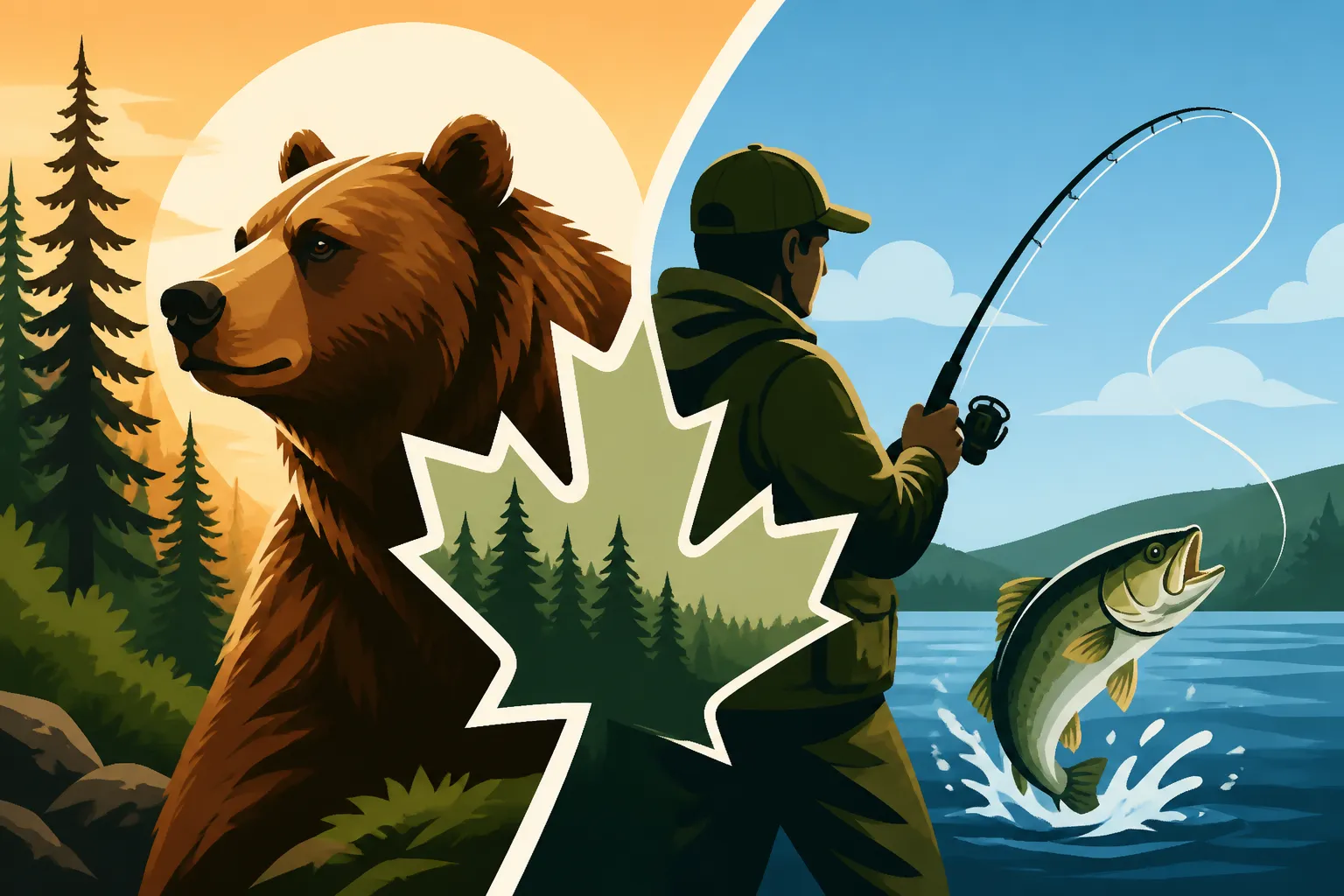
It's a common dream for many outdoor enthusiasts: to head deep into Ontario's vast wilderness, not just with a rifle or bow, but also with a fishing rod, hoping to fill both a cooler and a tag. The challenge, of course, lies in juggling the distinct seasons, regulations, and equipment needed for both a successful bear hunt and a rewarding fishing excursion. This guide is here to walk you through how to successfully combine these two incredible experiences into one unforgettable Ontario adventure, ensuring you maximize every precious moment in the bush and on the water.
The Allure of an Ontario Bear and Fishing Combo Trip
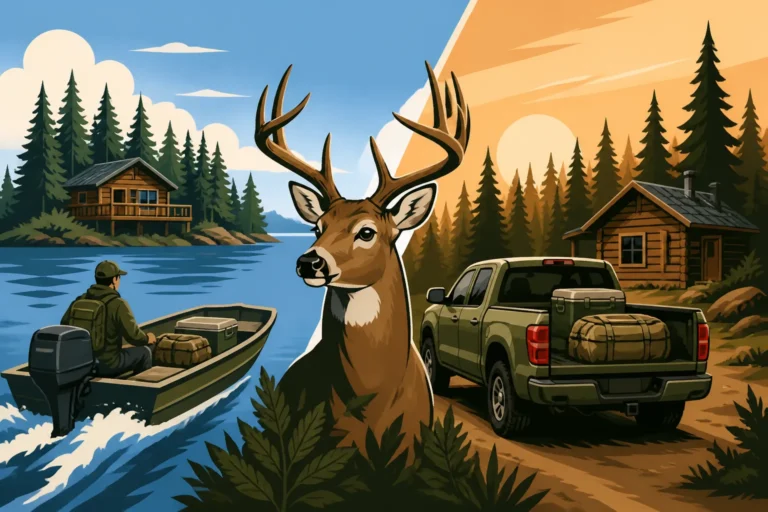
There's something truly special about the northern Ontario landscape that just begs for a multi-faceted adventure. The dense forests that hold cunning black bears also often cradle pristine lakes and rivers teeming with fish. For many, a dedicated bear hunt feels incomplete without the chance to cast a line, and a fishing trip seems to miss an opportunity if a bear tag isn't also in the pocket. Combining these two pursuits allows you to experience the best of both worlds, tapping into different instincts and enjoying the diverse bounty of the province.
Maximizing Your Time in the Northern Wild
Let's be real, travel to Ontario's remote hunting and fishing grounds can take a significant amount of time and effort. When you're driving for hours, or even flying into a remote camp, you want to make every minute count. A combo trip is all about efficiency. Instead of booking two separate trips, you're rolling them into one, giving you more bang for your buck and more time immersed in nature. Imagine sitting on a bear bait in the evening, anticipating a big bruin, then spending your mornings and afternoons chasing pike, walleye, or brook trout. It’s about doubling the adventure without doubling the travel. This approach is particularly appealing for those who don't get many opportunities to escape to the wilderness each year.
Understanding the Seasons for a Dual Pursuit
Ontario offers two distinct bear seasons: spring and fall. Both overlap nicely with excellent fishing opportunities, but they each have their own flavour.
- Spring Bear (May to mid-June): This is arguably the most popular time for a combo trip. Bears are just emerging from their dens, often hungry and readily hitting baits. The fishing during this time is generally spectacular. Walleye and pike are often shallow and aggressive after spawning, making for fast action. Trout fishing can also be excellent. The downside? Bugs can be prolific, and the weather can be a bit more unpredictable. However, many find the lush, awakening forest and vibrant fishing to be worth it. If you're considering a Spring Bear Hunting in Ontario, this is a prime window for fishing too.
- Fall Bear (August 15 to October 31): The fall season offers a different kind of magic. While bears are still active on baits, they might also be heavily focused on natural food sources like berries and acorns. Fishing remains strong, though some species may have moved to deeper water. The biggest advantage of a fall combo trip is often the lack of biting insects and the stunning autumn colours. The cooler, crisper air can make the overall experience more comfortable, and Hunting a Fall Bear Bait in September can coincide with some incredible walleye runs.
Here's a quick comparison of the two seasons for a combo trip:
| Feature | Spring Bear & Fish Combo (May-June) | Fall Bear & Fish Combo (Aug-Oct) |
|---|---|---|
| Bear Activity | High, bears are hungry after denning | High, bears are fattening for winter |
| Baiting Success | Often excellent, especially early season | Good, but bears might be on natural food (berries) |
| Fishing | Excellent, active shallow water for many species | Excellent, but some species move deeper |
| Weather | Variable (can be warm or cool), often wet | Generally cooler, crisper, less humid |
| Bugs | Can be very high (mosquitoes, blackflies) | Much lower, usually tolerable |
| Scenery | Lush green, new growth, active wildlife | Stunning fall colours, crisp air |
| Hunting Style | Primarily baiting or spot-and-stalk | Baiting, spot-and-stalk, still-hunting |
Navigating the Logistics: Planning Your Adventure
Planning a combo trip takes a bit more foresight than a single-focus hunt or fish, but it’s entirely manageable, especially with the right outfitter. The key is understanding the requirements for both activities and selecting a camp that truly excels at both.
Licensing and Regulations for Bear and Fish
This is where planning really counts. You'll need an Ontario Black Bear Licence Cost for your hunt and a separate fishing licence. For residents, this process is fairly straightforward once you have your Getting an Ontario Outdoors Card. Non-residents will have a few more steps, including potentially a black bear validation certificate and ensuring their hunter education is recognized.
- Hunting Licences: You'll need a valid Outdoors Card, a hunting licence, and a bear tag/validation. Make sure you understand the specific Ontario Black Bear Rules for the Wildlife Management Unit (WMU) you'll be hunting. This includes bag limits and any special conditions.
- Fishing Licences: Ontario has various fishing licence options, including one-day, eight-day, or annual licences, and both sport and conservation versions. The conservation licence allows for lower catch limits but is often sufficient for a camp experience. Ensure you understand the specific regulations for the water bodies you'll be fishing, including catch limits, slot sizes, and species-specific rules. Many outfitters can help you acquire these licences, or point you to where to buy them online through Ontario's licensing portal.
It’s crucial to have all your paperwork in order before you arrive. Double-check all dates and ensure your licences are valid for the entire duration of your trip.
Choosing the Right Outfitter for a Combo Experience
This might be the most critical decision for a successful combo trip. Not all hunting outfitters are great fishing outfitters, and vice versa. You need a camp that specializes in, or at least excels at, both.
- Experience in Both: Look for an outfitter who clearly advertises combo trips and can demonstrate a track record of success in both bear hunting and fishing. Ask for references from past clients who specifically did a combo trip. Websites like BookYourHunt can be great resources for finding outfitters who offer these specialized packages, often allowing you to filter by species and activity.
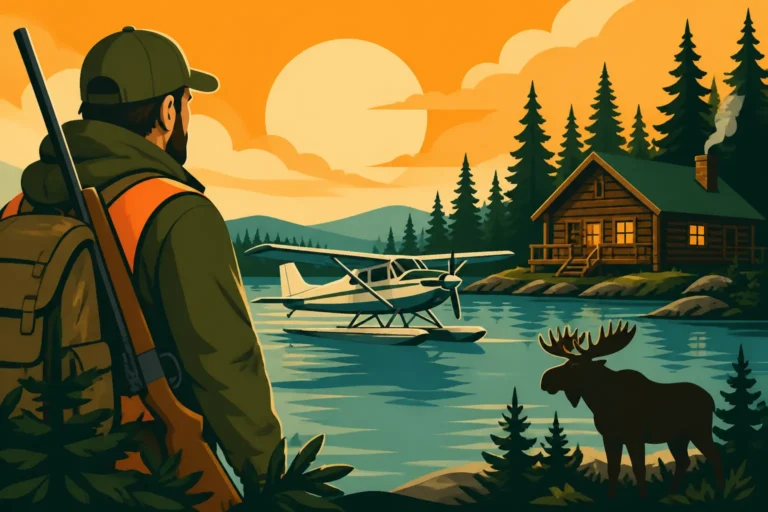
- Location, Location, Location: A good combo outfitter will be situated in an area with healthy bear populations and fantastic fishing lakes or rivers close by. A remote Ontario Fly-In Hunting Camps might put you deep into prime bear country and pristine fisheries, but even drive-in camps in accessible regions can offer excellent opportunities. Ask about the types of fish available and the typical success rates for both hunting and fishing clients.
- Logistics and Flexibility: Inquire about how they manage the day-to-day schedule. Do they offer guided fishing in the mornings before you head to the bear bait? Is there staff available to shuttle you to different fishing spots? How do they handle Meat Care in Ontario's Warm Early Seasons for both your bear and your fish? Flexibility is key to balancing these two demanding activities. Don't be afraid to ask detailed questions about their operations. Platforms like GoHunt can also provide insights into outfitter offerings and reviews.
Essential Gear for a Dual-Purpose Trip
Packing for a combo trip means thinking about both disciplines. You'll want to be prepared without overpacking, especially if you're flying in.
- Hunting Gear:
- Appropriate clothing for the season (layering is crucial for comfort and adapting to temperature swings).
- Your preferred firearm or bow, along with suitable ammunition or arrows. Understand the Legal Firearms and Bows for Big Game in Ontario.
- Quality binoculars.
- Scent control products.
- Bug suit or repellent (especially for spring hunts).
- Flashlight or headlamp.
- A good knife for field dressing.
- A small backpack for essentials at the bait site.
- Fishing Gear:
- A versatile rod and reel combo suitable for the target species (medium-heavy action is often good for pike/walleye).
- Assortment of lures, jigs, and bait (check regulations for live bait use).
- Pliers, line cutters, and a small tackle box.
- Landing net.
- Sunscreen, hat, and polarized sunglasses.
- Rain gear (essential for both hunting and fishing).
- General Camp Gear:
- Personal toiletries, medications.
- First-aid kit.
- Good quality boots (waterproof is a must for both activities).
- Camera to capture memories.
- Cooler for transporting your harvest home, especially if you get Getting Meat Processed in Ontario at a local butcher.
Don't forget to ask your outfitter for a recommended packing list. They know their region best and can offer specific advice based on the time of year. For more general advice, check out What to Bring to an Ontario Bush Camp.
What to Expect: Hunting Bears and Catching Fish
A combo trip isn't just about doing two things; it's about blending them into a cohesive outdoor experience. You'll likely spend mornings and early afternoons fishing, then shift gears for the evening bear hunt.
The Dynamics of a Guided Bear Hunt
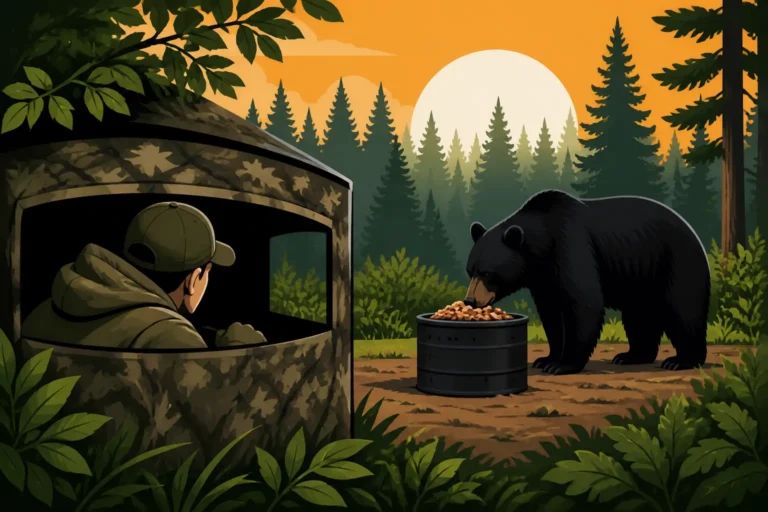
Most guided bear hunts in Ontario, especially for non-residents, revolve around bait sites. Your outfitter will have established and maintained baits, often located in strategic areas where bears are known to travel.
- Bait Site Protocol: You'll typically be taken to a bait site in the late afternoon or early evening and left to sit, usually in a comfortable treestand or ground blind. This allows for several hours of quiet observation during prime bear movement times. Your guide will pick you up after dark.
- Patience is Key: Bear hunting is a waiting game. Bears are intelligent and wary. You might see several bears, or you might see none. The thrill is in the anticipation. You'll need to remain still and quiet, using your senses to detect any approaching bruin.
- Shot Opportunity: When a bear does come in, your guide will have discussed shot placement and target identification (e.g., distinguishing between a sow and cubs, which are illegal to shoot). Accuracy is paramount for a quick, humane harvest.
- After the Shot: If you're successful, your guide will assist with tracking, recovery, and field dressing. This is where a good outfitter shines, ensuring your trophy and meat are handled properly.
Embracing Ontario's Diverse Fishing Opportunities
Ontario is a fishing paradise, renowned for its freshwater species. Depending on where your outfitter is located, you could be targeting a variety of popular game fish.
- Walleye: A favourite for its delicious meat and challenging fight. Often found in deeper water during the day but move shallower in low light. Jigs, crankbaits, and live bait are effective.
- Northern Pike: Aggressive predators that offer thrilling topwater action or strong fights on spoons and spinnerbaits. They love weedy bays and rocky points.
- Smallmouth Bass: Hard-fighting and acrobatic, smallmouth are a blast on light tackle. Look for them around rocky structure and shoals.
- Lake Trout: Found in cold, deep lakes, these powerful fish require heavier tackle and often specific techniques like downrigging or deep jigging.
- Brook Trout: Native to Ontario's pristine northern streams and small lakes, brook trout offer a classic wilderness fishing experience. Light tackle with spinners or flies works well.
Your outfitter should provide boats, motors, and often bait or specific lure recommendations for the local waters. Some might offer guided fishing trips, while others will provide maps and directions for self-guided adventures.
Balancing Your Time Between Hunting and Fishing
This is the art of the combo trip. You want to give yourself the best chance at both, which often means prioritizing.
- Morning/Afternoon Fishing: This is typically when fishing is most productive, and it neatly fills the hours before the evening bear hunt. You might be out on the lake from sunrise until early afternoon, then return to camp for a quick meal, change, and head to the bear bait.
- Evening Bear Hunting: The late afternoon and evening are prime times for bears to visit baits. This is a non-negotiable window for hunting. You'll commit these hours entirely to the bear stand.
- Flexibility: Be prepared to adjust. If the fishing is on fire, you might spend an extra hour on the water before rushing to the bait. If a specific bear is only hitting the bait in the morning, you might adjust your fishing schedule for a day or two to capitalize on that opportunity. A good outfitter will help you navigate these choices. Don't be afraid to voice your preferences, whether it's catching a trophy fish or a trophy bear.
Making the Most of Your Northland Experience
Beyond the specific acts of hunting and fishing, a combo trip is an immersive wilderness experience. It's about the entire journey, the sights, sounds, and tastes of Ontario's wild.
Bringing Home Your Harvest: Meat and Trophies
One of the great rewards of a successful combo trip is bringing home wild game and fish. This requires careful planning for handling, processing, and transport.
- Bear Meat: Black bear meat is excellent when handled properly. Your outfitter will assist with field dressing and usually has facilities for initial skinning and quartering. You'll need to decide if you want to take the meat home fresh, frozen, or processed. Many hunters opt to have local butchers process their bear, and your outfitter can usually recommend one.
- Fish Fillets: Most camps have cleaning stations for fish. Keep your fillets cool and dry. If you plan to take a significant amount of fish home, bring a separate cooler dedicated to fillets, or ensure the camp has freezer space. Freezing fish solid is usually the best way to transport it.
- Trophies: If you harvest a bear you wish to have mounted, your outfitter will help with skinning and caping for taxidermy. They can often arrange for the hide and skull to be transported to a local taxidermist or prepared for your journey home. Remember to obtain any necessary export permits if you are a non-resident. What the Export Permit Covers is an important detail for cross-border travel.
Proper care of your meat and trophies starts immediately after the harvest. Rapid cooling is essential, especially in warmer seasons. Your outfitter should be well-versed in these procedures.
Immersing Yourself in the Ontario Wilderness Culture
A combo hunt and fish trip is more than just bagging game and catching fish; it's about soaking in the unique atmosphere of the Canadian wilderness. It's the smell of pine, the call of a loon across a glassy lake at dawn, the rustle of leaves as you sit on a bear stand, and the satisfaction of a campfire meal after a long day.
Many camps are rustic, offering a true "bush camp" experience, while others might provide more creature comforts. Embrace the solitude, the challenge, and the raw beauty of the North. Share stories with your guide and fellow hunters, learn about the local ecosystem, and disconnect from the everyday hustle. Whether you're targeting a trophy What a Big Boreal Black Bear Weighs or a mess of walleye for the pan, the memories made on an Ontario combo trip will last a lifetime.
Disclaimer
This article is for general informational purposes only and does not constitute professional advice. Laws, prices and regulations vary by location and change over time. Consult a qualified professional for guidance on your specific situation.