Running Deer With Dogs Where It Is Legal
It’s easy to get confused about what's allowed and what isn't when it comes to hunting with dogs, especially when you hear stories from other regions or historical accounts. Many hunters wonder if they can use their trusty canine companions to help locate deer, or even to push them towards waiting stands, only to hit a wall of uncertainty about Ontario’s specific regulations. This guide is here to untangle those rules, clarify the misconceptions, and walk you through the precise legalities of involving dogs in your deer hunting efforts in Ontario, focusing on what is permissible and ethical.
The Legal Landscape: Understanding Ontario's Regulations
When we talk about "running deer with dogs," many immediately picture hounds chasing deer for miles, eventually driving them past hunters. It's a method seen in some parts of North America, but it's crucial to understand that Ontario has its own distinct set of rules. The province places a strong emphasis on fair chase principles and minimizing undue stress on wildlife, which directly impacts how dogs can be used in deer hunting.
The Misconception: Running Deer for the Shot
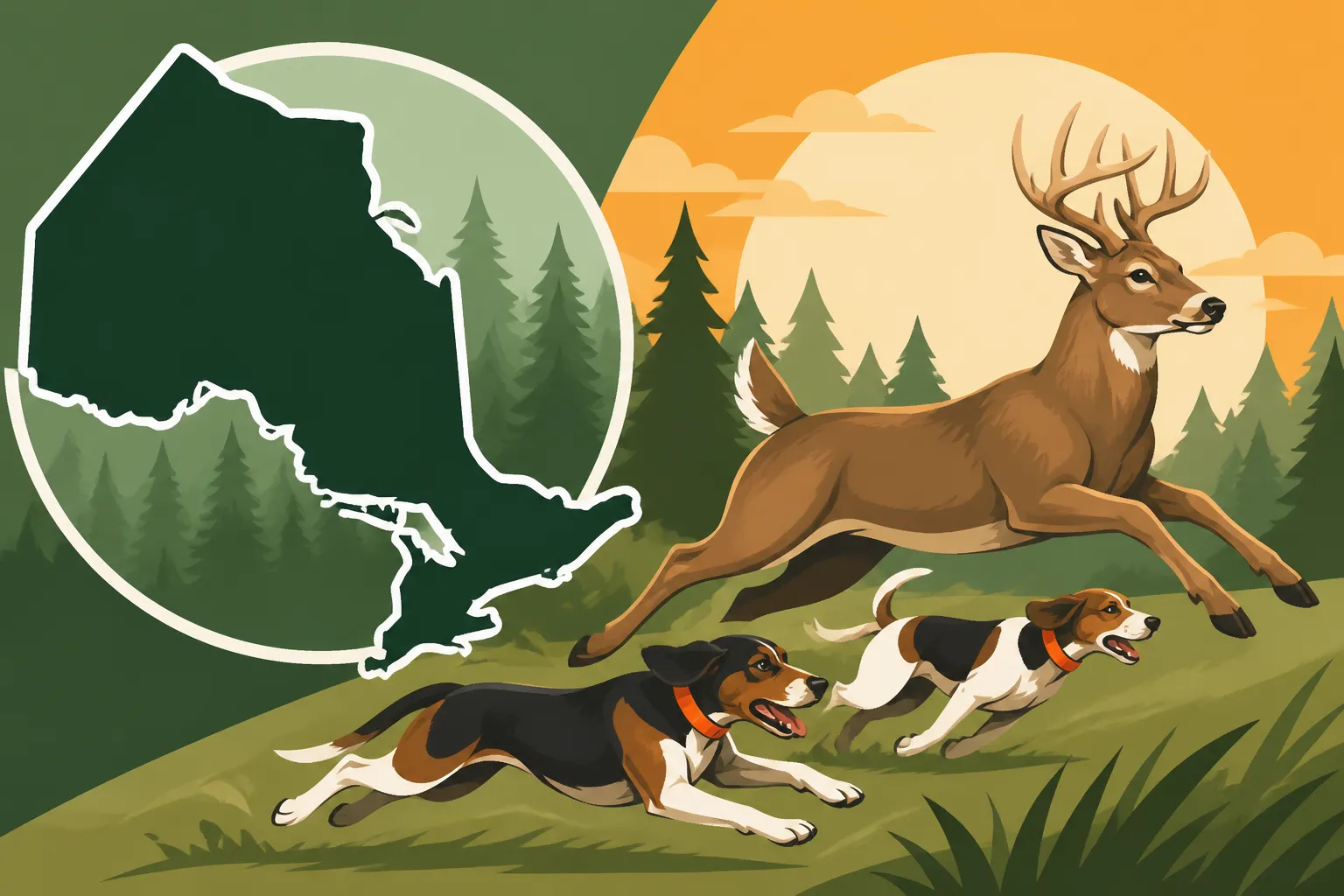
Let's be absolutely clear from the outset: using dogs to actively drive or chase deer for the purpose of pushing them towards a hunter for a shot is not legal in Ontario. The provincial regulations are very specific on this. You cannot intentionally use a dog to pursue or harass deer as a means of hunting them. This rule exists to prevent prolonged stress on deer, especially during harsh winter months, and to maintain ethical hunting standards. Many hunters from other jurisdictions arrive in Ontario assuming certain practices are universal, but this is one area where the rules diverge significantly. The image of a pack of beagles or larger hounds pushing deer is simply not part of legal deer hunting in this province.
The Reality: Legal Dog Use for Tracking and Recovery
While actively driving deer with dogs is prohibited, there’s a vital and often misunderstood exception: using a leashed dog to track wounded game. This is a game-changer for many hunters and a practice strongly encouraged by ethical hunting principles. Imagine you've made a shot on a beautiful whitetail, and the deer runs off into thick cover. You've searched for hours, followed the blood trail as best you can, but it’s fading or gone completely. This is where a trained tracking dog becomes an invaluable asset.
Ontario's hunting regulations generally permit the use of a leashed dog to track and recover a wounded animal, provided certain conditions are met. The key here is "leashed" and "wounded." The dog isn't there to chase a healthy deer; it's there to assist in locating an animal that has already been shot. This distinction is critical and often saves meat that would otherwise be lost and ensures a humane recovery. It's about responsibility and maximizing the chances of recovering your harvest, rather than leaving an injured animal in the bush. Many hunters use digital tools, including those available through platforms like GoHunt, to mark their shot locations and potential last sightings, which can aid in coordinating a tracking effort with a dog.
Specific WMUs and Exceptions
For the most part, the rules regarding dog use for deer tracking (leashed, wounded game) apply province-wide, regardless of the Wildlife Management Unit (WMU) you're hunting in. There aren't specific WMUs where "running deer with dogs" in the traditional sense is permitted for deer.
However, it's always prudent to check the current Ontario Hunting Regulations Summary for any updates or highly localized restrictions that might pertain to your specific WMU. While rare, regulations can sometimes have nuances. For example, some conservation areas or specific zones within a WMU might have stricter rules regarding dog presence or off-leash policies. For instance, when you're deer hunting in Southern Ontario farmland, where private property is prevalent, the ability to track a wounded animal onto an adjacent property might require prior landowner permission, even if your dog is leashed. Understanding the local landscape, both geographically and legally, is part of being a responsible hunter.
Types of Dog-Assisted Deer Hunting: Beyond the Stereotype
When we discuss "hunting with dogs," it's vital to differentiate between various practices. While running deer for the shot is out, other forms of dog use are perfectly legal and incredibly beneficial, often falling under the umbrella of responsible game recovery.
Tracking Wounded Game with Dogs
This is the primary legal application of dogs in deer hunting in Ontario. A well-trained tracking dog, often a breed known for its scenting ability, can follow a faint blood trail or even the residual scent of a wounded deer through challenging terrain. Think of a scenario where a deer runs into a thick cedar swamp edge after the shot. Without a dog, finding it can be a nightmare, leading to lost game and a disheartening experience. A skilled tracker, on a leash, methodically working the scent, can cut down recovery time significantly, ensuring your harvest doesn't go to waste.
This isn't about the dog being a "finisher" but a "finder." The hunter still needs to dispatch the animal if it's still alive. The dog's role is purely to guide the hunter to the location. The joy of finding a deer that you thought was lost, thanks to your dog's keen nose, is immense and deeply satisfying, reinforcing the ethical commitment to responsible hunting. This often requires you to know how to properly field dress in warm Ontario weather once the animal is located.
Using Dogs for Small Game and Bear Hounding
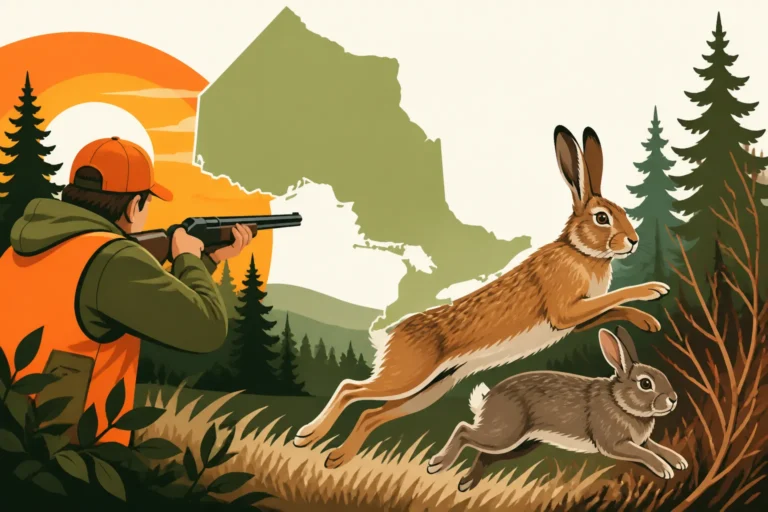
While deer hunting with dogs is strictly regulated, it's worth noting that dogs are legally used for hunting other species in Ontario. For example, specific regulations exist for running small game like rabbits and hare with beagles. These dogs are purpose-bred to follow scent trails, driving rabbits from cover. Similarly, black bear hunting in Ontario can involve the use of dogs, specifically for hounding bears. This practice is also heavily regulated, requiring special licenses and adherence to strict rules regarding how bears are pursued and treed.
These examples highlight that the prohibition against "running deer with dogs" isn't an anti-dog stance from the province; rather, it's a species-specific regulation designed to manage deer populations and hunting ethics. It underscores the importance of understanding the specific rules for each game animal you pursue.
Understanding Dog Breeds and Their Roles
Not all dogs are created equal when it comes to scent work. While your family retriever might have a great nose, dedicated tracking breeds are often superior. Breeds like Bavarian Mountain Hounds, Bloodhounds, various Dachshunds (especially Teckels), and even some Lacy Dogs are renowned for their cold-trailing abilities. These dogs are specifically bred and trained for persistence on a scent, even when it's hours old or diluted by rain.
Here's a quick look at some popular tracking breeds:
| Breed Type | Key Trait | Best For |
|---|---|---|
| Bloodhound | Unparalleled scenting ability, stamina | Cold trails, long searches, very deliberate |
| Bavarian Mountain Hound | Excellent nose, agile, well-suited to rugged terrain | Wounded game tracking, versatile on various scents |
| Dachshund (Teckel) | Small, persistent, incredible nose | Tight cover, tracking wounded deer efficiently |
| Labrador Retriever | Versatile, eager to please, strong nose | Blood trailing, waterfowl recovery, good all-around |
| Cur breeds (e.g., Lacy) | High energy, strong drive, good for warm trails | Bear hounding (where legal), fast tracking |
Choosing the right breed, and more importantly, investing in proper training, is paramount. A well-trained Labrador Retriever, though not a traditional "tracking dog" in the European sense, can be an incredible asset for recovering deer if taught correctly. When researching, platforms like GoHunt often have forums or articles where hunters discuss their experiences with different breeds for tracking, offering valuable real-world insights.
Ethical Considerations and Best Practices
Using dogs in any hunting context brings with it a host of ethical responsibilities. It’s not just about what’s legal, but what’s right, humane, and sustainable. As hunters, we are stewards of the land and its wildlife, and our actions reflect on the entire community.
Minimizing Impact and Stress on Wildlife
The primary reason Ontario prohibits actively driving deer with dogs is to minimize undue stress. A prolonged chase can exhaust a deer, especially during winter when their energy reserves are critical for survival. Even during recovery efforts, responsible dog use means keeping the dog leashed and focused purely on the track, preventing it from inadvertently chasing other healthy deer.
When tracking, if the scent suddenly deviates, indicating the wounded deer might have joined a healthy group, it's often best to pause and reassess. The goal is recovery, not further disturbance. We also need to be mindful of the time of day and year. While a dog can track in any season, a late-season track in deep snow or extreme cold might be different from an early fall recovery, and considerations should be made to avoid putting further stress on the animal if it's still mobile but wounded. This also ties into understanding why Ontario deer numbers swing, as factors like stress can impact population health.
Respecting Landowners and Property Lines
This is a huge one, especially when you're hunting private land or near boundaries. Even if you have permission to hunt one parcel, a wounded deer (and your tracking dog) might cross onto an adjacent property where you don't have permission. This is where Ontario Trespass and Landowner Law becomes critically important. Before even heading out, it's a good practice to identify potential adjacent landowners and, if possible, establish contact before you need to track. A quick phone call explaining the situation can prevent misunderstandings and maintain good landowner relations.
If you don't have prior permission, and a wounded deer crosses a property line, the protocol is usually to secure your dog, unload your firearm, and contact the landowner immediately to request permission to retrieve your animal. Never assume you have the right to enter private property, even for game recovery. Your dog's presence might make the situation more sensitive, so clear communication is paramount. Many hunters now use apps like GoHunt that overlay property boundaries, making it easier to identify landowners on the fly.
Hunter Responsibility and Public Perception
Every time we step into the field, we represent the broader hunting community. Ethical dog use is crucial for maintaining a positive public image of hunting. A dog chasing a deer across a road or through a residential area, even if unintentionally, can create significant negative perceptions among non-hunters. This is why strict adherence to leashing and control is so important.
Your dog should be a reflection of your discipline and respect for wildlife and public spaces. This includes ensuring your dog is well-behaved, quiet, and under command at all times. A tracking dog's role is a serious one, not a free-for-all. Hunters should also be proactive in reporting their harvest, which is a key part of Reporting Your Ontario Harvest and helps wildlife management. When done correctly, using a dog for recovery showcases a hunter's dedication to minimizing waste and ensuring humane outcomes.
Training Your Dog for Legal Deer Recovery or Pursuit
A dog's natural instinct to follow a scent is one thing; reliably tracking wounded game under pressure is another entirely. Training is the cornerstone of effective and ethical dog-assisted recovery. This isn't just about walks in the park; it's dedicated, consistent work.
Essential Training for Tracking Dogs
Formal training should start young, building on a dog's natural curiosity and scent drive. It begins with simple scent trails using deer hides or a specific scent (often commercially available deer blood or interdigital gland scent). Gradually, you increase the length, age, and complexity of the trails, introducing turns, obstacles, and varied terrain like you'd find when hunting a hardwood ridge for whitetails.
Key training components include:
- Leash Manners: The dog must work calmly on a leash, without pulling excessively or getting distracted.
- Scent Discrimination: Teaching the dog to focus solely on the target scent, ignoring other animal trails or distractions.
- Persistence: Encouraging the dog to keep working a cold or difficult trail.
- Indication: Training the dog to clearly indicate when it has found the animal, whether by lying down, barking, or nudging the carcass.
- Problem Solving: Exposing the dog to various scenarios, like crossing water, roads, or areas with little to no blood, to build confidence.
Consistency is key. Even a well-trained dog needs regular practice to keep its skills sharp. Consider joining a local tracking club or working with a professional dog trainer specializing in game recovery.
Equipment for Dog-Assisted Hunting
Having the right gear makes a huge difference for both you and your canine partner.
- Long Tracking Leash: Typically 15-30 feet, made of durable material like Biothane, which won't snag and is easy to clean. This allows the dog to work a wide scent cone while remaining tethered.
- Tracking Harness: A comfortable, non-restrictive harness that distributes pressure evenly, unlike a collar that can put strain on the dog's neck.
- GPS Collar: A critical piece of modern equipment. Brands like Garmin and SportDOG offer excellent GPS tracking collars. Even when leashed, a GPS collar provides an extra layer of safety, allowing you to monitor your dog's location and track its progress, especially in dense cover or if the leash is accidentally dropped. Some systems also allow you to mark points of interest, like blood spatter or the shot location, linking to your GoHunt map data.
- Water and Food: Essential for your dog, especially on long, strenuous tracks.
- First-Aid Kit: For both you and your dog, including paw protection, antiseptic wipes, and bandages.
- Blaze Orange Vest/Collar: For your dog, just as you wear Ontario Blaze Orange Requirements, ensuring visibility and safety in the bush.
Maintaining Your Dog's Skills Season to Season
Tracking isn't a skill you can just pull out once a year. Your dog needs continuous engagement and practice. During the off-season, lay out practice trails regularly. Vary the conditions: try different times of day, after rain, or in varied temperatures. Hide shed antlers or pieces of deer hide. This not only maintains your dog's proficiency but also strengthens your bond and understanding of each other's cues.
Consider mock scenarios. Have a friend "hide" a deer (a bag of deer scent or a hide) and set up a realistic tracking challenge. This can simulate the pressure and unpredictability of a real recovery effort. Remember, a dog that rarely practices will likely struggle when the stakes are high. Consistent training ensures both the dog's readiness and your confidence in its abilities when it truly matters.
Navigating Practicalities and Challenges
Even with a perfectly trained dog and a solid understanding of the rules, real-world hunting scenarios throw curveballs. Anticipating these challenges and having strategies to deal with them is part of being prepared.
Working with Others: Collaboration and Call-Outs
Often, a wounded deer track isn't a solo endeavor. You might be hunting with a partner, or you might call in a dedicated tracking dog handler. Clear communication and defined roles are essential. If you're relying on someone else's dog, understand their methods, and be prepared to follow their lead. They are the expert on their dog.
If you have a trained dog yourself, consider joining a local tracking association or offering your services to other hunters. Many hunters, especially those who hunt in Ontario's mixed forest, don't own tracking dogs and would be immensely grateful for assistance. This builds community, helps recover lost game, and demonstrates the ethical commitment of hunters. Remember that Hunting Ontario's November Gun Season can be busy, and coordinating with other hunters for recovery efforts is crucial.
Overcoming Terrain and Weather Challenges
Ontario's diverse landscapes offer plenty of challenges. From the thick undergrowth of the southern regions to the rocky, sparse shield country up north, or the dense conifer swamps, each presents its own set of difficulties for a tracking dog. Mud, deep snow, heavy rain, or even extreme heat can all degrade scent and make a track harder.
- Deep Snow: While a dog's nose is still effective, deep snow can make travel difficult for both dog and handler. It can also cover blood trails quickly. Tracking in Where Ontario Whitetails Yard in Deep Snow requires patience.
- Heavy Rain: Rain washes away scent. You might need to give the dog more time and space, and rely more on ground disturbance and visual cues alongside scent.
- Warm Weather: Hot, dry conditions can make scent dissipate quickly. Early morning or late evening tracks are often best in these conditions.
- Water Crossings: Deer often head for water when wounded. Training your dog to follow a track across or through water is a valuable skill.
Flexibility and patience are your best tools when faced with adverse conditions. Trust your dog's nose, but also be ready to use your own woodsmanship and knowledge of Reading Whitetail Sign in Ontario Hardwoods to assist.
Reporting and Record Keeping for Ethical Practice
While not strictly a regulation for every recovery, keeping good records of your dog-assisted recoveries is excellent practice. Note the date, WMU, species, time of shot, time of recovery, dog used, conditions, and the outcome. This data helps you understand your dog's capabilities, identify areas for further training, and contributes to the broader knowledge base for ethical recovery.
Additionally, always ensure you adhere to all tag notching and reporting requirements for your harvest. This is part of your responsibility as a licensed hunter. The goal of using a dog for recovery is not to bend the rules, but to enhance your ethical commitment to recovering game you've pursued.
Disclaimer
This guide provides general information based on current Ontario hunting regulations and best practices. Hunting regulations can change. It is always the hunter's responsibility to consult the most recent Ontario Hunting Regulations Summary published by the Ministry of Natural Resources and Forestry (MNRF) before heading afield to ensure compliance with all applicable laws. This information is not a substitute for official legal advice.