Ontario’s Fly-In Hunting Camps
Many hunters dream of escaping the beaten path, of finding true wilderness where the signs of human activity are few and far between. The reality, however, often involves crowded bush roads, competition for prime spots, and the ever-present drone of civilization. This guide is your in-depth look into Ontario's fly-in hunting camps, offering a comprehensive exploration of how these unique adventures provide access to unparalleled solitude and some of the province's most remote hunting opportunities.
What Exactly is a Fly-In Hunting Camp in Ontario?
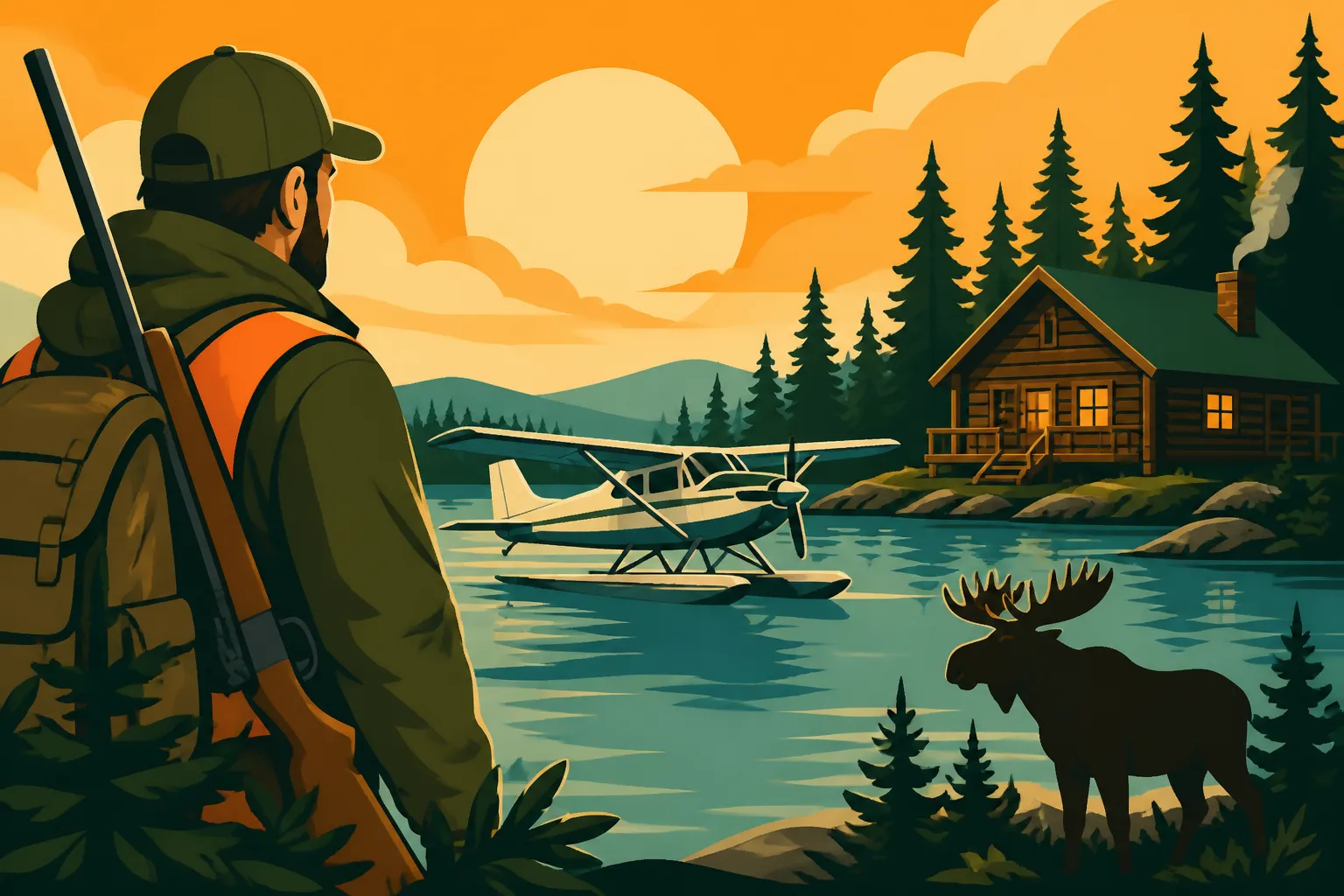
When you hear "fly-in camp," it conjures images of remote cabins accessible only by air, and in Ontario, that's exactly what it means. These aren't your typical drive-to lodges. Instead, your adventure begins at a float plane base, often in a northern town like White River, Hornepayne, or Red Lake, where you'll load your gear and yourself into a classic de Havilland Beaver or Otter. From there, you're whisked away over vast stretches of Boreal Forest, sparkling lakes, and winding rivers, landing directly on a remote lake that serves as the gateway to your hunting territory.
The Allure of Remoteness
The primary draw of a fly-in camp is, without a doubt, the unparalleled remoteness. You're heading into areas of Ontario where roads simply don't exist, where the only sounds you'll hear are the wind in the pines, the call of a loon, or the rustle of a moose moving through the alders. This isn't just a scenic backdrop; it's a fundamental part of the hunting experience. Imagine scouting a shoreline for moose tracks and knowing that the only other human tracks you might find belong to a trapper from decades past, or perhaps a prospector. This sense of being truly alone in the wild, responsible for your own success and survival, is incredibly appealing to many seasoned hunters seeking a deeper connection to the land and the hunt. It strips away the distractions and brings you face-to-face with the wild, often providing a profound sense of self-reliance and accomplishment.
Types of Fly-In Operations
Fly-in camps primarily come in two flavours: "housekeeping" and "American Plan." Understanding the difference is crucial for planning your trip and managing expectations.
Housekeeping Camps: These are typically well-maintained, rustic cabins equipped with basic amenities like beds, cooking utensils, a stove (often propane or wood-burning), a refrigerator (propane or solar-powered), and perhaps an outdoor privy. You are responsible for all your own food, cooking, cleaning, and sometimes even water purification. The outfitter flies you in, provides the cabin, perhaps a boat and motor, and then leaves you to your own devices until your scheduled pick-up. This option offers maximum independence and can be more budget-friendly, but it requires thorough planning for provisions and a self-sufficient attitude. You are your own chef, your own guide, and your own camp caretaker. It's a fantastic choice for experienced groups who enjoy the camaraderie of managing all aspects of their trip.
American Plan Camps: While less common for purely hunting-focused fly-in experiences, some outfitters offer a more all-inclusive package. In these operations, food is provided and cooked by camp staff, and often, a guide is included in your daily activities. These camps tend to be larger, more comfortable, and might even feature amenities like hot showers, flush toilets, and a central lodge area. They offer a luxurious, hands-off experience, allowing you to focus entirely on the hunt and relaxation. However, this level of service comes with a significantly higher price tag and might sacrifice a bit of that raw wilderness independence that many fly-in hunters crave. Most fly-in hunts in Ontario lean heavily towards the housekeeping model, emphasizing the self-guided, remote adventure.
Why Choose a Fly-In Camp for Your Ontario Hunt?
The decision to embark on a fly-in hunt isn't just about convenience; it's about pursuing a distinct kind of hunting experience that roads and easily accessible areas simply can't offer. It's an investment in adventure, solitude, and the potential for an exceptional encounter with untouched nature.
Unparalleled Wilderness Experience
When you fly into a remote Ontario lake, you're not just entering a hunting zone; you're immersing yourself in an ecosystem largely untouched by human development. The vastness of the Boreal Forest stretches out in every direction, dotted with countless lakes and rivers. This isn't fragmented bush with clear-cuts and cottage developments; it's an unbroken canopy, a mosaic of spruce, fir, pine, and birch. The air is cleaner, the water is clearer, and the silence is profound, interrupted only by the sounds of wildlife. You might see timber wolves loping across a distant shore, bald eagles soaring overhead, or even signs of lynx or pine marten. It's a true escape, allowing you to disconnect from modern life and reconnect with the primal rhythm of the wild. This deep immersion into nature offers more than just a hunt; it's a soul-enriching wilderness journey.
Access to Unpressured Game
One of the most compelling reasons to choose a fly-in camp is the opportunity to hunt unpressured game. In easily accessible areas, animals become wary of human activity, adapting their patterns to avoid hunters. They go nocturnal, move deeper into dense cover, and become much harder to pattern. In a fly-in setting, however, animals often behave more naturally. Moose might graze openly on lily pads in the middle of the day, Black Bear Hunting in Ontario opportunities might increase as bears haven't learned to associate humans with danger, and even Small Game Hunting in Ontario like grouse might hold tighter, less skittish. This means you're more likely to see game and observe their natural behaviours, which can make for a more rewarding and often more successful hunt. You're hunting animals that haven't been constantly bumped and educated by other hunters, offering a distinct advantage.
Escaping the Crowds and Road Hunters
Let's face it, hunting popular areas can be frustrating. Dealing with other hunters, especially those who prefer to cruise bush roads, can diminish the wilderness experience. The constant rumble of ATVs or trucks, the sight of orange vests around every corner, and the worry about someone else cutting off your stalk can take away from the solitude you seek. Fly-in camps completely eliminate this problem. Once the float plane drops you off, you and your hunting partners are the only human presence for miles around. You have an entire section of wilderness to yourself, free from competition and disturbance. This allows you to hunt at your own pace, explore new territory without concern for encroaching on another hunter's space, and truly enjoy the peace and quiet that a wilderness hunt should offer. It’s a stark contrast to Hunting Moose Off a Bush Road, where you're often sharing the limited access points with many others.
Planning Your Ontario Fly-In Adventure
A fly-in hunt isn't something you decide on a whim. It requires meticulous planning, from choosing your species to understanding the unique logistical challenges of remote travel.
Choosing Your Target Species
Ontario's fly-in camps primarily cater to two big game species: moose and black bear. However, excellent opportunities for Small Game Hunting in Ontario also exist.
Moose: A fly-in moose hunt is arguably the most popular and iconic choice. Many outfitters secure a limited number of moose tags, especially for non-residents, making the fly-in a prime way to access some of Ontario's best moose habitat. You'll be hunting in vast areas, often around lakes and wetlands, ideal for calling or spot-and-stalk tactics. The solitude means less competition and often less pressured animals. Learning to identify moose sign along shorelines and tracking through dense timber becomes your daily routine. Expect physically demanding hunting, often involving a lot of hiking, paddling, and glassing. You'll want to study up on tactics like Calling a Bull Moose in the Rut if you're targeting that early to mid-fall window.
Black Bear: Ontario offers fantastic black bear hunting, and fly-in camps provide access to prime bear country. Outfitters often have established bait sites, which are checked and maintained leading up to your arrival. The remoteness means bears are often larger and less wary than in more accessible areas. A fly-in bear hunt usually involves flying into a camp with pre-set baits, then being boated to a stand or blind each day to wait for a bear. This can be a more relaxed style of hunting, but still offers the thrill of a big game encounter in truly wild surroundings. It's a great option if you're keen on Setting a Bear Bait Site in Ontario and having exclusive access to productive sites.
Small Game: While less publicized, fly-in camps can provide incredible small game opportunities. Imagine spending a few days targeting ruffed grouse along old trapper trails or logging cuts that are now completely grown in, or pursuing snowshoe hare in dense thickets. With no other hunters around, you can often find birds and rabbits that haven't been shot at, making for exciting encounters. This can be a fantastic add-on to a big game hunt, or a standalone adventure for those seeking a different challenge. Think about Hunting Ruffed Grouse on an Ontario Bush Road – except the "road" is now just a faint trail only you know about.
Understanding Logistics and Timing
Timing is everything for a fly-in hunt. Moose seasons are generally in the fall, often peaking in late September and October, aligning with the rut. Bear hunts can be in the spring (May-June) or fall (August-October). It’s crucial to coordinate with your outfitter on specific dates and what they recommend for success. Consider the weather: early fall can be warm, requiring careful Meat Care in Ontario's Warm Early Seasons, while late fall can bring freezing temperatures.
Logistically, you'll need to think about travel to the float plane base, vehicle parking, and what you'll do after the hunt with your game. The outfitter will provide details on flight schedules, usually specific times on a designated "fly-in" and "fly-out" day. It's a good idea to build in an extra day on either side of your flight days in case of weather delays – float planes simply cannot fly in certain conditions.
The Importance of a Reputable Outfitter
Choosing the right outfitter is perhaps the most critical decision for a successful fly-in hunt. These aren't just cabin rentals; you're relying on them for your transportation, safety, and access to quality hunting grounds. A reputable outfitter will have well-maintained aircraft, reliable boats and motors, comfortable camps, and a strong understanding of the game and regulations in their area. They should be transparent about what's included and excluded in their packages, their success rates (and what those truly mean), and their emergency procedures. Don't be afraid to ask for references from past clients. Online platforms like BookYourHunt and GoHunt can be excellent resources for finding and comparing outfitters, often providing reviews and detailed package information. When you're literally putting your hunt, and potentially your safety, in someone else's hands, due diligence is non-negotiable.
What to Expect: From Float Plane to Field
The journey to a fly-in camp is an adventure in itself, setting the tone for the remote experience that awaits. Understanding each step can help you prepare mentally and practically.
The Journey to Camp
Your fly-in hunt truly begins at the float plane base. Here, your gear will be weighed, a crucial step due to strict weight limits for aircraft safety. This means you need to pack smartly and efficiently. Outfitters will provide guidance on limits, often around 50-70 pounds per person, excluding things like firearms (which have their own regulations). This is where you realize that "everything but the kitchen sink" simply isn't an option. Pack only essentials, focusing on functional, lightweight gear. You'll likely consolidate some items as a group – maybe one cooler for shared food, one tent for backup, etc.
Once loaded, the flight itself is an incredible experience. You'll soar over endless forests, spotting lakes, rivers, and perhaps even wildlife from above. The landing, a graceful touchdown on water, is unique and unforgettable. Upon arrival, the pilot will help unload your gear, give you a quick orientation of the camp and the immediate area, and then, with a wave, take off, leaving you in complete solitude. This moment, as the plane disappears over the horizon and the silence descends, is often described as the true start of the wilderness adventure. It's a feeling of profound isolation, but also immense freedom.
Life at a Fly-In Camp
Life at a fly-in camp is rustic but incredibly rewarding. Most camps operate on a housekeeping basis, meaning you're self-sufficient. This typically involves:
- Cooking: Prepare to cook all your meals. Simple, hearty, one-pot meals are often the easiest. Propane stoves are common, but some camps may have wood stoves, which add a cozy warmth, especially on cool mornings or evenings.
- Water: Many camps draw water directly from the lake, which often needs to be boiled, filtered, or treated before consumption. Some may have hand pumps or gravity-fed systems. Plan for adequate hydration.
- Heating and Lighting: Wood stoves are standard for heat, so chopping firewood might be part of your daily routine. Lighting often comes from propane lamps, battery-powered lanterns, or solar-charged systems. Electricity is a luxury you won't typically find.
- Hygiene: Outdoor privies are the norm. Showers might involve a solar bag or a heated bucket of lake water – simple, but refreshing after a long day in the bush.
- Transportation: You'll usually have access to a boat and motor for exploring your designated hunting area on the lake, or for accessing shorelines to begin your ground hunts. Ensure you know how to operate and troubleshoot the motor.
The daily routine revolves around the hunt. Early mornings are for coffee and a quick breakfast before heading out. Days are spent actively scouting, calling, or sitting on stand. Evenings are for sharing stories, planning the next day, and enjoying the quiet wilderness.
Hunting Tactics Unique to Fly-In Locations
Hunting from a fly-in camp demands a slightly different approach than road-accessible areas.
- Shoreline Scouting: For moose, lake shorelines, islands, and river deltas are prime areas. You'll spend a lot of time in a boat, glassing for animals feeding on aquatic vegetation or for tracks in the mud.
- Calling: With unpressured animals, calling can be incredibly effective. For moose, cow calls and bull grunts can bring animals right into range. Calling a Bull Moose in the Rut can be particularly exciting in these remote settings. For bears, some outfitters might allow calling near active bait sites.
- Spot and Stalk: The varied terrain and open areas around lakes can make spot-and-stalk a viable tactic, especially for moose. This requires patience, good optics, and an understanding of wind direction.
- Trail Hunting: Old trapper lines, faint game trails, or natural funnels through dense bush are excellent for walking and still-hunting. Pay close attention to fresh sign.
- Patience and Persistence: Remember, you have an entire wilderness area to yourself. Don't feel rushed. Set up in promising areas, be patient, and let the quietness of the woods work in your favour.
Essential Gear and Preparations for Remote Hunting
Being self-sufficient in a remote fly-in camp requires meticulous gear planning. You can't just run to the store if you forget something, so every item counts.
Clothing and Layering for Northern Ontario Weather
Ontario's weather, especially in the north, can be notoriously unpredictable, swinging wildly even within a single day. Layering is not just recommended, it's absolutely essential.
- Base Layers: Start with moisture-wicking synthetic or merino wool base layers. These keep sweat off your skin, preventing chills. Pack several sets as drying clothes in a damp cabin can be tricky.
- Mid-Layers: Fleece or wool sweaters, insulated vests, or lightweight down jackets provide warmth. These can be added or removed depending on activity level and temperature.
- Outer Shell: A waterproof and windproof jacket and pants are non-negotiable. Whether you're caught in a downpour, enduring a chilly boat ride, or pushing through wet brush, staying dry is paramount. Look for durable, quiet fabrics suitable for hunting.
- Insulated Outerwear: For colder hunts, particularly in late fall for moose, you'll need a heavier insulated jacket and pants for sitting on stand or during periods of inactivity.
- Headwear, Gloves, and Footwear: A warm hat (beanie or wool), a brimmed hat for sun/rain, and several pairs of gloves (lightweight for dexterity, heavy for warmth) are critical. Waterproof, insulated hunting boots with good ankle support are a must for navigating wet, uneven terrain. Always pack extra socks – dry feet are happy feet.
Think about varying conditions: from chilly mornings to warm afternoons, and the possibility of rain or even an early snowfall. Your layering system should allow you to adapt to all of it.
Food and Provisions for Housekeeping Camps
Since most fly-in camps are housekeeping, planning your food is a major undertaking. The key is to be efficient with weight, minimize waste, and ensure you have enough calories for strenuous days.
- Non-Perishables: Pasta, rice, instant oatmeal, dehydrated meals, canned goods (be mindful of weight), coffee, tea, and cooking oils are staples.
- Perishables: Carefully select items that will last. Hard cheeses, cured meats, sturdy vegetables (onions, potatoes, carrots), and frozen meat (packed well in a cooler with dry ice, to be consumed early in the trip) are good choices. For longer trips, consider how to keep things cold without electricity.
- Snacks: High-energy snacks like trail mix, granola bars, jerky, and dried fruit are crucial for staying fueled throughout the day.
- Water: While you'll likely use lake water (treated), bringing some bottled water for the first day or two can be convenient.
- Cooking Essentials: Don't forget salt, pepper, basic spices, dish soap, scrubbing pads, garbage bags, and aluminum foil.
- Special Considerations: If you have dietary restrictions or preferences, plan accordingly. Remember, you can't re-stock, so over-estimate slightly rather than under-estimate. Pack everything in robust, critter-proof containers.
Navigation, Communication, and Emergency Preparedness
In remote wilderness, knowing where you are, how to communicate, and what to do in an emergency is paramount.
- Navigation: A reliable GPS unit with pre-loaded maps of the area is essential. Don't rely solely on your phone; battery life is a concern, and cell service is non-existent. Always carry a physical map (waterproofed) and a compass, and know how to use them as a backup. Share your hunting plans with your group and stick to them. Knowing Reading an Ontario WMU Map Before You Go can be a lifesaver.
- Communication: A satellite messenger device (like an InReach or Zoleo) is highly recommended. These allow you to send and receive text messages, track your location, and trigger an SOS in an emergency, even without cell service. A satellite phone is another option for voice communication. Your outfitter will likely have a radio or satellite phone at the main camp for emergencies, but having your own personal device for field use is a wise investment.
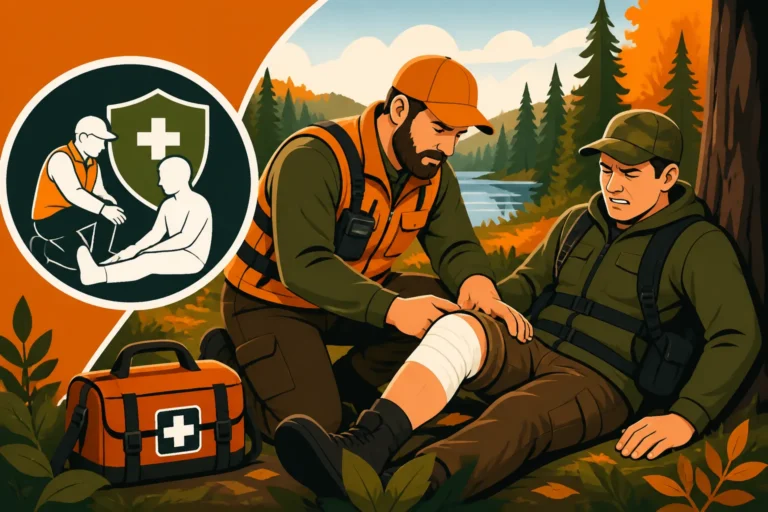
- First Aid Kit: A comprehensive first aid kit is critical, including pain relievers, bandages, antiseptic wipes, blister treatment, any personal medications, and possibly an epi-pen if allergies are a concern. Know how to use everything in it.
- Survival Gear: Pack a fire starter (waterproof matches, lighter, ferro rod), a knife, cordage, a headlamp with extra batteries, an emergency shelter (tarp or space blanket), and a whistle.
- Wildlife Safety: Carrying bear spray is highly advisable in Ontario's bear country, and know how to use it effectively. Understand bear behaviour and how to avoid encounters.
Being prepared for the unexpected is a hallmark of responsible wilderness hunting.
Navigating Costs and Booking Your Fly-In Hunt
The cost of a fly-in hunt can be a significant investment, but understanding the factors involved and how to vet outfitters will ensure you get good value for your money.
Understanding Package Inclusions and Exclusions
Fly-in hunt packages vary widely in price and what they include. For a true remote experience, expect a higher price point than a drive-to camp.
- Inclusions: Typically, a fly-in package will include round-trip float plane transportation from the base to the camp, use of a fully equipped housekeeping cabin, and use of a boat, motor, and fuel. Some packages for non-residents might include a moose tag allocation (which is highly sought after). Bear hunts will include active bait sites.
- Exclusions: Almost universally, licenses and tags (like the Ontario Moose Licence Cost or Ontario Black Bear Licence Cost), personal hunting gear, food and beverages, meat processing, taxidermy, and tips for pilots/staff are not included. You'll also likely pay extra for satellite phone rentals, specific requests, or unexpected costs like an extra flight due to severe weather. Non-residents will also need to factor in the Non-Resident Firearm Declaration fee if bringing their own firearms.
Always get a detailed written agreement from your outfitter that clearly outlines everything included and excluded. This prevents misunderstandings later on.
Deposits, Cancellations, and Insurance Considerations
Booking a fly-in hunt usually requires a substantial deposit, often 25-50% of the total cost, paid well in advance. Final payment is typically due several months before the hunt.
- Cancellations: Understand the outfitter's cancellation policy. Due to the high demand and limited spots, deposits are often non-refundable or only partially refundable with significant notice.
- Trip Insurance: This is perhaps the most crucial "extra" to consider. Weather delays (fog, high winds, heavy rain) can ground float planes for days, potentially shortening or cancelling your hunt. Trip cancellation and interruption insurance can cover these unforeseen circumstances, reimbursing you for lost days or the entire trip cost. Medical evacuation insurance is also highly recommended, given the remote nature of these hunts. This covers the cost of flying you out in a medical emergency, which can be exorbitant without coverage.
- Outfitter Reliability: When checking out outfitters, look for a long-standing reputation. Platforms like BookYourHunt often feature outfitters with established track records and client reviews, which can help you gauge their reliability and service. Similarly, GoHunt might offer insights or even booking tools for outfitters who use their services, giving you another layer of confidence in your choice.
Finding and Vetting Outfitters
Finding the right outfitter is crucial. Start by researching online.
- Online Directories & Forums: Websites like BookYourHunt offer extensive listings of outfitters, often with client reviews, detailed package descriptions, and pricing information. Hunting forums can also be a goldmine of firsthand experiences and recommendations.
- Professional Associations: Check if the outfitter is a member of any provincial or national outfitter associations, which often indicates adherence to certain standards.
- Direct Contact: Once you've shortlisted a few, contact them directly. Ask specific questions about their experience, the camp's history, their specific Ontario's Wildlife Management Units (WMU) and success rates for your target species, and their emergency protocols. Pay attention to how quickly and thoroughly they respond.
- References: Always ask for references from past clients, ideally from the previous year or two. Don't just ask for names; actually call those references and ask detailed questions about their experience, the quality of the hunting, the camp, and the outfitter's professionalism.
- Consistency: Look for consistency in their messaging, online presence, and client testimonials. A well-established outfitter will have clear information and positive feedback. Don't be swayed by ridiculously low prices; quality remote hunting often commands a fair rate.
The Unique Challenges and Rewards of Fly-In Hunting
Fly-in hunting isn't for everyone. It comes with its own set of challenges that can test your patience and resolve, but the rewards can be truly incomparable.
Dealing with Unpredictable Weather and Delays
This is arguably the biggest challenge of any fly-in adventure. Float planes cannot fly in dense fog, high winds, heavy rain, or severe thunderstorms. This means delays are not just a possibility; they are a frequent reality.
- Frustration and Flexibility: Imagine your pick-up day arrives, your coolers are packed, and you're ready to go home, only for the pilot to call and say a storm has grounded them for another day or two. This can be incredibly frustrating, but flexibility is key. You need to be prepared with extra food, water, and most importantly, a patient attitude.
- Safety First: Remember, these delays are for your safety. Pilots are highly skilled, but they operate within strict weather limits to ensure everyone gets to and from camp safely.
- Contingency Planning: Build extra buffer days into your travel schedule. Don't book a connecting flight or crucial appointment for the day you're scheduled to fly out of the bush. Having trip interruption insurance, as mentioned earlier, can soften the financial blow of these delays. Embracing the uncertainty is part of the remote experience.
Game Recovery in Remote Terrain
Harvesting a big game animal in a remote fly-in location presents its own set of challenges, particularly when it comes to recovery.
- No Road Access: There are no roads to back a truck up to. If you down a moose or bear, you'll be recovering it by hand, often quartering it in the field and packing it out. This means significant physical exertion, possibly over long distances or through dense, uneven terrain.
- Boating and Portaging: If the animal is near water, a boat can be invaluable for recovery, but you might still need to drag it to the shoreline. If you're deep in the bush, expect to make multiple trips with heavy packs.
- Tools and Teamwork: Bring adequate game recovery tools: sharp knives, a game bag, a meat saw, and strong rope. Teamwork is essential. Discuss a recovery plan before the hunt begins, so everyone knows their role. Understanding field dressing techniques and having knowledge of Quartering a Moose Alone in the Bush (though hopefully you have help!) is crucial.
- Meat Preservation: In warmer early fall temperatures, prompt field dressing and cooling of meat are vital to prevent spoilage. Plan to hang meat in the shade, perhaps draped with game bags, to allow it to cool quickly. You might consider packing portable game bags to protect meat from insects and dirt during the pack out.
The Unforgettable Memories and Self-Reliance
Despite the challenges, the rewards of a fly-in hunt are immense and enduring.
- Pristine Wilderness: You'll experience Ontario's wilderness in its purest form, far from the trappings of modern life. This deep immersion is incredibly rejuvenating and offers a unique perspective on nature.
- Unforgettable Moments: The sight of a bull moose emerging from the mist, the raw power of a black bear at the bait, or the eerie silence of the Boreal Forest after a float plane departs – these are moments that will stay with you forever.
- Sense of Accomplishment: Successfully executing a remote hunt, overcoming its challenges, and bringing home game instills a profound sense of self-reliance and accomplishment. You've truly earned your harvest.
- Camaraderie: Sharing a remote camp with hunting partners, working together on tasks, and relying on each other for support builds incredibly strong bonds and creates lasting memories. It's an experience that fosters deep friendships and stories that will be told for years around campfires.
Ensuring a Smooth Trip: Practical Tips for Non-Residents
For hunters traveling to Ontario from outside of Canada, particularly from the United States, there are a few extra steps and considerations to ensure your fly-in hunt goes off without a hitch.
Border Crossing and Firearm Declarations
Crossing the international border with firearms requires careful preparation and adherence to Canadian law.
- Non-Restricted Firearms: Most common hunting rifles and shotguns are classified as "non-restricted" in Canada. Handguns and certain semi-automatic firearms are typically prohibited or restricted and cannot be brought into Canada for hunting purposes. Double-check the current regulations before you pack.
- Non-Resident Firearm Declaration Form (CAFC 909): This form must be completed in triplicate, but not signed, before you arrive at the border. You will declare your firearms to a Canada Border Services Agency (CBSA) officer, sign the form in their presence, and pay a fee. This declaration acts as a temporary license and registration for your firearms, valid for up to 60 days. Keep one copy with your firearm, one with your hunting license, and one for your records.
- Ammunition: There are limits on the amount of ammunition you can bring (typically 200 rounds per firearm, securely stored).
- Storage: All firearms must be unloaded and securely stored during transport. Rifles and shotguns should be in locked cases.
- Honesty: Always be completely honest and upfront with border officials. Any misrepresentation can lead to serious consequences, including seizure of your firearms and refusal of entry. Your outfitter should be able to provide the most up-to-date information on Bringing Firearms Into Ontario.
Meat and Trophy Export Procedures
Once you've successfully harvested an animal, getting your meat and trophy home involves specific procedures.
- Tagging and Reporting: After a harvest, you must immediately tag your animal as per Ontario regulations. You'll also need to report your harvest to the Ministry of Natural Resources and Forestry (MNRF) within the specified timeframe.
- Export Permit: Non-residents require a Non-Resident Export Permit to take game meat or trophies (antlers, capes) out of Ontario. Your outfitter can typically assist you in obtaining this. The permit confirms legal harvest and allows you to transport your game across the border. Be aware of What the Export Permit Covers.
- Meat Processing: Plan how you'll process your meat. Some outfitters have facilities, or they can recommend local butchers. Ensure the meat is properly cooled, processed, and packaged for transport.
- U.S. Customs and Border Protection: When re-entering the United States, you'll need to declare all game meat and trophies. Ensure you have all necessary permits and tags. U.S. Fish and Wildlife Service regulations also apply to certain species. Proper documentation is key to a smooth re-entry.
- Taxidermy: If you're bringing back a hide or antlers for taxidermy, ensure they are properly prepared (salted, frozen, or skull cleaned) for transport and meet import requirements.
Respecting the Wilderness and Local Regulations
Hunting in Ontario, especially in remote areas, comes with a responsibility to uphold ethical hunting practices and respect the environment.
- Leave No Trace: Practice "Leave No Trace" principles. Pack out everything you pack in, including all garbage. Minimize your impact on the pristine environment.
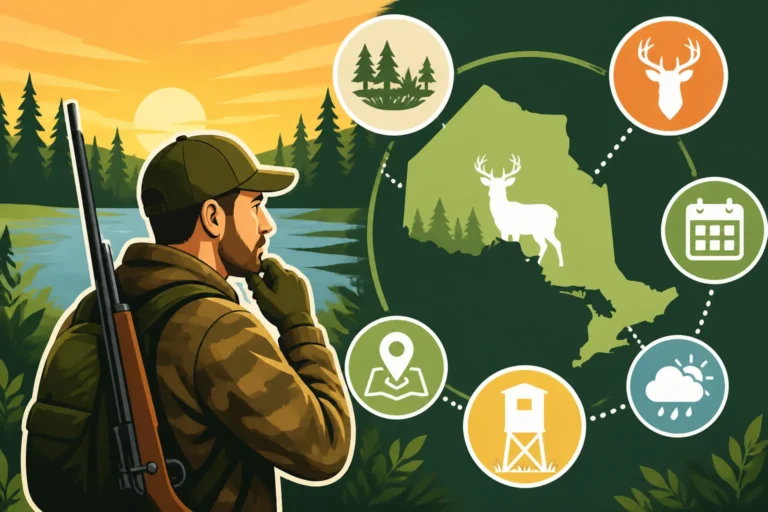
- Wildlife Management Units: Understand the specific regulations for your Ontario's Wildlife Management Units (WMU), including season dates, bag limits, and any special restrictions.
- Camp Courtesy: If sharing a camp or area with other hunters (even if far removed), practice courtesy and respect.
- Conservation: Recognize that you are participating in a system of wildlife management designed to ensure healthy populations for future generations. Your fees and adherence to regulations contribute to conservation efforts.
By being well-prepared, respectful, and flexible, your Ontario fly-in hunting camp experience will undoubtedly be one of the most memorable and rewarding adventures of your life.
Disclaimer
This article is for general informational purposes only and does not constitute professional advice. Laws, prices and regulations vary by location and change over time. Consult a qualified professional for guidance on your specific situation.