Hunting a Frozen Lakeshore in the North
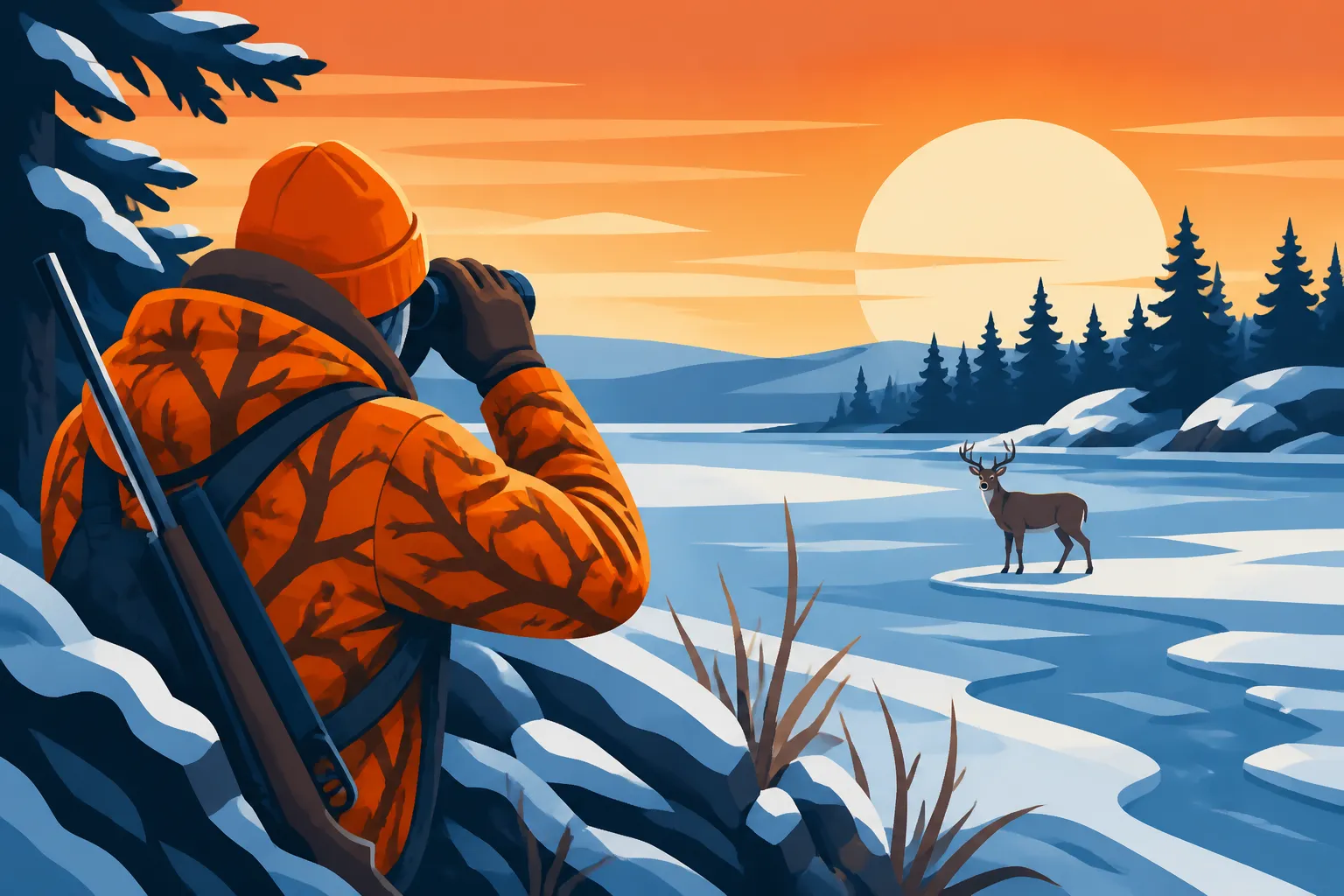
Hunting a frozen lakeshore in northern Ontario might sound intimidating, perhaps even a bit foolhardy, but for the intrepid hunter, it offers a truly unique and often incredibly rewarding experience. When the vast lakes and swamps of the North freeze over and are blanketed in snow, the landscape transforms, forcing wildlife to adapt and often concentrating them in predictable patterns that, if you know how to read them, can lead to incredible hunting opportunities. This guide will walk you through everything you need to know to safely and effectively navigate these challenging yet productive winter environments, helping you understand how game use these frozen arteries and what tactics give you the best chance of success.
Understanding the Northern Ontario Frozen Lakeshore Environment
Northern Ontario's frozen lakeshores are a world apart from the autumn woods. The deep freeze changes everything, from game movement to human access, creating both significant challenges and unique advantages for the winter hunter. It's not just about cold; it's about understanding how ice, snow, and extreme temperatures shape the ecosystem.
The Unique Challenges and Opportunities of Ice and Snow
When the thermometer consistently dips well below freezing, and the lakes become solid plains of ice, the entire dynamics of the northern bush shift. One of the biggest challenges is simply the sheer cold. We're talking about temperatures that demand top-tier clothing and gear to stay safe and comfortable. Frostbite is a real and present danger, and equipment can fail in unexpected ways. Snow depth also plays a huge role; deep, soft snow can make travel on foot nearly impossible, forcing you onto frozen waterways or packed trails. But these challenges also create opportunities. The snow acts like a giant canvas, displaying every track, every scuff, every sign of life with remarkable clarity. You can read the story of the bush in a way that's impossible during other seasons. The frozen lakes themselves become highways, opening up access to remote areas that are impassable by boat in summer or too marshy to traverse in fall.
How Wildlife Uses Frozen Lakes for Travel and Foraging
Think of a frozen lake as a superhighway for wildlife, especially when the surrounding bush is choked with deep snow. Deer, moose, wolves, and coyotes will often choose the path of least resistance, which is frequently the wind-swewept ice surface or the firmer snow along the shoreline. For moose, they might browse on willows or dogwood growing along the edges or venture out to access aquatic vegetation frozen beneath clearer ice patches. Whitetail deer, especially in areas where they yard up, will often travel to and from these yarding areas using lake edges, particularly if there's browse available or if they're moving between patches of thermal cover like dense cedar swamps. Wolves and coyotes are masters of efficiency; they'll use the frozen lakes to cover vast distances quickly, often patrolling shorelines looking for deer or moose that might have broken through the snow-crusted banks, or perhaps following the trails of smaller game. Understanding these travel patterns is crucial for intercepting game. Hunting a Beaver Meadow Crossing can be particularly productive as beavers often create open water pockets that freeze later, attracting thirsty animals, or their lodges provide crucial winter shelter.
Typical Vegetation and Cover Along Northern Shores
The vegetation immediately along a northern lakeshore plays a critical role in attracting and holding game. Picture it: often you'll find a transition zone from sparse shoreline shrubs and grasses to denser stands of conifer like black spruce, balsam fir, or cedar, mixed with deciduous species like aspen or birch. Cedar swamps, in particular, are vital thermal cover for deer in winter, providing shelter from biting winds and deep snow. Moose will browse heavily on balsam fir, willow, and often young aspen and birch sprouts along the edges. The junctures where these dense conifer stands meet the open ice, or where a point of land juts out, create natural funnels that animals often use. Look for areas with a mix of cover and potential food sources. An old burn area reaching down to the lake, now regenerating with new growth, can be a magnet for moose and deer. Mapping tools like onX Hunt or GoHunt can be invaluable here, allowing you to study satellite imagery and topographic maps to identify these transitions and potential pinch points before you even step foot in the bush.
Reading the Signs: Where Game Congregate on Frozen Lakeshores
Success in winter hunting, especially around frozen lakeshores, hinges on your ability to read the subtle (and sometimes not-so-subtle) signs that game leaves behind. The snow and ice are like an open book, if you know how to decipher the language.
Identifying Key Funnels and Crossings
Animals are creatures of habit and efficiency, especially in winter when conserving energy is paramount. Frozen lakeshores are rife with natural funnels and crossings. Look for points of land that extend into the lake, forcing animals to walk around them or cross at the narrowest section. Islands, especially those close to shore, can act as bedding areas or escape routes, with game often crossing the ice to reach them. The mouths of creeks or rivers that flow into the lake are also prime spots; even if the creek itself is frozen, the transition zone where it meets the main lake often creates a natural travel corridor, or the banks provide unique cover. Look for saddles or low spots on hills that dip down to the lake edge, offering an easier ascent or descent for travelling animals. These are the places where deer, moose, or predators like wolves and coyotes are most likely to concentrate their movements. Hunting an Ontario River Valley might give you some ideas on how animals use similar linear features for travel.
Locating Food Sources Near the Shoreline
Even in the harsh northern winter, game needs to eat. Identifying shoreline food sources is key to pinpointing where animals will congregate. For deer, look for cedar swamps, as cedars offer vital browse and thermal cover. Hardwood ridges that butt up against the lake might still hold browse or even residual acorns if the snow isn't too deep. For moose, they'll target regenerating clearcuts or areas with abundant willow, dogwood, and balsam fir, often found right along the water's edge or slightly back in the bush. Don't forget aquatic vegetation; sometimes, in areas with thinner ice or consistent currents, moose can still access frozen-in lily pads or other plants by pawing through the snow and ice. The presence of fresh browse lines on trees and shrubs is a dead giveaway that animals are feeding in the area. What Whitetails Eat Through a Hard Winter provides further insights into deer foraging behaviour.
Interpreting Tracks and Rubs on Snow-Covered Ice
The snow is your best friend when hunting frozen lakeshores. Fresh tracks are gold. You need to differentiate between old, wind-blown tracks and fresh ones. Look for sharp, well-defined edges, often with residual snow pushed up around them from the animal's weight. Pay attention to stride length and depth; a longer, deeper stride might indicate an animal on the move, while shorter, more deliberate steps could mean it's browsing or pausing. On the ice itself, especially where there's a light dusting of snow, tracks can be incredibly clear. Follow them for a while to understand the animal's direction of travel and its intent. Don't just look for foot impressions; droppings, urine stains, and even hair snagged on low branches can tell you about recent activity. For moose and deer, fresh rubs and scrapes (though less common in deep winter) near the shoreline indicate a male animal's presence. Reading Sign After a Fresh Snow is an invaluable skill that pays dividends in these conditions.
Strategies for Hunting Frozen Lakeshores in Winter
Hunting a frozen lakeshore demands a unique set of strategies, blending traditional bushcraft with an understanding of winter conditions and game behaviour. It's often a game of patience, stealth, and smart movement.
Still Hunting and Ambush Tactics
Still hunting is incredibly effective around frozen lakeshores. The sound of crunching snow can carry far in the cold, still air, so moving slowly, pausing frequently, and using binoculars to scan ahead is crucial. The wind is often a factor on open ice; use it to your advantage by hunting into it or quartering across it to carry your scent away from where you expect game to appear. Walk just inside the treeline along the shore, rather than directly on the open ice, to maximize cover and break up your silhouette. Look for subtle changes in terrain, dense patches of conifers, or points of land that offer natural ambush sites. If you find fresh tracks leading into a promising area, consider setting up in a concealed spot and waiting. A good vantage point overlooking a funnel or a known feeding area can be incredibly productive, especially during low light conditions like dawn and dusk. This is where patience is truly a virtue.
Using the Ice for Access and Staging
While the focus is on the lakeshore, the frozen lake itself is an undeniable part of the strategy. It's often the easiest way to access remote sections of shoreline that would be a nightmare to bushwhack through in deep snow. Snowmobiles or ATVs can make quick work of covering vast distances, but remember ATV Rules on Ontario Crown Land if you're venturing off maintained trails. Once you're in the general area, ditch the machine and proceed on foot. The open ice can also be used for silent stalking if there's enough snow cover to muffle your steps. Imagine approaching a point of land from the lake side, using the white expanse as your cover, then slipping into the trees for a closer look. You can also use the ice to set up a drive, with some hunters pushing through a bush lot towards others positioned on the lake edge. Always double-check ice conditions before venturing too far out, as currents and springs can create weak spots.
Dressing and Equipment for Extreme Cold and Ice
When hunting frozen lakeshores in the North, your gear isn't just about comfort; it's about survival. Layering is non-negotiable. Start with a moisture-wicking base layer, add insulating layers like fleece or down, and top it with a waterproof and windproof outer shell. Hand and foot warmers are your friends. For footwear, invest in high-quality, insulated boots rated for extreme cold, and consider ice cleats or creepers for better traction on slippery surfaces. A warm hat and insulated gloves or mitts are essential. Don't forget a substantial pack with extra layers, high-energy snacks, a thermos of hot coffee or soup, a first-aid kit, and emergency fire-starting supplies. A good pair of binoculars is critical for scanning vast areas, and a reliable GPS device or a mapping app like GoHunt or onX Hunt on your phone (with downloaded offline maps) will be your lifeline for navigation. Truck Kit for a Northern Ontario Hunt offers a broader look at essential items to have on hand.
Safety Considerations When Hunting on Ice
Hunting on or around frozen lakeshores presents unique hazards, and prioritizing safety is not just good practice, it's absolutely essential. The cold and the ice are unforgiving, and a momentary lapse in judgment can have severe consequences.
Assessing Ice Thickness and Stability
Never, ever assume the ice is safe. Ice conditions can vary dramatically even on the same body of water, affected by currents, springs, depth, snow cover, and recent temperature fluctuations. Always check local conditions and follow safety guidelines. A good rule of thumb is at least 4 inches (10 cm) of clear, hard ice for walking, and more for snowmobiles or ATVs. However, this is just a general guideline; always be cautious. Carry an ice chisel or spud bar to test the ice ahead of you as you walk, especially near shorelines, inlets, outlets, or areas with unusual colouration. Dark ice is often stronger than opaque or white ice. Be particularly wary of pressure ridges, which form when ice sheets expand and push against each other, creating unstable cracks and humps that can hide open water. What Ontario's Winter Kill and Deer Numbers is tied to deep snow and prolonged cold, but also highlights how severe winter conditions affect the landscape.
Navigating Snow-Covered Ice and Pressure Ridges
Deep snow on top of ice can mask dangerous conditions. It insulates the ice, slowing its formation, and can hide thin spots or open water. When walking on snow-covered ice, you need to be constantly vigilant. Use your spud bar regularly. Pressure ridges are another significant hazard; these jagged formations can signify weak ice or open leads. If you encounter a pressure ridge, try to go around it rather than attempting to cross, as the ice immediately adjacent is often unstable. If you must cross, proceed with extreme caution, testing every step. Moving slowly and deliberately, especially in areas you're unfamiliar with, is the best defence against an unexpected breakthrough.
Emergency Preparedness and Gear
When venturing onto frozen lakeshores, being prepared for an emergency is non-negotiable. Always hunt with a buddy, or at the very least, let someone know exactly where you're going and when you expect to return. Carry ice picks on a cord around your neck so they are readily accessible if you fall through; they can give you the grip needed to pull yourself out. A dry bag with a complete change of warm clothes is also a smart idea, even if it seems excessive. A rope, a whistle, a fully charged cell phone (though service can be spotty in the North), and a satellite communication device like an InReach or Spot device are highly recommended for remote areas. Beyond falling through the ice, getting lost in a whiteout or succumbing to hypothermia are real dangers. Knowing What to Do If You Get Turned Around and having the right gear to survive an unexpected night out could save your life.
Here's a quick reference for general ice safety guidelines, though remember these are minimums and conditions vary greatly:
| Activity | Minimum Safe Ice Thickness (Clear, Hard Ice) | Notes |
|---|---|---|
| Ice fishing/Walking | 4 inches (10 cm) | Spread out, test often. Be extra cautious near inlets/outlets. |
| Snowmobile/ATV | 5-7 inches (12-18 cm) | Single rider. Avoid slushy areas. Keep speed moderate. |
| Small Vehicle (car/light truck) | 8-12 inches (20-30 cm) | Not recommended unless on designated ice roads. Always check local authority advisories. |
| Medium Truck | 12-15 inches (30-38 cm) | Only on designated and well-maintained ice roads, with extreme caution. |
Remember, this table provides general guidelines. Local conditions and specific bodies of water can differ significantly. Always exercise extreme caution and err on the side of safety.
Disclaimer
This article is for general informational purposes only and does not constitute professional advice. Laws, prices and regulations vary by location and change over time. Consult a qualified professional for guidance on your specific situation.