Hunting a Rail Trail Corridor
For many hunters in Ontario, finding accessible and productive hunting ground feels like a constant puzzle, especially when private land is hard to come by or the popular Crown Land spots are hammered. Old rail trail corridors, often overlooked, can be absolute goldmines for game movement and offer unique hunting opportunities if you know how to approach them. This guide will walk you through everything from understanding the legalities to advanced scouting and tactical hunting strategies for these linear pathways.
The Appeal and Reality of Rail Trail Hunting in Ontario
Imagine a long, relatively straight path cutting through diverse habitats – dense bush, open fields, wetlands, and sometimes even leading right through small towns. That's essentially what an old rail trail offers. These former railway lines, now repurposed for recreational use, create perfect travel corridors for all sorts of wildlife. Deer use them to move between bedding and feeding areas, coyotes patrol them, and upland birds find cover and food along their edges. However, the convenience comes with a catch: not every rail trail is open to hunting, and understanding the nuances is absolutely critical.
What Exactly is a Rail Trail?
In Ontario, a "rail trail" is typically a former railway line that has been converted into a multi-use recreational path. These conversions happen for various reasons, often driven by local municipalities, conservation authorities, or even volunteer groups looking to create walking, cycling, or snowmobiling routes. The key is that they are no longer active railway lines, and the land ownership and management have usually changed hands.
The character of these trails can vary wildly. Some are wide, well-maintained gravel paths, popular with cyclists and hikers, running for dozens of kilometres. Others might be barely discernible tracks through dense forest, with old ties still visible, and see very little human traffic. The type of trail and its surrounding habitat will heavily influence what game you might find and how you can hunt it. What remains consistent is their linear nature, acting like a natural highway or fence line for wildlife, providing easy navigation and predictable travel routes.
Legalities of Access and Hunting
This is, without a doubt, the most important section when considering hunting a rail trail. Just because it's an old railway bed doesn't automatically mean it's public land open to hunting. Many rail trails are managed by municipalities, conservation authorities, or even private landowners, and each entity can have different rules regarding hunting. Some explicitly forbid it, some allow it with permits, and others might fall under general trespass laws.
Your first step, every single time, must be to verify the land ownership and specific regulations for the stretch of trail you're interested in. Do not assume. A great starting point is to consult local municipal bylaws, conservation authority websites, or land registry offices. Digital mapping tools like onX Hunt are incredibly valuable here, as they often layer property boundaries and landowner information right onto the map, giving you a clear visual of who owns what. While Ontario's Wildlife Management Unit System defines hunting regulations by large regions, the smaller, hyper-local rules on rail trails are paramount. If a section of the trail runs through private property, you’ll need to seek Getting Private Land Permission in Ontario just as you would for any other private land. Neglecting this crucial step can lead to fines, confiscation of gear, or even more serious legal trouble, not to mention giving all hunters a bad name.
Scouting for Success Along Abandoned Lines
Once you've confirmed that a specific section of rail trail is legally huntable, the real fun begins: scouting. These linear features often funnel game, making them incredibly productive if you understand how wildlife uses them. Effective scouting involves both digital reconnaissance and boots-on-the-ground investigation.
Using Digital Tools for Reconnaissance
Before you ever set foot on the trail, fire up your mapping applications. Modern tools like onX Hunt or GoHunt are game-changers for identifying potential hotspots along rail trails. Start by looking at satellite imagery. Rail trails often connect larger blocks of timber, agricultural fields, or water sources. Look for:
- Pinch Points: Where the trail passes between a large body of water and a dense woodlot, or where two large fields narrow down to a single bush corridor that the rail trail runs through. These are natural funnels for game.
- Intersecting Cover: Identify where the rail trail crosses creeks, runs alongside swamps, or has thick brush growing directly adjacent. These intersections offer cover, water, and food, making them prime bedding or feeding areas.
- Elevation Changes: While rail trails are typically fairly flat, any subtle changes in elevation, like an old railway cut or fill, can offer deer an advantage for travel or bedding.
- Proximity to Food Sources: Does the trail run near active agricultural fields (corn, beans, alfalfa) or natural food sources like oak ridges or apple orchards? Deer will often use the trail to access these areas.
Using the property line overlays on these apps is also critical to double-check those access points and ensure you stay on huntable land. This kind of Scouting With Satellite Imagery in Ontario allows you to cover vast distances virtually, narrowing down your physical scouting efforts to the most promising areas.
Boots-on-the-Ground Reconnaissance
Digital scouting gives you a great starting point, but nothing beats actually walking the ground. Head out during the off-season or outside of hunting hours. Focus on finding actual game sign:
- Tracks and Trails: Look for fresh tracks, especially at crossings where the trail intersects with animal trails leading into cover. The rail trail itself is often well-drained and packed, making it an ideal surface for tracking.
- Scrapes and Rubs: Along the edges of the rail trail, especially where it meets thicker cover, look for deer scrapes (disturbed ground with an overhanging branch) and rubs (trees or saplings where bucks have polished their antlers). These indicate active areas during the rut.
- Bedding Areas: These are often found just off the main trail in dense thickets, under pine plantations, or on small rises that offer a vantage point. The trail itself provides a quick escape route.
- Feeding Sign: If the trail runs near fields, look for browse lines or disturbed ground where deer have been feeding. In wooded sections, check for acorn caps, chewed twigs, or other forage.
Pay attention to how different species use the trail. Whitetails might travel its length, while grouse might be found dusting in sandy patches or foraging in berry bushes along the edges. Understanding Reading Whitetail Sign in Ontario Hardwoods is invaluable, even along a linear feature like a rail trail. Note any natural barriers or features that might funnel game, like a beaver pond or a dense cedar swamp that the trail skirts.
Tactical Approaches for Rail Trail Game
Hunting a rail trail isn't just about walking its length. It requires specific strategies tailored to its linear nature and the habits of the animals that use it. Different game species will interact with these corridors in unique ways, demanding adaptable tactics.
Whitetails and the Linear Advantage
For whitetails, rail trails are superhighways. They offer easy travel through otherwise dense terrain, provide clear sightlines in some sections, and often have excellent cover growing along their edges.
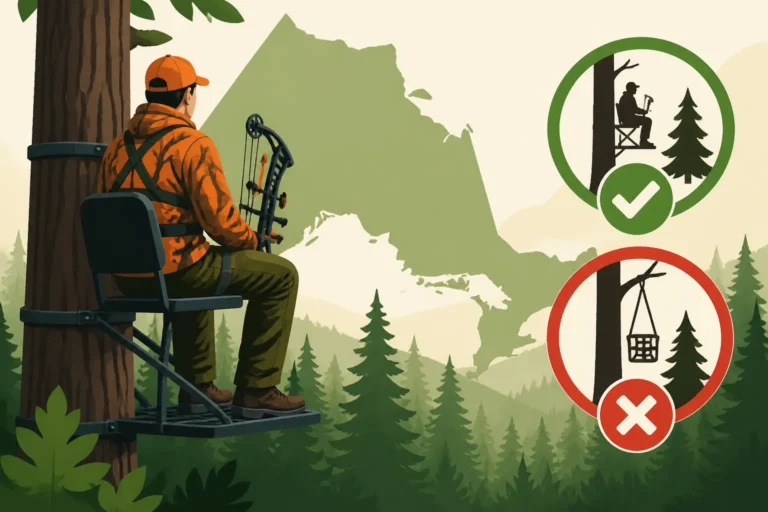
- Ambush Points: Look for areas where the rail trail crosses active deer trails, especially where those trails enter or exit a bedding area or lead to a food source. These crossings are perfect ambush points for a treestand or ground blind. Consider hanging a stand on an Ontario bush edge, looking down on the trail.
- Still-Hunting: In quieter sections with good cover along the trail, still-hunting can be incredibly effective. Move slowly, step by step, pausing frequently to scan ahead and into the surrounding cover. The relatively clear path of the trail allows for quiet movement, but you need to be constantly aware of what's off the trail.
- Driving: If legal and safe in your area, and you have a small group, short drives can work well, especially on longer, straight stretches of trail. Position standers at one end where the trail enters a different habitat, and have drivers slowly push through the adjacent cover towards them. Remember to always prioritize safety when conducting deer drives with three or four hunters, especially with other trail users present.
- Rut Movement: During the rut, bucks will often cruise these trails, scent-checking for does. Setting up near a natural pinch point or a brushy intersection can pay off big time. Using grunt calls late in Ontario's rut can sometimes draw a curious buck in, especially if he's using the trail as a travel corridor.
Upland Birds and Small Game
Rail trails are also fantastic for smaller game, offering a mix of edge habitat, open areas, and varied vegetation.
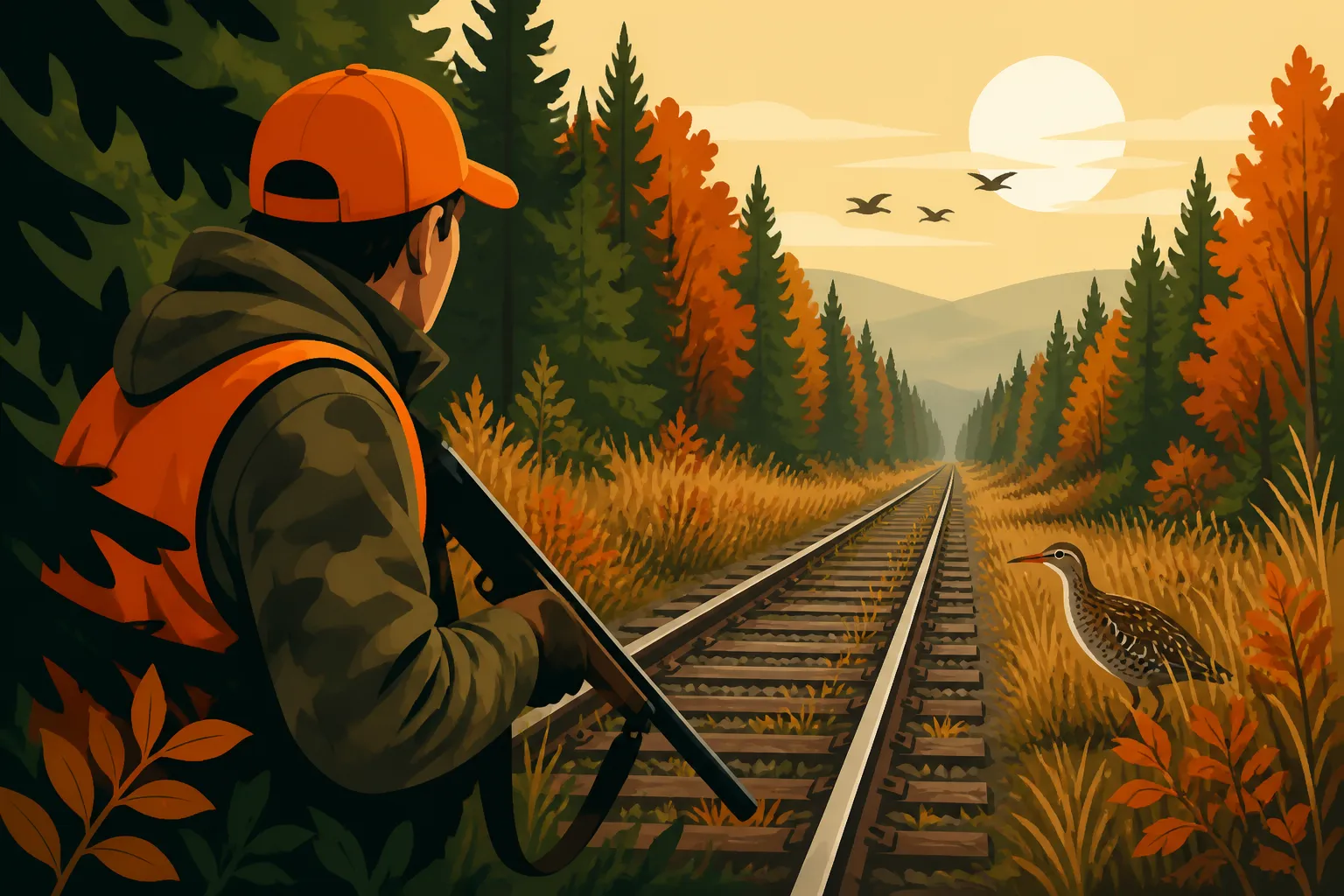
- Ruffed Grouse: These birds love the transition zones along old roads and trails. Look for ruffed grouse in areas where the trail borders mixed woods, especially near aspen stands or berry bushes. They'll often feed on the edges or dust themselves in sandy spots. Walking the trail slowly with a good flushing dog can be incredibly productive for Hunting Ruffed Grouse on an Ontario Bush Road.
- Snowshoe Hare and Cottontails: Dense thickets and downed timber along the rail trail's edge provide ideal cover for rabbits and hares. They'll often pop out onto the trail to feed or cross. Running beagles on Ontario snowshoe hare can be exhilarating, as the dogs will often push them along the linear cover.
- Woodcock: If the trail passes through moist, alder-lined bottoms, keep an eye out for woodcock. These migratory birds probe the soft earth for worms and can offer challenging, fast-flying shots.
Walk these trails slowly, keeping an eye on the edges and listening for flushing birds or rustling in the undergrowth. The relatively open nature of the trail allows for quick swings and shots, but always be mindful of what's beyond your target.
Predator Hunting Opportunities
Coyotes and foxes are opportunistic hunters and will readily use rail trails as travel lanes, hunting grounds, and territorial markers.
- Ambush and Calling: During dawn or dusk, coyotes are often on the move. Find a spot with good visibility along the trail, especially where it merges with dense cover or fields, and try calling. Calling Coyotes at First Light can be very effective, as the sound carries well along the open corridor. Set up so you have a clear shot down the trail and into the adjacent cover.
- Tracking: After a fresh snow, rail trails can be excellent for tracking coyotes or foxes. Their tracks will be clearly visible, often following the easiest path. You can often predict where they might enter or exit the trail based on the surrounding habitat.
- Stand Placement: If you can legally set up a blind or stand (check local rules!), positioning it to overlook a long, straight stretch of trail can give you a good chance at intercepting a cruising predator.
Remember that ethical predator hunting often involves careful shot placement and knowing your target and its background thoroughly.
Respecting the Resource and Other Users
Hunting on rail trails, which are often multi-use public corridors, comes with an elevated responsibility. It's not just about legal compliance, but also about maintaining a positive public image for hunters and ensuring everyone's safety.
Safety First: Public Access and Hunter Responsibility
Many rail trails are popular with hikers, dog walkers, cyclists, and even horseback riders. Your awareness of other users is paramount.
- Visibility is Key: Always wear ample blaze orange, even if it's not strictly required for the specific game you're after. How Much Blaze Orange Ontario Requires is a minimum; exceeding it on a rail trail is just plain smart. Make yourself as visible as possible.
- Know Your Backstop: The linear nature of rail trails means you need to be exceptionally mindful of your shooting lanes and backstops. A shot down a long, open trail might seem clear, but you must be certain of what lies beyond your target, especially if the trail curves or descends. Never shoot parallel to the trail if you can't see far enough to ensure no one is present.
- Communicate: If you encounter other trail users, be polite and friendly. A simple "Good morning" or "Just letting you know I'm hunting, have a safe walk!" can go a long way in building goodwill. If someone seems uncomfortable, consider moving to a less populated area or taking a break.
- No Hunting from the Trail: In most cases, discharging a firearm from a maintained trail or road is illegal. You should always be a few yards off the main path, ideally in dense cover, and only shoot across the trail when you have an absolutely clear and safe shot. Rules on shooting across a road are often very specific and may apply to these trails.
- Weapon Handling: Keep your firearm unloaded and cased (or your bow unstrung/uncased) when walking on the main, heavily used sections of the trail, especially if you anticipate encountering other users. Safety should always be your top priority.
Ethical Hunting and Environmental Stewardship
Hunting isn't just about bagging game; it's about responsible participation in conservation and respect for the environment.
- Leave No Trace: Pack out everything you pack in. This includes spent casings, food wrappers, and any trash. Leave the trail cleaner than you found it.
- Respect Boundaries: Even with digital maps, be absolutely certain of your property lines. Do not trespass, even for game retrieval, without explicit permission from the landowner. Ontario Trespass and Landowner Law is something every hunter should understand thoroughly.
- Game Care: If you harvest an animal, especially deer, be prepared to field dress it quickly and cleanly. Consider bringing a game cart or sled for easier extraction along the trail, as dragging a deer out of a swamp can be a monumental task. Have a plan for Meat Care in Ontario's Warm Early Seasons if you're hunting early in the fall.
- Report Violations: If you witness illegal activity, whether by other hunters or general public, report it to the authorities. Protecting these multi-use areas is everyone's responsibility.
Hunting a rail trail corridor can be a uniquely rewarding experience, blending accessible land with excellent game potential. With careful planning, thorough scouting, and a strong commitment to safety and ethics, these linear pathways can become some of your favourite spots in Ontario.
| Aspect of Hunting Rail Trails | Pros | Cons |
|---|---|---|
| Access | Often easy to access with parking at trailheads. Provides linear access into diverse habitats. | Legal access for hunting is not guaranteed; requires rigorous verification for each segment. |
| Game Movement | Natural travel corridors for deer, coyotes, and small game. Creates pinch points and funnels. | Predictable movement can make game wary of human presence, especially on busy trails. |
| Scouting | Relatively clear paths make walking and finding sign easy. Digital maps are highly effective. | Heavy public use can obscure game sign. Limited cover for stealthy approaches in some areas. |
| Hunting Strategy | Excellent for still-hunting, ambush points, and small drives. Good for upland birds and predators. | High potential for encountering non-hunters, requiring extreme caution and communication. |
| Safety & Ethics | Promotes high visibility and awareness due to public interaction. | Increased risk of conflicts with other trail users if safety and etiquette are not strictly followed. |
Disclaimer
This article is for general informational purposes only and does not constitute professional advice. Laws, prices and regulations vary by location and change over time. Consult a qualified professional for guidance on your specific situation.