Hunting a Bush Lot Beside a Farm
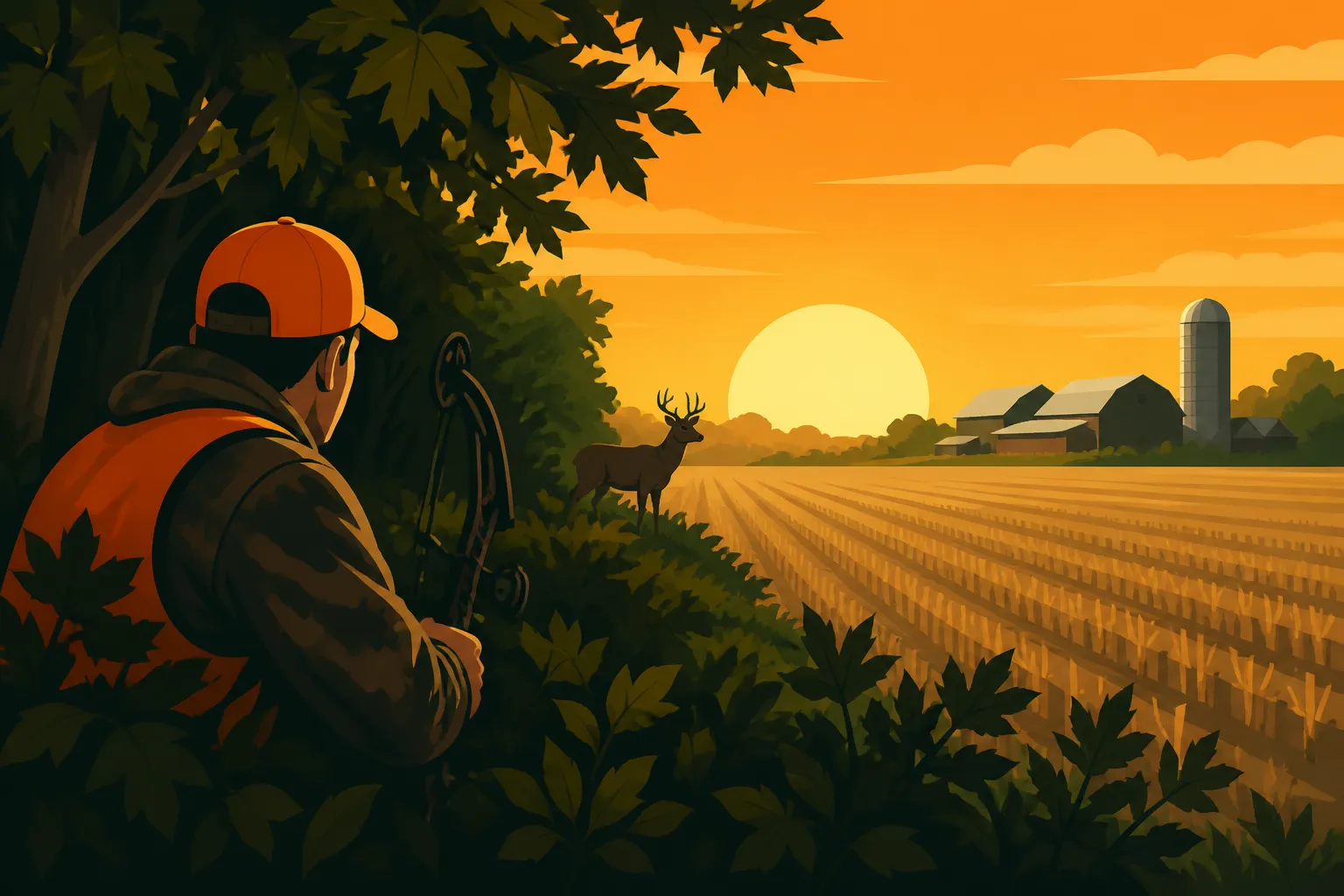
Hunting the fringes where dense bush rubs up against active farmland in Ontario is a scenario many hunters dream about, yet it presents its own unique set of challenges and opportunities. Deer, especially those big, cagey whitetails, absolutely thrive in these transition zones, using them as safe havens and food factories. But if you don't understand their patterns and the specific dynamics of these hybrid landscapes, you might find yourself walking right past prime opportunities. This guide is all about helping you unlock the potential of hunting an Ontario bush lot right next to a farm, from figuring out why deer love these spots to mastering your approach and ensuring you respect the land.
Why Farm-Edge Bush Lots Are Whitetail Magnets
These strips of forest, woodlots, or even just thick fencerows bordering cultivated fields are not just random patches of trees; they are intricate ecosystems that provide everything a deer needs to survive and thrive. Think of them as the ultimate convenience store for a whitetail. They offer a perfect blend of food, cover, and security, creating a dynamic environment that draws deer in, holds them, and dictates their movements throughout the hunting season.
The Allure of Abundant Food Sources
Farmland, by its very nature, is a massive buffet for deer. Crops like corn, soybeans, winter wheat, and even alfalfa provide a high-energy diet that allows deer to put on weight quickly, especially crucial as they prepare for the rut and the harsh Ontario winter. During the early season and into the late fall, deer will make regular forays out into these fields, particularly at dawn and dusk, to gorge themselves. The bush lot adjacent to these fields serves as their staging area, where they'll hang out just inside the tree line, browsing on natural forage and observing the fields before committing to feeding. This transition zone becomes a hotspot of activity, as deer filter in and out, feeling secure just steps away from dense cover. Hunting a Standing Corn Field Edge or Hunting a Soybean Field at Dusk can be incredibly effective when you understand this pattern.
The Sanctuary of Dense Cover and Bedding Areas
While the fields provide food, the bush lot offers the critical cover deer need to feel safe. This isn't just any cover; it's often a mix of mature timber, thick underbrush, cedar swamps, or dense stands of pines that offer thermal protection from the elements and visual security from predators, including hunters. Deer will bed down in these bush lots, especially on rises or in areas with good wind detection, allowing them to rest and digest close to their primary food source. They'll use the bush to escape pressure, ducking into the thickest parts when they sense danger. Understanding how deer utilize these bedding areas is key to intercepting them. A small, seemingly insignificant patch of bush can hold multiple deer if it provides adequate security. Hunting a Cedar Swamp Edge is a classic example of this kind of dense cover usage.
Natural Travel Corridors and Funnels
The intersection of bush and farm also creates natural travel corridors and funnels that deer use religiously. Deer are creatures of habit, and they will almost always take the path of least resistance or the path that offers the most cover when moving between bedding areas and food sources. A narrow strip of woods, a fencerow, a ditch line, or even a subtle dip in the terrain within the bush lot can become a superhighway for whitetails. These funnels concentrate deer movement, making them ideal locations for stand placement. Imagine a dense cedar hedge that connects two larger bush lots, running alongside a wide-open cornfield. Deer moving from one bush to the other will almost certainly use that fencerow as cover, especially during daylight hours. This predictability is a hunter's best friend. Hunting a Fencerow Between Two Fields is a perfect example of these travel routes.
Scouting Smarter: Unlocking the Secrets of the Edge
Successfully hunting these farm-edge bush lots isn't just about showing up during the season. It demands thorough, year-round scouting to understand the specific nuances of your hunting area. This isn't just about finding deer sign; it's about interpreting that sign in the context of the surrounding farmland and how it influences deer behaviour. You'll want to combine satellite imagery with boots-on-the-ground investigation, looking for those subtle clues that tell the real story.
Harnessing Aerial Imagery and Digital Tools
Before you even step foot in the woods, spend some serious time with satellite imagery. Tools like onX Hunt are incredibly valuable for this. You can easily identify property lines (crucial for farm country!), field boundaries, and the specific contours of the bush lot. Look for fingers of timber extending into fields, narrow strips of cover, pinch points, and natural funnels. Pay attention to how close the bush comes to different crop types – do certain fields border thicker cover? Are there old homesteads or abandoned apple orchards within the bush? Hunting an Apple Orchard Edge can be a goldmine if you find one. Use these digital maps to identify potential access routes that minimize disturbance, and mark hypothetical stand locations based on wind direction and deer movement patterns you anticipate. Even features like subtle elevation changes or wet spots can be visible from above and influence deer travel.
Boots-on-the-Ground Sign Reading
Once you have a good understanding of the layout from your maps, it’s time to hit the ground. Focus your efforts on the transition zone itself – where the bush meets the field. Look for heavily used trails entering and exiting the bush. These trails will often be worn down, with tracks from multiple deer. Don't just follow the obvious trails, though; look for subtle crossings or faint paths that indicate wary mature deer. Scrapes and rubs along the edge of the bush, especially during the pre-rut and rut, are clear indicators of buck activity. Look for clusters of rubs on smaller trees and scrape lines along field edges or internal bush roads. Bedding areas, often identifiable by flattened grass or leaves and concentrations of droppings, will usually be found just inside the thickest cover, offering deer clear views of the field. This ground scouting is where you confirm what your maps suggested and uncover the hidden gems. Reading Whitetail Sign in Ontario Hardwoods will help you interpret what you find.
Strategic Trail Camera Placement
Trail cameras are your eyes in the woods when you're not there, and they are especially effective when scouting farm-edge bush lots. Place cameras along suspected travel corridors, at the intersection of trails, or overlooking scrapes and rub lines. Positioning them about 15-20 yards inside the bush edge, facing the field, can capture deer entering and exiting. Be mindful of scent control when setting up and checking cameras, as deer in these areas can be incredibly sensitive to human intrusion. Your cameras will not only tell you what deer are using the area but also when they are moving. This intelligence is crucial for timing your hunts. If you're seeing a big buck consistently using a particular trail only after dark, you might need to adjust your approach or consider a different stand location. Conversely, if you're getting daylight photos, that's a prime spot.
Strategic Stand Placement and Tactical Approaches
With your scouting complete, the next step is to translate that knowledge into effective hunting strategies. This means smart stand placement, understanding the wind, and knowing when and how to hunt these dynamic environments. Remember, deer in these farm-edge locations are often under more pressure than their deep-woods counterparts, making their movements more deliberate and their senses more acute.
Mastering Wind Direction and Scent Control
Wind direction is paramount when hunting farm-edge bush lots. Deer will almost always approach food sources or travel with the wind in their favour, using their incredible sense of smell to detect danger. Your stand must be positioned so that your scent blows away from any anticipated deer movement. This often means having multiple stand locations to accommodate different wind directions. For instance, if deer typically move from the bush to the cornfield in the evening, you'd want a stand on the downwind side of their expected path. Similarly, your entry and exit routes should also minimize scent disturbance. Always hunt with the wind, or at least a crosswind, never with it blowing into the deer's anticipated approach. Employing strict scent control measures, from scent-eliminating sprays to laundry detergents, is also critical. Hanging a Stand on an Ontario Bush Edge gives more details on these considerations.
Optimizing Stand Location and Type
The type and location of your stand will depend heavily on the specific terrain and deer movement you've identified. Treestands are often ideal for overlooking field edges or funnels within the bush, offering a commanding view and keeping your scent above the primary travel paths. Look for key trees along rub lines, near scrapes, or at pinch points where deer are funneled. Ground blinds can also be highly effective, particularly in areas with limited suitable trees or if you need to quickly adapt to a change in deer behaviour. Set up your blind well in advance to allow deer to get used to its presence, and always ensure you have clear shooting lanes. Consider placing stands at different distances from the field edge; some deer will enter the field immediately, while older bucks might linger just inside the bush, scent-checking before committing. Hunting the rut, especially, can bring bucks cruising these edges looking for does. Hunting the Rut in Early to Mid November is a key time to be in these spots.
| Location Type | Advantages | Disadvantages | Best Hunting Conditions |
|---|---|---|---|
| Bush Edge | First access to deer leaving cover for feed | Can be exposed to field of view | Evening hunts, prevailing wind away from field |
| Internal Bush Funnel | Catches deer moving between bedding/feed | Requires deeper penetration, stealth | Mornings/evenings, less wind-dependent |
| Fencerow/Thick Hedgerow | Concentrates movement, offers cover | Limited stand options, small cover footprint | Anytime deer are moving between larger woodlots |
| Bush Island in Field | Prime bedding/staging, attracts pressured deer | Difficult access without detection, limited size | Mid-day, when deer are seeking security |
Strategic Entry, Exit, and Timing
Your approach to and from your stand can make or break a hunt in these sensitive areas. Always plan your entry and exit routes to be as quiet and undetected as possible. This often means walking along ditch lines, through deeper cover, or at times when deer are least active. For evening hunts, approach from a direction that keeps your scent out of the field and the bush. For morning hunts, consider setting up before daylight, again, with the wind in mind, anticipating deer returning to cover. Timing is also critical. Early morning and late evening are prime times, but don't discount midday during the rut, when bucks are actively cruising for does. Over-hunting a single spot, especially close to a field edge, can quickly educate deer and push them into nocturnal patterns. Be patient, move sparingly, and know when to let a stand rest. Sitting All Day in an Ontario Blind can be very effective if you're targeting those midday rutting movements.
Respecting Boundaries and Building Relationships
Hunting a bush lot beside a farm often means hunting near or on private land. This is a privilege, not a right, and maintaining positive relationships with landowners is paramount. Ignoring property lines or being disrespectful of a farmer's livelihood can quickly lead to lost hunting opportunities for everyone. It’s about being a responsible, ethical hunter and a good neighbour.
Securing Permission and Understanding Property Lines
The absolute first step before even thinking about scouting is to secure permission from the landowner. Knocking on Doors in Southern Ontario is a time-honoured tradition for a reason. Be polite, introduce yourself, and clearly explain your intentions. Offer to help with chores, share game meat, or simply check in with them periodically. Once permission is granted, confirm the exact property lines. This is where tools like onX Hunt are indispensable, showing you precisely where one parcel ends and another begins. Even if you're hunting Crown Land that borders a farm, know exactly where that border is. Nothing will sour a relationship faster than accidentally trespassing, or even having your vehicle parked on a farmer's access lane without permission. Respect private property, whether it's fenced or not, and never assume access.
Ethical Hunting Practices and Respectful Conduct
Beyond legal permission, ethical conduct is key. This includes adhering to all hunting regulations, making clean, ethical shots, and promptly tracking and recovering any game. If a deer crosses onto a neighbouring property (where you don't have permission), you must gain permission before pursuing it. This can be awkward, but it's the right thing to do. Always leave the land better than you found it; pack out all your trash, including spent shell casings and wrappers. Be mindful of crops; do not walk through standing crops or drive vehicles where you shouldn't. If you harvest a deer, offer to help the landowner with any tasks that might prevent them from having to deal with the carcass. Even small gestures, like closing gates behind you or letting them know when you'll be on their property, build trust. Ontario Trespass and Landowner Law outlines your legal obligations.
The Value of Communication and Trust
Building a long-term relationship with a landowner is invaluable. It’s not just about getting access to hunt; it’s about becoming a trusted presence. Regular communication is vital. Let them know when you plan to be hunting, and if you have success, share your story and, perhaps, some of the harvest. If you notice anything out of place on their property, like damaged fences or suspicious activity, report it to them. This kind of partnership ensures that you retain access for years to come and demonstrates that hunters can be responsible stewards of the land. Remember, you represent all hunters when you interact with landowners, so make that impression a positive one. This respect extends beyond the property lines, influencing how the broader community views hunting.
Disclaimer
This article is for general informational purposes only and does not constitute professional advice. Laws, prices and regulations vary by location and change over time. Consult a qualified professional for guidance on your specific situation.