Hunting Ontario’s Managed Forest Land
Ontario Managed Forest Tax Incentive Program properties offer hunters improved wildlife habitat and private land access rules.
Find ground you can hunt.
National forest, BLM, and state land — WMAs, walk-in programs, unit boundaries, access rules, and how to get permission on private ground.

Ontario Managed Forest Tax Incentive Program properties offer hunters improved wildlife habitat and private land access rules.
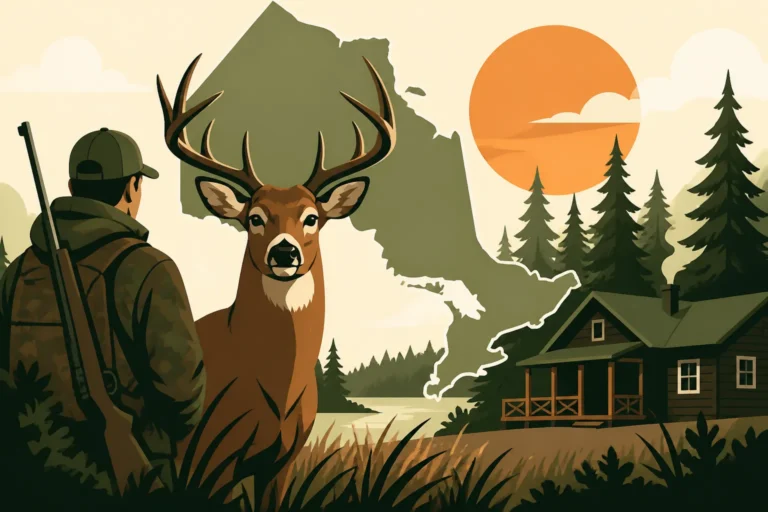
Ontario deer camps and hunt clubs provide reliable land access, shared cabins, and social traditions for hunters across the province.

Ontario landowner relations help hunters access private property, follow the Trespass to Property Act, and avoid crowded public land.
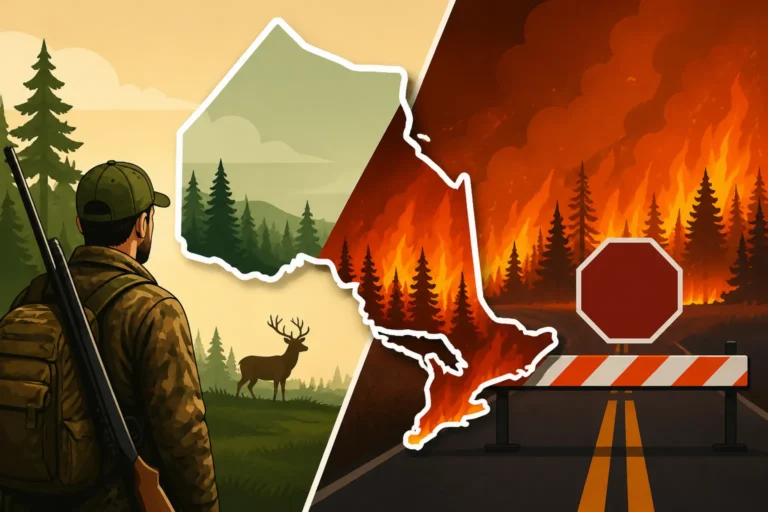
Ontario wildfires and road closures can disrupt hunting trips, affecting forest access, wildlife habitats, and Wildlife Management Units.

Ontario fly-in and boat-in camps provide remote backcountry access to healthier game populations with reduced hunter pressure.
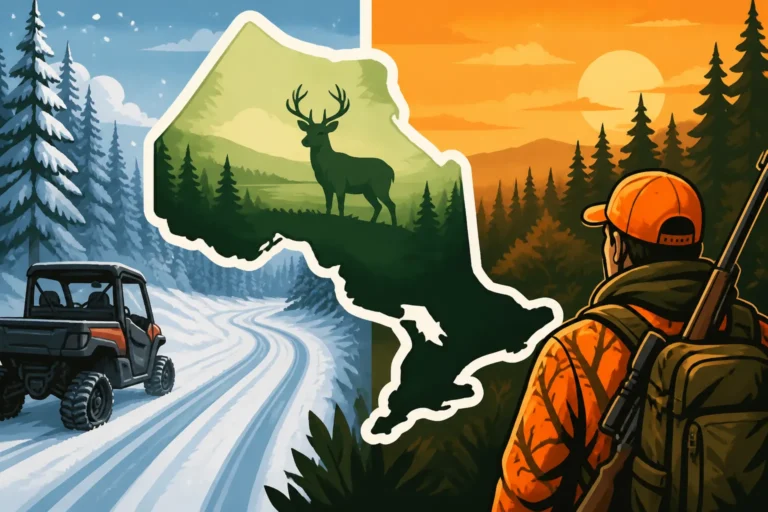
Ontario bush roads and winter access routes provide hunters pathways to remote Crown land, logging operations, and private camps.
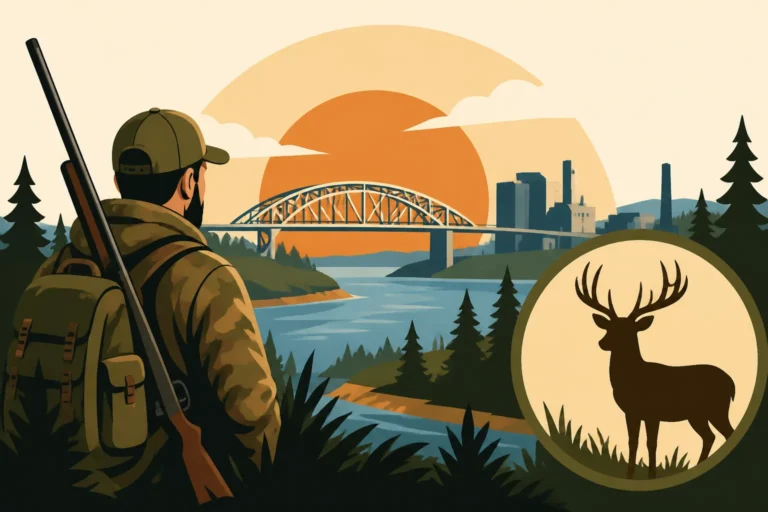
Hunting access near Sault Ste Marie involves navigating Crown land, diverse Algoma habitats, and regulations for deer, moose, bears, and birds.
Hunting access near North Bay requires navigating Crown land and Wildlife Management Units 41 and 42 for moose and bear.

Hunting access near London, Ontario involves navigating private farms and Wildlife Management Units to find white-tailed deer.
Ontario hunting access near Ottawa involves navigating public lands, private properties, and game species across the Ottawa Valley region.