Hunting the Algonquin Fringe
Finding good hunting ground on the edges of a sprawling, iconic wilderness like Algonquin Provincial Park can feel like trying to decipher a secret code. You know the wildlife is there, drawn by diverse habitats and fewer roads, but distinguishing huntable land from protected zones, and understanding how game moves through these transition areas, is a unique challenge that many Ontario hunters face. This guide will walk you through the nuances of hunting the Algonquin Fringe, helping you unlock its potential and navigate its complexities.
Understanding the Algonquin Fringe Ecosystem
The Algonquin Fringe isn't just a boundary line on a map; it's a dynamic ecological zone that offers some truly unique hunting opportunities. It’s where the heavily protected environment of Algonquin Provincial Park bleeds into Crown Land and private holdings, creating a blend of wilderness and human influence. This transition creates incredibly rich and varied habitats that attract a wide array of game.
Geographical Layout and Terrain
Imagine the vast, rugged landscape of the Canadian Shield meeting the slightly more settled (but still very wild) areas surrounding the park. This is the Algonquin Fringe. You'll find a mix of ancient, glacially scoured rock ridges, deep forests dominated by hardwoods and conifers, winding rivers, countless small lakes, and extensive wetlands. The terrain can be incredibly challenging, with steep inclines, dense underbrush, and vast tracts of unbroken forest. In the eastern and southern parts of the fringe, you might encounter more agricultural interfaces, old farmsteads slowly reverting to bush, and more established road systems. Further north and west, it leans more heavily into remote, rugged wilderness, demanding true bushcraft and physical stamina. This varied landscape is precisely what makes it so appealing to different species, but also so demanding for hunters. Hunting an Ontario River Valley and Hunting a Rock Ridge in Shield Country are common scenarios here.
Habitat Types and Their Appeal to Game
The magic of the Algonquin Fringe lies in its mosaic of habitats. You'll encounter mature hardwood ridges, often dominated by maple, oak, and birch, providing crucial mast crops for deer and bear, especially in the fall. Interspersed are stands of conifer – thick cedar swamps and pine plantations – offering vital winter cover and thermal protection for whitetails when the snow gets deep. There are also extensive mixed forests, beaver ponds, and regenerating cutovers that create ideal browse and cover. Moose often favour the wetter, more boreal-like pockets, especially areas with willow and aspen. Bears are drawn to berry patches and denning sites within these diverse forests, as well as the transition zones where human activity might provide incidental food sources. This rich biodiversity means you’re not just hunting a single type of terrain; you're often navigating several distinct micro-habitats within a single day's hunt, each holding different game at different times of the season.
Key Game Species and Their Habits
The Algonquin Fringe is a vibrant ecosystem supporting a range of game, each with its own preferred habitats and seasonal patterns. Understanding these can greatly increase your chances of success.
Whitetail Deer in the Fringe
While not typically known for the massive numbers found in southern Ontario's agricultural zones, the whitetail deer in the Algonquin Fringe are often robust, wild animals. They thrive on the diverse browse and cover offered by the mixed forests. In the early archery season, you'll often find them feeding in regenerating clearcuts, along field edges if you're closer to settled areas, or in natural openings where succulent forage is abundant. As the season progresses into fall, they'll concentrate around mast crops like acorns and beechnuts. During the peak of the rut, from late October through mid-November, bucks become much more active, searching for does. Hunting the Rut in Early to Mid November is a prime time. When winter hits hard, these deer will gravitate towards thick cedar swamps and conifer stands for thermal cover, often forming yards. Their movements can be influenced heavily by snow depth and available forage, making scouting for fresh sign – rubs, scrapes, and tracks – absolutely critical.
Black Bear Opportunities
The Algonquin Fringe is prime black bear country. These intelligent omnivores thrive in the vast, undisturbed forests and readily utilize the varied food sources. In spring, after emerging from their dens, bears are often found foraging on early green-up in wetlands or along south-facing slopes. As summer progresses, they shift to berry patches – blueberries, raspberries, and saskatoons are common. Come fall, leading up to denning, bears are intensely focused on building fat reserves, often targeting hard mast like acorns or any available agricultural crops on the fringes of settled areas. Hunters typically pursue bears over bait in both spring and fall seasons, but still-hunting or spot-and-stalk can also be effective, particularly near natural food sources or along game trails. Black Bear Hunting in Ontario offers excellent opportunities here, but remember to be acutely aware of your surroundings; these are powerful, wild animals.
Moose in Transition Zones
While core moose populations are found further north in Ontario's boreal forest, the Algonquin Fringe, particularly in its northern and western reaches, does hold resident moose. These animals prefer areas with abundant water and young deciduous growth, such as willow and aspen, which are common along lakeshores, river systems, and in regenerating burnt or cutover areas. Hunting Moose Around an Ontario Beaver Pond is a classic strategy. Moose in the fringe often use thick timber for bedding and thermal cover, especially during warmer periods or when feeling pressured. During the rut in late September and early October, bulls become vocal and active, making calling strategies effective. Calling a Bull Moose in the Rut can be an exhilarating experience. You'll often find them in isolated pockets, away from heavy human traffic, making scouting remote areas vital. Their immense size and preference for dense cover mean they can be incredibly challenging to locate and extract.
Upland Birds and Small Game
Don't overlook the smaller game opportunities the Algonquin Fringe provides! Ruffed grouse are abundant throughout the mixed forests, often found along old logging roads, bush edges, and clearcuts where young aspen and birch provide both food and cover. Ruffed Grouse Hunting Ontario's Bush Road is a classic approach. Woodcock also migrate through the area, concentrating in moist, alder-bottomed areas. For small game, snowshoe hare are plentiful in areas with dense coniferous regeneration, offering a fun, active hunt, especially in winter. Coyote populations are also healthy, often found patrolling the edges of forests and fields, providing year-round hunting opportunities. These smaller species can provide excellent hunting experiences, often in conjunction with big game hunts, and are a great way to explore the diverse habitats of the fringe without the same pressure or tag requirements as big game.
Navigating Public and Private Land Access
Hunting the Algonquin Fringe means dealing with a patchwork of land ownership. Understanding where you can and cannot hunt, and how to gain access, is paramount to a successful and legal hunt.
Crown Land Opportunities and Challenges
A significant portion of the huntable land around Algonquin is Crown Land, which is public land managed by the province. This offers fantastic opportunities for adventurous hunters willing to put in the effort. These vast tracts can be accessed for hunting, camping, and other recreational activities without specific landowner permission. However, finding good Crown Land isn't always easy. Many areas are remote, requiring significant travel and sometimes even canoe-in or hike-in access. Mapping tools like onX Hunt or GoHunt are invaluable here, allowing you to clearly see Ontario's Crown Land Access Rules and identify huntable areas, delineate property lines, and scout terrain features from home. You'll need to be aware of regulations regarding vehicle use, camping, and permanent treestands on Crown Land. The biggest challenge on Crown Land in the fringe is often pressure; easily accessible spots can get hammered, so plan to walk further, deeper, or use water access to find unpressured game.
Securing Private Land Permission
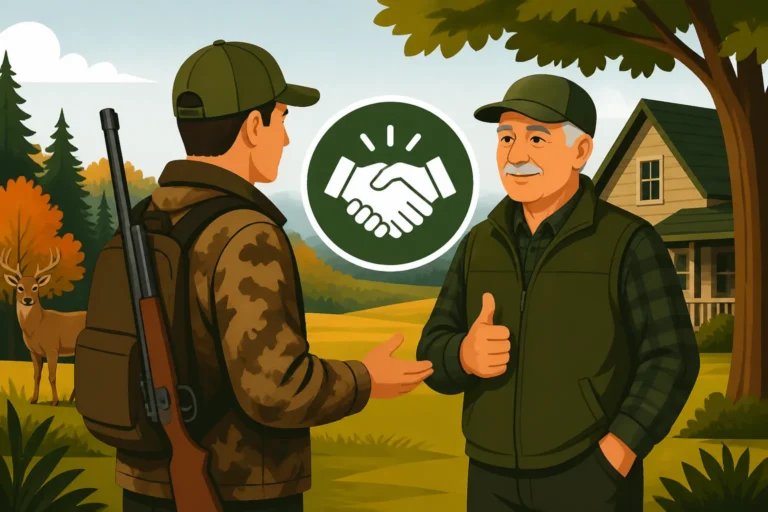
While Crown Land is abundant, some of the best hunting, particularly for deer, can be found on private land, especially closer to agricultural areas on the fringe's southern and eastern edges. Getting permission to hunt private property requires a respectful approach. Start by identifying landowners in areas you're interested in; often, this means knocking on doors, introducing yourself, and asking politely. Be prepared to explain your hunting ethics, how you plan to access the property, and your commitment to respecting their land. Offer to help with chores, share some game meat, or simply build a relationship. Even small, seemingly insignificant woodlots between fields can hold significant deer, especially during the rut. Patience and persistence are key, and a good reputation in the community goes a long way. Remember, Getting Private Land Permission in Ontario is a privilege, not a right.
Understanding Wildlife Management Units
Ontario is divided into numerous Wildlife Management Units (WMUs), and the Algonquin Fringe covers parts of several of these, each with its own specific season dates, bag limits, and regulations. It’s absolutely critical to know which WMU you are hunting in and to check the current year's hunting regulations summary for that specific unit. WMUs often have different archery, gun, and muzzleloader seasons, and in some cases, specific antlerless deer draw opportunities or controlled deer hunts. For moose, the fringe units are often highly sought after, with specific allocations for resident hunters. Mapping apps like onX Hunt or GoHunt usually display WMU boundaries, which can be incredibly helpful for planning. Before you even set foot in the woods, be sure you know Reading an Ontario WMU Map Before You Go and understand the legal framework for the area you intend to hunt.
Essential Gear and Strategies for the Fringe
Hunting the Algonquin Fringe isn't a walk in the park; it demands appropriate gear and adaptable strategies to match its diverse and often rugged environment. Being prepared is half the battle.
Scouting and E-Scouting the Fringe
Successful hunting in the Algonquin Fringe starts long before opening day. Traditional boots-on-the-ground scouting is essential, but leveraging technology for e-scouting can save you countless hours. Using satellite imagery, topo maps, and land ownership layers from apps like onX Hunt or GoHunt, you can identify promising areas from home. Look for natural funnels, pinch points, bedding areas (often dense conifers), feeding zones (hardwood ridges, clearcuts), and water sources. Pin potential stand locations, travel corridors, and access routes. Once you have target areas, focus your physical scouting on verifying these spots, looking for fresh sign, and understanding how game animals are using the terrain. Pay attention to subtleties: faint trails, rub lines, or old scrapes can tell a story. In these big woods, a meticulous Scouting With Satellite Imagery in Ontario approach combined with fieldwork is a game changer.
Stand Hunting and Still Hunting Techniques
Both stand hunting and still hunting can be effective in the Algonquin Fringe, depending on the specific terrain and game you're after.
Stand Hunting: This typically involves placing a treestand or ground blind in a high-activity area, such as a major game trail intersecting a funnel, near a food source, or along the edge of a bedding area. For whitetails, finding these pinch points between diverse habitats is key. If you're on Crown Land, remember that rules apply to how long a stand can be left up, and often, permanent stands are not permitted. If hunting over bait for bear, a strategically placed stand offers a safe and elevated vantage point. The advantage of stand hunting is patience; you let the animals come to you.
Still Hunting: This method involves slowly and deliberately moving through the forest, pausing frequently to observe, listen, and glass for game. It’s particularly effective in the expansive, undulating terrain of the fringe, allowing you to cover more ground and adapt to game movement. This requires immense stealth, keen observation skills, and a deep understanding of wind direction. Still hunting is excellent for covering a hardwood ridge for whitetails or exploring the edges of a beaver flowage for moose. It also works well for flushing grouse along a bush road. The success of still hunting hinges on your ability to move quietly and to pick apart the cover ahead of you, blending into the environment.
Packing for Variable Conditions
The weather in the Algonquin Fringe, especially during hunting seasons, can be notoriously unpredictable. A warm, sunny October morning can quickly turn into a chilly, wet afternoon, and November can bring anything from mild rain to heavy snow. Layering your clothing is non-negotiable. Start with moisture-wicking base layers, add insulating mid-layers (fleece or down), and top it off with waterproof and windproof outer shells. Good quality, insulated, waterproof boots are essential, as you'll be traversing wet terrain, muskeg, and potentially snow. A reliable backpack is crucial for carrying extra layers, food, water, first-aid supplies, navigation tools, and game processing equipment. Always pack a fire-starting kit, a headlamp, and emergency signalling devices. For remote trips, consider a satellite communication device; cell service is often non-existent in the deeper bush. When you're kilometres from the nearest road, being self-sufficient is vital for What to Do If You Get Turned Around.
Planning Your Hunt and Staying Safe
The Algonquin Fringe, with its vastness and remote pockets, demands thorough planning and a strong focus on safety. Don't underestimate the wilderness.
Dealing with Remote Access
Some of the best hunting in the Algonquin Fringe is in areas that require significant effort to reach. This might mean long drives on unmaintained logging roads, strapping a canoe to your vehicle for a paddle-in hunt, or simply being prepared for extensive hiking. Before heading out, always communicate your hunting plan – your exact location, expected return time, and who you're with – to someone reliable back home. Have a fully charged phone, but don't rely on it for navigation or communication in remote areas; a GPS unit, compass, and paper map are non-negotiable backups. For vehicle access, be sure your truck or ATV is in top condition and carry emergency supplies like a shovel, tow strap, and extra fuel. The deeper you go, the more self-reliant you need to be.
Safety Considerations in Mixed Terrain
The diverse terrain of the Algonquin Fringe presents several safety challenges. Uneven ground, fallen trees, and rocky outcrops can lead to falls. Navigating dense bush can disorient even experienced hunters, making Hunting Ontario's Mixed Hardwood Bush tougher than it looks on a map. Always carry a whistle and know how to signal for help. If hunting with a partner or group, establish clear communication protocols and rendezvous points. Be acutely aware of your surroundings, especially if you're in bear country; carry bear spray and know how to use it. When crossing water, use extreme caution, especially in cold weather. Be mindful of other users of the land – other hunters, hikers, or trappers – and always wear sufficient blaze orange, especially during gun seasons, to maximize visibility.
Respecting Park Boundaries and Other Users
One of the most critical aspects of hunting the Algonquin Fringe is knowing and respecting the boundaries of Algonquin Provincial Park. Hunting is generally not permitted within the park itself, with some very specific exceptions for certain areas and times that change. Always consult the latest regulations and official maps to ensure you are hunting legally on Crown Land or private property, and not straying into the park. Apps like onX Hunt are excellent for clearly showing these boundaries. Furthermore, the fringe areas are used by many different groups: hikers, campers, canoeists, trappers, and other outdoor enthusiasts. Exercise common courtesy, maintain a low profile, and avoid any actions that could create conflict or give hunters a bad name. Being a responsible hunter means respecting the land, the wildlife, and all other users.
Table: Key Game Species and Preferred Algonquin Fringe Habitat
| Game Species | Preferred Habitat Types | Typical Forage/Attraction Points | Key Seasonal Movements/Considerations |
|---|---|---|---|
| Whitetail Deer | Mixed hardwood-conifer forests, cedar swamps, clearcuts, farm edges | Acorns, beechnuts, browse (maple, aspen), agricultural crops | Rut (Oct-Nov) active; winter yarding in thick conifers. Often near human interfaces. |
| Black Bear | Dense mixed forests, berry patches, wetland edges, regenerating burns | Berries (blueberry, raspberry), hard mast, early greens, carrion | Spring emergence (April-May); fall feeding frenzy (Sept-Oct) for denning. |
| Moose | Wetlands, beaver ponds, river systems, young deciduous growth | Willow, aspen, aquatic vegetation, balsam fir | Rut (late Sept-early Oct) vocal; often in remote, watery areas. |
| Ruffed Grouse | Young aspen/birch stands, old logging roads, bush edges, clearcuts | Buds, catkins, berries, insects | Often found along edges and transition zones, especially after leaf drop. |
| Snowshoe Hare | Dense coniferous regeneration, thickets, swamps | Twigs, buds, bark | Abundant in areas with good cover; cycles in population. |
Disclaimer
This article is for general informational purposes only and does not constitute professional advice. Laws, prices and regulations vary by location and change over time. Consult a qualified professional for guidance on your specific situation.