Getting Private Land Permission in Ontario
One of the biggest headaches for any hunter in Ontario, whether you're a seasoned veteran or just starting out, is finding consistent and productive hunting ground. While Crown Land offers vast opportunities, it can also be heavily pressured and might not always hold the game populations you're hoping for. That's why securing private land permission is often the golden ticket to better hunting, but it comes with its own set of challenges, from understanding complex trespass laws to simply knowing how to approach a landowner. This comprehensive guide will walk you through everything you need to know to respectfully and effectively gain access to private property for your next hunt.
Understanding the Lay of the Land: Why Private Land Matters in Ontario
Hunting in Ontario is a fantastic experience, offering a huge diversity of game and landscapes. However, not all land is created equal, and where you choose to hunt can dramatically impact your success and enjoyment. Many hunters gravitate towards private land because it often provides advantages that public land simply cannot, especially when it comes to quality game and a more solitary experience.
The Allure of Private Land: Quality and Exclusivity
Picture this: you've spent hours scouting a prime piece of bush, noticed heavy deer sign, maybe even seen a mature buck. Now imagine having that piece of land, or a significant portion of it, mostly to yourself. This is the dream private land offers. Often, private properties, particularly those in agricultural areas or with mixed forest, boast superior habitat and less human pressure than your typical Crown Land parcel. Farmers and rural landowners frequently have excellent habitat right in their backyards – thick fencerows, woodlots, creek bottoms, and standing crops that provide incredible food and cover for deer, turkeys, and small game. Because these properties aren't open to just anyone, the game animals living there can be less wary and less disturbed, leading to more natural movement patterns and, frankly, bigger, healthier animals. The exclusivity means you're not constantly bumping into other hunters, crossing paths with dog walkers, or finding your carefully placed trail cameras messed with. It's a quieter, more focused hunting experience, allowing you to really get to know a piece of land intimately.
The Limitations of Public Access: Where Crown Land Falls Short
While Ontario is blessed with vast expanses of Crown Land, it's not without its drawbacks. For starters, much of the readily accessible Crown Land, especially near population centres, can be heavily hunted. This means competition for prime spots, pressure on game animals, and sometimes, a less-than-ideal hunting experience. You might spend all morning hiking miles into a remote area only to find someone else has already set up shop. Furthermore, some of the most productive wildlife habitat, particularly for species like white-tailed deer and wild turkeys, is found in the agricultural regions of Southern Ontario, where Crown Land is scarce. These areas are rich in food sources and offer diverse cover, but access is almost entirely reliant on private landowner permission. While Hunting Ontario's Crown Land details the ins and outs of public land, it's essential to recognize that solely relying on it can limit your opportunities, particularly for certain species and trophy potential.
The Shifting Landscape: Urban Sprawl and Hunter Numbers
Ontario's population is growing, and with it comes increasing urban sprawl. What used to be productive farmland or mixed forest just outside a town is now often development, further shrinking the pool of available hunting land. This pressure, combined with a healthy interest in hunting, means that good land, both public and private, feels more competitive than ever. Hunters are looking for an edge, and private land permission provides that. It's not just about avoiding crowds; it's about adapting to a changing landscape where land access is becoming a more valuable commodity. Knowing how to respectfully seek and secure private land permission isn't just a nicety; for many, it's becoming a necessity to enjoy consistent, quality hunting experiences in Ontario.
The Legal Lowdown: Ontario's Trespass Laws for Hunters
Before you even think about approaching a landowner, it’s absolutely critical to understand the legal framework surrounding private land access in Ontario. Unlike some jurisdictions where "unposted" land is fair game, Ontario operates under different rules. Ignorance of the law is no excuse, and violating trespass laws can lead to hefty fines, loss of hunting privileges, and, perhaps most importantly, a tarnished reputation for all hunters.
What Constitutes Trespass in Ontario
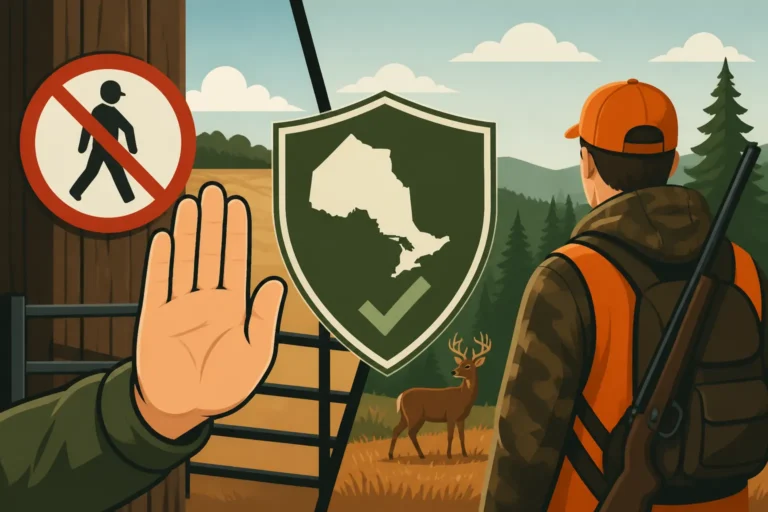
In Ontario, the law is quite clear: you need permission to be on private land. The Trespass to Property Act states that every person who is not acting under a right or authority conferred by law is a trespasser if they are on premises without the express permission of the occupier. This means that if a property isn't explicitly open to the public (like a public park), you need to ask. It’s not about whether a "No Hunting" or "Private Property" sign is posted; the responsibility is on you, the hunter, to ensure you have permission. This applies to walking, driving, scouting, and, of course, hunting. Assume all land is private unless proven otherwise. This proactive approach saves you from potential legal trouble and demonstrates respect for landowners. Understanding Ontario Trespass Law for Hunters is a fundamental step for any ethical hunter.
Posted Land and Signage Requirements
While permission is always required, signs do play a role. A "No Trespassing" or "Private Property" sign clearly communicates the landowner's intent, but its absence does not imply permission. If a property is posted with "No Hunting" signs, or any signs prohibiting entry, then hunting there is definitely off-limits. These signs serve as an extra layer of notification and can strengthen a landowner's case in the event of a violation. The onus is on the hunter to know who owns the land they intend to hunt and to secure that permission. Always be on the lookout for signs, but never rely on their absence as an invitation. When in doubt, don't enter – ask first.
Retrieving Game From Private Land: A Tricky Situation
So, you've made a great shot on a deer, but it runs off, and you watch it disappear onto adjacent private property where you don't have permission. This is a common, gut-wrenching scenario. Unfortunately, Ontario law does not grant you the automatic right to retrieve game from land where you don't have permission. Entering that property, even to retrieve your animal, is considered trespass. Your only legal option is to locate the landowner, explain the situation calmly and respectfully, and ask for permission to retrieve your animal. They are not obligated to grant it, but most will appreciate your honesty and diligence. If they deny access, or you can't reach them, you might be out of luck, which is a tough pill to swallow. This highlights the importance of having a plan in place for tracking wounded game, and ideally, having permission for adjacent properties or at least knowing who owns them. This tricky situation underscores the value of expanding your network of permitted properties. Sometimes, even having a simple handshake agreement with a neighbour could save your season. Retrieving Game From Private Land in Ontario covers this in more detail.
The Art of the Ask: Approaching Landowners with Respect
This is often the most intimidating part for many hunters. The thought of knocking on a stranger's door and asking for access can feel awkward, but with the right approach and mindset, it becomes a much more comfortable, and often successful, endeavor. Remember, you're not just asking for hunting access; you're asking for a privilege, and potentially forging a relationship.
Pre-Approach Reconnaissance: Doing Your Homework
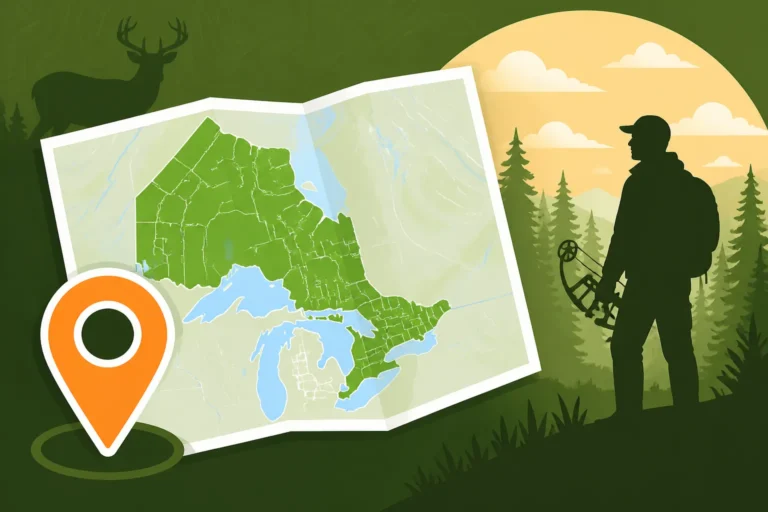
Before you even think about stepping onto someone's porch, do your homework. This isn't just about being polite; it's about showing respect for their property and saving everyone time. Start by identifying promising areas on maps. Look for agricultural fields with adjacent woodlots, creek bottoms, unmaintained areas, or properties that seem to hold good cover and food sources. Tools like satellite imagery (Google Maps, etc.) are invaluable here. Even better, dedicated hunting apps like onX Hunt allow you to overlay property lines, landowner names, and even parcel information directly on your map, often including mailing addresses. This is a game-changer! You can pinpoint exactly who owns a promising piece of ground without guessing. Another excellent resource for detailed mapping and scouting, which often integrates property data, is GoHunt. Knowing the landowner's name when you knock on the door, or having their address for a letter, immediately sets you apart and shows you've made an effort. Try to learn about the property itself: is it actively farmed? Does it have cattle? Are there homes close by? All this information helps you tailor your approach.
Timing and Presentation: Making a Good First Impression
Timing is everything. Don't show up in the middle of harvest, during dinner, or on a Sunday morning during church hours. Weekday evenings or Saturday afternoons are often good bets. Always approach landowners when they're not rushed or stressed. Dress respectfully – no full camo, no muddy boots. Think clean, casual, and presentable. A ball cap and a clean shirt are fine. Your vehicle should also be tidy; a truck overflowing with gear or mud-splattered might give the wrong impression. When you arrive, park somewhere that doesn't block their driveway or feel intrusive. If they have dogs, wait in your vehicle until they're called off, or approach slowly. Your goal is to convey professionalism and respect from the moment they see you. Remember, first impressions stick, and you want to present yourself as a responsible, courteous individual, not just "another hunter."
What to Say: Crafting Your Pitch
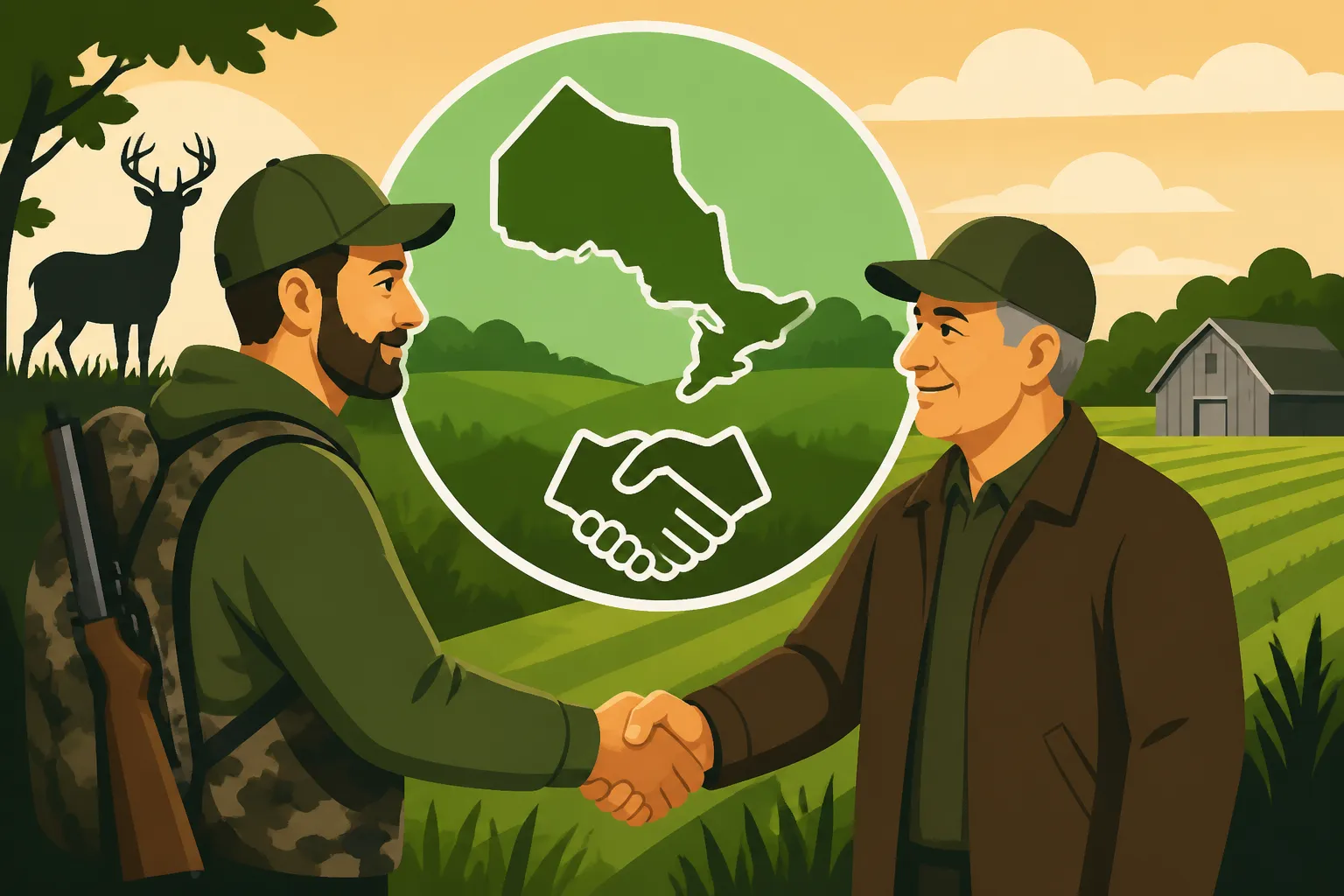
When they answer the door, introduce yourself clearly and state your purpose directly but politely. "Hi, my name is [Your Name], and I was wondering if you might consider letting me hunt deer on your property this fall." Be ready to answer questions. They'll likely want to know what you hunt, when you'd like to hunt, if you hunt alone or with others, and what kind of vehicle you'd use. Be honest and transparent. Reassure them you're safe, responsible, and will respect their property. Offer to provide references if you have them, or show them your hunter education card and Outdoors Card. Mention that you're happy to share any harvest with them (if you're comfortable with that idea) or help with small chores. Listen more than you talk. Sometimes, a landowner might have had bad experiences in the past, and giving them the space to express concerns is important. Your demeanor, eye contact, and genuine interest in their well-being will go a long way. If they say no, accept it gracefully. Thank them for their time and leave your contact information in case they change their mind or know someone else who might be amenable. A polite "no" today doesn't mean a "no" forever.
Here's a quick comparison of approaches:
| Feature | Direct Approach (Knocking) | Written Letter/Email | Indirect (Mutual Friend) |
|---|---|---|---|
| Pros | Immediate feedback, personal connection, read body language | Less intrusive, allows landowner time to consider, formal | Trusted introduction, pre-vetted, easier to get 'yes' |
| Cons | Can be intrusive, requires good timing, potential for rejection on spot | Less personal, can be ignored, easy to misunderstand tone | Requires existing network, limited by friend's connections |
| Best For | Local properties, quick decisions, building rapport | Distant properties, busy landowners, formal requests | Any property where a mutual connection exists |
| Considerations | Appearance, polite persistence, active listening | Clear language, contact info, follow-up plan | Don't burn bridges, respect friend's relationship |
Building and Maintaining Relationships: More Than Just a One-Time Ask
Securing permission is just the first step. The real art lies in maintaining that privilege and fostering a positive, lasting relationship with the landowner. Treat their property as if it were your own, and always remember that permission is a gift, not a right.
Offering Value: How You Can Help the Landowner
One of the best ways to solidify your permission is to make yourself valuable to the landowner. This doesn't mean doing their taxes, but offering practical help. Farmers are incredibly busy people, and a bit of assistance can go a long way. Offer to help with chores like mending fences, clearing brush, picking up garbage, stacking firewood, or even just keeping an eye on their property for anything suspicious when you're out hunting. For those with crop damage, you might be able to help reduce the impact by targeting specific problem animals, which is a huge benefit for them. If you’re a skilled tracker, offer to help them find a lost pet or track a wounded animal if they ever need it. Don't wait to be asked; offer your services proactively. A simple "Is there anything I can do to help out around here?" can open doors and strengthen your bond. Remember, Ontario Landowner Damage Compensation can sometimes be a concern for farmers, and you being there can potentially help mitigate some issues.
Communication is Key: Staying in Touch
Good communication is paramount. Always let the landowner know when you plan to be on their property. A quick text or phone call, "Hey [Landowner's Name], I was thinking of heading out to hunt for a few hours Saturday morning, is that alright?" shows respect and prevents any surprises. Inform them when you're leaving, especially if you harvested an animal. Share your successes! A picture of a deer you harvested or some wild turkey breast for their dinner can be a wonderful gesture. If you notice anything out of the ordinary on their property, like downed fences, unusual vehicles, or something broken, report it to them. You become an extra set of eyes and ears, adding another layer of security for their property. And if your hunting plans change, let them know. Never just assume you have indefinite access without checking in.
Respecting Boundaries and Rules: Don't Overstay Your Welcome
Every landowner will have their own set of rules and boundaries, and it's your job to understand and strictly adhere to them. This might include specific areas they don't want you to hunt, times they don't want you there (e.g., during specific farming operations), or even particular gates they want you to close. If they ask you not to drive past a certain point, respect it. If they prefer you don't use a certain tree for a stand, find another. Never bring extra hunters or guests without explicit permission. And absolutely never leave any trash, spent casings, or other evidence of your presence behind. The property should look exactly as it did before you arrived. Consider limiting your visits to the actual hunting season unless you have permission to scout or perform specific tasks. Overstaying your welcome or pushing boundaries is the quickest way to lose permission, not just for you, but potentially for other hunters down the line. Remember, Ontario Posted Land and Signage Rules apply to you once permission is granted if the landowner has specific areas marked off.
Leveraging Technology: Tools for Finding and Researching Private Land
In today's world, finding and researching private land for hunting is far more accessible than it used to be. Gone are the days of guessing property lines and landowner names. Modern technology, especially mapping applications, can give you a significant advantage in your quest for private land access.
Digital Mapping and Property Ownership Tools
This is where the real power of modern scouting comes into play. Digital mapping applications have revolutionized how hunters approach land access. Services like onX Hunt are invaluable. With a subscription, you can view detailed satellite imagery overlaid with accurate property lines, landowner names, and often parcel numbers. Imagine being able to zoom in on a promising woodlot, see the adjacent field, identify the landowner, and even get their mailing address, all from your phone or computer. This feature is not just convenient; it allows for highly targeted approaches. Instead of generic knocking on doors, you can identify specific parcels with excellent habitat and direct your efforts there. It's like having a private detective for hunting land. Another excellent tool, GoHunt, offers similar advanced mapping features, often catering to a broad range of hunting needs with detailed overlays and planning tools. These platforms also help you avoid accidental trespass, as you always know exactly where the property lines are, even in dense bush. Checking Reading Ontario Crown Land Layers on onX might give you an idea of how these tools work for public lands, but their private land features are even more powerful.
Satellite Imagery and Scouting From Afar
Even without premium subscriptions, free tools like Google Maps or other online mapping services offer powerful satellite imagery. You can spend hours virtually scouting potential properties from the comfort of your home. Look for patterns: where do fields meet forest? Are there old logging roads or creek beds that might funnel game? What kind of crops are being grown? Are there secluded pockets of cover that might serve as bedding areas? This allows you to identify high-potential properties before you even drive out there. You can mark potential access points, note prominent features, and get a general feel for the terrain. While satellite imagery doesn't replace boots on the ground, it significantly narrows down your search, making your on-the-ground scouting much more efficient. It also helps you visualize the property before you approach the landowner, allowing you to ask more informed questions.
Online Resources and Local Forums
The internet is also a rich source of information beyond mapping. Local hunting forums, Facebook groups, or community pages can sometimes offer insights into local land access, common practices, or even leads on landowners open to granting permission. Be cautious and discreet, though; broadcasting your intentions too widely might attract unwanted competition. Sometimes, local agricultural associations or rural community websites might have information about properties for lease or landowners seeking assistance with wildlife management. While these aren't direct routes to permission, they can provide valuable contextual information or indirect leads that help you in your search. Always cross-reference any information you find and use it as a starting point, not definitive truth.
Alternative Avenues to Private Land Access
While the direct knock on the door is a classic, it’s not the only way to gain private land access in Ontario. There are several other avenues that can lead to fantastic hunting opportunities, sometimes with less upfront legwork, though they might come with different costs or commitments.
Hunting Leases and Hunt Clubs
For hunters seeking guaranteed access to private land for an extended period, a hunting lease can be an excellent option. This involves a formal agreement with a landowner, typically for a fee, granting you exclusive hunting rights for a defined period (usually a season or a year). Leases can range from small woodlots to vast tracts of agricultural or forested land. The benefits are clear: guaranteed access, often to quality land, with reduced competition. The downside is the cost, which can vary wildly depending on location, size, and game potential. Ontario Hunting Lease Costs can give you an idea of what to expect. Many hunters pool resources to form hunt clubs, sharing the cost and responsibilities of managing a leased property. These clubs often establish rules for members, manage food plots, and maintain infrastructure. Joining an established hunt club is another way to gain access without the burden of finding and negotiating a lease yourself. This path requires a financial investment but provides a more predictable and often higher-quality hunting experience. Joining an Ontario Deer Camp or Finding an Ontario Hunting Lease might be helpful resources if you're considering this option.
Conservation Authority Lands and Municipal Forests
Ontario has numerous Conservation Authorities (CAs) and municipalities that manage significant tracts of land. Many of these properties, while publicly owned, have specific regulations regarding hunting. Some CAs or municipal forests allow hunting in designated areas during specific seasons, often requiring a separate permit or registration in addition to your provincial hunting licence. These lands can offer excellent hunting opportunities, particularly for small game, deer, and turkeys, and are often less pressured than pure Crown Land. It’s crucial to research each specific Conservation Authority or municipal forest property you're interested in, as rules vary widely. Always check their websites or call their offices for current regulations, permit requirements, and maps. These areas are a fantastic bridge between strictly private and strictly public land, offering managed access for hunters who do their homework. Remember, Hunting a Conservation Authority Property involves understanding their specific rules, which can be quite detailed.
Crop Damage Permits and Landowner Assistance
Farmers often face significant challenges from wildlife, particularly deer and geese, that can devastate crops and pastures. In some cases, the province issues "crop damage permits" to landowners, allowing them to mitigate these issues outside of regular hunting seasons or with additional tags. As a hunter, you might be able to offer your services to a farmer with a crop damage permit. This is a win-win: you get additional hunting opportunities, and the farmer gets help protecting their livelihood. This usually involves very specific rules about what can be harvested, when, and how, as it's directly tied to the permit. It often requires being on call and being able to respond quickly to a farmer's needs. Another form of landowner assistance involves helping manage nuisance animals or simply helping a farmer with chores in exchange for hunting privileges, as mentioned earlier. By being a resource to landowners, you open up opportunities that other hunters might overlook. This often requires building trust and proving your reliability, but the rewards can be significant.
Troubleshooting and Common Pitfalls: What to Do When Things Go Wrong
Even with the best intentions and the most respectful approach, you're bound to hit some roadblocks when trying to secure private land permission. It's important to understand why rejections happen and how to handle them gracefully, maintaining a positive image for yourself and the hunting community.
Dealing with Rejection Gracefully
It's inevitable: you will be told "no" by some landowners. Don't take it personally. There are countless reasons why a landowner might decline your request that have nothing to do with you. They might have already given permission to family or friends, they might not want hunting on their property at all, they might have had bad experiences with hunters in the past, or they simply might not be comfortable with the idea. When faced with a "no," respond with a polite "Thank you for your time, I understand." Don't argue, don't try to persuade, and absolutely don't show any frustration. A gracious acceptance of their decision leaves a positive impression, even if you didn't get what you wanted. Who knows, they might remember your respectful demeanor if their circumstances change in the future. Burning bridges with a landowner ensures you'll never get access and can make it harder for other hunters in the area.
Understanding Landowner Concerns and Objections
When a landowner hesitates or declines, try to gently inquire about their concerns. This isn't to argue, but to understand. Common objections include safety (e.g., proximity to homes, livestock, or children), liability fears, past negative experiences with irresponsible hunters, or simply not wanting their animals disturbed. If you understand their concern, you might be able to offer solutions. For instance, if safety is an issue, you could explain your safe hunting practices, offer to hunt only with a bow, or only hunt away from dwellings. If it's liability, you could offer to sign a waiver (though this may not fully absolve them of liability, it shows good faith). Sometimes, their "no" is softer than you think, and addressing a specific concern might turn it into a "maybe" or "yes." Be ready to reassure them about Ontario Trespass Law for Hunters and how it pertains to safety and responsibility.
Ethical Considerations and Reputation Management
As a hunter seeking private land access, you are an ambassador for the entire hunting community. Your actions, good or bad, reflect not just on you, but on all hunters. If you act irresponsibly, damage property, leave trash, or ignore rules, you don't just lose your own access; you make it harder for the next hunter who comes along. Conversely, if you are respectful, helpful, and responsible, you enhance the reputation of hunters and make landowners more likely to open their doors to others. Always prioritize safety, respect wildlife, follow all regulations, and never take advantage of a landowner's generosity. This includes things like not showing up with a large group unannounced, not driving ATVs off designated trails, and not cutting down trees for shooting lanes without permission. Building a positive reputation takes effort, but it pays dividends for years to come, not just for you, but for the future of hunting in Ontario.
Disclaimer
This article is for general informational purposes only and does not constitute professional advice. Laws, prices and regulations vary by location and change over time. Consult a qualified professional for guidance on your specific situation.