Where Deer Yard Up in Deep Snow
When those long, cold Ontario winters finally dig in, with snow piling up relentlessly, whitetail deer face an immense challenge. They don't just wander aimlessly through the deep drifts; they seek out very specific, critical habitats known as "deer yards." Understanding these winter havens is absolutely essential for any hunter, not just for ethical considerations, but also to truly grasp deer behaviour and survival. This guide will walk you through what deer yards are, why they're so vital, where you'll find them across our diverse province, and how hunters can respect and even contribute to their preservation.
Understanding Winter Yards: Why Deer Need Them
It's easy to look at a blanket of fresh snow and think it's beautiful, but for a whitetail deer, it often signals a brutal struggle for survival. Our Ontario winters are no joke, and deer have developed fascinating strategies to cope, with yarding being one of the most crucial. Without these protected areas, deer simply wouldn't make it through many of our colder seasons.
The Harsh Reality of an Ontario Winter
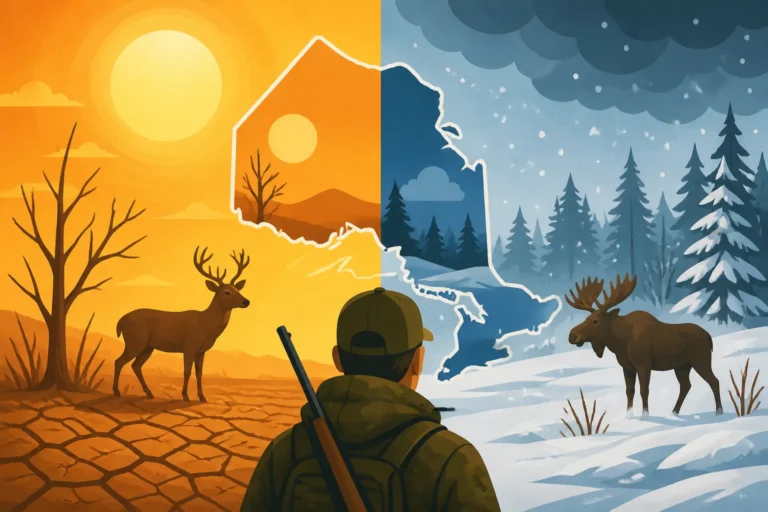
Imagine trying to walk through snow that's up to your waist, day after day, week after week. That's the reality for a whitetail deer when the snow gets deep. Every step is an effort, burning precious calories that are already in short supply. Then add in temperatures that can plummet well below freezing, wind chills that cut through everything, and the constant threat of predators like coyotes and wolves, which, ironically, often find easier going on top of a crusty snowpack than the deer do. This constant drain on energy is what drives deer to seek refuge. They can't afford to waste energy fighting through deep snow if they want to make it to spring.
The Physiological Toll of Deep Snow
It's not just the energy expenditure from moving; deep snow also makes foraging incredibly difficult. Most of the browse that deer rely on in winter – twigs, buds, and residual green vegetation – becomes buried under metres of snow. This scarcity of food, combined with the energy drain, means deer enter a state where they are slowly starving, even if they appear healthy in early winter. Their bodies are incredible at conserving energy, slowing down their metabolism, but there's a limit. If they can't find areas where movement is easier and food is more accessible, their fat reserves quickly deplete. This physiological stress makes them highly vulnerable to disease and predation, and it determines how many fawns a doe will carry and successfully raise in the spring. You can learn more about How Deep Snow Shapes Ontario Game by looking at how other species react too.
What Makes a Good Winter Yard
A prime deer yard isn't just any old patch of bush. It's a very specific combination of habitat features that offers shelter from the elements and access to food. The absolute most critical component is dense coniferous cover – think cedar, spruce, and fir trees. These evergreens intercept snowfall, creating shallower snow depths on the forest floor beneath their canopy. This makes it much easier for deer to move around and conserve energy.
Secondly, these areas need to offer abundant winter browse. White cedar, in particular, is a deer magnet because it provides highly palatable and nutritious forage that remains accessible even in moderate snow. Other important browse species include dogwood, maple, and aspen, but cedar is often king in a good yard. Lastly, a good yard often has varied topography, like south-facing slopes, which catch more sunlight and melt snow faster, creating warmer pockets and earlier access to ground forage when the weather breaks. Deer will concentrate in astounding numbers in these critical spots, often creating a network of well-worn trails, known as "deer runs," throughout the yard.
Types of Deer Yards Across Ontario
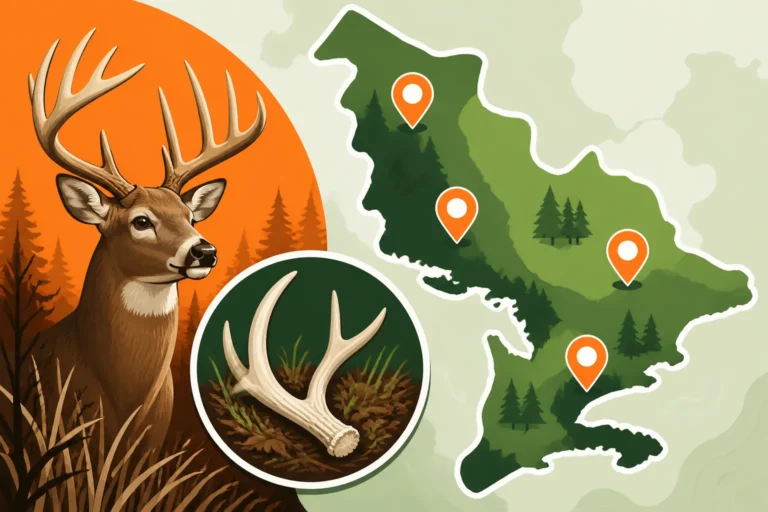
Ontario is a massive province with incredibly diverse landscapes, and just like our deer populations themselves, the characteristics of their winter yards change depending on where you are. From the agricultural heartland of the south to the rugged Canadian Shield and the vast boreal forest, deer find different ways to carve out their winter sanctuaries.
Southern Ontario's Agricultural-Adjacent Swamps
In the more populated and agricultural regions of Southern Ontario, deer yards often manifest as dense cedar swamps or mixed conifer stands located along river valleys, creek bottoms, or in larger, less disturbed woodlots adjacent to farm fields. These areas might not be as vast as their northern counterparts, but they are incredibly vital for the deer in these highly fragmented landscapes. Deer will often commute from nearby agricultural fields, where they've spent the fall feeding on corn and soybeans, into these swamps to escape the deep snow and harsh winds of open country.
Imagine a large, low-lying area, often a cedar swamp, nestled between two expansive corn fields. During the summer and early fall, deer are scattered, using the corn for cover and food. But come December, when the snow hits and those corn stalks are flattened, they funnel directly into that swamp. The dense cedars create a ceiling, holding back the snow and keeping the wind at bay. Here, they can move with less effort, and the cedar itself provides critical browse. Hunters familiar with these areas know to look for Hunting a Cedar Swamp Edge because that's where the deer will transition. These southern yards are often under intense pressure from development and human activity, making their preservation even more critical.
Central and Eastern Ontario's Mixed Forest Sanctuaries
Moving into Central and Eastern Ontario, where the landscape transitions from agricultural fields to more extensive mixed forests, deer yards become larger and often more integrated into the broader forest ecosystem. Here, you'll find yards in extensive cedar stands, often along significant river systems like the Ottawa River, or in the low-lying areas of the Canadian Shield, which still offer dense conifer cover. Areas with a strong component of hemlock or spruce mixed with cedar become crucial.
These yards might be less obvious from a road, requiring more scouting to locate. They often form in mature stands where the canopy is well-developed, offering superior snow interception. Deer in these regions might migrate longer distances from their summer range to reach these traditional yarding areas. It's not uncommon to find several smaller, interconnected yards rather than one massive one. Hunters who understand the terrain and Hunting an Ontario River Valley often find these critical wintering areas. The deer here are also adapted to feeding on a broader range of browse as they navigate the varied forest types.
Northern Ontario's Vast Boreal Havens
Northern Ontario presents the most dramatic examples of deer yards, largely because the winters are so much more severe and the snow depths so much greater. In the vast boreal forest, deer yard up in massive conifer swamps, often dominated by black spruce, tamarack, and white cedar, particularly in the Clay Belt region and along the extensive networks of rivers and lakes. These yards can span thousands of acres and are critical for the survival of deer populations across massive tracts of wilderness.
Here, the deer will travel considerable distances to reach these traditional wintering grounds. The density of the conifer cover is paramount. Without it, the snow would simply be too deep for deer to survive. These northern yards are often found in low-lying areas, sometimes bordering large muskegs or old logging cuts that have regenerated into dense young conifers. The sheer scale of these areas means that deer concentrations can be incredibly high. A good mapping tool, like the one offered by GoHunt, can be invaluable here for pinpointing these remote coniferous stands that often hold the key to winter survival. Understanding Hunting Ontario's Northern Lake Country means understanding these large deer yards. The challenge in these northern areas isn't finding deer, but accessing the remote yards and then navigating them safely.
How Hunters Can Identify and Respect Deer Yards
For hunters, understanding deer yards isn't just an academic exercise; it's a fundamental part of ethical and effective hunting, especially as seasons extend into late fall and early winter. Knowing where deer will gather and why those areas are critical for their survival should guide our decisions in the woods.
Scouting for Sign in Early Winter
The best time to identify potential deer yards is actually before the deep snow fully settles, or during mild periods in early winter. Look for dense coniferous cover, particularly cedar swamps or spruce thickets, in low-lying areas or along sheltered drainages. Walk the edges of these areas. As snow begins to accumulate, deer trails will become more evident, funneling into these protective covers. These will be distinct, well-worn paths, often packed down several inches or even a foot into the snow, indicating repeated use by many deer.
Beyond trails, look for concentrated browse lines. Deer will clip off twigs and buds as high as they can reach, creating a distinct "browse line" on trees and shrubs. The presence of numerous deer beds, often dug out of the snow, and a higher density of droppings are also clear indicators of a yard. Remember, deer are trying to conserve energy, so you'll find signs of them moving as little as possible once they're in a yard. This is particularly important when you're Reading Whitetail Sign in Ontario Hardwoods adjacent to potential conifer cover.
Using Mapping Tools to Predict Yard Locations
In today's age, technology is a huge asset for hunters. Satellite imagery and topographic maps, easily accessible through platforms like GoHunt, can be incredibly useful in predicting potential deer yard locations long before you ever set foot in the woods. Look for large, continuous blocks of dark green on satellite maps – these often indicate dense coniferous forest. Pay attention to elevation changes, looking for lower areas or sheltered valleys that might offer protection from wind and weather.
You can overlay different layers: topography, forest type, even historical logging cuts. GoHunt's detailed maps allow you to identify these areas and mark them for future scouting. By studying these digital maps, you can narrow down your search, saving precious time and effort. For example, if you see a large swamp marked as "cedar" on a forestry layer, or notice a particularly dense stand of conifers in a river bottom, these are prime candidates for a winter yard. This allows you to plan your hunt, understand deer movements, and identify areas that might be too sensitive to disturb. It's a huge advantage for ethical and strategic hunting. Don't forget to check Scouting With Satellite Imagery in Ontario for more tips.
Ethical Considerations When Hunting Near Yards
Hunting near deer yards, especially during periods of deep snow and extreme cold, comes with significant ethical responsibilities. Deer in yards are already under immense stress. Pushing them out of a yard, forcing them to expend precious energy fighting deep snow, can have serious consequences for their survival. While hunting within the legal season is permissible, a truly ethical hunter will understand the vulnerability of yarded deer.
Consider limiting your disturbance:
- Avoid deep penetration: Don't push deep into the core of a known yard, especially if you see numerous deer trails and beds.
- Hunt the fringes: Focus your efforts on the edges of yards, where deer might be moving in and out during brief thaws or to access richer browse.
- Quick recovery: If you do shoot a deer near a yard, make every effort for a quick, clean kill and an efficient recovery. A wounded deer running through deep snow can easily succumb to exhaustion and stress.
- Assess conditions: On particularly cold days with deep snow, consider if hunting around a yard is truly necessary or if you should seek out different areas with less concentrated deer activity.
It’s about striking a balance between enjoying the hunt and ensuring the long-term health of the herd. An educated hunter understands that the future of hunting depends on a healthy and resilient deer population, which directly correlates to their ability to survive the toughest parts of winter.
Protecting Deer Yards for Future Generations
The health of Ontario's deer population, particularly in areas susceptible to harsh winters, is inextricably linked to the integrity of its deer yards. These crucial habitats don't just happen; they require careful management and protection, and hunters have a vital role to play in ensuring their longevity.
The Role of Conservation in Yard Management
Conservation efforts are paramount in maintaining and enhancing deer yards. This often involves strategic forestry practices that prioritize the retention and regeneration of conifer stands, especially cedar and hemlock. For instance, selective cutting in surrounding areas can help stimulate new browse growth while leaving the dense canopy of the yard intact. In some cases, land acquisition and designation as protected areas specifically for winter deer habitat are undertaken by conservation authorities and provincial agencies.
These efforts aren't just about saving trees; they're about maintaining the entire ecosystem that supports wintering deer. This can include managing predator populations, controlling human disturbance, and even conducting supplementary feeding in extreme circumstances (though this is a complex and often debated practice). Hunters, through their licence fees and participation in conservation organizations, contribute directly to the funding and advocacy for these vital management programs. It's a testament to the idea that responsible hunting and conservation go hand-in-hand, ensuring that deer have a place to Hunting a Cedar Swamp Edge when winter bites.
Recognizing the Signs of a Stressed Yard
A healthy deer yard shows signs of use, but a stressed yard shows signs of overuse. If you're out in late winter and notice that every single palatable twig and bud has been stripped clean as high as a deer can reach, or that young cedar trees are severely stunted due to heavy browsing, these are red flags. Extremely high deer densities can lead to what's known as "browse line" where all vegetation below a certain height is completely eaten, leaving only bare stems and branches. This means the deer in that yard are running out of food.
Other indicators of stress include unusually high numbers of dead deer, particularly fawns, come spring melt, or deer that appear extremely emaciated. While these are less common, they are stark reminders of a yard in crisis. This over-browsing degrades the long-term health of the habitat, making it less effective for future generations of deer. Understanding these signs helps us appreciate the delicate balance in these winter havens and reinforces the need for careful management. Why Ontario Deer Numbers Swing often relates directly to the health and availability of these critical wintering areas.
Hunter's Responsibility in Winter
Beyond ethical hunting practices, our responsibility as hunters extends to being stewards of the land, especially concerning deer yards. This means advocating for habitat protection, supporting sustainable forestry practices, and educating other hunters (and non-hunters) about the importance of these areas. If you discover a highly stressed yard, reporting your observations to local wildlife management officials can provide valuable data for their management plans.
It also means making conscious choices about when and where we hunt. While specific regulations exist regarding hunting in or near yards, responsible hunters often take a more conservative approach during the harshest periods. This might mean shifting hunting pressure to different areas or focusing on other game species if conditions are particularly severe for deer. It's about respecting the animals and the critical role these yards play in their survival. Ultimately, a healthy deer population ensures a healthy hunting future for all of us. When planning your trips, remember to check Hunting Ontario Late When Snow Piles Up to understand the specific challenges and rules.
Conclusion
Deer yards are truly remarkable examples of nature's design and the resilience of whitetail deer in the face of Ontario's challenging winters. They are not just random patches of bush, but critical lifelines, providing shelter and sustenance when everything else is buried under snow. As hunters, understanding their importance, knowing how to identify them, and committing to ethical practices around them is paramount. By respecting these vital winter havens and supporting conservation efforts, we ensure that Ontario's deer populations continue to thrive for generations to come, allowing us to continue our cherished traditions in the bush.
Disclaimer
This article is for general informational purposes only and does not constitute professional advice. Laws, prices and regulations vary by location and change over time. Consult a qualified professional for guidance on your specific situation.