Why Caribou Ranges Keep Shrinking
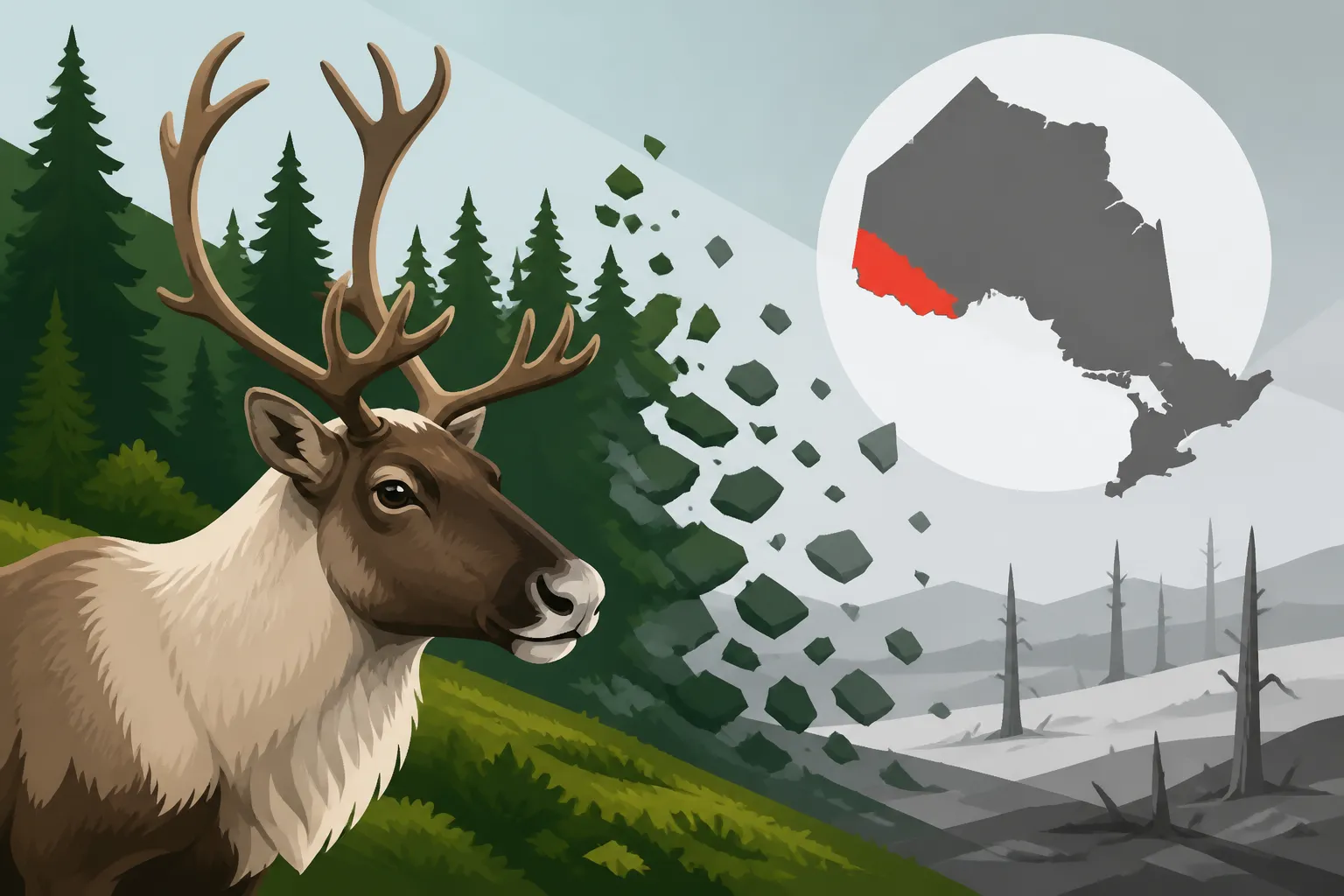
It's heartbreaking to witness the decline of woodland caribou across Ontario. These iconic symbols of our northern wilderness are facing incredible pressure, and their shrinking ranges are a stark reminder of the complex challenges facing our ecosystems. This guide will delve into the intertwined factors that are pushing Ontario's caribou populations into smaller and smaller pockets, from habitat destruction to shifting predator dynamics and the profound impacts of a changing climate.
The Complex Web of Habitat Loss
The majestic woodland caribou needs vast, undisturbed landscapes to thrive. Unlike deer, which prefer younger forests and agricultural edges, caribou depend on old-growth coniferous forests, peatlands, and bogs, rich in ground lichen – their primary winter food source. When these critical habitats are fragmented or destroyed, it's not just about losing trees; it's about severing the lifelines for an entire species.
Logging and Forest Fragmentation
One of the most significant historical and ongoing pressures on caribou habitat comes from resource extraction, particularly logging. When vast tracts of mature forest are clear-cut for timber, the unique microclimates and specific vegetation that caribou rely on are decimated. The dense, older forests provide cover from predators and deep snow conditions where caribou can efficiently move and forage for lichen. Once logged, these areas are often replaced with regenerating forests that, while vibrant, don't offer the same resources for many, many decades.
Think of it like this: a caribou is looking for a specific kind of old-growth grocery store, full of their preferred lichen. When an area is logged, that grocery store is gone, replaced by a new, different kind of store that mostly caters to other species, like deer, who prefer browsing on young shoots. This forces caribou to move, often into less ideal areas, making them more vulnerable. Moreover, logging operations bring in new roads and trails, which not only directly destroy habitat but also provide easier access for other animals and humans, further disturbing the caribou's secluded existence.
Mineral Exploration and Resource Extraction
Beyond forestry, the pursuit of minerals and other natural resources also leaves a significant footprint on caribou ranges. Mining operations require massive infrastructure, including new roads, power lines, processing facilities, and even towns. Even before a mine is built, exploration activities involve seismic lines and drilling pads, creating linear clearings through the forest.
These disturbances are particularly detrimental because they often occur in remote, previously untouched areas that caribou depend on. The resulting "scarring" of the landscape, much like logging roads, creates linear pathways that are easily travelled by predators, especially wolves. Caribou, evolved to evade predators in dense, complex terrain, find these open corridors a dangerous disadvantage. The sheer scale of some of these projects can carve up a caribou's home range into isolated islands, making it impossible for them to find enough food or escape predation effectively.
Linear Disturbances: Roads, Trails, and Hydro Lines
It's not just the big, obvious clear-cuts or mine sites that impact caribou. Even seemingly smaller linear disturbances can have a disproportionately large effect. Think of old logging roads that haven't quite grown in, new ATV trails, snowmobile routes, or vast hydro line corridors stretching across the landscape. These aren't just pathways for humans; they're superhighways for predators.
Wolves, for example, can travel much more efficiently along a cleared line or packed snowmobile trail than they can through deep snow and dense bush. This allows them to penetrate deeper into caribou ranges, increasing the likelihood of encounters and successful hunts. For caribou, who historically relied on vast, trackless wilderness to spread out and avoid predators, these linear features erode their natural defenses. It's a constant game of hide and seek, and with more "shortcuts" for the seekers, the hiders are at a severe disadvantage. Hunting Ontario's Crown Land often involves navigating these very systems, highlighting how human infrastructure pushes deeper into wild spaces.
Predator-Prey Dynamics and the Role of Other Species
Habitat change doesn't happen in a vacuum; it triggers a cascade of effects throughout the ecosystem. For caribou, one of the most devastating consequences is the alteration of predator-prey relationships, primarily involving white-tailed deer and wolves.
The Whitetail Deer Connection
This is a really critical piece of the puzzle. When logging creates early successional forests, it creates fantastic browse for white-tailed deer. Deer thrive in these areas, and their populations often boom. The problem? Deer carry a parasitic brainworm (Parelaphostrongylus tenuis), which is harmless to them, but lethal to caribou and moose. As deer populations expand into what was once exclusive caribou territory, they bring this parasite with them.
Caribou are extremely susceptible to brainworm. Once infected, they suffer neurological damage, leading to disorientation, paralysis, and eventually death. It's a cruel irony: the same habitat changes that provide food for deer inadvertently spread a deadly disease to the vulnerable caribou. This "apparent competition" – where one species (deer) benefits from habitat alteration and indirectly harms another (caribou) through disease – is a major driver of caribou decline. The changes in the forest also push caribou closer to areas with higher deer densities, increasing the chances of disease transmission. What CWD Means for Ontario Deer explores another disease affecting deer, but the principle of disease transmission impacting populations is similar.
The Wolf Factor and Shifting Boundaries
Where deer go, wolves typically follow. Wolves are highly adaptable and efficient predators, and thriving deer populations provide an abundant food source. As deer expand their range into boreal forests due to changing habitat, so do the wolves. Caribou, however, are not as well-equipped to handle high levels of wolf predation as deer are. Caribou have evolved a strategy of spacing out in vast, nutrient-poor areas, making them harder for wolves to find. They're also adapted to outrun wolves in deep snow.
But with fragmented forests, linear features providing easy travel, and a denser wolf population fueled by deer, caribou simply can't escape as effectively. The wolves, no longer restricted to traditional deer ranges, now have an easier time accessing and preying on caribou. It's a double whammy: more predators moving into caribou areas, and caribou being less able to use their natural evasion tactics due to altered landscapes. This change in dynamics dramatically increases the pressure on already struggling caribou herds. Hunting Wolves in Ontario's North provides more context on wolf populations and their habitat.
Other Predators and Scavengers
While deer and wolves are the primary drivers of this predator-prey imbalance, other animals also play a role, albeit a lesser one, in contributing to the challenges faced by caribou. Black bears, for instance, are opportunistic predators, and caribou calves can be vulnerable to bear predation, especially in areas where habitat fragmentation brings bears into closer contact with calving grounds.
Coyotes, though generally smaller and less of a direct threat to adult caribou, can still prey on calves and further stress vulnerable populations. Scavengers, while not direct predators, can also be drawn into caribou habitat by increased carrion from deer or other game, creating more animal activity and potentially disturbing caribou. The overall increase in generalist predators and other species that thrive in disturbed habitats creates a busier, more dangerous environment for a species that requires solitude and specific conditions to survive.
Climate Change and Environmental Shifts
As if habitat fragmentation and altered predator dynamics weren't enough, the overarching shadow of climate change is adding another layer of complexity to the caribou's struggle. The boreal forest, where caribou make their home, is particularly sensitive to changes in temperature and precipitation patterns.
Warmer Winters and Ice Conditions
Milder winters might sound pleasant to us, but for caribou, they can be disastrous. Caribou are perfectly adapted to deep, cold snow, which allows them to "crater" down to access their vital ground lichen and also hinders the movement of many predators. Warmer winters often mean less reliable snow cover, or snow that is crusty and icy, making it harder for caribou to forage. This also makes it easier for predators like wolves to travel, giving them an advantage.
Furthermore, thinner or less stable ice on lakes and rivers can impact caribou movements. Some caribou populations rely on frozen waterways to travel between isolated wintering grounds and calving areas, or to escape predators by moving onto large frozen expanses. Unreliable ice conditions disrupt these crucial migratory patterns and can expose them to greater risks. This shift in winter conditions is a direct challenge to their long-evolved survival strategies. How Deep Snow Shapes Ontario Game is a fascinating read about how game species adapt to these conditions.
Increased Incidence of Wildfires
Wildfires are a natural part of the boreal forest ecosystem, and some species are adapted to them. However, climate change is leading to hotter, drier summers and an increase in the frequency and intensity of large-scale wildfires. For caribou, these intense fires are overwhelmingly detrimental. Their preferred habitat – older, lichen-rich forests – takes many decades, often centuries, to regenerate after a severe fire.
Imagine a caribou population relying on a specific patch of old-growth forest for food and shelter. A massive wildfire can wipe that out in days, leaving a barren landscape that will be unsuitable for caribou for generations. While new growth might attract deer and other species, the slow-growing lichens caribou depend on won't return for a very long time. This destruction of foundational food sources forces caribou into even smaller, more constrained areas, exacerbating all other pressures. What Wildfire Does to Ontario Game Range dives deeper into this topic.
Shifts in Vegetation and Food Availability
Beyond the immediate impact of fires, more subtle, long-term shifts in vegetation are also a concern. As temperatures rise, the treeline in some northern areas might shift, and the composition of the boreal forest itself could change. Species of trees and plants that prefer warmer climates might gradually move north, potentially displacing the specific types of coniferous forests and peatlands that caribou need.
This could lead to a reduction in the abundance of terrestrial lichens, which are slow-growing and sensitive to environmental changes. If their primary food sources become less available or are outcompeted by other vegetation types, caribou populations will suffer from nutritional stress, making them less resilient to disease, predation, and harsh weather. It's a slow, creeping change that impacts the very foundation of their diet.
Human Footprint and Management Challenges
Ultimately, the shrinking ranges of Ontario's caribou are a testament to the ever-expanding human footprint and the complex challenges of managing vast, interconnected ecosystems. Our actions, both direct and indirect, have profound consequences for these sensitive creatures.
Increased Access and Human Disturbance
Every new road, every widened trail, every new outpost or camp pushes deeper into previously remote areas. This increased access, whether for resource development, tourism, or recreational activities like snowmobiling and ATV riding, inevitably brings more human disturbance into caribou habitat. Caribou are extremely sensitive to disturbance and prefer to avoid areas with human activity. When they are constantly pushed to the margins, it uses up valuable energy and can stress them, making them less able to cope with other environmental challenges.
For instance, a snowmobile trail running through a caribou's winter range might not directly harm the animal, but the noise and presence can cause them to move, potentially burning critical calories during a harsh winter when food is scarce. Even the visual presence of infrastructure can create a barrier for their movements. Understanding these subtle impacts is crucial for effective conservation. Tools like GoHunt can help users visualize habitat changes and access routes, which is vital for both conservation planning and responsible use of these landscapes.
Fragmented Management and Policy Gaps
Managing a species like caribou, which requires vast, interconnected landscapes, is incredibly challenging. Their ranges often span across multiple land use zones – Crown land, protected areas, and areas designated for resource extraction. This creates a patchwork of management objectives and policies. One area might be actively logged, while an adjacent area is considered critical habitat.
The difficulty lies in creating a cohesive, landscape-level conservation strategy that transcends these artificial boundaries. There can be policy gaps, competing economic interests, and a lack of unified action, which can hinder effective protection. Developing and implementing strategies that consider the caribou's needs across its entire range, rather than in isolated pockets, is a monumental task that requires broad cooperation and a long-term vision.
Conservation Efforts and Future Outlook
Despite the grim picture, there are dedicated efforts underway to protect and restore caribou populations in Ontario. These efforts often focus on habitat restoration, such as decommissioning old logging roads to reduce predator access, and implementing careful planning around new resource development projects to minimize fragmentation. Research continues to improve our understanding of caribou ecology, helping to inform better management strategies.
Conservation strategies also include identifying and protecting critical habitat, setting aside core areas where human disturbance is minimized, and working with industries to adopt more caribou-friendly practices. Ultimately, the future of Ontario's caribou depends on a collective understanding of their unique needs and a commitment to balancing economic activity with ecological integrity. It’s about recognizing that Ontario's Woodland Caribou Status is precarious and requires sustained effort.
| Factor Contributing to Caribou Range Shrinkage | Primary Impact on Caribou | How it Favours Competitors/Predators | Timeframe for Recovery (Habitat) |
|---|---|---|---|
| Logging/Forest Fragmentation | Loss of old-growth lichen-rich forest, increased disturbance | Creates young browse for deer, roads for wolves | Decades to centuries (for lichen recovery) |
| Mineral Exploration/Extraction | Direct habitat destruction, linear features, increased human presence | Provides linear travel routes for predators | Variable, often very long |
| Linear Disturbances (Roads, Trails) | Increased predator access, human disturbance, energetic cost for evasion | Easy travel for wolves, access for deer | Variable, depending on restoration efforts |
| Increased Deer Populations | Brainworm transmission, increased wolf numbers | Thriving food source for wolves | Dependent on deer population management |
| Increased Wolf Populations | Higher predation pressure, easier access to caribou | Follows deer expansion into boreal forest | Dependent on prey dynamics & human management |
| Warmer Winters | Difficult access to lichen, easier predator travel | Predators travel more efficiently, less snow buffer | Ongoing, long-term climate trend |
| Increased Wildfires | Destruction of old-growth lichen habitat | Creates early successional habitat for deer | Centuries (for lichen-rich forests) |
| Shifts in Vegetation | Reduced primary food availability (lichens) | Potential for other browse species to thrive | Long-term, ongoing climate trend |
| Human Disturbance | Stress, displacement, energetic costs | No direct benefit, but caribou avoid disturbed areas | Variable, depends on activity levels |
| Fragmented Management | Lack of cohesive, large-scale conservation efforts | Allows for localized impacts without broader strategy | Requires policy changes and cooperation |
Disclaimer
This article is for general informational purposes only and does not constitute professional advice. Laws, prices and regulations vary by location and change over time. Consult a qualified professional for guidance on your specific situation.