Beaver and Muskrat Numbers in Ontario
For anyone looking to understand the wild landscape of Ontario, whether you're a trapper, a hunter observing game movement, or just someone who enjoys the outdoors, figuring out the health and distribution of furbearer populations can feel like a guessing game. It's frustrating when you're trying to read the sign but don't have a baseline for what's normal or what to expect. This guide aims to pull back the curtain on beaver and muskrat numbers in Ontario, offering insights into their populations, habitats, and what influences their presence across our vast province.
Understanding Beaver Populations in Ontario
Beavers are, without a doubt, one of the most iconic and industrious residents of Ontario's waterways. Their engineering feats reshape entire landscapes, creating vital wetland habitats that benefit a myriad of other species. But how many are out there, and what does a healthy beaver population look like?
The Beaver's Ecosystem Role and Habitat
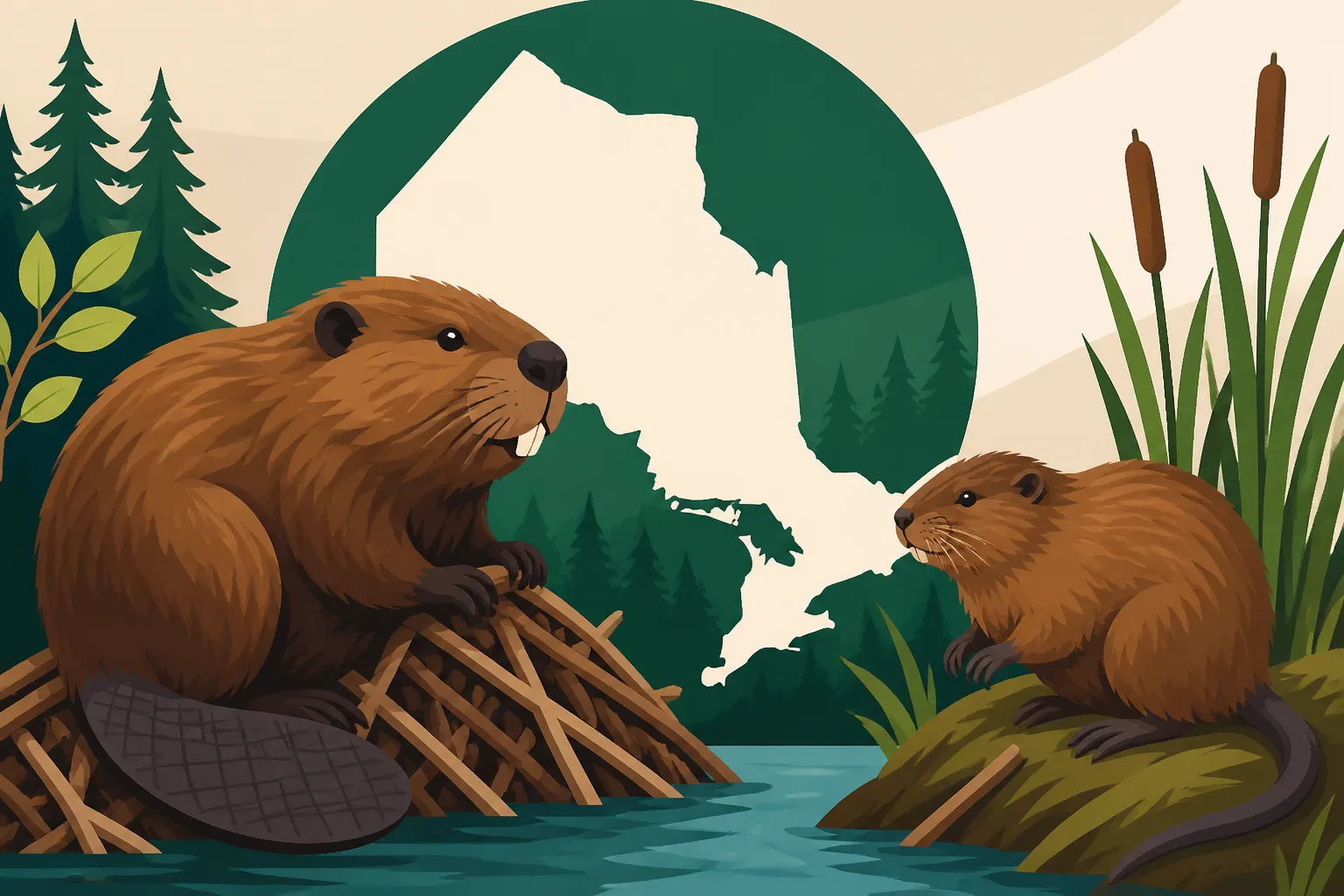
Beavers are true ecosystem engineers, and their presence is usually a sign of a thriving aquatic environment. They prefer slow-moving water, like streams, rivers, and small lakes, surrounded by deciduous trees such as aspen, willow, and birch – their primary food source. When they build dams, they flood areas, creating ponds and marshes that become nurseries for fish, amphibians, insects, and waterfowl. You'll often see ducks nesting in these flooded areas, and moose frequently browse on the succulent vegetation that grows along the new water's edge. This creates a whole new dynamic in the bush. For a trapper, finding these flooded areas can be key to a successful season, and for a deer hunter, it means recognizing critical water sources and browse for whitetails. Hunting a Beaver Dam Crossing can be incredibly productive, as these areas often funnel game.
Their work, however, isn't always permanent. Beavers will exhaust a food supply in an area, and eventually, the dam may fail or they will move on. This cycle of flooding and drying out means that old beaver ponds often revert to meadows, sometimes called beaver meadows, which also provide unique habitat for other wildlife. When you're scouting new ground, recognizing these historical sites can give you clues about past water flow and potential future beaver activity.
Tracking Beaver Density and Trends
Estimating the exact number of beavers across a province as vast as Ontario is a monumental task, but wildlife biologists and trappers rely on various methods to track their populations. Historically, beaver populations have seen their ups and downs, largely influenced by human trapping pressure and habitat availability. In the early days, they were nearly extirpated in some areas due to unregulated trapping for the fur trade. Thanks to conservation efforts and regulated trapping, their numbers have rebounded significantly.
Today, beaver populations are generally considered stable or increasing in many parts of Ontario, especially in areas with abundant food and fewer natural predators. You'll find higher densities in the Boreal Forest and parts of the Canadian Shield where there's plenty of water and preferred tree species. While specific provincial numbers aren't released like census data, local observations by trappers, landowners, and researchers provide a good indication. When I'm out in the bush, I often use mapping tools, like those found on GoHunt, to identify promising waterways and forest types that scream "beaver habitat." It helps me pinpoint potential locations even before I set foot on the ground, saving valuable scouting time.
Muskrat Dynamics: Small but Mighty
Often overshadowed by their larger, dam-building cousins, muskrats are another crucial component of Ontario's wetland ecosystems. These smaller furbearers are indicators of healthy marsh and aquatic vegetation, and their numbers, while fluctuating, are generally robust.
Muskrat Habitat Preferences and Diet
Muskrats are quintessential wetland inhabitants, preferring shallow marshes, slow-moving streams, and ponds with abundant aquatic vegetation. Think cattails, bulrushes, and water lilies – these are their bread and butter. Unlike beavers, muskrats are primarily vegetarians, feeding almost exclusively on these plants. They build smaller lodges, often dome-shaped piles of vegetation in shallow water, or burrow into banks along waterways. These bank dens are particularly common where suitable building materials for lodges are scarce or water levels are stable.
Their smaller size means they don't have the same dramatic impact on the landscape as beavers, but they are incredibly important in the food chain, serving as a food source for a wide range of predators, from mink and foxes to hawks and owls. For a trapper, knowing where these shallow, reedy waters are is crucial for setting effective sets. Hunting Ducks in an Ontario Cattail Marsh often puts you right in prime muskrat territory, where their presence confirms a healthy wetland ecosystem.
Population Fluctuations and Density
Muskrat populations are known for their cyclical nature, often experiencing boom-and-bust cycles that can see their numbers soar for a few years before declining. These fluctuations are often linked to factors like habitat availability, predation pressure, and disease. A mild winter with stable water levels and abundant vegetation can lead to a population explosion, while a harsh winter with freezing water and limited food can cause significant die-offs.
Across Ontario, muskrats are widespread. You'll find them in almost any wetland environment that provides the right combination of food and cover. Their adaptability allows them to thrive even in proximity to human activity, as long as their preferred wetland habitats remain. While you might not see them out in the middle of a dense hardwood ridge, any low-lying area with standing water and cattails is a potential muskrat haven. Trapping Ontario Furbearers Through Winter can often yield good numbers of muskrats, as their fur is prime during the colder months.
Factors Influencing Beaver and Muskrat Numbers
The populations of both beavers and muskrats are dynamic, constantly responding to a complex interplay of environmental conditions, human activities, and the presence of predators. Understanding these factors is key to appreciating their numbers in Ontario.
Environmental Conditions and Climate Change
Water levels are perhaps the most significant environmental factor for both species. Beavers need consistent water to maintain their dams and lodges, while muskrats rely on stable water for their dens and access to aquatic vegetation. Prolonged droughts can be devastating, forcing animals to move or perish. Conversely, excessive flooding can also displace them or destroy their structures. What a Hard Ontario Winter Culls can also significantly impact these species, particularly muskrats if shallow water bodies freeze solid, cutting off access to food and creating vulnerability to predators.
Climate change adds another layer of complexity. Milder winters might reduce mortality from freezing, but altered precipitation patterns could lead to more extreme droughts or floods, disrupting critical habitat. Changes in vegetation due to climate shifts could also impact food sources, forcing these animals to adapt or move.
Human Activities and Habitat Alteration
Human activity has a profound effect. Urban and agricultural expansion leads to wetland drainage and habitat loss, directly impacting where beavers and muskrats can thrive. Pollution from agricultural runoff or industrial discharge can degrade water quality, making an area uninhabitable. On the flip side, careful land management, such as protecting wetlands or creating artificial ponds, can support healthy populations.
Trapping, when managed sustainably, plays a role in population control. Ontario has regulated trapping seasons and quotas, which ensure that harvest levels are sustainable and don't negatively impact the overall population. This careful management helps to maintain a balance, preventing overpopulation in some areas while allowing numbers to recover in others. When considering trapping, it's always important to check Ontario Trapping Season Dates to ensure you're operating within legal frameworks.
Predation and Disease
Both beavers and muskrats are prey animals, and their numbers are naturally kept in check by a variety of predators. For muskrats, mink, foxes, coyotes, owls, and hawks are significant threats. Beavers, especially younger ones, can fall victim to wolves, coyotes, and even large bears. Ontario's Predators and Furbearers describes many of the animals that feed on these rodents. A healthy predator population is often a sign of a healthy ecosystem overall, but an explosion in predator numbers can certainly put pressure on prey species locally.
Disease outbreaks can also sweep through populations. For example, tularemia can affect muskrats, leading to localized die-offs. Parasites, like certain flukes, can also weaken individuals, making them more susceptible to predation or environmental stressors. These natural checks and balances are part of the wild world, and while they can lead to temporary dips in local numbers, they rarely threaten the overall provincial population.
Identifying Active Beaver and Muskrat Sign
For trappers, hunters, or nature enthusiasts, being able to read the land and spot active beaver and muskrat sign is an invaluable skill. It tells you about the health of the habitat and where to focus your efforts.
Reading Beaver Sign
When you're looking for beavers, you're looking for their work. Freshly cut trees, especially aspen, willow, or birch, with distinctive chisel marks, are a dead giveaway. You'll often see these cuttings along the water's edge. Dams are another obvious sign – look for fresh mud, sticks, and green vegetation added to them, indicating recent activity. Lodges, those impressive piles of sticks and mud in the water, should have a "smoky" appearance from their breathing hole in colder weather, and often a well-worn slide into the water.
In the warmer months, keep an eye out for scent mounds, which are small piles of mud and vegetation beavers create to mark their territory. Runways or slides on the banks, indicating where they enter and exit the water, will be worn smooth if regularly used. Scouting With Satellite Imagery in Ontario can often help identify potential dam locations and flooded areas before you even get on the ground, making your in-person scouting much more efficient. From my experience, a good set of binoculars and some patience along a promising waterway are your best tools.
Spotting Muskrat Indicators
Muskrat sign is a bit more subtle than a beaver's. Look for their smaller, conical lodges built from cattails and other marsh vegetation in shallow water. These lodges will often have small feeding platforms nearby. Along banks, search for burrow entrances, usually hidden just below the waterline. Small piles of chewed vegetation, particularly cattail stalks, are common feeding signs.
Muskrat "runs" or channels through dense marsh vegetation are also good indicators. These are narrow, clear paths they use to move through the reeds. In winter, look for "push-ups" – small domes of vegetation pushed up through the ice, allowing them access to air and food underneath. Observing these signs, especially when combined with a good topographical map or a digital mapping platform like GoHunt, can help you narrow down productive areas quickly. It's about looking for those distinct, tell-tale clues these little guys leave behind.
Conservation and Management Efforts
Ontario recognizes the ecological and economic importance of beavers and muskrats, and their populations are actively managed to ensure their long-term health and sustainability. This management involves a blend of regulations, monitoring, and habitat protection.
Regulated Trapping and Quotas
Trapping plays a vital role in the management of furbearer populations. By setting specific seasons and, in some cases, quotas, the province ensures that trapping pressure is sustainable. This helps to prevent overpopulation, which can lead to habitat degradation and increased disease transmission among the animals themselves. Trappers are required to have the appropriate licences, such as an Ontario Trapping Licence, and adhere to strict rules regarding methods, reporting, and season dates.
The data collected from trapper harvest reports provides crucial information to wildlife managers, helping them assess population trends and adjust regulations as needed. This cooperative effort between trappers and wildlife agencies is a cornerstone of furbearer conservation in Ontario. It's not just about harvesting; it's about maintaining a healthy balance in the ecosystem.
Habitat Protection and Restoration
Protecting and restoring wetland habitats is fundamental to maintaining healthy beaver and muskrat populations. Organizations and government agencies work to conserve existing wetlands, prevent their drainage, and sometimes even restore degraded areas. This often involves working with landowners to implement beneficial management practices that protect water quality and aquatic vegetation.
For example, initiatives that involve planting native species along shorelines help stabilize banks and provide food sources. Recognizing the value of How Beaver Ponds Concentrate Game for other species also highlights the importance of letting these engineers do their work where possible. By safeguarding these vital habitats, Ontario ensures that beavers and muskrats continue to thrive, playing their essential roles in our diverse ecosystems. It's a long-term commitment, but one that yields significant benefits for all wildlife in the province.
Disclaimer
This article is for general informational purposes only and does not constitute professional advice. Laws, prices and regulations vary by location and change over time. Consult a qualified professional for guidance on your specific situation.