Where Wolf Hunting Is Closed in Ontario
Trying to figure out where you can and can't hunt wolves in Ontario can feel like navigating a maze, with different rules depending on where you are in our vast province. It’s frustrating when you just want clear answers, especially when you know how important proper wildlife management is. This comprehensive guide is here to shed light on exactly where wolf hunting is closed in Ontario, why these specific regulations exist, and what every responsible hunter needs to know to stay on the right side of the law.
Understanding Ontario's Approach to Wolf Management
Ontario is a huge province, and with that comes a diverse range of ecosystems and wildlife populations, including various canids. While many hunters are keen to pursue predators, the provincial government takes a nuanced approach to wolf management, especially when it comes to certain unique populations. It’s not a simple case of open or closed across the board, which can definitely add to the confusion. We've seen significant shifts in understanding and policy over the years, aiming to protect vulnerable species while allowing for sustainable hunting where appropriate.
The Algonquin Wolf and Its Unique Status
One of the biggest reasons for specific wolf hunting closures in Ontario revolves around a particular species: the Algonquin wolf. This isn't just any wolf; it's genetically distinct and is found predominantly in and around Algonquin Provincial Park. It’s a medium-sized canid, often mistaken for a large coyote or even a grey wolf, but it carries a unique genetic signature that scientists have worked hard to identify and understand. The scientific community and conservationists have highlighted the Algonquin wolf's vulnerability due to its smaller population size and the potential for hybridization with coyotes and eastern grey wolves. This distinct status means it receives special protection under provincial law.
Because of this unique standing, the hunting of Algonquin wolves, or any wolf that might be an Algonquin wolf, is strictly prohibited in certain areas. This isn't just about protecting a species; it's about preserving a key part of Ontario's biodiversity. Hunters need to be acutely aware of this distinction. If you encounter a canid in an area known to host Algonquin wolves, the safest and most responsible action is to err on the side of caution and not harvest it. The province has put these measures in place to help ensure the long-term survival of this particular wolf. You can learn more about this specific species in our article The Algonquin Wolf and Its Protection.
Broader Wolf and Coyote Management in Ontario
Beyond the Algonquin wolf, Ontario has a robust population of eastern coyotes and eastern grey wolves across much of the province. These populations are generally healthy, and outside of specific protected zones, hunting opportunities exist for both species. The general regulations for wolf and coyote hunting typically fall under a combined framework, meaning they often share similar seasons and licence requirements. However, it's crucial to remember that this "general" framework does not override the specific protections afforded to the Algonquin wolf or any localized closures.
The province manages these broader populations through a combination of open seasons and bag limits, often within the framework of Wildlife Management Units (WMUs). These units are geographic areas with specific regulations designed to manage game populations at a local level. So, while you might find open seasons for wolves and coyotes in one WMU, another adjacent WMU, especially near protected areas, could have vastly different rules, including outright closures. Understanding your WMU and its specific rules is paramount before you even think about heading into the bush. For a deeper dive into these regulations, check out Ontario Wolf and Coyote Season Rules.
Conservation vs. Opportunity: Balancing Predator Management
The varying regulations for wolves and coyotes in Ontario truly reflect a delicate balance between conservation efforts and providing hunting opportunities. On one hand, predators like wolves and coyotes play a critical role in maintaining healthy ecosystems by culling sick or weak animals and keeping prey populations in check. On the other hand, robust predator populations can sometimes impact local deer or moose populations, leading to calls for management.
The provincial government continually reviews scientific data, population trends, and public input to strike this balance. This often means that certain areas are designated as critical habitats or recovery zones where hunting is restricted or closed entirely, particularly for sensitive species like the Algonquin wolf. In other regions, where populations are stable or thriving, hunting is permitted as a management tool and a recreational pursuit. This dynamic approach means that regulations aren't static; they can change based on new information or shifting conservation priorities. It’s why staying informed by checking the most current regulations annually is not just good practice, but essential for any hunter.
Specific Areas with Wolf Hunting Closures in Ontario
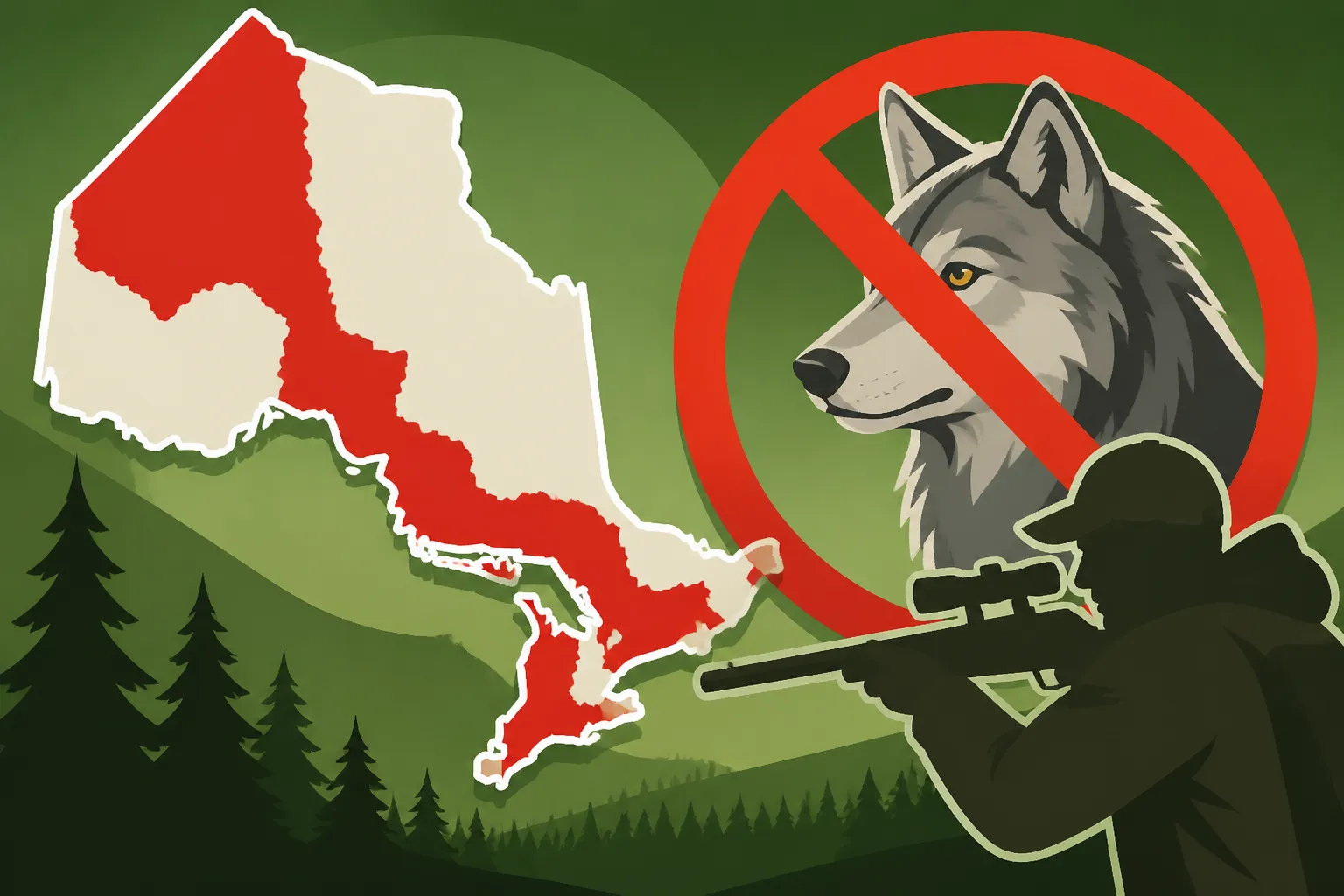
When we talk about specific closures for wolf hunting in Ontario, one area immediately stands out: Algonquin Provincial Park and its immediate surroundings. This region is the heartland of the Algonquin wolf, and thus, it's where the most stringent protections are in place. However, it's not the only type of area where you might encounter hunting prohibitions. It’s vital to understand these no-go zones thoroughly to avoid any legal missteps.
Algonquin Provincial Park and Surrounding Protected Areas
Algonquin Provincial Park is the cornerstone of Algonquin wolf conservation. Within the park boundaries, all hunting, including wolf hunting, is strictly prohibited. This is fairly standard for most provincial parks in Ontario, which are primarily designated for conservation, recreation, and ecological integrity rather than hunting. However, the protection of the Algonquin wolf extends beyond the park's physical borders.
To create a protective buffer for these vulnerable canids, surrounding WMUs have also implemented wolf hunting closures. These buffer zones are critical because animals, especially wide-ranging predators like wolves, don't adhere to human-drawn park boundaries. These closures are not arbitrary; they are the result of scientific study indicating the range and population dynamics of the Algonquin wolf. Hunters operating in WMUs adjacent to Algonquin Park or within its known dispersal zones need to be exceptionally careful. Even if a particular WMU allows for general coyote hunting, it might have specific rules or closures regarding wolves, or even "wolf-like canids" to protect the Algonquin wolf. Always verify the regulations for the specific WMU you plan to hunt in, right down to the finest print.
Other Potential Restricted or No-Hunting Zones
Beyond the Algonquin wolf specific closures, there are other situations where wolf or coyote hunting might be prohibited or heavily restricted across Ontario. These often align with general hunting prohibitions that apply to all species, but they are worth reiterating.
- Other Provincial Parks and Protected Areas: While Algonquin is the primary focus for wolves, many other provincial parks and designated conservation reserves across Ontario prohibit hunting of any kind. Always consult park-specific regulations if you are hunting near a park boundary. Hunting in an Ontario Provincial Park delves into this more generally.
- Private Land Without Permission: This is a fundamental rule for all hunting in Ontario. If you are on private land without explicit, written permission from the landowner, you are trespassing, and any hunting is illegal. This includes wolf and coyote hunting. Never assume you have permission; always ask. What Ontario's Trespass Act Requires provides essential details on this.
- Municipal Bylaws: Some municipalities may have local bylaws that restrict or prohibit the discharge of firearms or hunting within certain areas, especially closer to urban or residential developments. These local rules can add another layer of complexity, so always check with the local municipal office if you're unsure.
- Safety Zones: Hunting is generally prohibited within certain distances of dwellings, schools, and other occupied buildings. These are known as safety zones, and they exist to protect public safety.
Wildlife Management Units (WMUs) with Specific Restrictions
Ontario's WMU system is the backbone of its hunting regulations, and it's where you'll find the detailed breakdown of what's open, what's closed, and what the bag limits are. While the blanket closures around Algonquin Provincial Park are fairly straightforward, some WMUs might have more subtle restrictions or season dates for wolves and coyotes.
For instance, a WMU might have a longer open season for coyotes but a more restricted one for wolves, or perhaps a lower bag limit for wolves to help manage populations. The exact boundaries of these WMUs are clearly defined, and it's imperative that hunters know which WMU they are in at all times. Using a reliable mapping tool, like GoHunt's mapping features or official provincial WMU maps, can be invaluable here. These tools can overlay WMU boundaries with your GPS location, helping you stay compliant. Checking the official hunting regulations summary for your specific WMU is absolutely non-negotiable before you head out. These summaries are updated annually, so don't rely on last year's information.
Here’s a simplified look at the general status of wolf and coyote hunting across different regions of Ontario:
| Region/Area | General Wolf Hunting Status | Coyote Hunting Status | Key Considerations |
|---|---|---|---|
| Algonquin Provincial Park | Closed | Closed | Strict prohibition to protect the Algonquin wolf and other park wildlife. |
| Algonquin Park Buffer Zones (WMUs) | Closed (for wolves/wolf-like canids) | Open (with specific seasons/limits) | Designated to protect Algonquin wolves which range outside the park. Hunters must differentiate species. |
| Southern Ontario (Farm Country) | Open (often year-round, typically combined with coyote rules) | Open (often year-round, typically combined with wolf rules) | Focus often on coyote control due to agricultural impacts. Hunters must confirm WMU specific rules. |
| Central/Northern Ontario (Shield) | Open (with specific seasons/limits) | Open (with specific seasons/limits) | Regular seasons and bag limits apply. General game management. |
| Far Northern Ontario (Boreal) | Open (with specific seasons/limits) | Open (with specific seasons/limits) | Expansive wilderness areas. Regulations aligned with other big game seasons. |
This table provides a general overview, but you must always consult the current official regulations specific to the WMU you intend to hunt.
Navigating Regulations for Wolf and Coyote Hunting
Understanding where wolf hunting is closed is only one piece of the puzzle. The bigger picture involves how to responsibly navigate all the regulations to ensure you're hunting legally and ethically. It means being prepared, being informed, and knowing the difference between species you might encounter in the field.
The Importance of the Hunting Regulations Summary
I cannot stress this enough: the official Ontario Hunting Regulations Summary is your bible. Every single year, the Ministry releases an updated version. Relying on old information, hearsay from a buddy, or what you remember from a few seasons ago is a recipe for disaster. Regulations can and do change, sometimes subtly, sometimes significantly. These changes might affect season dates, bag limits, WMU boundaries, or specific protections for certain species.
Before you plan any hunt, especially for predators like wolves and coyotes, make it your absolute first step to download and thoroughly read the most current summary. Pay particular attention to the "General Regulations" section, the specific rules for "Wolves and Coyotes," and the detailed tables for the WMU you intend to hunt. This document will clearly outline which WMUs have closures, special seasons, or specific rules regarding canids. Many hunters find digital versions on their phones incredibly helpful in the field, especially if they're using mapping apps like GoHunt that allow you to mark boundaries and pull up regulations quickly. This level of diligence ensures you're always operating within the law.
Differentiating Wolves and Coyotes in the Field
Here's where it gets tricky, and where a lot of honest mistakes can happen, especially in areas bordering Algonquin wolf protection zones. Eastern coyotes, eastern wolves, and Algonquin wolves can look surprisingly similar to the untrained eye, or in poor lighting conditions. Size and colour can overlap, and identifying features are not always obvious, especially at a distance or when an animal is moving quickly.
This makes accurate identification in the field incredibly important, particularly in areas where wolf hunting is closed but coyote hunting is open. A hunter who accidentally harvests an Algonquin wolf, or any wolf in a closed area, thinking it's a coyote, faces serious charges. You need to be able to tell the difference. Key identifiers often include:
- Size: Wolves are generally larger, heavier, and have bigger heads and broader muzzles than coyotes.
- Tracks: Wolf tracks are significantly larger than coyote tracks.
- Proportions: Wolves tend to have longer legs, deeper chests, and larger feet relative to their body size compared to coyotes.
- Tail: Wolves typically carry their tails lower, often straight out or slightly down, whereas coyotes sometimes carry them more tucked or between their legs when running.
If there's any doubt in your mind, let the animal walk. It’s better to miss an opportunity than to make an illegal harvest. Our article, Telling a Coyote From a Wolf, goes into much greater detail on the nuances of identification. Practicing identification, perhaps by studying photos and videos, and being conservative in your decision-making in the field are essential skills for hunting in Ontario’s diverse predator landscape.
What to Do Before You Head Out
A successful and legal hunt begins long before you set foot in the woods. Preparation is key, especially when dealing with nuanced regulations like those for wolves in Ontario.
- Obtain Your Outdoors Card and Licences: You can't hunt anything in Ontario without an Outdoors Card and the appropriate licences. For wolf and coyote, this typically means a small game licence, though specific big game tags might be required depending on the WMU and species. Ensure these are current and valid. Ontario's Outdoors Card Explained will give you all the details on this essential first step.
- Consult the Current Regulations Summary: As mentioned, this is non-negotiable. Verify season dates, bag limits, and any specific WMU restrictions for wolves and coyotes.
- Confirm WMU Boundaries: Know exactly which Wildlife Management Unit you are in. Use mapping tools, like those found on GoHunt, or a GPS with pre-loaded WMU maps. Make sure you understand how to Reading an Ontario WMU Map Before You Go.
- Secure Land Access: If you plan to hunt on private land, obtain written permission in advance. For Crown Land, understand the access rules and any restrictions. Hunting Ontario's Crown Land offers valuable insights here.
- Understand Blaze Orange Requirements: For safety and legal compliance during certain open seasons, wearing blaze orange is mandatory. Ensure you meet the minimum surface area requirements. Ontario Blaze Orange Requirements outlines exactly what you need.
- Gear Up Appropriately: Beyond your firearm or bow, think about the weather, terrain, and safety gear. A good pair of binoculars can be invaluable for species identification at a distance. Don't forget a first-aid kit, navigation tools, and communication devices, especially when heading into remote areas.
By taking these steps, you're not just ensuring legal compliance; you're setting yourself up for a safer, more enjoyable, and truly responsible hunting experience in the Ontario wilderness. Staying informed and prepared protects both you and the valuable wildlife resources we all cherish.
Disclaimer
This article is for general informational purposes only and does not constitute professional advice. Laws, prices and regulations vary by location and change over time. Consult a qualified professional for guidance on your specific situation.