Ontario’s Predators and Furbearers
It’s easy to get caught up in the pursuit of Ontario’s deer, moose, or those fantastic waterfowl seasons. We focus on big game tags, the rut, or flight paths, and sometimes, in that excitement, we overlook an incredibly vital and fascinating group of animals: the province's predators and furbearers. These creatures are not just part of the backdrop; they are integral to the health of our ecosystems, offer unique hunting and trapping challenges, and come with their own set of complex regulations that can feel overwhelming. This comprehensive guide will take a deep dive into these often-misunderstood animals, shedding light on everything from their ecological roles to the specific rules governing their pursuit, ensuring you’re a well-informed and responsible participant in the Ontario outdoors.
Understanding Ontario's Predator and Furbearer Landscape
Stepping into the vast wilds of Ontario, whether it's the southern farmlands or the expansive boreal forest, you're entering a landscape shaped by the constant interactions of its inhabitants. At the heart of this intricate web are the predators and furbearers, animals that, while perhaps not always topping the wishlist for a "trophy hunt," contribute immeasurably to the health and balance of the entire ecosystem. Ignoring their presence, or misunderstanding their roles, is to miss a crucial piece of the conservation puzzle.
The Ecological Role of These Species
It's easy to view predators simply as consumers, and furbearers as resources for pelts, but their ecological contributions run far deeper. These animals are the unsung heroes of ecosystem balance, often performing vital services that directly impact the health and sustainability of other species, including the big game we so eagerly pursue. Without them, the natural world we cherish would look drastically different.
Predators, like wolves and coyotes, act as nature's quality control agents. They primarily target the old, sick, or weak members of prey populations such as deer, moose, and even smaller game animals. This isn't just about reducing numbers; it's about strengthening the herd over generations by culling individuals that might spread disease or pass on less desirable genetic traits. A healthy predator population often correlates with a healthier, more resilient prey population, paradoxically making the job of an ethical hunter seeking a prime animal even more rewarding. Beyond active predation, many also play a crucial role as scavengers, cleaning up carcasses and preventing the spread of disease, effectively tidying up the wilderness floor.
Furbearers, particularly beavers, are phenomenal ecosystem engineers. Through their industrious dam-building, beavers transform flowing streams into vital wetland habitats. These beaver ponds create diverse environments that support countless other species, from fish and amphibians to waterfowl and moose. They moderate water flow, prevent erosion, and create fertile areas that wouldn't exist otherwise. Muskrats and otters, too, contribute to aquatic ecosystem health, while raccoons, foxes, and other smaller furbearers help control insect and rodent populations, preventing localized outbreaks and maintaining agricultural health in many areas.
Ultimately, the interconnectedness of these species means that the presence and health of predators and furbearers are indicators of a thriving, diverse ecosystem. Any significant change in their populations can ripple through the entire food web, affecting everything from vegetation growth to the stability of other animal populations. Understanding this delicate balance is the first step toward becoming a truly responsible hunter or trapper.
Common Misconceptions and Ethical Considerations
The discourse around predators and furbearers is often fraught with misconceptions, stemming from historical narratives, agricultural conflicts, or simply a lack of understanding. Many people still view some of these animals, especially coyotes or wolves, as "vermin" or pure nuisances, a perspective that overshadows their immense ecological value and the ethical responsibilities we hold as outdoors enthusiasts.
The idea that certain animals are "pests" is a deeply ingrained one, particularly when they come into conflict with human interests like livestock or property. While it's true that coyotes can predate on farm animals, or beavers can flood roads, this localized conflict doesn't diminish their overall biological importance. A responsible approach acknowledges these challenges while still recognizing the species' place in the natural world. It’s about finding a balance through smart management, not eradication. For instance, farmers might use specific deterrents, while hunters might target problematic coyotes under strict regulations.
Ethical hunting and trapping are paramount when dealing with these species. This means adhering to fair chase principles, which ensure the animal has a reasonable chance of escape and that the hunt is challenging and respectful. It also demands using appropriate equipment, whether it's a firearm that ensures a quick, humane dispatch or a trap designed to minimize suffering. The goal is always to reduce stress and pain for the animal. This responsibility extends to proper carcass handling and utilization, especially for furbearers where the pelt is the primary reason for harvest.
Furthermore, hunters and trappers are often the front lines of conservation, providing crucial data through mandatory harvest reporting and by being eyes and ears in the bush. By engaging in these activities responsibly, we contribute to scientific understanding and sustainable management. It's about being an advocate for the animals, not just a consumer of them. Our actions, both in the field and in public discourse, shape the perception of hunting and trapping. Presenting ourselves as ethical, knowledgeable stewards of wildlife is essential for maintaining these traditions for future generations.
The Apex Predators: Wolves and Coyotes
In the vast expanse of Ontario, from the deep wilderness of the north to the fragmented woodlots of the south, canids hold a significant place in the ecosystem. Wolves, with their legendary howl, embody the spirit of the wild, while coyotes, adaptable and cunning, have become a ubiquitous presence. While both are powerful predators, telling them apart can be a real challenge, and understanding their unique regulations is absolutely critical for any responsible hunter or trapper.
Distinguishing Between Wolves and Coyotes in Ontario
For the uninitiated, or even the seasoned hunter glimpsing a fleeting shadow in the bush, differentiating between a wolf and a coyote in Ontario can be surprisingly difficult. This is compounded by the presence of Eastern Coyotes, which are larger than their western counterparts due to hybridization with wolves, and the Eastern Wolf itself, a distinct species (or ecotype, depending on the scientific classification) often found in central Ontario. Getting it wrong can have serious consequences, especially given different regulations.
The most obvious difference is size. A fully grown wolf is significantly larger than a coyote, often weighing 60-100 pounds, sometimes more, with a robust, powerful build. Coyotes typically weigh in at 25-45 pounds. Picture a wolf as having the stature of a German Shepherd or larger, while a coyote is more akin to a medium-sized retriever. Their heads differ too; wolves have broader muzzles and larger, more rounded ears relative to their head size, while coyotes tend to have more pointed snouts and proportionately larger, more erect ears. Their tails are another good indicator: wolves often carry their tails lower, almost straight down, while coyotes tend to carry theirs tucked between their legs when running, or with a slight upward curve.
Habitat can also provide clues. Wolves generally prefer larger, more contiguous tracts of wilderness, such as the boreal forests of Northern Ontario or the mixed hardwood forests of the Algonquin Highlands. They require vast territories to support their larger packs. Coyotes, on the other hand, are incredibly adaptable. They thrive in mosaic landscapes of farmland, woodlots, and even suburban fringes across much of Southern and Central Ontario. While you might find coyotes in deep bush, it’s less common to find wolves regularly roaming settled agricultural areas. Understanding these preferences can help you narrow down the possibilities when you encounter a canid in a specific region.
Behavioural patterns and vocalizations also offer distinct indicators. Wolves typically live in larger, highly social packs with complex hierarchies, often hunting cooperatively. Their howls are deep, resonant, and sustained, carrying for miles, designed to communicate across vast distances to other pack members or rival packs. Coyotes are often more solitary or found in smaller family groups. Their vocalizations are characterized by a series of high-pitched yips, barks, and short, frantic yelps, often leading to the impression of many animals when there are only a few. It's that classic "yipping and howling" sound heard around dusk or dawn near farms. For those keen to delve into the specific challenges of identification and conservation, understanding The Algonquin Wolf and Its Protection is essential, as this unique species requires particular recognition and respect due to its sensitive status in parts of its range.
Hunting and Trapping Regulations for Canids
Navigating the rules for hunting and trapping wolves and coyotes in Ontario is where things get particularly nuanced, emphasizing why accurate identification is paramount. These regulations are designed to manage populations sustainably, respond to local conflicts, and protect sensitive species. A quick glance at the hunting summary might seem straightforward, but the devil is always in the WMU-specific details.
For coyotes, hunting is generally permitted across most of Ontario. You'll need an Ontario Small Game Licence Rules, and in many WMUs, the season is quite long, sometimes even year-round, with generous or no bag limits. This reflects their robust and often expanding populations, particularly in agricultural areas where they can sometimes impact livestock or small game populations. Hunting methods often involve calling, where hunters use various vocalizations to lure coyotes into range. For those targeting them in Southern Ontario, learning effective techniques for Calling Coyotes in Ontario Farm Country can be highly successful. While baiting is generally not permitted for canids in Ontario, specific regulations should always be checked, as rules can occasionally change or have local exceptions.
Wolf regulations are considerably more restrictive and vary dramatically by Wildlife Management Unit (WMU). In some northern WMUs, a specific wolf tag, purchased in addition to your Small Game Licence, is required, and seasons are typically much shorter with very low bag limits (often one wolf per hunter per year). In many central and southern WMUs, wolf hunting seasons are entirely closed to protect the Eastern Wolf and its hybrids. This means that if you are hunting coyotes in an area where wolves are present, positive identification of your target before you shoot is not just ethical, it's a legal requirement. Mistaking a wolf for a coyote in a closed wolf zone can lead to severe penalties.
Trapping regulations for both species are even more specialized, requiring a separate trapping licence and a comprehensive understanding of humane trapping techniques. Trappers must follow strict guidelines regarding trap types, set locations, and checking intervals. Seasons for trapping are distinct from hunting seasons and often tailored to maximize fur quality, which is usually best during colder months. The use of apps like GoHunt can be invaluable in the field, allowing you to quickly check the specific regulations, season dates, and WMU boundaries for wolves and coyotes right on your phone, helping to ensure compliance and avoid costly mistakes. This diligence is not just about avoiding fines; it’s about upholding the integrity of hunting and trapping as conservation tools.
| Feature | Eastern Coyote | Eastern Wolf | Black Bear |
|---|---|---|---|
| Average Weight | 25-45 lbs (11-20 kg) | 60-100 lbs (27-45 kg) | 150-500 lbs (68-227 kg) – males larger |
| Primary Habitat | Widespread: farmland, mixed forest, urban fringes | Deep wilderness, boreal forests, mixed hardwood forests | Dense forests, swamps, large contiguous bush |
| Vocalizations | High-pitched yips, yelps, short howls | Deeper, prolonged howls, barks | Growls, huffs, harrumphs, jaw popping |
| Licence Required | Ontario Small Game Licence | Ontario Small Game Licence + specific Wolf Tag (WMU dep.) | Ontario Hunting Licence + Black Bear Tag |
| Season Dates | Variable by WMU, often long or year-round | Restricted by WMU, often short or closed | Spring (limited WMUs), Fall (widespread), specific dates |
| Baiting Allowed? | No (generally) | No (generally) | Yes (with strict regulations for hunting) |
| Protected Areas | Not specifically, but local bylaws may apply | Protected in certain provincial parks/areas (e.g., Algonquin) | Specific areas may be closed or have special regulations |
The Iconic Black Bear: A Furbearer and Big Game Species
When we talk about Ontario's wild inhabitants, the black bear often comes to mind as a true symbol of the province's untamed spirit. From the rugged Canadian Shield to the expansive northern forests, this magnificent animal is a powerful presence. While classified as big game, their valuable hides also place them firmly within the furbearer category, offering unique opportunities for hunters and trappers who understand their complex behaviours and the specific regulations governing their pursuit.
Bear Ecology and Behaviour in Ontario
Ontario is unequivocally black bear country, boasting a healthy and widespread population across vast swathes of the province. These incredibly adaptable omnivores prefer large, contiguous tracts of forested land, particularly those interspersed with swamps, rocky outcrops, and wetlands that provide both cover and a diverse array of food sources. While their highest densities are found in the northern and central regions, they can also be found in more fragmented habitats in parts of Southern Ontario, often surprising residents with their presence.
A bear's diet dictates much of its seasonal movement and behaviour. As omnivores, their menu shifts dramatically throughout the year. In early spring, after emerging from their dens, they are focused on finding the first signs of green growth, like new shoots, sedges, and clover, which help to kickstart their digestive systems. They will also eagerly seek out carrion, cleaning up winter-killed animals. This crucial period, known as "green-up," is detailed further in What Bears Eat in a Boreal Spring, highlighting their resourcefulness as they transition from a long winter's fast. As spring progresses into summer, insects, grubs, and early berries become important.
The late summer and fall seasons are absolutely critical for black bears. This is their hyperphagic period, where they must consume massive amounts of food to build up fat reserves for the coming winter's hibernation. During this time, they gorge on whatever is available, with hard mast crops like acorns and beechnuts, and soft mast like blueberries, raspberries, and saskatoons being paramount. A poor berry crop in a given year can significantly alter bear behaviour, driving them to seek alternative food sources, sometimes leading to increased encounters near human settlements or agricultural areas as they desperately try to put on weight.
Hibernation is a remarkable adaptation that allows black bears to survive Ontario's harsh winters. They typically enter their dens from late fall to early winter, usually in rocky crevices, hollow logs, or excavated burrows. During this time, their metabolism slows dramatically, and they sustain themselves entirely on their accumulated fat reserves. Females often give birth to tiny, altricial cubs in the den during mid-winter, nursing them until spring when they all emerge, ready to face the world. Understanding these annual cycles is key to successfully hunting or even just coexisting with these magnificent animals.
Hunting and Management of Black Bears
Hunting black bears in Ontario is a storied tradition, but it’s an activity that comes with significant responsibility and strict adherence to regulations. Unlike many furbearers, black bears are managed as a big game species, meaning you'll need a specific black bear tag in addition to your general hunting licence and Outdoors Card. While the pelt is certainly a valuable component, the primary pursuit is for the animal itself, making it a unique challenge. Full details on these rules can be found in Ontario's Black Bear Rules.
Ontario offers both spring and fall bear hunting seasons, though the spring season is more restricted, occurring in fewer WMUs and for a shorter duration, typically throughout May and early June. The fall season is much more widespread across the province, often running from mid-August through to late October or early November, depending on the WMU. Baiting is a popular and effective method for black bear hunting, particularly in the fall, allowing hunters to attract bears to a specific location for a controlled shot. However, baiting is heavily regulated, with strict rules on bait composition, placement, distance from roads and dwellings, and the need for proper signage. For those considering this method, a thorough understanding of Baiting Black Bear in Ontario is essential to ensure compliance and ethical practice.
One of the most critical aspects of ethical bear hunting is accurate bear identification. It is strictly illegal to shoot a sow with cubs, and responsible hunters go to great lengths to avoid this, even if it means passing on an otherwise legal bear. Learning to judge a bear's size, sex, and presence of cubs from a distance, often through a scope or binoculars, is a crucial skill that takes practice and patience. Factors like head size relative to body, ear size, gait, and overall body confirmation can offer clues. Utilizing tools like GoHunt for pre-season scouting can help identify potential bear activity zones, improving your chances of encountering a legal animal while avoiding protected areas.
Furthermore, non-residents pursuing black bears in Ontario are required to obtain a Black Bear Validation Certificate, which helps the province manage non-resident harvest data. All hunters, resident and non-resident, are mandated to report their bear harvest to the Ministry of Natural Resources and Forestry (MNRF). This data is vital for population monitoring and ensuring that harvest levels remain sustainable for future generations. These regulations are not just bureaucratic hurdles; they are the framework that ensures black bears continue to thrive across Ontario for years to come.
Ontario's Diverse Furbearer Population
Beyond the prominent canids and bears, Ontario's landscape is teeming with a remarkable diversity of furbearers – animals whose pelts have historically played a crucial role in the province's economy and whose ecological contributions continue to shape our wild spaces. From industrious dam-builders to elusive nocturnal hunters, these species offer unique opportunities for ethical trapping and, in some cases, recreational hunting, all while demanding respect and adherence to specific management guidelines.
Common Furbearers and Their Habitats
Ontario is home to a rich array of furbearing species, each perfectly adapted to its niche, from dense forests to sprawling wetlands and even urban fringes. Perhaps the most impactful are the beavers, often called nature's engineers. Their relentless dam-building transforms landscapes, creating critical wetland habitats that benefit countless other species. These ponds and flowages not only provide homes for aquatic life but also create valuable edge habitats for deer, moose, and various birds. The fluctuating dynamics of Beaver and Muskrat Numbers in Ontario is a testament to the influence these animals have on their environment.
Sharing these watery realms are muskrats, smaller aquatic rodents that are vital prey for many predators. Their presence indicates healthy wetland ecosystems. Moving away from the water, raccoons are ubiquitous across much of Ontario, instantly recognizable by their bandit-like masks. These highly adaptable omnivores thrive in diverse habitats, from deep forests to agricultural lands and even urban settings, where they are known for their cunning and opportunistic feeding habits.
Ontario also hosts several species of foxes. The red fox is widespread, found in open farmlands, mixed forests, and even the outskirts of towns. Known for its intelligence and stealth, it primarily preys on small mammals and birds. The less common grey fox, a unique canid capable of climbing trees, is found mainly in specific regions of Southern Ontario, preferring denser, mixed woodlands. Adding to the diversity are species like the striped skunk, recognized by its potent defensive spray, and various weasels (short-tailed and long-tailed), small but fierce predators that play a significant role in controlling rodent populations.
Each of these species contributes uniquely to the food web and the overall health of Ontario's ecosystems. While their individual impacts might seem smaller than a wolf or bear, collectively, their presence and activities are fundamental to the intricate balance of the wild. Understanding where and how they live is the first step in appreciating their value and engaging with them responsibly.
Trapping and Hunting Regulations for Furbearers
Engaging with Ontario's diverse furbearer population, whether through hunting or trapping, requires a detailed understanding of the regulations, which are often quite distinct from those for big game. The province has a long history of fur harvesting, and modern management practices are designed to ensure the sustainability of these populations while promoting ethical methods.
Trapping is a highly specialized skill and requires a dedicated trapping licence, which is separate from a general hunting licence. Trappers typically operate on registered traplines or in open areas, adhering to strict guidelines on trap types, set locations, and the humane dispatch of animals. The seasons for trapping various furbearers are carefully set to coincide with periods when their fur is prime (thickest and most valuable), usually during the colder months, and vary significantly by species and WMU. Trappers also have mandatory reporting requirements, which are crucial for the Ministry of Natural Resources and Forestry (MNRF) to monitor population health and make informed management decisions.
For recreational hunting of furbearers, a general Ontario Small Game Licence Rules is typically sufficient for species like red fox, raccoon, and sometimes coyotes (depending on the WMU). Season dates for hunting furbearers can be quite generous; for instance, coyote seasons are often very long or even year-round in some agricultural zones due to population control needs. Bag limits vary by species and WMU, but for many common furbearers, limits are either high or non-existent, again reflecting management objectives. Always consult the current Ontario Hunting Regulations Summary for the specific WMU you intend to hunt, as rules can differ significantly even between adjacent areas.
Ethical harvesting practices are paramount. This involves using appropriate firearms for humane dispatch and ensuring you understand the species you are targeting. For instance, when hunting any furbearer, you must be confident in your identification, particularly where look-alike species exist. Respecting property boundaries and gaining permission if hunting on private land is also a non-negotiable aspect of responsible outdoor conduct. While not typically a primary target for many hunters, the opportunity to pursue furbearers adds another layer to the Ontario hunting experience, often in less pressured areas. Exploring locations like Hunting an Old Logging Road in the North can open up opportunities to encounter various furbearers, providing a glimpse into their often hidden lives.
Lesser-Known and Protected Predators and Furbearers
While black bears, wolves, and coyotes often dominate the conversation, Ontario's forests and waterways are also home to a suite of other fascinating predators and furbearers. These species, often more elusive or specialized in their habitats, offer glimpses into the rich biodiversity of the province. Many of them hold significant value in the fur trade, leading to highly regulated trapping seasons, while others are protected, demanding careful identification and respect from anyone venturing into their territories.
Lynx, Bobcat, Fisher, and Marten
Deep within Ontario's vast northern and central forests live some of the province's most iconic, yet elusive, furbearers: the Canada lynx, bobcat, fisher, and marten. Each plays a distinct role in their respective ecosystems, and their presence is a strong indicator of healthy, intact wilderness. Understanding their preferred habitats and conservation status is crucial for any outdoors enthusiast.
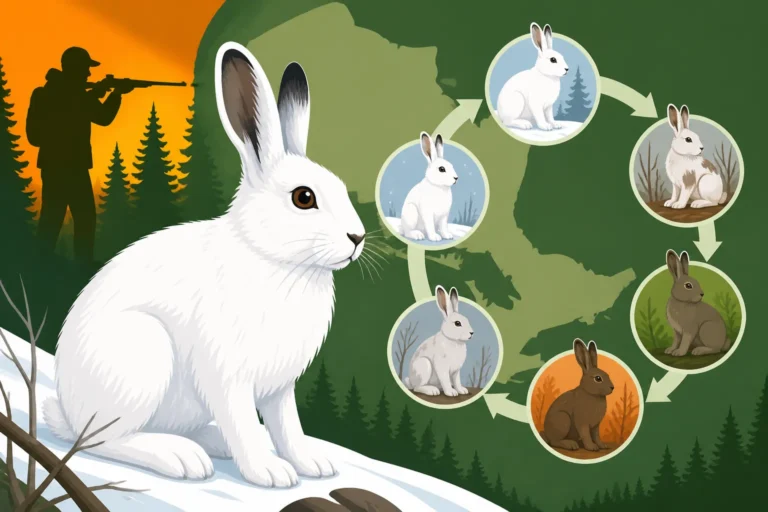
The Canada lynx, with its distinctive tufted ears, long legs, and large, snowshoe-like paws, is perfectly adapted for navigating deep snow in the boreal forest. Its life cycle is famously intertwined with that of its primary prey, the snowshoe hare. When hare populations boom, so do the lynx; when hare numbers crash, lynx populations follow, often leading to impressive migrations in search of food. This predator-prey dynamic is a classic ecological study, and Lynx and the Snowshoe Hare Cycle provides a deeper look into this fascinating relationship. Lynx are primarily found in northern Ontario, favoring dense coniferous forests.
Bobcats, while superficially resembling lynx, are smaller, with shorter legs and smaller paws, and they lack the prominent facial ruffs of their northern cousins. In Ontario, bobcats are primarily found in the southern and central regions, preferring mixed woodlands, swamps, and rocky areas with plenty of cover. They are adept hunters of small mammals and birds, and their secretive nature makes them a rare sight for most. Both lynx and bobcats are generally not hunted recreationally in Ontario; their harvest is almost exclusively managed through highly regulated trapping seasons for licensed trappers.
Fishers and martens are members of the weasel family, known for their elongated bodies, incredible agility, and predatory prowess. Fishers, larger and darker, are fierce hunters of small mammals (including porcupines, which few other predators tackle) and birds. They prefer mature coniferous and mixed forests and have expanded their range in some areas. Martens, smaller and lighter brown with a distinctive orange throat patch, are primarily arboreal, preferring mature coniferous forests. Both species produce highly prized furs and are managed through specific trapping seasons, often tied to registered traplines in their northern habitats. Recreational hunting opportunities for these mustelids are extremely limited or non-existent.
The conservation status of these animals is closely monitored. While none are currently listed as provincially endangered, habitat loss and fragmentation, particularly for bobcats and martens, pose ongoing challenges. Therefore, strict adherence to trapping regulations, and simply respecting their space as a hunter or hiker, contributes to their long-term viability in Ontario's diverse ecosystems.
Other Notable Species: Otter and Mink
Beyond the terrestrial hunters, Ontario's abundant waterways, from pristine northern lakes to meandering southern rivers, are home to equally fascinating aquatic furbearers: the river otter and mink. These semi-aquatic predators are masters of their watery domains, indicators of healthy aquatic ecosystems, and have long been valued for their beautiful, dense pelts.
River otters are charismatic and playful members of the weasel family. With their streamlined bodies, webbed feet, and powerful tails, they are incredibly efficient swimmers and divers, perfectly adapted for life in and around water. Otters are intelligent and social creatures, often observed sliding down snowy or muddy banks for fun, and they primarily prey on fish, frogs, crayfish, and other aquatic invertebrates. They are found in healthy waterways across the entire province, from the far north to the southernmost regions, always in proximity to clean water. Their presence is a good sign of a thriving aquatic environment.
Mink, another member of the weasel family, are smaller than otters but no less formidable hunters of the aquatic and riparian zones. They are highly territorial and primarily found along the edges of streams, rivers, lakes, and marshes. Mink are opportunistic predators, feasting on rodents, birds, fish, frogs, and crayfish. Their sleek, dark brown fur has historically made them a highly sought-after species by trappers, and they are adept at navigating both on land and in water, often using beaver or muskrat lodges as their own dens.
Like other furbearers, otters and mink are primarily managed through trapping seasons in Ontario. Recreational hunting opportunities for these species are minimal or non-existent; they are typically pursued by licensed trappers who understand their habits and the specific techniques required to humanely harvest them. Trapping seasons are meticulously set to ensure sustainability, with specific opening and closing dates and bag limits that vary by WMU. Knowing the habitat preferences of these animals can be useful even for non-trappers; for instance, actively looking for signs of Hunting a Beaver Meadow Crossing can often lead to sightings of otter slides or mink tracks along the water's edge, highlighting the interconnectedness of these species within a single ecosystem. Their continued presence underscores the importance of protecting Ontario's wetlands and waterways.
Responsible Hunting and Trapping Practices
Being an ethical hunter or trapper in Ontario goes far beyond simply pulling a trigger or setting a snare. It's a commitment to a set of principles that ensure the long-term health of wildlife populations, uphold the public image of our traditions, and demonstrate deep respect for the animals we pursue. At its core, responsible practice is built on knowledge, respect, and a commitment to conservation.
Understanding Regulations and Respecting Wildlife
The bedrock of all ethical hunting and trapping in Ontario is an intimate, up-to-date knowledge of the regulations. This isn't just about avoiding a fine; it's about making sure your actions contribute positively to wildlife management and public safety. The rules are complex, vary by species, WMU, and season, and can change from year to year. Relying on outdated information or hearsay is a recipe for disaster. Your primary source should always be the official Ontario Hunting Regulations Summary, published annually by the Ministry of Natural Resources and Forestry (MNRF). It’s not light reading, but it’s essential. You can find out Where to Read the Ontario Hunting Summary through various government channels.
While the printed or PDF summary is the authoritative source, modern technology offers invaluable supplementary tools. Apps like GoHunt provide geo-referenced maps that overlay WMU boundaries, private/public land designations, and often highlight season dates and species-specific rules for your exact location. This can be incredibly helpful when you're deep in the bush and need to confirm if a certain area is open for a particular species, or if you've crossed into a different WMU with different regulations. However, always remember that these apps are aids, not substitutes for thoroughly reading and understanding the official summary. They can quickly clarify a detail, but the nuanced understanding comes from diligent study.
Respecting wildlife extends beyond simply following the law. It encompasses a philosophy of minimizing suffering, taking only what you need, and ensuring a clean, ethical harvest. This means knowing your firearm or trap, understanding your effective range, and practicing regularly to ensure proficiency. It also means passing on an animal if you're unsure of the species, sex, or legal status. For instance, in areas with both wolves and coyotes, positive identification is not just a suggestion; it's a legal requirement to avoid inadvertently harvesting a protected species. This level of respect also involves proper game retrieval and utilization, ensuring that harvested animals are not wasted.
Finally, responsible behaviour includes being a good ambassador for hunting and trapping. This means always gaining explicit permission before hunting on private land, understanding and adhering to local bylaws, and being mindful of other outdoor users. Your actions in the field directly impact public perception of hunting. By demonstrating professionalism, knowledge, and respect for both wildlife and landowners, you help preserve the future of these cherished outdoor pursuits for everyone.
Conservation and Sustainable Harvesting
At its heart, hunting and trapping are powerful conservation tools. Far from being detrimental, regulated harvesting, when done ethically and sustainably, plays a critical role in managing wildlife populations, balancing ecosystems, and generating funds for further conservation efforts. Those who participate responsibly are, in fact, integral to the long-term health of Ontario's diverse game species.
Hunters and trappers often possess an intimate knowledge of the land and its creatures that few others do. They are often the first to notice changes in wildlife populations, habitat degradation, or signs of disease. Their participation in regulated seasons helps to manage population numbers, preventing overpopulation that can lead to habitat degradation, widespread disease, and ultimately, crashing populations. For species like coyotes, where populations can expand rapidly, responsible hunting can help mitigate conflicts with livestock and small game.
Mandatory harvest reporting is a cornerstone of this sustainable management. Every time a hunter or trapper reports a harvested animal – whether it's a bear, a deer, or a furbearer – that data is collected by the MNRF. This information, combined with aerial surveys, field observations, and scientific studies, helps wildlife biologists monitor population trends, assess species health, and make informed decisions about future season dates, bag limits, and conservation strategies. Understanding Why Mandatory Reporting Matters illuminates its crucial role in this cycle of adaptive management. It's not just a bureaucratic step; it's a direct contribution to conservation science.
Beyond direct harvesting, ethical hunters and trappers contribute to conservation in numerous other ways. License fees and specific tags often directly fund wildlife management and habitat restoration projects. Many actively engage in habitat improvement on their own properties or participate in volunteer conservation efforts. Sustainable harvesting means making choices that ensure future generations will have the same, if not better, opportunities to experience Ontario's wild bounty. This includes being mindful of environmental changes, contributing to clean-up efforts, and promoting healthy ecosystems. Should you ever witness illegal hunting or trapping, or any suspicious activity that harms wildlife, it’s vital to report it. Channels like Ontario's Report a Poacher Line exist specifically for this purpose, reinforcing that conservation is a collective responsibility.
Disclaimer
The information provided in this guide is for general informational purposes only and is not a substitute for the official Ontario Hunting Regulations Summary published annually by the Ontario Ministry of Natural Resources and Forestry (MNRF). Regulations can change without notice, and it is the responsibility of every hunter and trapper to consult the most current official summary and all relevant provincial and federal laws before engaging in any hunting or trapping activities. The author and publisher are not responsible for any actions taken based on the information presented herein.