Ontario Apprentice Hunting Rules
Starting your hunting journey in Ontario can feel like navigating a dense cedar swamp without a compass. The rules, the licenses, the courses – it's enough to make even the most enthusiastic newcomer feel overwhelmed before they've even stepped foot in the bush. This guide is here to untangle the specifics of Ontario's Apprentice Hunting Rules, making it clearer how new hunters can legally and safely gain crucial field experience under the wing of a seasoned mentor.
Embracing the Apprentice Hunter Program in Ontario
The Ontario Apprentice Hunter program is a fantastic initiative designed to ease new hunters, especially younger folks, into the sport. It acknowledges a simple truth: learning to hunt isn't something you master from a textbook alone. You need hands-on experience, guidance, and the chance to apply what you've learned in a safe, controlled environment. This program provides that bridge, allowing individuals to hunt certain game species without first completing their full Hunter Education or Canadian Firearms Safety Course (CFSC), provided they are directly supervised by an experienced, fully licensed mentor. It's truly a pathway to preserving our hunting heritage and bringing fresh blood into the conservation community.
Who Qualifies as an Apprentice Hunter
So, who exactly can be an apprentice hunter? Essentially, it's open to anyone who has not yet completed their full Ontario Hunter Education Program (HEP) and, if they plan to use a firearm, the Canadian Firearms Safety Course (CFSC). There isn't an age limit on the upper end, but there are specific rules for younger apprentices. Generally, an apprentice must be at least 12 years old, or turning 12 in the calendar year, to participate in the program for most big game and small game. For migratory birds, they must be at least 12 years old. This flexibility means that a keen teenager, an adult who's always wanted to try hunting, or even a grandparent looking to learn from a family member, can all benefit. It’s about offering that initial, supervised experience.
The beauty of this system is that it removes a significant barrier to entry. Many aspiring hunters might be hesitant to commit to the full courses and licensing without first knowing if hunting is truly for them. The apprentice program allows for that crucial "try before you buy" experience, fostering interest and confidence before they dive into the more extensive requirements.
The Indispensable Role of the Mentor
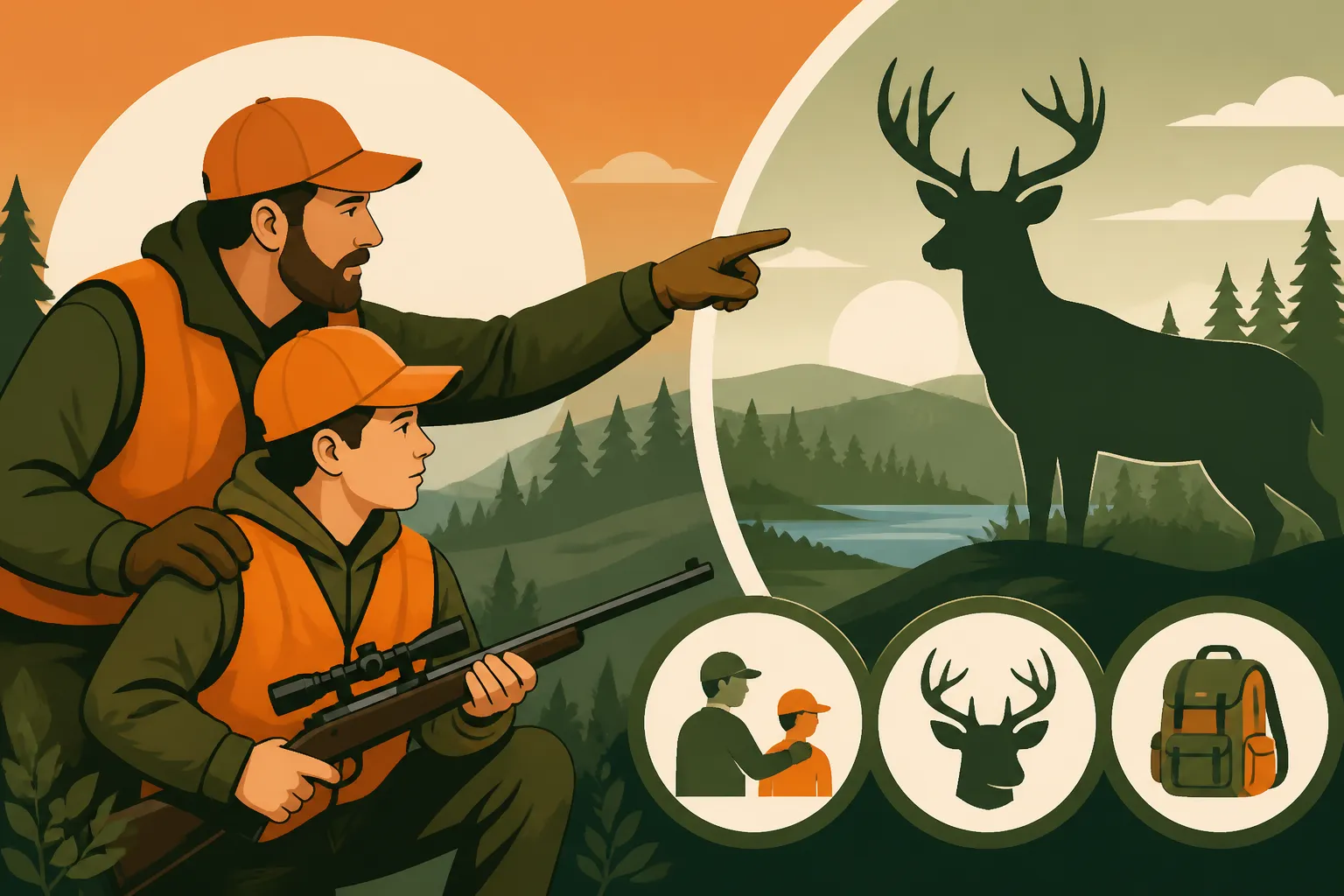
An apprentice hunter is only as good as their mentor – and the system relies heavily on the mentor's experience and responsibility. The mentor isn't just a chaperone; they are the primary instructor, safety officer, and legal guardian of the apprentice's hunt. To be a mentor, you need to be at least 18 years of age and hold a valid Ontario hunting licence for the game species being hunted, along with all required tags and validations. If a firearm is being used, the mentor must also possess the appropriate firearms licence (Possession and Acquisition Licence, or PAL).
The mentor's role is not taken lightly by the Ministry of Natural Resources and Forestry (MNRF). They are legally responsible for the apprentice's actions and ensuring compliance with all hunting regulations. This means constant, direct supervision. We'll delve deeper into what "direct supervision" truly entails, but think of it as being within arm's reach, able to communicate instantly, and prepared to take immediate control of the firearm or bow if necessary. This isn't just about sharing knowledge; it's about sharing a profound responsibility for safety and ethical hunting practices. Choosing the right mentor, someone patient, knowledgeable, and safety-conscious, is paramount for a successful and positive experience.
Navigating Eligibility and Specific Requirements
Understanding the exact requirements for both the apprentice and the mentor is crucial to avoid any legal missteps in the field. This isn't a program where you can just show up with a buddy and a gun; there are very clear lines that need to be adhered to. Many new hunters find the initial paperwork and course requirements intimidating, but once you break it down, it's quite manageable.
Apprentice Hunter Eligibility and Documentation
As mentioned, the primary requirement for an apprentice is that they haven't completed their full Hunter Education Program or, for firearm use, their CFSC. They must also meet the minimum age criteria for the specific game species they intend to hunt. For most hunting in Ontario, the minimum age is 12 years old.
Here's the practical side: an apprentice needs an Ontario Outdoors Card, a basic hunting licence, and any species-specific tags or validations required for the game they are pursuing. When applying for their Outdoors Card and licence, they will specifically indicate their status as an apprentice hunter. This is where the paper trail begins, and it's essential to ensure all documents are properly filled out and carried while hunting. Using a reliable resource like GoHunt can help apprentices and mentors keep track of their licence statuses and ensure all necessary paperwork is in order before heading out. It’s always best to have physical copies as well, especially in areas with no cell service.
Mentor Requirements and In-Field Responsibilities
The mentor's role is a big one, demanding more than just holding a valid licence. Beyond being 18 years old and possessing all necessary licences and tags, the mentor must have a thorough understanding of the hunting regulations for the area and species being hunted. They are the living, breathing rulebook for the apprentice.
The most critical aspect of the mentor's responsibility is direct supervision. This isn't a casual affair where the mentor is just somewhere in the general vicinity. The mentor must be within "arm's length" or "immediate control" of the apprentice hunter at all times while the apprentice is hunting. This means:
- Physical Proximity: The mentor must be close enough to physically intervene if the apprentice makes an unsafe decision or needs immediate assistance with the firearm or bow.
- Constant Communication: They must be able to communicate effectively and instantly, whether that's whispering instructions or making a quick correction.
- Immediate Control: If the apprentice is using a firearm, the mentor must be able to take immediate physical control of that firearm if needed. This often means the mentor carries their own firearm, but it is not necessarily the only firearm that the pair has (an apprentice can also carry one). However, the mentor must ensure they can oversee the apprentice's firearm handling at all times.
For example, if an apprentice is stalking deer in a dense forest, the mentor needs to be right there with them, watching every move, offering guidance on reading sign, identifying game, and ensuring safe shooting lanes. This isn't the time for the mentor to be off scouting another ridge; their focus must be entirely on the apprentice. These strict guidelines underscore the importance of safety and ethical hunting during this formative period. They are also crucial considerations when planning to go Hunting an Ontario Bush Edge or perhaps Hunting a Cedar Swamp Edge, where visibility and terrain can make direct supervision challenging.
Practical Steps for the Apprentice Hunting Experience
Once you understand the 'who' and 'what,' it's time to think about the 'how.' The practical application of the apprentice hunting rules ensures a safe, educational, and ultimately rewarding experience for everyone involved. It’s about setting up for success and instilling good habits from day one.
Essential Safe Hunting Practices and Supervision
Safety isn't just a buzzword in hunting; it's the foundation upon which everything else is built. For an apprentice hunt, safety is magnified due to the newness of the participant. The mentor is responsible for drilling in basic firearm or bow safety rules, such as:
- Always assume a firearm is loaded.
- Always point the muzzle in a safe direction.
- Keep your finger off the trigger until ready to shoot.
- Be sure of your target and what is beyond it.
Beyond these fundamentals, the mentor must constantly assess the situation, considering the apprentice's skill level, the terrain, weather conditions, and proximity to other hunters or trails. For instance, if you're out Hunting the Haliburton Highlands, the rolling, rocky terrain demands heightened awareness. The mentor should be actively teaching the apprentice how to identify safe shooting zones, how to move quietly and safely through the bush, and how to identify game properly.
Consider a scenario where an apprentice is taking their first shot at a wild turkey. The mentor isn't just standing by; they're explaining shot placement, ensuring the apprentice has a steady rest, checking for obstructions in the line of fire, and verbally walking them through the steps of the shot. This kind of active, hands-on coaching is the cornerstone of the program.
It’s also important to remember Ontario's Ontario Blaze Orange Requirements. Both mentor and apprentice, if hunting during a gun season for certain species, must wear specific amounts of blaze orange to ensure visibility and safety in the field.
Understanding Game Species and Tagging Rules
Apprentice hunters can pursue most game species in Ontario, provided their mentor is licensed for that species and holds the necessary tags. This means an apprentice can hunt everything from white-tailed deer and moose to small game like rabbits and grouse, and even wild turkeys. However, the same rules apply: the mentor must have the appropriate licence and tag for the apprentice to hunt.
When it comes to tagging, the rules are straightforward: if an apprentice harvests an animal, the mentor's tag is used. This is a crucial point and underscores why the mentor must have a valid tag for the species and sex of the animal harvested. For example, if an apprentice shoots a buck during deer season, the mentor must have an antlered deer tag for that WMU. If it's an antlerless deer and the mentor has an antlerless validation, that's what's used. This system reinforces that the apprentice is hunting under the mentor's authority and tag allocation. After a successful hunt, understanding Reporting Your Ontario Harvest is essential for both mentor and apprentice to contribute to wildlife management data.
Acquiring Licences and Tags for an Apprentice
Getting set up with the correct licences and tags for an apprentice is relatively simple, but it requires attention to detail.
- Outdoors Card: The apprentice first needs to obtain an Ontario Outdoors Card. This is their base identification for hunting and fishing activities in the province. Information about Getting an Ontario Outdoors Card is readily available online through the Fish and Wildlife Licensing Service.
- Apprentice Hunting Licence: Once they have an Outdoors Card, they can purchase a resident hunting licence, specifying that they are an apprentice hunter. This licence allows them to hunt under the direct supervision of a qualified mentor. The cost for an Ontario Resident Deer Licence Cost or Small Game Licence Cost and Coverage can vary, so it's always good to check the current fee schedule.
- Species-Specific Tags/Validations: For big game like deer, bear, or moose, the mentor needs to possess the valid tags. The apprentice does not buy their own big game tags while in the apprentice program; they use the mentor’s. For small game, the apprentice's basic hunting licence covers them, under supervision.
- Federal Migratory Game Bird Permit: If hunting migratory birds (ducks, geese, snipe, woodcock), both the apprentice and mentor will need a Federal Migratory Game Bird Hunting Permit and a Canadian Wildlife Habitat Conservation Stamp.
| Requirement/Role | Apprentice Hunter (Under Supervision) | Mentor (Fully Licensed Hunter) |
|---|---|---|
| Age | Minimum 12 years old (or turning 12 in calendar year for most game) | Minimum 18 years old |
| Courses | Not required to have completed Hunter Education or CFSC (for firearm use) | Must have completed Ontario Hunter Education Program (HEP) and, if using firearm, Canadian Firearms Safety Course (CFSC) |
| Licences | Ontario Outdoors Card + Apprentice Hunting Licence (Resident Small Game, Resident Deer, etc.) | Ontario Outdoors Card + Resident Hunting Licence (Resident Small Game, Resident Deer, etc.) + all required species-specific tags/validations. If using a firearm, must also hold a valid Possession and Acquisition Licence (PAL). |
| Tags | Does not purchase own big game tags; hunts under mentor's valid tags. For small game, covered by their apprentice licence. | Must possess all valid species-specific tags (e.g., deer, bear, moose) and validations (e.g., antlerless deer) for the game the apprentice is hunting. The mentor's tag is used for any harvested animal. |
| Firearms | May use a firearm under direct supervision and immediate control of mentor (if mentor has PAL). Apprentice does not need a PAL. | Must possess a valid PAL if using a firearm. Legally responsible for the safe handling and use of firearms by the apprentice. Must be able to take immediate physical control of the firearm. Check Legal Firearms and Bows for Big Game for acceptable equipment. |
| Supervision | Must be under direct supervision and immediate control of the mentor at all times while hunting. | Must provide direct supervision and maintain immediate control of the apprentice at all times while hunting. Legally responsible for the apprentice's actions and compliance with all hunting regulations. Mentor must be within "arm's length" for effective control. |
| Harvest Reporting | Mentor is responsible for reporting any game harvested by the apprentice using their own tag. | Responsible for reporting all game harvested under their tags, including those taken by an apprentice. |
| Blaze Orange | Must comply with all Ontario Blaze Orange Requirements for the given season and species. | Must comply with all Ontario Blaze Orange Requirements for the given season and species. |
This entire process, from getting your Outdoors Card to tagging an animal, is about safety and responsibility. Tools like the GoHunt app or website can be incredibly useful for quickly cross-referencing regulations, WMU boundaries, and season dates while in the field, ensuring both apprentice and mentor are always compliant. It's a handy companion to the official Ontario Hunting Regulations Summary, especially when you're trying to figure out things like When Ontario's Bow Season Runs or Ontario Gun Season Opening Day.
Maximizing the Apprentice Hunting Experience
The apprentice hunter program is more than just a legal loophole for new hunters; it's an opportunity for deep learning, bonding, and creating lasting memories. To truly make the most of it, both the apprentice and mentor need to be proactive and engaged.
Advantages of the Apprentice Program for New Hunters
The benefits of the apprentice program are numerous, especially for those just dipping their toes into the hunting world:
- Hands-on Learning: Nothing beats real-world experience. Instead of just reading about tracking or shot placement, an apprentice gets to practice it under expert guidance. This kind of experiential learning builds confidence much faster than classroom instruction alone.
- Reduced Initial Barrier: The program allows individuals to experience hunting before investing in the full Hunter Education and CFSC courses, which can be a significant time and financial commitment. This "test drive" can confirm a passion for hunting, making the later commitment much easier.
- Mentorship and Knowledge Transfer: It fosters invaluable mentorship relationships, ensuring that traditional hunting knowledge, ethics, and conservation principles are passed down through generations. This is critical for the long-term health of our hunting community.
- Building Confidence: Successfully navigating a hunt, even with a mentor, builds immense self-assurance. This confidence is crucial when the apprentice eventually goes through their full training and begins hunting independently. Imagine the pride of a young hunter learning to identify Reading Whitetail Sign in Ontario Hardwoods for the first time with their parent.
- Safety First: With a seasoned mentor constantly supervising, the apprentice is exposed to hunting in the safest possible environment, learning correct procedures from the very beginning. This ingrained safety mindset is perhaps the greatest benefit of all.
Avoiding Common Mistakes and Ensuring a Positive Experience
Even with the best intentions, mistakes can happen. Being aware of common pitfalls can help both mentors and apprentices have a smooth and enjoyable experience:
- Lack of Communication: Misunderstandings can lead to unsafe situations. Mentors and apprentices should have clear, consistent communication about expectations, movements, and safety protocols at all times. Before entering the bush, a brief huddle to discuss the day's plan, potential hazards, and shooting rules is a must.
- Underestimating the "Direct Supervision" Rule: This is the most critical rule and often where issues arise. A mentor cannot be checking their phone, walking far ahead, or splitting up to "cover more ground." If the apprentice is hunting, the mentor must be right there, in immediate control. Enforcement officers take this rule very seriously.
- Insufficient Pre-Hunt Planning: Don't just show up to the bush. Research the specific Ontario Deer Season Dates and Tags for your WMU, understand the legal shooting hours (Ontario Shooting Hours for Big Game), and discuss shot opportunities. Planning includes scouting, understanding the terrain (e.g., Hunting a Hardwood Ridge for Whitetails), and preparing for various scenarios.
- Neglecting Equipment Checks: Ensure all firearms or bows are in good working order, sighted in, and that the apprentice is comfortable handling them. This isn't just about the hunt itself, but the preparation leading up to it.
- Forgetting to Report the Harvest: As mentioned, the mentor is responsible for reporting any harvested game. Failing to do so can have serious consequences and undermines wildlife management efforts.
To truly prepare, it's wise to review the official Ontario Hunting Regulations Summary annually, as rules can occasionally change. Staying updated with official sources and using reliable apps like GoHunt for quick reference in the field can help prevent errors and enhance the overall experience. A well-prepared mentor and an eager apprentice are the perfect recipe for a successful and memorable hunt, setting the stage for a lifetime of responsible outdoor pursuits.
Disclaimer
The information provided in this guide is for general informational purposes only and does not constitute legal advice. Hunting regulations in Ontario are subject to change. It is the responsibility of every hunter to consult the most current official Ontario Hunting Regulations Summary published by the Ministry of Natural Resources and Forestry (MNRF) and ensure full compliance with all applicable federal, provincial, and local laws before engaging in any hunting activities.