What the Export Permit Covers
You've just wrapped up an incredible hunt in Ontario, maybe with that trophy buck you've dreamed of or a freezer full of prime moose meat. Now comes the often-dreaded part: getting your hard-earned harvest back home, especially if you're a non-resident. The thought of navigating border regulations and paperwork can frankly be a nightmare, but understanding Ontario's export permit is key to a smooth journey. This guide will meticulously break down exactly what this essential document covers, ensuring your successful hunt ends with your game safely across the border.
Understanding the Ontario Game Export Permit: More than Just Paperwork
For many non-resident hunters, the Ontario hunting experience is second to none, offering vast wilderness and abundant game. But the moment you drop that animal, your mind often shifts from the thrill of the hunt to the logistics of getting it home. The Ontario Game Export Permit isn't just another piece of paper; it's the official authorization that allows you to transport your harvested game, or parts of it, out of the province, particularly across international borders. Without it, your prized trophy or carefully processed meat could be held up, or worse, confiscated.
Why it's Crucial for Non-Residents
Imagine spending countless hours scouting, preparing your gear, and finally making that perfect shot, only to be turned away at the border because you didn't have the right documentation for your deer or bear. It's a frustrating scenario that, unfortunately, happens. The export permit is specifically designed to prove legal ownership and harvest of wildlife, fulfilling both Canadian and international regulations regarding the movement of animal products. For those coming from the United States, this permit, along with your valid hunting licence and tags, forms the critical triumvirate of documents required to avoid serious headaches with Canada Border Services Agency (CBSA) and U.S. Customs and Border Protection (CBP). It ensures that conservation efforts are upheld and that wildlife is not being illegally trafficked.
Distinguishing it from Hunting Licences and Tags
It's easy to get lost in the sea of permits, licences, and tags required for hunting in Ontario. You've already navigated the process of getting your Outdoors Card, your Ontario Resident Licence Options or your Ontario Non-Resident Licence Options, and any specific game tags like those for White-Tailed Deer Across Ontario or Black Bears Across Ontario's Bush Country. These documents authorize you to hunt specific species within the province, during specific seasons, and within particular Wildlife Management Units (WMUs). They confirm your legal right to pursue and harvest game in Ontario. The export permit, however, serves a different, albeit related, purpose: it legalizes the removal of that harvested game from Ontario's jurisdiction. Think of it this way: your licence and tag get you the animal, the export permit gets the animal out. They are distinct but equally vital, and one cannot substitute for the other.
What Your Ontario Export Permit Legally Covers: From Meat to Mounts
The scope of the Ontario Game Export Permit is quite broad, covering most game species legally harvested within the province. However, understanding the nuances of what parts are covered, and any special considerations for certain species, is where many hunters trip up. Let's dive into the specifics, because knowing these details upfront will save you a lot of grief down the road.
Big Game: Moose, Bear, and Deer
For many, the draw of hunting in Ontario is the chance at big game. Whether you've managed to call in a bull moose in the Boreal Forest, ambushed a black bear over a bait, or tagged a whitetail during Rifle Hunting Ontario's Deer Season, getting these substantial animals home is a major concern.
- Meat: The most common item requiring export is the meat. Your export permit covers all legally harvested and processed meat from species like moose, black bear, and white-tailed deer. This includes cuts of muscle meat, ground meat, and any other edible portions that have been properly field-dressed and stored. Remember, good Meat Care in Ontario's Warm Early Seasons is crucial, especially for early hunts, to ensure the meat stays fit for transport. You'll want to ensure it's cooled, frozen, or kept on ice to prevent spoilage during transit.
- Trophy Parts (Antlers, Skulls, Hides): Beyond the dinner table, the majestic antlers of a bull moose, the skull of a black bear, or the cape of a whitetail are often cherished trophies. The export permit covers these parts as well. For antlers, they can be attached to the skull plate or separated. Skulls are typically required to be cleaned (free of brain matter and excessive tissue) before export to prevent the spread of disease. Hides should be properly salted or tanned to ensure they are stable for transport. If you're working with a taxidermist, they will often handle the initial preparation, but you remain responsible for the export documentation.
Small Game and Upland Birds
While big game often takes the spotlight, Ontario also offers fantastic opportunities for Small Game Hunting in Ontario and upland birds like grouse and woodcock. Don't overlook the need for an export permit for these smaller species if you plan to take them out of the province.
- Meat and Feathers: The meat of ruffed grouse, spruce grouse, snowshoe hares, cottontail rabbits, and various waterfowl species can be exported with the permit. For birds, this often includes the breasts and legs, or sometimes the whole plucked bird. Hunters who wish to preserve feathers for fly-tying or other crafts will also find these covered.
- Special Considerations for Birds: For migratory birds, like ducks and geese, your federal Migratory Game Bird Permit is also essential, along with your provincial hunting licence and the export permit. The export permit ensures that even these smaller game animals are accounted for when crossing borders, respecting international wildlife management agreements. Services like GoHunt can help you consolidate your documentation and track bag limits, ensuring you're compliant across all regulations.
Furbearers and Their Pelts
Ontario is rich in furbearing animals, and while most furbearer harvesting falls under trapping regulations, some species like wolves and coyotes are often hunted. If you plan to export pelts or carcasses from these animals, the export permit is crucial.
- Pelts and Taxidermy Preparations: Whether you've harvested a coyote for predator control or a wolf in the North where it's legal, the raw or tanned pelt, or a skull prepared for taxidermy, will need an export permit. These items fall under the same general rules as big game trophies.
- CITES Regulations: This is a critical area where you need to pay close attention. For certain species listed under CITES (Convention on International Trade in Endangered Species of Wild Fauna and Flora), such as black bear gallbladders or pelts from species like lynx (if legally harvested, usually by trapping), additional CITES permits may be required in addition to your provincial export permit. Always check CITES regulations for the specific species and parts you intend to export before your hunt. Ignorance of these rules is not an excuse at the border, and penalties can be severe.
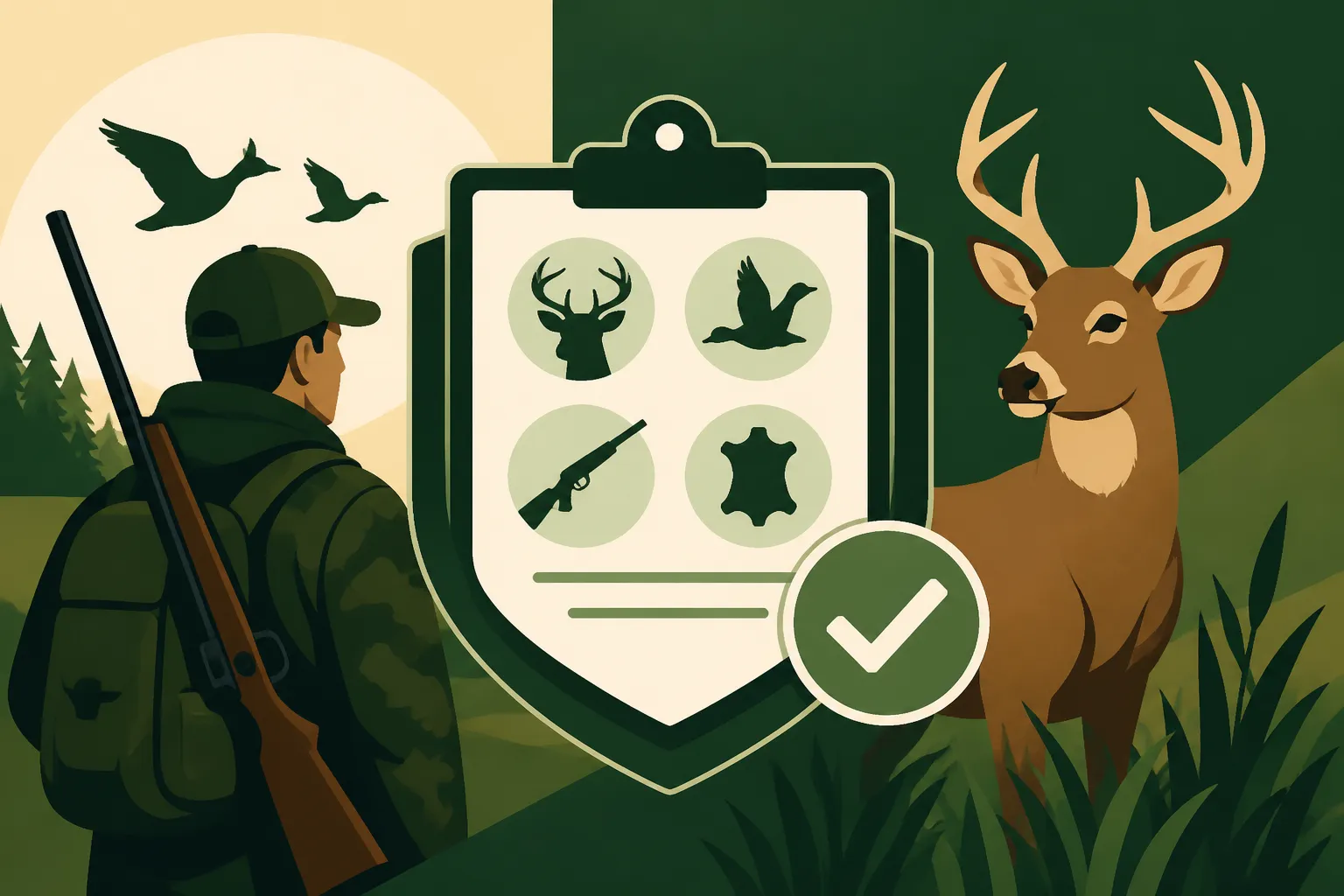
Here's a quick overview of typical coverage:
| Game Category | Covered Parts | Special Considerations |
|---|---|---|
| Big Game | Meat (all edible cuts), Antlers, Skulls, Hides (Capes) | Skulls should be clean; Hides salted/tanned. CITES for certain parts (e.g., bear gallbladders). |
| Small Game | Meat (whole or parts), Pelts | |
| Upland Birds | Meat (breasts, legs, whole plucked), Feathers | Federal Migratory Game Bird Permit also required for migratory birds. |
| Furbearers | Pelts (raw or tanned), Skulls | Check CITES for species like lynx or wolf. |
Navigating the Application Process and Border Crossing with Confidence
The process of obtaining an Ontario Game Export Permit is usually straightforward, but timing and attention to detail are paramount. Don't wait until the last minute, especially when dealing with the potential complexities of international borders.
Where and When to Apply
Typically, you'll obtain your export permit from the same authorized licence issuers where you bought your hunting licence and tags. These can include participating ServiceOntario locations, select retail partners, or occasionally through an outfitter if you're on a guided trip. Some non-resident hunters opt to get their permit immediately after harvesting their animal, once it has been validated or registered as required by provincial regulations. It's often issued on the spot, but be prepared for a short wait. The permit can be issued any time after the harvest but before you attempt to cross the border.
Required Documentation and Information
To get your export permit, you'll need to present proof of your legal harvest. This almost always includes:
- Your valid Ontario Outdoors Card.
- Your valid hunting licence for the species harvested.
- Your notched tag for the species harvested. The tag must be properly notched and affixed to the animal or its largest part, as per Ontario Tag Notching and Attachment Rules.
- Identification: A valid government-issued ID, like your passport or driver's licence.
- Proof of residency: For non-residents, this simply confirms your home address outside of Ontario.
The issuer will record details of your hunt, including the species, sex (if applicable), date of harvest, and the WMU where it was taken. This information is vital for wildlife management and tracking. Tools like GoHunt can help you organize and present these details efficiently, ensuring nothing is missed.
Cost and Validity
The cost of an Ontario Game Export Permit is generally quite minimal compared to the overall expense of a hunt. At the time of writing, it's typically in the range of $5-$10 CAD per permit. It's a small price to pay for peace of mind. The permit is usually valid for a set period, often around 30 days from the date of issue, giving you ample time to transport your game. However, it's always best to check the exact expiry date printed on your permit. Remember, this permit is for a single export shipment; if you somehow need to transport parts of the same animal at different times, you might need separate permits, so plan accordingly.
Dealing with Border Services and CITES
When you arrive at the border, whether driving or flying, you'll need to declare all wildlife products you are transporting. This includes all meat, trophies, and any other animal parts. Failure to declare can lead to significant fines, confiscation, and even future travel restrictions.
- Canada Border Services Agency (CBSA): Upon exiting Canada, you'll present your export permit, hunting licence, and any other relevant documentation to CBSA. They will verify the legality of your harvest and the permit.
- U.S. Customs and Border Protection (CBP): Upon entering the U.S., you'll again declare your wildlife products. CBP will require your Ontario Export Permit, your Canadian hunting licence and tags, and potentially a Non-Resident Firearm Declaration if you brought a firearm into Canada. For certain CITES-listed species, like black bear, you may also need to present a CITES export permit from Canada and potentially a CITES import permit from the U.S. Fish and Wildlife Service. This is where "Taking Meat and Antlers Across the Border" becomes a very detail-oriented process. Ensure all paperwork is in order and easily accessible.
Crucial Tips for a Stress-Free Export of Your Ontario Harvest
Successfully navigating the hunting season is one thing, but getting your harvest home without incident requires some foresight and diligent preparation. Here are some actionable tips to ensure your export process is as smooth as that first bite of moose backstrap.
Preparing Your Harvest Properly
The state of your game when it reaches the border can make a big difference in how quickly and easily you clear customs. Border agents are looking for clean, properly handled products that pose no risk.
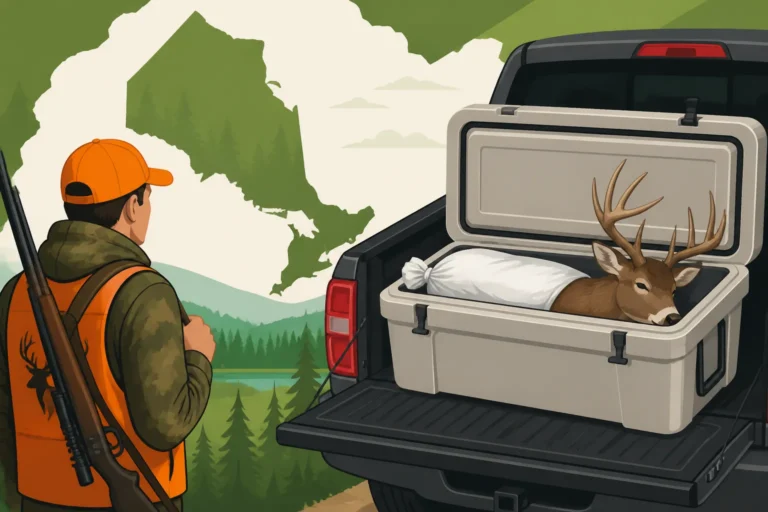
- Meat Preparation: Ensure all meat is clean, trimmed of excess fat (which can harbor bacteria), and free from dirt or hair. It should be properly cooled or frozen. Vacuum-sealing or wrapping tightly in freezer paper is highly recommended. Labeling each package with the species and date can also be helpful. When transporting large quantities, consider a well-insulated cooler filled with ice or dry ice. Remember that "Transporting Game Meat in Ontario" often involves these same careful considerations.
- Trophy Preparation: Skulls should be thoroughly cleaned of all tissue, brain matter, and fluids. Boiled or macerated skulls are ideal. Hides should be properly salted and dried, or professionally tanned, to prevent spoilage and insect infestation. Antlers are generally less problematic, but ensuring they are clean and free of dirt can prevent unnecessary questions. If you're using a taxidermist, ensure they understand the border requirements for preparation.
Keeping Records and Documentation Handy
Organization is your best friend when dealing with border crossings. Don't stuff your permits into a messy backpack.
- Physical and Digital Copies: Keep all your original permits, licences, and tags in a waterproof, easily accessible folder. Consider taking clear photos or scans of all documents and keeping them on your phone or a cloud service as a backup. While digital copies may not always be accepted as primary documentation, they can be invaluable if originals are lost or damaged.
- Detailed Log: Many hunters find it useful to keep a simple log of their harvest: species, date, WMU, and tag number. This can be particularly helpful if you've harvested multiple animals or are hunting as part of a group with a Ontario Group Moose Tag Rules scenario. Apps and services like GoHunt can provide templates for this kind of record-keeping, making it super easy to have all your details at your fingertips.
Understanding Cross-Border Regulations (Canada/US)
While your Ontario export permit handles the Canadian side, understanding U.S. import regulations is equally important. These can sometimes change, so it's always wise to do a quick check before your trip.
- USDA and CDC Requirements: The U.S. Department of Agriculture (USDA) and Centers for Disease Control and Prevention (CDC) have regulations concerning the import of animal products, mainly to prevent the spread of diseases like Chronic Wasting Disease (CWD), which fortunately is not considered prevalent in Ontario yet. For deer, moose, and elk, the general rule for hunters bringing meat from Canada to the US is that the meat must be deboned. This is a critical point; bone-in meat is often prohibited. Skulls and spinal columns are also often restricted. Always verify the most current regulations directly on the USDA and CDC websites.
- Firearm Declaration: If you brought a firearm into Ontario, remember that you also need to re-declare it when leaving Canada and re-entering the U.S. Ensure your Non-Resident Firearm Declaration Form (Form RCMP 5589/E) is readily available. Many outfitters will remind you about "Declaring a Firearm at the Canadian Border" as part of their pre-trip briefing, but it's ultimately your responsibility.
A little planning and careful attention to these details will ensure your hunting adventure concludes just as successfully as it began, with your hard-earned harvest safely in your possession back home.
Disclaimer
The information provided in this guide is for general informational purposes only and does not constitute legal advice. Hunting regulations, permit requirements, and border crossing rules can change frequently. Always consult the official Ontario hunting regulations summary, the Canada Border Services Agency (CBSA), and U.S. Customs and Border Protection (CBP) websites, or relevant government authorities for the most up-to-date and specific information before planning your hunt or crossing any borders.