Ontario Moose Draw Odds by WMU
Trying to navigate the Ontario moose draw can feel like an impossible puzzle, especially when you hear stories of folks waiting years, sometimes decades, to finally get that coveted tag. It’s not just about luck; it’s about understanding the intricate system and knowing where your best chances lie across the vast wilderness of our province. This guide is here to unravel the complexities of Ontario moose draw odds by Wildlife Management Unit (WMU), helping you make more strategic choices for your next application.
Understanding the Ontario Moose Tag Allocation System
The Ontario moose draw is a system designed to fairly distribute a limited number of moose tags among a large number of eager hunters. It’s a critical component of wildlife management, ensuring sustainable moose populations while providing hunting opportunities. But let's be honest, it often feels more like a mystical lottery than a clear process.
The Basics of the Draw System
At its heart, the Ontario moose draw operates on a points system, layered with a preference for different tag types and WMUs. Every year you apply and are unsuccessful, you accrue a point. These points are your currency in the draw, theoretically increasing your chances over time. It's a way to reward persistence, but it also creates a dynamic where high-demand WMUs can require a significant accumulation of points. The process unfolds in two main stages: the Primary Allocation Stage, where most tags are distributed, and the Second Chance Allocation, which handles any remaining tags. Understanding these fundamental steps is key to making an informed decision when it's time for your application. We've covered the ins and outs of this process in detail in our guide on Ontario's Moose Tag Allocation Process.
It’s crucial to remember that you’re not just applying for "a moose tag." You're applying for a specific type of tag – bull, cow, or calf – within a particular WMU. This specificity is where the true complexity, and opportunity, of the draw lies. Each WMU has unique quotas, and the demand for different tag types can vary wildly, directly impacting your draw odds.
How Hunter Points Accumulate and What They Mean
Each year you apply for a moose tag in the primary draw and don't receive one, you gain a "point." Think of it as a loyalty program for dedicated moose hunters. These points are not random; they're diligently tracked and are fundamental to your long-term strategy. The more points you have, the higher your priority in subsequent draws. For instance, if a WMU typically requires 10 points to draw a bull tag, someone with 9 points is still out of luck until they accumulate that 10th point (or get incredibly lucky in a random draw within their point bracket).
The critical catch, and the source of much angst, is that once you successfully draw a moose tag – any moose tag, be it bull, cow, or calf – your accumulated points reset to zero. This "use it or lose it" aspect means hunters are constantly balancing the desire to hunt now with the strategic advantage of banking points for a truly prime WMU. It's a big decision, especially when you consider how many years you might have been building up that point total. To dive deeper into the mechanics, take a look at our article on How Ontario Moose Points Accumulate. Hunters often agonize over whether to burn their points on a "sure thing" tag in a less desirable WMU or hold out for that trophy hunt they've been dreaming of.
The Role of Wildlife Management Units (WMUs) in Moose Draws
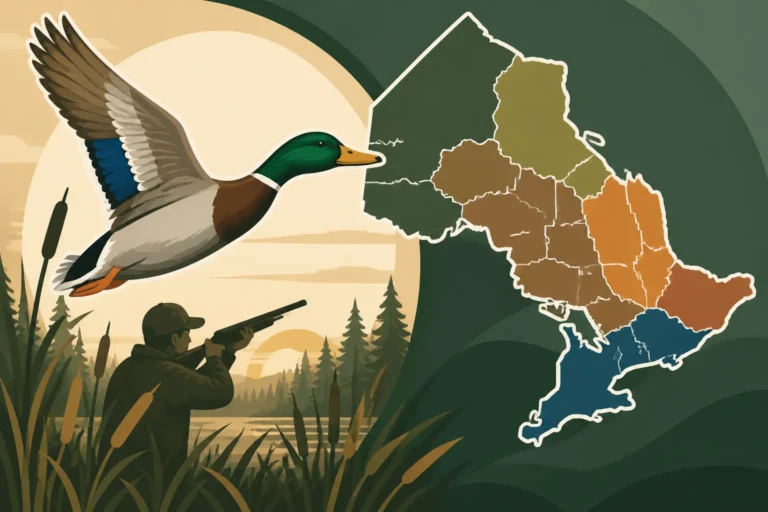
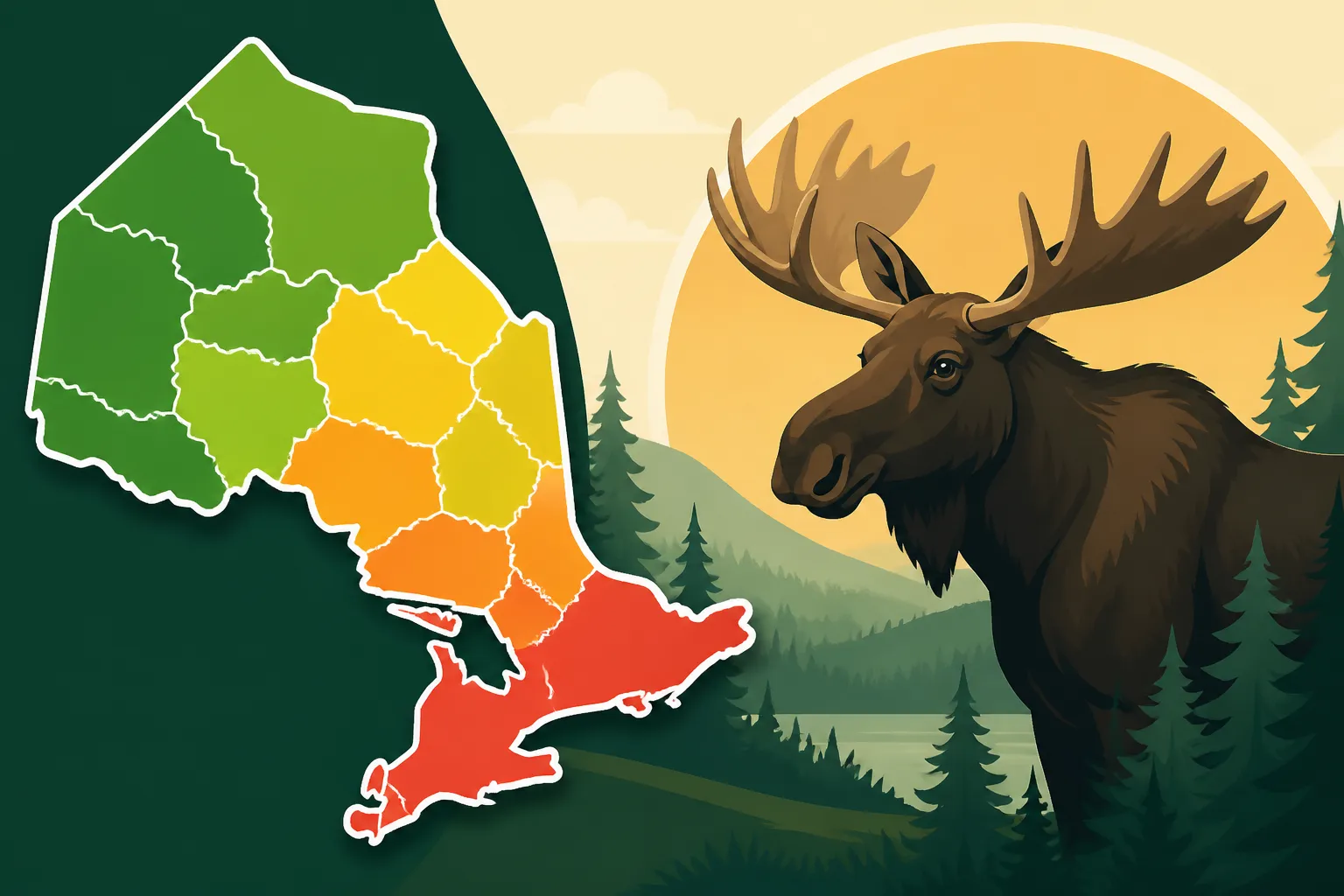
Ontario is divided into numerous Wildlife Management Units, or WMUs, each with its own unique characteristics, moose populations, and hunting regulations. These units are the backbone of the province’s wildlife management strategy, allowing for localized control and tailored approaches to conservation and hunting pressure. The importance of WMUs in the moose draw cannot be overstated; they are the primary determinant of your draw odds.
Why do WMUs matter so much? Simply put, not all moose country is created equal. Some WMUs boast higher moose densities, larger average antler sizes, or better accessibility, naturally attracting more applicants. Conversely, more remote or less productive units might have fewer applicants, leading to better draw odds. Each year, the Ministry of Natural Resources and Forestry (MNRF) sets specific tag quotas for each WMU, breaking them down by bull, cow, and calf. These quotas are based on population surveys, harvest data, and management goals for that specific area. Understanding these localized dynamics is vital. You can find detailed maps and boundaries for these areas in our guide to Ontario's Wildlife Management Units.
Analyzing Moose Draw Odds Across Key WMUs
Navigating the various WMUs and their corresponding draw odds is the crux of a successful moose tag strategy. It’s where data meets intuition, and where a little bit of research can go a long, long way.
High-Demand WMUs and Their Draw Challenges
Certain WMUs are consistently hotbeds of moose activity and, consequently, hunter interest. These are often units in Northern Ontario with healthy, thriving moose populations, such as specific zones around Thunder Bay, Timmins, or the general Northwestern Ontario region. WMUs like 15A, 21A, or even certain accessible portions of 18B, tend to draw a massive number of applications due to their reputation for robust moose populations and the potential for a truly memorable hunt. For example, some of the areas renowned for trophy bulls, such as those within the traditional Hunting Northwestern Ontario's Big Bush regions, will see a significant number of high-point applicants vying for a limited number of tags.
The challenge with these units is clear: phenomenal hunting potential leads to fierce competition. Drawing a bull tag in one of these high-demand WMUs often requires accumulating a substantial number of points – sometimes 10, 15, or even more. This means years of unsuccessful applications for many hunters. While the dream of hunting one of these prime zones is powerful, it's crucial to go into the application process with realistic expectations regarding the point requirements. Tools like GoHunt can provide invaluable historical data, showing you the minimum points required to draw a tag in these units in previous years, which is a great reality check.
WMUs Offering Better Odds for Specific Tags (Bull vs. Cow vs. Calf)
One of the most important nuances of the Ontario moose draw is that odds aren't uniform across all tag types within a WMU. You might face incredibly steep odds for a bull tag in a given unit, while cow or calf tags in that same unit might be considerably easier to draw. This is due to a variety of factors, including population management goals, hunter preference, and the sheer number of applicants for each category.
Generally, bull tags are the most sought-after and thus have the lowest draw odds. Hunters dream of that big rack, and they’re willing to wait for it. Cow tags, while still competitive in many units, often present better odds, especially in units with healthy, growing populations where managing the female herd is part of the conservation strategy. Calf tags, which offer an opportunity for meat harvesting, typically have the highest draw odds. They are a fantastic option for hunters who prioritize getting out in the bush and filling their freezer over the pursuit of antlers. Understanding these differences and being flexible with your tag preference can significantly improve your chances. We detail this distinction in our article on Applying for a Bull Versus Cow Tag. For instance, a WMU notorious for its tough bull draw might have surprisingly accessible cow or calf tags, making it a viable option for a group focused on meat.
Strategic WMU Choices for First-Time Applicants or Low-Point Hunters
If you're a first-time applicant or someone with only a few points, applying for those highly coveted, double-digit point WMUs is likely a recipe for disappointment. Instead, a smarter approach involves targeting WMUs that offer a more realistic chance of drawing a tag, even if they aren't the "trophy hot spots." These units often fall into a few categories:
- More Remote or Less Accessible WMUs: Units requiring float plane access, extensive canoe trips, or long drives down difficult logging roads tend to have fewer applicants. While the logistics are more challenging, the draw odds can be significantly better. These units might be found in vast stretches of Northern Ontario that simply don't have the road infrastructure of more populated areas.
- WMUs with Lower Moose Densities (but still good hunting): Some units have healthy moose populations, but perhaps not the density that draws massive attention. These areas can still offer fantastic hunting experiences, often with fewer competing hunters in the bush once you've drawn your tag. It might mean covering more ground, but the reward is a legitimate hunting opportunity.
- Units with a Higher Proportion of Cow or Calf Tags: As discussed, if you're open to harvesting a cow or calf, certain WMUs will offer much better odds for these tags, even if the bull tags remain competitive. This is a pragmatic approach to getting a tag in hand sooner rather than later.
Consider exploring units in parts of the Clay Belt or areas further north that might not get the same press as the "destination" hunts. These are areas where you might find more manageable odds, sometimes requiring only a handful of points or even being accessible in the random portion of the draw. It’s about managing expectations and being strategic. Platforms like GoHunt can help identify these diamonds in the rough by allowing you to filter WMUs by historical point requirements and success rates, helping you uncover opportunities others might overlook.
Leveraging Data and Strategy for Your Moose Application
Getting a moose tag in Ontario is a marathon, not a sprint. It requires patience, a deep understanding of the system, and crucially, strategic application. Simply throwing your name in the hat for your "dream unit" every year without data is akin to hoping to win the lottery without ever checking the numbers.
Interpreting Historical Draw Data
The single most powerful tool at your disposal for improving your draw odds is historical data. The MNRF often releases summary reports detailing the number of applicants, tags allocated, and the minimum points required for successful draws in each WMU for bull, cow, and calf tags. This information is gold. You want to look for trends: what's the average number of points needed for a bull tag in WMU X? Has it increased or decreased over the last few years? How many applicants were there versus tags available?
For instance, if a WMU consistently required 8 points for a bull tag, and you currently have 7 points, you know you're likely another year away. If it required 15 points, and you have 5, you know that’s a very long-term goal. While past results don’t guarantee future outcomes – moose populations can shift, and hunter interest changes – they are the absolute best predictor you have. This kind of research is vital for understanding How Many Points a Tag Usually Takes for your desired WMUs. Analyzing this data diligently will help you gauge where you stand and what your realistic options are for the upcoming season. Without it, you're truly guessing.
Crafting a Multi-WMU Application Strategy
Given the varying odds and your point accumulation, it’s rarely wise to put all your eggs in one basket. Ontario's application allows you to select multiple WMU choices for your first, second, and third preferences. This is where a smart strategy comes into play. Your first choice might be that dream WMU that requires a high number of points – the one you're building points for. Your second choice could be a WMU that historically requires slightly fewer points, offering a more realistic chance if you don't get your first pick. And your third choice? That's your "safety net" WMU, an area with significantly better odds, perhaps for a cow or calf tag, ensuring you have a very strong chance of drawing something to get out in the bush.
This tiered approach balances ambition with practicality. If you're hunting with a group, the strategy becomes even more critical. You need to coordinate your applications to maximize the group's collective chances, especially considering how point allocation works for party applications. For detailed advice on this, check out our resource on How an Ontario Moose Hunt Party Works. Timing is also essential; knowing When Primary Moose Applications Open and observing The Primary Moose Application Deadline are critical dates to mark on your calendar every year. Don't rush your choices at the last minute; give yourself time to analyze the data and discuss with your hunt partners. Once When Primary Moose Results Are Posted, you'll either be celebrating or already planning next year's strategy.
Here's a simplified example of how you might structure your WMU choices:
| Preference | WMU Example | Tag Type | Rationale (e.g., historical points needed) | Draw Odds |
|---|---|---|---|---|
| 1st Choice | WMU 15A | Bull | High Point (10+), Dream Hunt | Low |
| 2nd Choice | WMU 20 | Bull | Medium Point (5-8), Realistic Goal | Medium |
| 3rd Choice | WMU 35 | Cow/Calf | Low Point (0-3), High Chance for Meat | High |
Note: WMU examples and point requirements are illustrative and subject to change based on actual annual draw results and moose populations. Always consult current MNRF data.
Scouting and Preparation Beyond the Draw
Successfully drawing a moose tag, regardless of the WMU, is a huge accomplishment, but it’s just the beginning of the journey. The hard work of scouting, planning, and preparing for your hunt still lies ahead. Many hunters make the mistake of focusing solely on the draw, only to realize they have no concrete plan once they finally get a tag.
Even for WMUs known for Where Ontario's Moose Are Densest, the moose aren't just standing by the side of the road waiting for you. You need to understand the terrain, identify potential moose habitat, and plan your access. This means poring over maps, using satellite imagery to locate prime feeding areas, bedding cover, and travel corridors. Even for a unit you’ve never hunted, you can start this research long before the draw results are out. Tools like GoHunt offer advanced mapping features that allow you to analyze topography, water sources, and vegetation types, helping you pinpoint promising areas from your living room.
Once you have your tag in hand, that digital scouting needs to turn into boots-on-the-ground (or water-in-the-canoe) reconnaissance. Learning to read sign, understanding moose movement patterns, and knowing when and how to effectively make Calling a Bull Moose in the Rut are skills that take time and practice. Remember, the quality of your hunt isn't solely determined by the WMU; it's also about the effort and preparation you put in.
Disclaimer
The information provided in this guide is for general informational purposes only and is not intended as legal advice. Hunting regulations, season dates, and draw processes for Ontario can change annually. It is the responsibility of every hunter to consult the most current official regulations published by the Ontario Ministry of Natural Resources and Forestry (MNRF) before participating in any hunting activity. Always confirm all details directly with official government sources.