When Second Chance Applications Open
Missing out on your dream moose tag in Ontario's primary draw can be a real punch to the gut. All that anticipation, all that planning, only to see "unsuccessful" beside your name. But don't despair! Many hunters overlook a crucial second opportunity to still get into the woods for moose: the Second Chance Allocation. This comprehensive guide will walk you through exactly when these vital applications open, why they matter, and how to navigate the process to hopefully secure your moose tag.
Understanding Ontario's Moose Tag Allocation Process
Before we dive into the nitty-gritty of the second chance, it's important to understand where it fits into the larger picture of Ontario's moose tag allocation. The province aims to manage its moose populations responsibly, and that means a carefully structured system for distributing hunting opportunities. This isn't just about handing out tags; it's about balancing hunter demand with conservation goals.
The Primary Draw Versus Second Chance
The primary moose tag draw is, as the name suggests, the main event. It's where the vast majority of moose tags for the upcoming season are allocated. Hunters apply for specific WMUs (Wildlife Management Units) and tag types (bull, cow, calf) based on their accumulated points, and a lottery system then determines who gets what. It's a high-stakes process, especially for popular units, and it's where most hunters place their hopes and dreams.
However, not all tags are claimed or successfully allocated in this primary round. Sometimes, hunters who drew a tag decide not to claim it for various reasons – perhaps their plans changed, or they drew a tag for a WMU they didn't ultimately want. Other times, specific tag types or WMUs might not have had enough applicants to exhaust all available tags in the primary draw. This is where the Second Chance Allocation steps in. It's designed to redistribute these remaining tags, ensuring that as many hunting opportunities as possible are utilized, rather than letting valuable tags go to waste. It’s a different ball game entirely, often requiring a shift in strategy and a keen eye on timing. For a full rundown of the larger system, you can explore Ontario's Moose Tag Allocation Process.
How Moose Points Influence Second Chance Opportunities
For many hunters, the word "moose draw" immediately conjures images of points. In Ontario, moose points are accumulated each year you apply in the primary draw and are unsuccessful. These points are critical in the primary draw, as they significantly increase your odds of drawing a coveted tag in subsequent years. The more points you have, the better your chances against other applicants.
However, this point system doesn't directly apply to the Second Chance Allocation in the same way. While the availability of tags in the second chance is a direct result of the primary draw's outcome (i.e., tags that weren't taken or didn't meet point thresholds), your personal point total doesn't usually give you a direct advantage during the second chance application itself. Instead, the second chance often operates on a different mechanism – sometimes a simpler, smaller lottery, or, more commonly, a fast-paced, first-come, first-served basis for specific available tags. This means you could have 15 points and still be unsuccessful in the primary, but then secure a second chance tag in a less desired WMU where points weren't the deciding factor. To truly understand the nuances of the point system, delve into Ontario's Moose Points System.
The Critical Window: When Second Chance Applications Open
This is the information you've been waiting for. Knowing precisely when to act is the key to successfully navigating the second chance allocation. Blink, and you might miss it!
Typical Dates and How to Stay Informed
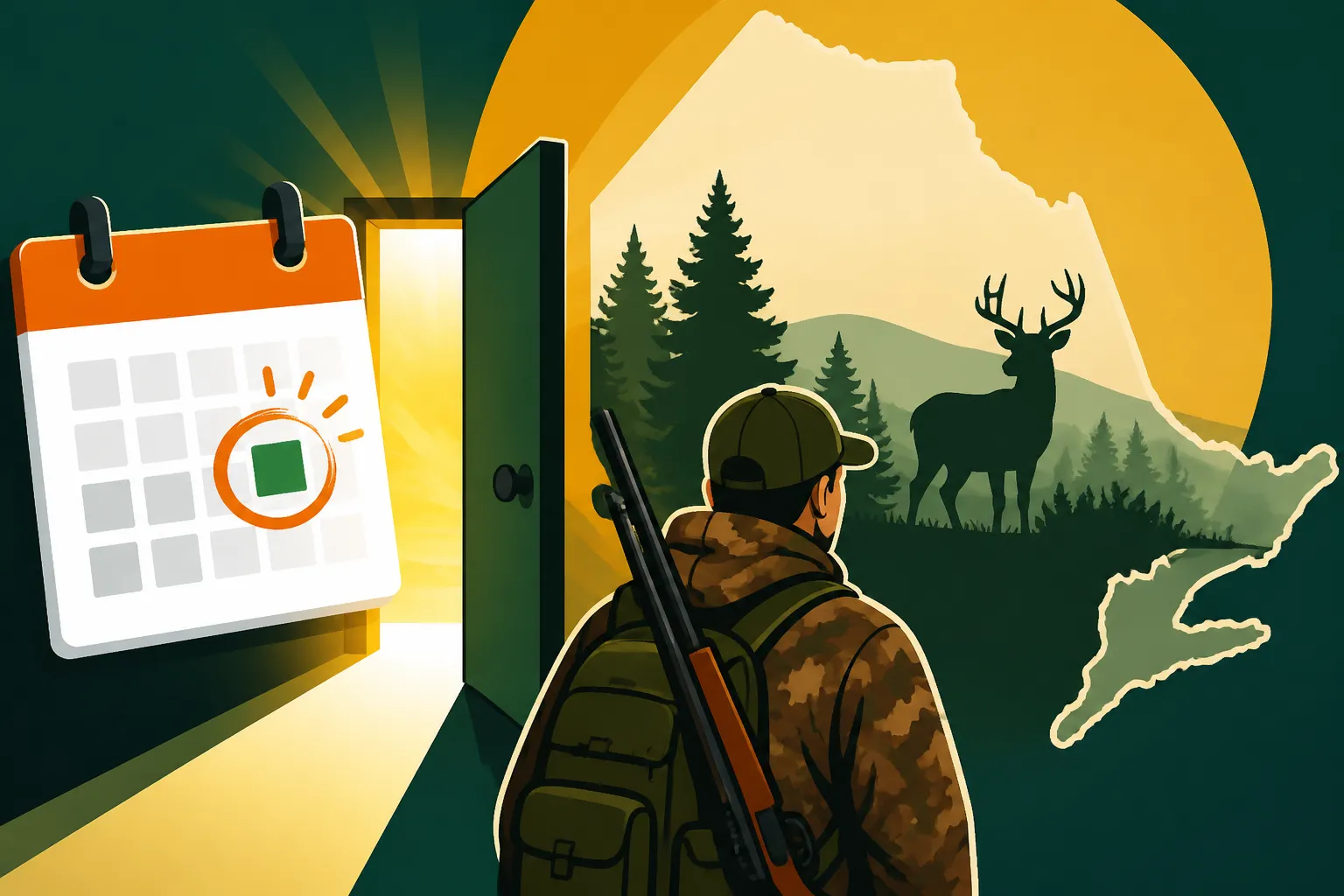
Historically, the Second Chance Application window for Ontario moose tags typically opens in mid-June. This timing makes a lot of sense: the primary draw results are usually posted in late May, giving successful hunters a specific deadline (often early June) to claim their allocated tags. Once that deadline passes, the Ministry of Natural Resources and Forestry (MNRF) can then compile a definitive list of all unclaimed and remaining tags. It's usually about a week or two after the primary tag claim deadline that the second chance window opens.
It’s absolutely crucial to understand that these dates can fluctuate slightly from year to year. The best way to ensure you don't miss this opportunity is to diligently monitor the official sources. Bookmark the MNRF website, subscribe to any official newsletters they offer, and make it a habit to check the most current Ontario Hunting Regulations Summary as May turns into June. Setting calendar reminders on your phone or computer for "check for moose second chance opening" is a smart move many veteran hunters employ. Some hunters also find online platforms like GoHunt to be incredibly helpful. These services often track official announcements and can provide real-time updates directly to your inbox, streamlining the process and reducing the need for constant manual checking. This proactive approach ensures you're ready to jump on any available tags the moment they appear.
The Importance of Timeliness in the Second Chance Draw
I can't stress this enough: for the Second Chance Allocation, timeliness is not just important, it's often everything. Unlike the primary draw, where you apply within a month-long window and then wait for results, the second chance can feel like a high-speed sprint. Tags, especially any remaining bull tags or tags in more accessible WMUs, can be snatched up incredibly quickly – sometimes within minutes or hours of the application window opening.
Imagine this scenario: you're logged in the moment the application portal goes live, eagerly refreshing the page. You spot a cow tag in a WMU you'd be thrilled to hunt. You click to apply, and as you're entering your details, you refresh again, and poof, it's gone. This isn't an exaggeration; it happens to hunters every year. Having all your ducks in a row – your Outdoors Card number memorized or readily accessible, your payment information prepped, and a prioritized list of acceptable WMU codes at your fingertips – is absolutely vital. Any hesitation or fumbling with information can cost you that precious tag. This is particularly true if you’re looking for specific antlered tags or in more competitive areas. Don't be that hunter who misses out because they had to search for their credit card.
Here’s a quick overview of typical moose draw dates to help you visualize the timeline:
| Stage | Primary Moose Application (Typical) | Second Chance Application (Typical) |
|---|---|---|
| Application Window | April 1 – April 30 | Mid-June (approx. June 15-30) |
| Results Posted | Late May (approx. May 20) | Late June/Early July (approx. July 5) |
| Tag Claim Deadline | Early June (approx. June 10) | Mid-July (approx. July 15) |
| Points Used | Yes, directly impacts odds | No, lottery/first-come basis |
| Tags Available | All allocated tags | Unclaimed/remaining tags |
Navigating the Second Chance Draw: Strategy and Tips
So, you're ready and waiting for the second chance window to open. But what's your game plan? Just like any successful hunt, preparation and strategy are key to making the most of this unique opportunity.
Researching Available WMUs and Tags
The first step in any effective second chance strategy is diligent research. Before that application window even thinks about opening, the MNRF will typically publish a list of tags that are available for the Second Chance Allocation. This list is your golden ticket. It details which WMUs have remaining tags and what type of tags they are (bull, cow, or calf). Don't just skim it; dive deep. You might find tags in WMUs you hadn't considered before, or for species types you originally passed over.
This is where flexibility really pays off. While you might have dreamed of a specific trophy bull tag in your preferred WMU, the second chance often requires an open mind. Be prepared to consider Hunting Northwestern Ontario's Big Bush or Hunting Northeastern Ontario's Clay Belt if that's where the tags are available. A moose tag in a new, perhaps less familiar, area is far better than no moose tag at all. Utilize tools like GoHunt to quickly cross-reference WMU information, pull up maps, and get a preliminary feel for the terrain, access points, and local regulations in any potential new hunting grounds. It's crucial to understand these details, especially when navigating areas like Hunting Ontario's Northern Lake Country or vast tracts of Crown Land. Remember, referring to Reading an Ontario WMU Map Before You Go is always a smart move to understand the lay of the land.
Considering Group Hunt Options for Second Chance
Group hunting can be a significant advantage, especially when it comes to the second chance allocation. If a particular WMU has several unclaimed tags, organizing a hunting party with friends or family can substantially increase your collective odds of securing at least one tag among you, even if individual chances for a specific type of tag are slim.
The process for the second chance, whether it's first-come, first-served or a quick lottery, benefits from coordinated effort. Imagine multiple members of your group logged in simultaneously, ready to apply the instant the window opens. If one person sees an available tag and applies, the others can quickly adjust their targets. This collective approach greatly enhances your probability of success. Before the application period, sit down with your potential group members. Discuss which WMUs everyone is willing to consider, and what types of tags (bull, cow, calf) are acceptable. Having a clear, pre-determined plan minimizes confusion and delays during the high-pressure application window. This type of strategic planning is key to How an Ontario Moose Hunt Party Works. Even if your group doesn't land an antlered tag, securing a cow or calf tag can still lead to a incredibly rewarding and productive hunt, helping to fill multiple freezers and create lasting memories.
Maximizing Your Odds: What Happens After You Apply
Once you've submitted your second chance application, you might feel a mix of relief and renewed anticipation. The hard part of applying is over, but there are still a few steps and considerations to keep in mind.
Waiting for Results and What Comes Next
After you’ve successfully submitted your second chance application, a shorter waiting game begins. The results for the Second Chance Allocation are typically posted relatively quickly, often within a week or two of the application window closing. You'll usually receive an email notification informing you of your status, or you can log into your online account on the Fish and Wildlife Licensing Service portal to check directly.
If you're one of the lucky ones and receive a successful notification, congratulations! Your next, and equally critical, step is to claim your tag promptly within the specified deadline. This deadline is often quite tight in the second chance process, so don't let it slip by. Failing to claim your tag within this window can lead to its forfeiture, and that tag might then be offered in an even later, smaller allocation, or simply go unused. This process is very similar to what happens When Primary Moose Results Are Posted and you have to claim your tag. Even if you don't get your absolute dream tag, claiming what you've earned is vital. Once you have it, it's time to shift your focus to the exciting part: planning the hunt itself!
Understanding Remaining Tag Options and Future Planning
If, despite your best efforts, the Second Chance Allocation doesn't yield a moose tag, it can be disheartening. However, this isn't the end of your hunting journey. It's an excellent opportunity to reflect on your strategy and start planning for future seasons. What might you do differently next year? Did you apply for WMUs that, even in the second chance, proved too popular? Did you miss the application window by a crucial few hours?
For future applications, consider broadening your horizons. Research WMUs that historically have lower point requirements or those that frequently show available tags in the second chance. While these might not be the traditional "trophy" areas, they offer more realistic opportunities to get a moose tag in hand. Services like GoHunt provide historical data and insights into tag availability and draw odds across various WMUs, which can be invaluable for refining your strategy. Reviewing resources like Ontario Moose Draw Odds by WMU can help you make more informed decisions moving forward. And remember, a hunting season without a moose tag doesn't mean no hunting at all! Ontario offers a wealth of other incredible hunting opportunities, from Whitetail Hunting in Ontario to Black Bear Hunting in Ontario or even Waterfowl Hunting Across Ontario. Keep those hunting skills sharp and your freezer stocked with other game while you strategize for your next moose adventure.
Disclaimer
This information is for general guidance only and is based on typical procedures and historical data. Hunting regulations in Ontario, including application dates, allocation processes, and tag availability, can change frequently. Always consult the most current official Ontario Hunting Regulations Summary and the Ministry of Natural Resources and Forestry (MNRF) website for the definitive and most up-to-date information before planning any hunt or applying for any tags.