What a Non-Resident Moose Licence Costs
Trying to navigate the costs associated with hunting in a new jurisdiction can feel like deciphering a secret code, especially when you're dreaming of a moose hunt in Ontario. The truth is, figuring out exactly what a non-resident moose licence will set you back often leads to a tangled mess of provincial websites and forums. This guide is here to untangle that for you, providing a clear, realistic breakdown of the costs involved so you can budget for your dream hunt with confidence.
Understanding Ontario's Non-Resident Hunting Framework
Before you even get to the moose tag itself, there are a couple of fundamental pieces of paperwork and their associated costs that every non-resident hunter needs to acquire. It's not just a single "moose licence" but a layered system that ensures everyone operating in the field is properly identified and authorized. Many hunters, particularly those from outside of Canada, often overlook these preliminary steps, which can lead to delays or unexpected expenses when it's time to hit the woods.
The Essential Outdoors Card for Non-Residents
Think of the Ontario Outdoors Card as your primary hunting ID in the province. It's a mandatory document for all hunters, residents and non-residents alike, and you simply cannot purchase any hunting licence without one. This card isn't something you buy every season; it's valid for three calendar years from the date of issue. While it might seem like just another bureaucratic hoop to jump through, it's how the province tracks your eligibility and keeps your hunting history organized.
For non-residents, the current cost of an Outdoors Card is typically around $9.00 CDN (always check the official Ontario Fish and Wildlife website for the most current pricing, as fees can adjust). While this might seem like a small amount in the grand scheme of a moose hunt, it's a non-negotiable first step. If you've never hunted in Ontario before, or if your previous card has expired, this will be your very first purchase. It’s also important to remember that this card is usually needed well in advance, as applying online and receiving it by mail can take some time. Many hunters find it easiest to Getting an Ontario Outdoors Card sorted out months before their trip to avoid any last-minute stress.
The Non-Resident Base Hunting Licence
With your Outdoors Card in hand, the next step for any non-resident looking to hunt big game in Ontario is to purchase a non-resident hunting licence. This isn't specific to moose; it's your general permit to hunt big game species in the province. It acts as the foundational permit upon which specific game tags, like a moose tag, are then added. You can't just buy a moose tag; you need this base licence first.
This non-resident base hunting licence comes with its own fee, which is significantly more substantial than the Outdoors Card. For example, a non-resident typically pays around $240.00 CDN for this base licence. This fee covers your general right to hunt big game for the season but does not include any specific tags. It's a common point of confusion for newcomers who might assume the "moose licence" is one all-encompassing purchase. But no, this is simply the entry ticket to be allowed to pursue big game, and the moose tag is an additional, separate purchase you layer on top. Understanding the Rules for Non-Residents Hunting Ontario is crucial here, as it outlines all these foundational requirements.
Breaking Down the Non-Resident Moose Licence Cost
Now, let's get to the heart of the matter – the actual cost of the moose tag itself. This is often the most significant single expenditure directly related to the hunt, outside of booking an outfitter. It’s vital to understand that this fee is specific to the animal you’re pursuing and is added on top of your Outdoors Card and non-resident base hunting licence.
The Moose Tag Itself: What You're Really Paying For
Once you have your Outdoors Card and non-resident base hunting licence, you can then acquire a moose tag. For non-residents, this is generally referred to as a "Moose Hunting Licence," but it’s essentially the tag that permits you to harvest a specific class of moose (bull, cow, or calf, depending on the tag you obtain). The cost for this tag is substantial, reflecting the value of the resource and the management efforts involved.
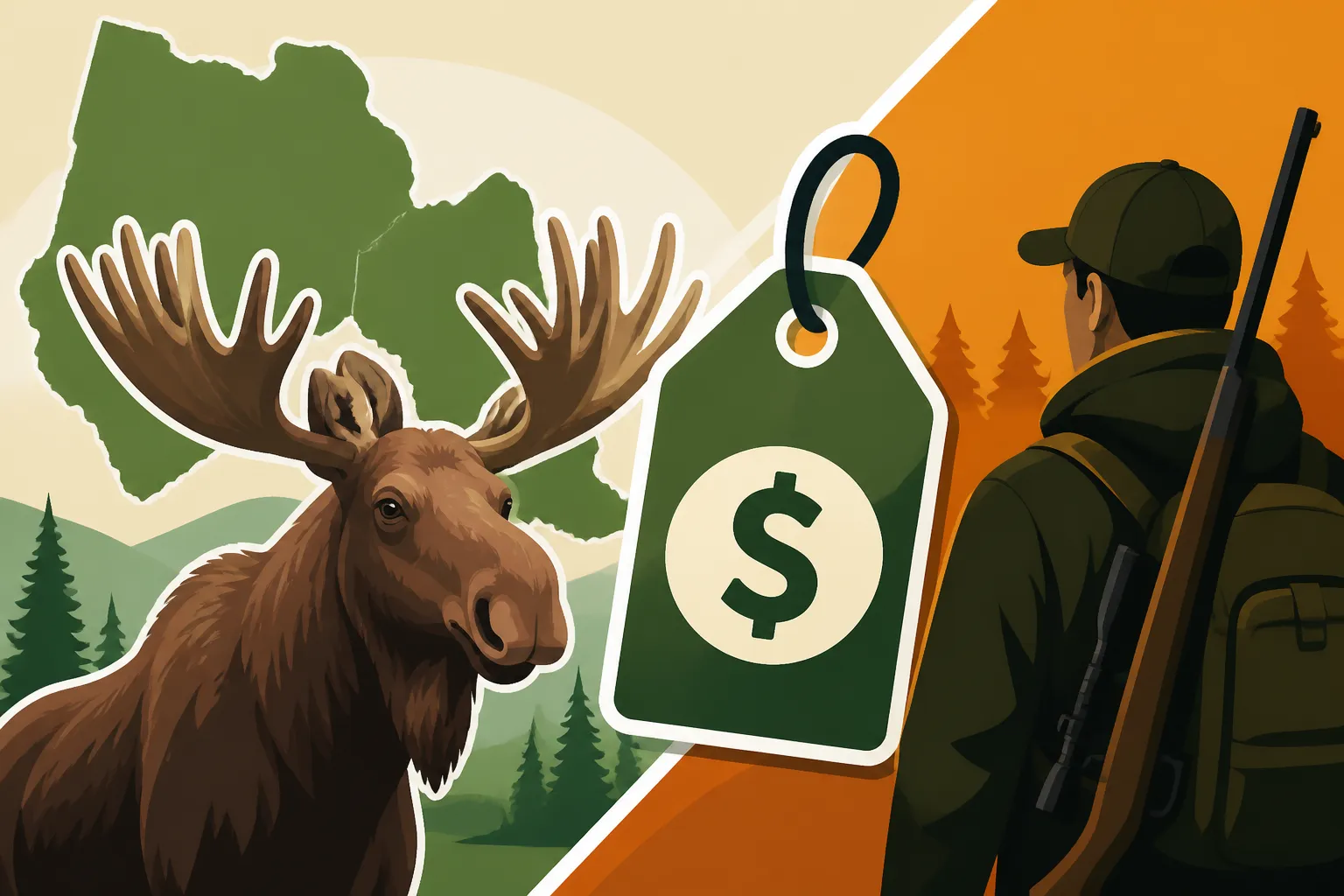
Currently, a non-resident moose tag costs approximately $505.00 CDN. This amount is on top of the previously mentioned Outdoors Card and the base non-resident hunting licence. So, if you're keeping a running tally in your head, you can already see that the total for just the necessary permits starts to add up quickly. This fee grants you the right to harvest one moose, provided you comply with all other regulations, including the specific Wildlife Management Unit (WMU) and season dates for which your tag is valid. It's worth noting that costs can fluctuate slightly year to year, so always confirm with the official Ontario hunting regulations when planning your trip. For a direct comparison, you can look at the general Ontario Moose Licence Cost for residents, which is typically much lower.
Additional Fees and Considerations
Beyond the core licence and tag, there are a few other potential fees and considerations that non-residents should absolutely factor into their budget. These can often be overlooked but are necessary components for a legal and smooth hunting trip.
One such fee is for a Non-Resident Export Permit. If you successfully harvest a moose and wish to take the meat and/or antlers back home with you, you'll need this permit. The cost for an export permit is typically around $35.00 CDN. This document is crucial for legally transporting your game across international borders. Without it, you could face significant issues with customs officials.
Furthermore, if you are bringing your own firearm into Ontario from outside Canada, you will need to complete a Non-Resident Firearm Declaration Form ( RCMP 5589/CAFC 909 ) and pay an associated fee, usually around $25.00 CDN. This form, once confirmed by a Canadian customs officer, acts as a temporary licence for your firearm for up to 60 days. It's a non-negotiable step, and failing to declare your firearm properly can lead to serious legal consequences. More detailed information can be found on Bringing Firearms Into Ontario.
Here’s a quick summary table of the direct governmental costs you'd typically encounter as a non-resident planning a moose hunt:
| Item | Approximate Cost (CDN) | Notes |
|---|---|---|
| Ontario Outdoors Card (3-year) | $9.00 | Mandatory, first purchase. Valid for 3 years. |
| Non-Resident Base Hunting Licence | $240.00 | Mandatory base licence for big game hunting. |
| Non-Resident Moose Tag | $505.00 | Specific tag for moose, added to base licence. |
| Non-Resident Export Permit (if needed) | $35.00 | Required to take harvested game (meat/trophy) out of Ontario. |
| Non-Resident Firearm Declaration (if bringing own firearm) | $25.00 | Mandatory for temporary firearm import from outside Canada. |
| Total Estimated Minimum | $754.00 – $814.00 | This is for licences/tags only, excluding outfitter fees, travel, etc. |
Note: All costs are approximate and subject to change by the Ontario Ministry of Natural Resources and Forestry (MNRF). Always consult the official Ontario Hunting Regulations Summary for the most current and accurate information.
Navigating the Moose Tag Allocation Process as a Non-Resident
Unlike residents who can apply through a draw system, the process for non-residents to obtain a moose tag in Ontario is fundamentally different. It's not as simple as walking into a licence issuer and buying one off the shelf. This is where the crucial role of licensed outfitters comes into play.
Working with an Ontario Outfitter for a Moose Tag
For the vast majority of non-residents, obtaining a moose tag in Ontario means booking a hunt through a licensed Tourist Outfitter. The province allocates a specific number of moose tags directly to these outfitters each year. These tags are then part of the hunting packages they offer to non-resident clients. You cannot typically apply for a non-resident moose tag directly from the government and then go hunt on your own. This system is designed to manage harvest pressure, support the tourism industry, and ensure non-residents have a safe and guided experience, especially in remote areas.
This means that the "cost of a non-resident moose licence" is often bundled into a much larger outfitter package. The outfitter will handle the specifics of obtaining the tag for you as part of your booking. They have a quota of tags for specific WMUs (Wildlife Management Units) and seasons. Therefore, when you're looking at your total budget, the outfitter's package price will include the cost of that tag, alongside all their guiding services, accommodation, and other amenities.
Tools like GoHunt, or simply browsing reputable outfitter directories, can be incredibly helpful here. You can find outfitters specializing in moose hunts across different regions of the province, from the remote reaches of Northwestern Ontario to the more accessible areas in the Northeast. When you reach out to these outfitters, they'll outline what their Booking an Ontario Moose Hunt packages include, and that package price will encompass your non-resident moose tag.
The Value of a Guided Non-Resident Moose Hunt
While the all-inclusive nature of an outfitter package means a higher upfront cost than just the tag itself, it also brings immense value, especially for a large game animal like moose in challenging terrain. A guided hunt means you benefit from the outfitter's local knowledge, experience, and resources. This often includes access to private lands, pre-scouted areas, proper equipment like boats or ATVs for access and game retrieval, and professional guides who know the habits of moose in their specific area.
An outfitter's package often includes:
- The Moose Tag: As discussed, this is allocated by the outfitter.
- Accommodation: From rustic bush camps to more comfortable lodges.
- Meals: Often home-cooked and hearty to fuel your hunt.
- Guiding Services: Expert guides who lead you to hunting areas, assist with calling, tracking, and recovery.
- Transportation: Getting you to and from hunting locations within the camp area.
- Game Care: Assistance with field dressing, quartering, and getting your animal back to camp.
So, while the non-resident moose tag itself is around $505 CDN, the total cost for a guided hunt can range from $5,000 to $15,000+ CDN, depending on the outfitter, the length of the hunt, the amenities, and the services included. It's a significant investment, but it dramatically increases your chances of success and provides a comprehensive, often once-in-a-lifetime experience. When you're researching potential trips, an outfitter like those listed on GoHunt will give you a clear breakdown of their package prices, which will always include the cost of the tag as part of their service. Understanding What an Ontario Guided Moose Hunt Includes will help you compare packages.
Beyond the Licence: Other Costs to Budget For
While the licences and tags are the official entry points to your moose hunt, they are far from the only expenses. A truly comprehensive budget needs to account for travel, gear, meat processing, and even potential trophy handling. Ignoring these can lead to nasty surprises and strain your finances mid-trip.
Travel, Accommodation, and Logistics
Getting to Ontario, and then to your specific hunting location, especially for a moose hunt that often takes place in the more remote northern or central parts of the province, requires significant logistical and financial planning.
- Transportation to Ontario: Whether you're flying in from overseas or driving from the United States, this is a major expense. Factor in airfare, gas for driving, potential car rentals if flying in and driving to camp. Many non-residents drive to Ontario to bring their own firearms and have more flexibility with gear and game transport.
- Accommodation Pre/Post-Hunt: Depending on your travel schedule, you might need a night or two in a hotel before meeting your outfitter or before heading home. These incidental overnight stays can add up.
- Food and Supplies: While guided hunts often include meals, you'll still need to budget for snacks, drinks, and personal items. If you're arranging a semi-guided or unguided trip (less common for non-resident moose, but possible through specific arrangements with some outfitters), your food budget will be much higher.
- Crown Land Camping Permits: If your trip involves camping on Crown Land, non-residents need to acquire a The Non-Resident Crown Land Camping Permit. This is usually a nominal fee per person per night, but crucial for legality.
For example, a drive from a state like Michigan to a camp near Hearst or Chapleau could involve hundreds of dollars in gas alone, plus potential overnight stops along the way. Planning out your route and stops in advance can save both time and money.
Equipment, Processing, and Trophy Handling
Your hunting gear is another significant investment, and while you likely already own most of it, there might be specific items needed for an Ontario moose hunt.
- Specialized Gear: Do you have appropriate cold-weather clothing, waterproof boots, a quality pack, and optics suited for vast, often dense Canadian bush? Moose hunting can be physically demanding, and the right gear is paramount.
- Meat Processing: Successfully harvesting a moose means dealing with a lot of meat – often 500-800 pounds of boned-out venison. You’ll need a plan for processing. Some outfitters offer basic field butchering, but professional processing at a local butcher can be an added cost, typically charged per pound. This can easily run into several hundred dollars. Information on Transporting Game Meat in Ontario will be vital here.
- Cold Storage: Keeping that much meat cold until you can transport it home requires coolers, ice, or access to commercial freezers. This can be another logistical and financial consideration.
- Trophy Handling: If you plan to take home the antlers and hide for a taxidermist, there will be costs associated with caping, salting, and packaging. You’ll also need to budget for the fees of a taxidermist, which can be thousands of dollars, plus shipping costs to get your trophy home, which can be substantial for a large moose rack. This will also require your Getting a Non-Resident Export Permit.
Currency Exchange and Hidden Fees
One of the sneakiest costs for non-residents is often the fluctuating currency exchange rate. What seems like a good deal in Canadian dollars might look different once converted to your home currency, particularly if you're coming from the U.S.
- Exchange Rates: Always account for the current exchange rate and factor in a buffer for potential fluctuations. Credit card companies and banks often add their own conversion fees, which can subtly increase your costs.
- Gratuities: For guided hunts, tipping your guides and camp staff is customary and expected. This is a significant additional expense that many first-timers forget to budget for. A typical tip can range from 10-20% of the hunt's cost, depending on your satisfaction and the level of service received.
- Unexpected Costs: Breakdowns, lost luggage, or emergency supplies can pop up. Having a contingency fund is always a wise idea for any remote hunting trip.
By thoroughly researching and budgeting for all these potential costs, you can ensure your Ontario moose hunt is not only successful but also financially manageable, allowing you to focus on the incredible experience of hunting in Canada's vast wilderness.
Disclaimer
Please note that the information provided in this guide is for general informational purposes only and is subject to change. Hunting regulations, licence costs, and seasons in Ontario are set by the provincial government and can be updated annually. Always consult the official Ontario Hunting Regulations Summary, the Ministry of Natural Resources and Forestry (MNRF) website, or contact a licenced Ontario outfitter for the most current and accurate information before planning your hunt.