Ontario Apprentice and Youth Hunting
Bringing the next generation into the hunting tradition is one of the most rewarding experiences an outdoors person can have. But let's be honest, navigating all the rules and regulations around Ontario Apprentice and Youth Hunting can feel like trying to find your way through a cedar swamp in the dark – confusing and a little daunting, especially when you're trying to figure out how to get your young protégé safely and legally into the field. This comprehensive guide is here to untangle the complexities, offering clear, realistic advice for both aspiring young hunters and the mentors who are eager to share their passion.
Understanding Ontario's Apprentice Hunter Program
Ontario's Apprentice Hunter program is a fantastic initiative designed to ease new hunters, especially youth, into the sport under the watchful eye of an experienced mentor. It's built on the principle of hands-on learning, ensuring safety and responsibility are paramount from day one.
Who Qualifies as an Apprentice Hunter?
The apprentice program in Ontario is primarily aimed at individuals who are eager to hunt but haven't yet completed their full Hunter Education requirements. Typically, this includes youth aged 12 to 15 who want to start hunting with a firearm. However, it can also extend to individuals aged 16 and older who haven't completed their hunter education course but wish to experience hunting under direct supervision before committing to the full certification process.
To qualify, an apprentice hunter must first obtain an Outdoors Card. This is their base identification for all hunting and fishing activities in Ontario. While they don't need to have passed the Ontario Hunter Education Requirements yet, they must hunt under the immediate and direct supervision of a licensed mentor. This means the mentor must be close enough to take physical control of the hunting device if necessary, and offer constant guidance. It’s not just about sharing a blind; it's about actively teaching and supervising every step of the hunt. There are specific limitations, too. For instance, an apprentice can't hunt big game (like moose or bear) entirely on their own, and certain species or seasons might have additional restrictions that both the apprentice and mentor need to be acutely aware of.
The Role of the Mentor in Apprentice Hunting
The mentor is the linchpin of the entire apprentice program. Without a qualified, responsible mentor, there is no apprentice hunt. A mentor must be 18 years of age or older, possess a valid hunting licence, and have at least two years of hunting experience in Ontario. Their responsibilities are huge, encompassing not just safety but also teaching ethical hunting practices, wildlife identification, and conservation principles.
The mentor must be in immediate and direct supervision, meaning they must be within arm's reach and able to take control of the firearm or bow at all times. This isn't just a suggestion; it's a legal requirement designed to protect the apprentice and ensure public safety. They are responsible for carrying a valid hunting licence for the game being pursued, and any tags required for the apprentice's harvest are often linked to the mentor's licence or a special youth validation. Beyond the legalities, a good mentor instills patience, respect for the land and animals, and a deep understanding of fair chase. They're not just guiding a hunt; they're shaping a future hunter. It’s a huge undertaking, but incredibly rewarding when you see a young person connect with the outdoors in this way.
Getting Started with the Apprentice Program
So, you or your child is ready to dive in? Great! The first step, as mentioned, is to get an Outdoors Card. You can do this online through the Fish and Wildlife Licensing Service or at a participating ServiceOntario location. Once you have that, the hunt for a suitable mentor begins. This is usually a parent, guardian, or close family friend who meets the mentor qualifications.
Next, it's crucial to thoroughly review the Ontario Hunting Regulations Summary, specifically focusing on the rules for apprentice and youth hunting. This document outlines exactly which species can be hunted by an apprentice, during what seasons, and under what conditions. For instance, an apprentice might be able to hunt small game or certain deer seasons, but perhaps not draw for a specific moose tag immediately. Many new hunters find a resource like GoHunt helpful for quickly looking up regulations specific to their chosen Wildlife Management Unit (WMU). Understanding these nuances upfront prevents disappointment and ensures you're always on the right side of the law. Remember, the goal is a safe and positive introduction, so choosing an initial hunt that's less complex, like small game, can be a great way to build confidence before tackling bigger adventures.
Youth Hunting Opportunities in Ontario
Beyond the general apprentice program, Ontario also offers specific provisions and opportunities tailored for young hunters, recognizing the importance of engaging this demographic in wildlife management and outdoor recreation.
General Youth Hunting Provisions Under 16
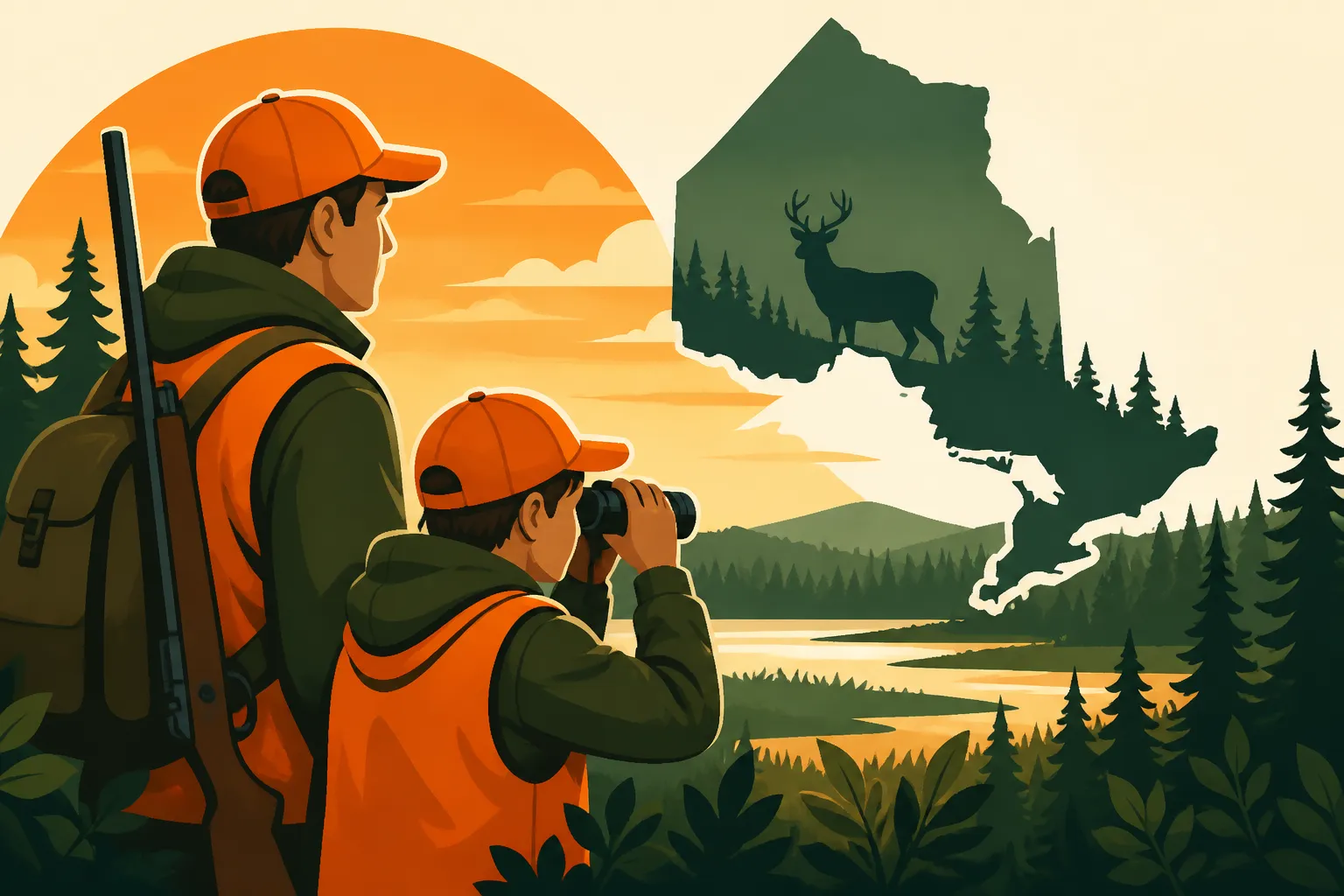
For hunters aged 12 to 15, Ontario offers various opportunities to hunt, always under direct supervision. Children under 12 are not permitted to hunt with firearms, but can participate in other outdoor activities like scouting and wildlife observation. Once a young hunter turns 12 and has their Outdoors Card and a mentor, they can pursue small game, certain big game species like deer, black bear, moose, and wild turkey, provided they adhere to all specific regulations for those species and are accompanied by a licensed mentor.
It’s important to note that while they can hunt these species, the rules around tags, limits, and specific seasons can differ slightly for youth. For instance, while hunting migratory birds, a youth aged 12-15 does not need a federal Migratory Game Bird Hunting Permit if they are under the direct supervision of a licensed adult hunter who possesses one and their own valid Small Game hunting licence. However, they are still subject to the daily bag and possession limits. Always double-check the current regulations, as these can change year to year. The key takeaway here is that supervision is non-negotiable, and the mentor is fully responsible for the youth's adherence to all hunting laws.
Youth Deer Hunting Seasons and Rules
Deer hunting is often a popular choice for young hunters, and Ontario does its best to make it accessible while maintaining safety standards. While there aren't always specific "youth-only" deer seasons provincially across the board, youth aged 12 to 15, under the Apprentice Hunter program, can participate in regular deer seasons with a mentor. The mentor must hold a valid deer hunting licence and any required tags (either antlered or antlerless). When a youth harvests a deer, it often counts against the mentor's tag. This is crucial for understanding Ontario Deer Season Dates and Tags and how to plan a hunt.
Some WMUs might have specific antlerless deer validations that are more accessible or that can be used by youth when drawn by the mentor. The focus for youth deer hunting should always be on the experience, the learning, and the time spent in the bush, rather than solely on the harvest. A successful hunt for a young person might simply be spotting a deer, identifying tracks, or understanding the wind.
Youth Turkey and Small Game Hunting
If you’re looking for a fantastic entry point for a young hunter, Spring Turkey Hunting in Ontario and small game are often ideal. Turkey hunting offers a thrilling experience with plenty of interaction, calling, and strategic setups. Youth aged 12-15 can hunt wild turkey under the apprentice program, provided their mentor has the appropriate turkey tag. The relatively short, intense bursts of action in turkey hunting can be perfect for holding a young hunter's attention.
Small game hunting, which includes species like rabbits, squirrels, and grouse, is perhaps the ultimate "starter kit" for young hunters. The seasons are often long, opportunities are abundant, and the pressure is generally low. Pursuing Small Game Hunting in Ontario allows a youth to hone their shooting skills, practice stalking, and learn about different habitats without the high stakes or long, cold sits often associated with big game. It’s an active, engaging way to spend time in the bush, and successfully bagging a few rabbits or grouse can be a huge confidence booster for a new hunter. Plus, these hunts usually don't require the same level of investment in specialized gear, making them more accessible for families.
Navigating Licensing and Regulations for Young Hunters
Understanding the specific licensing pathway for young hunters in Ontario is paramount. It ensures compliance, promotes safety, and sets them up for a long, responsible hunting career.
The Outdoors Card and Youth
Every hunter in Ontario, regardless of age, needs an Outdoors Card. It’s essentially your hunting and fishing ID. For youth, Getting an Ontario Outdoors Card is the absolute first step. It’s typically valid for three calendar years and costs around $9.00-$10.00. While applying, a youth doesn’t need to have passed their Hunter Education course yet if they intend to hunt under the Apprentice Hunter program. They can simply indicate they are applying as an apprentice.
The card itself doesn't grant hunting privileges; it's a prerequisite for purchasing specific hunting licences and tags. It’s also how the Ministry of Natural Resources and Forestry (MNRF) tracks participation and ensures compliance. Once a youth obtains their Outdoors Card, they are eligible to purchase an apprentice hunting licence, which then allows them to hunt under the direct supervision of a qualified mentor. It's a foundational piece of identification that every young outdoor enthusiast in Ontario should acquire.
Specific Licence Requirements for Different Game
The type of hunting licence a youth needs will depend entirely on the species they intend to pursue. Here's a quick breakdown:
| Game Type | Licence Requirement (Youth 12-15, Apprentice) | Mentor Requirement |
|---|---|---|
| Small Game | Apprentice Small Game Licence | Valid Small Game Licence and direct supervision |
| Deer | Apprentice Deer Licence | Valid Deer Licence (with valid tag) and direct supervision |
| Black Bear | Apprentice Black Bear Licence | Valid Black Bear Licence (with valid tag) and direct supervision |
| Moose | Apprentice Moose Licence | Valid Moose Licence (with valid tag) and direct supervision |
| Wild Turkey | Apprentice Wild Turkey Licence | Valid Wild Turkey Licence (with valid tag) and direct supervision |
| Migratory Birds | Apprentice Small Game Licence (Federal Permit not needed if mentor has one) | Valid Federal Migratory Game Bird Hunting Permit and direct supervision |
Note: This table provides a general overview. Always consult the current Ontario Hunting Regulations Summary for the most up-to-date and specific rules, as regulations can change.
For big game like deer, bear, and moose, the apprentice licence essentially allows the youth to participate and potentially harvest an animal, but that harvest will typically be counted against the mentor's tag. This means the mentor must have the appropriate tag available. This is particularly important for species like moose, where tags are allocated through a draw system. For Ontario Hunting Licences and What They Cost, apprentices usually pay a reduced fee for their licences, making it a more accessible entry point.
Firearms Safety and Youth
Safety is, without a doubt, the most critical aspect of youth hunting. Before a young hunter can even consider handling a firearm in the field (even under supervision), they need to understand the fundamental principles of safe gun handling. While the Apprentice Hunter program allows supervised hunting without the full Hunter Education course initially, it's highly recommended that any youth planning a serious hunting future completes the Canadian Firearms Safety Course (CFSC) as soon as they are eligible.
The CFSC teaches responsible firearm ownership, safe handling practices, ammunition knowledge, and ethical considerations. While not immediately required for an apprentice, successful completion is a prerequisite for obtaining a Possession and Acquisition Licence (PAL) once they turn 18, which is necessary to legally own and purchase firearms and ammunition. Mentors play a crucial role here, reinforcing CFSC principles constantly during a hunt, from safe muzzle control to proper loading and unloading procedures. Learning to shoot accurately and safely at a range before going afield is also paramount. A platform like GoHunt can help you locate local ranges or Ontario Hunter Safety and Firearms Courses.
Practical Advice for Mentors and Young Hunters
Introducing someone new to hunting, especially a youth, is an opportunity to build traditions, teach invaluable skills, and foster a deep respect for nature. But it requires thoughtful planning and realistic expectations.
Choosing the Right First Hunt Experience
The success of a young hunter's first experiences often hinges on the type of hunt chosen. Forget the epic, multi-day backcountry moose hunt for a moment. Start small, simple, and fun. Small game hunting, like pursuing rabbits or squirrels, is often ideal. It’s active, doesn't usually involve long periods of stillness, and offers more frequent opportunities for interaction and success. A morning spent Hunting Cottontails Along a Fencerow or tracking snowshoe hare can be far more engaging than hours in a deer stand with no action.
Waterfowl hunting, especially over decoys, can also be fantastic due to the social aspect and the potential for consistent action. For deer, consider a relatively short sit in a comfortable ground blind, focusing on observation rather than just harvesting. The goal isn't to fill a tag on the first outing, but to create positive memories, spark curiosity, and make them want to come back for more. If the first experience is too cold, too long, or too unsuccessful, it can easily turn them off the sport entirely. Keep it light, keep it fun, and always have a backup plan for when things don't go perfectly.
Essential Gear and Preparation for Youth Hunts
Having the right gear makes a huge difference in comfort and safety, especially for young hunters who might be more susceptible to cold or discomfort. Layering is key for Ontario's unpredictable weather. Ensure your young hunter has warm, waterproof boots, appropriate blaze orange clothing (which is mandatory for certain hunts), and good quality hearing and eye protection. Many youth-sized firearms are available, ensuring a proper fit for better accuracy and recoil management. Even a small .22 for squirrels can be a wonderful learning tool.
Before heading out, go over a checklist together: snacks, water, a small first-aid kit, a compass or GPS (and how to use it!), and a fully charged phone. Practice shooting at the range with the specific firearm they'll be using. This builds confidence and ensures they are proficient enough for an ethical shot. Using resources like GoHunt can help you research gear appropriate for different ages and hunt types. Remember, preparation isn't just about the hunt; it's about teaching responsibility and self-sufficiency in the outdoors.
Fostering a Lifelong Love for the Outdoors
Hunting is so much more than pulling a trigger. It’s about being immersed in nature, understanding ecosystems, and playing an active role in conservation. Mentors have a unique opportunity to instill these values from the very beginning. Take time to simply observe wildlife, identify tracks, and discuss the habits of different animals. Spend time Scouting a Wildlife Management Unit, looking for signs, rather than just hunting. Teach them about the life cycle of the game they're pursuing, its habitat needs, and the importance of ethical harvest limits.
Talk about the concept of "fair chase" and respecting the animal. Emphasize that conservation efforts, funded largely by hunters' licence fees, benefit all wildlife. Encourage them to become active participants in conservation organizations. By broadening their perspective beyond just the act of hunting, you're helping them develop a lifelong appreciation for the outdoors and a strong sense of responsibility toward it. These foundational lessons are what truly define a hunter and ensure the tradition continues for generations.
Common Challenges and Solutions for Youth Hunting
Introducing youth to hunting isn't always smooth sailing. There will be frustrations, disappointments, and moments where you question if it's all worth it. Anticipating these challenges and having strategies to overcome them is crucial for a successful mentorship.
Overcoming Frustration and Maintaining Interest
Let's be real: hunting can be tough. Long hours, cold weather, and often, no game. This can be especially frustrating for a young person with a short attention span and high expectations. The key is to manage those expectations from the start. Emphasize that it's called "hunting," not "catching." Celebrate small victories: spotting a track, hearing an owl, or just enjoying a beautiful sunrise together.
If a hunt isn't yielding results, switch gears. Instead of sitting for another hour, go for a walk and look for animal sign. Discuss Reading Whitetail Sign in Ontario Hardwoods. Point out different trees or plants. Turn it into an educational walk in the woods. Bring engaging activities for downtime if you're in a blind – a quiet book, a journal for drawing, or a wildlife identification guide. Most importantly, don't let a lack of success on the first few outings define the experience. Reassure them that every hunter, even the most seasoned, has unsuccessful days. The goal is the shared experience, not just the harvest.
Balancing Safety and Fun
Safety is paramount, but constant lecturing can quickly dampen a young hunter's enthusiasm. The trick is to integrate safety naturally and consistently, making it a second nature, rather than a punitive measure. Start with clear, non-negotiable rules for firearm handling and stick to them. Demonstrate safe practices yourself every single time. "Muzzle up, muzzle down, finger off the trigger until ready to shoot." Repeat these mantras until they become ingrained.
Make practice fun. Regular trips to the shooting range to hone skills can be a great way to bond and build confidence. Turn safety drills into games. For example, practice safe loading and unloading with dummy rounds. Emphasize why each safety rule exists, linking it back to protecting themselves and others. By making safety an integral part of the fun and a source of competence, rather than a burden, you ensure they're both safe and engaged.
Finding Accessible Hunting Opportunities
One of the biggest hurdles for any hunter, young or old, is finding accessible hunting land. While Ontario has vast tracts of Public Hunting Land in Ontario (Crown Land), knowing where to go and how to navigate it can be overwhelming for a new hunter and mentor. Start by researching WMUs close to home that have good public access and populations of small game or deer. Digital mapping tools, like those offered by GoHunt, can be invaluable for identifying Crown Land boundaries, access points, and potential game habitat.
For private land, the process of Getting Private Land Permission in Ontario can be daunting, but it's often more productive, especially in southern Ontario. Teach your youth the etiquette of asking landowners respectfully. Practice the "knock on doors" approach together. Explain why it’s important to offer to help with chores or provide a small gift to build good relationships. Focusing on smaller, less pressured areas, even if they require a bit more effort to find, can lead to more positive and memorable experiences for a young hunter.
Future Pathways for Young Hunters
The apprentice program is just the beginning. For many youth, it ignites a passion that lasts a lifetime, leading them down a path to becoming fully licensed, ethical, and conservation-minded hunters.
From Apprentice to Fully Licensed Hunter
Once a young hunter has experienced the field under the apprentice program and feels ready, the next logical step is to become a fully licensed hunter. This means completing the Ontario Hunter Education Program (OHEP) and, if they plan to use a firearm, the Canadian Firearms Safety Course (CFSC). The OHEP covers everything from wildlife management and conservation to hunting ethics, species identification, and safe hunting practices. Successfully passing the OHEP exam will allow them to upgrade their Outdoors Card and purchase full hunting licences for various species.
The CFSC, as mentioned earlier, is vital for obtaining a PAL, which allows them to legally possess and acquire firearms and ammunition. While they can continue to hunt under supervision as an apprentice, becoming fully certified gives them independence and opens up all hunting opportunities available to adult hunters in Ontario. This transition is a significant milestone, marking their journey from learner to a responsible, contributing member of the hunting community.
Joining the Hunting Community
Hunting is a deeply social activity, and becoming part of the broader hunting community can enhance a young hunter's experience exponentially. Encourage them to join local hunt clubs, conservation organizations like the Ontario Federation of Anglers and Hunters (OFAH), or Ducks Unlimited Canada. These groups offer invaluable resources, mentorship opportunities, and a chance to participate in conservation efforts.
Through these communities, young hunters can learn from seasoned veterans, participate in workshops, attend field days, and make lifelong friends who share their passion. They can also get involved in policy and advocacy, understanding how their voice contributes to the future of hunting and wildlife in Ontario. The camaraderie found in a hunt camp, whether on a shared trip or just at the local club, is a unique and rewarding aspect of the hunting lifestyle.
Continuing Education and Skill Development
Hunting is a journey of lifelong learning. There's always something new to discover, a skill to hone, or a challenge to overcome. Encourage your young hunter to continuously develop their skills beyond the basic requirements. This could include:
- Advanced bushcraft: Learning navigation, shelter building, fire starting.
- Specialized calling: Mastering calls for deer, moose, or turkey.
- Tracking and sign reading: Becoming an expert at deciphering animal movements and habits.
- Field dressing and meat care: Learning how to ethically process game, from Field Dressing in Warm Ontario Weather to proper storage.
- Archery: Exploring bowhunting as another challenging and rewarding discipline.
By fostering this continuous learning mindset, you're not just creating a hunter, but a true outdoors person – someone who respects nature, understands its intricacies, and finds profound satisfaction in their connection to the wild. This ongoing engagement ensures that their passion for Ontario's incredible hunting heritage will endure for many years to come.
Disclaimer
The information provided in this guide is for general informational purposes only and does not constitute legal advice. Hunting regulations in Ontario are subject to change, and it is the responsibility of every hunter to consult the most current official Ontario Hunting Regulations Summary published by the Ministry of Natural Resources and Forestry (MNRF) and all applicable federal regulations before participating in any hunting activities. Always ensure you possess the correct licences, tags, and validations for the species and season you are hunting. Safety should always be your top priority.