Ontario Migratory Bird Permits
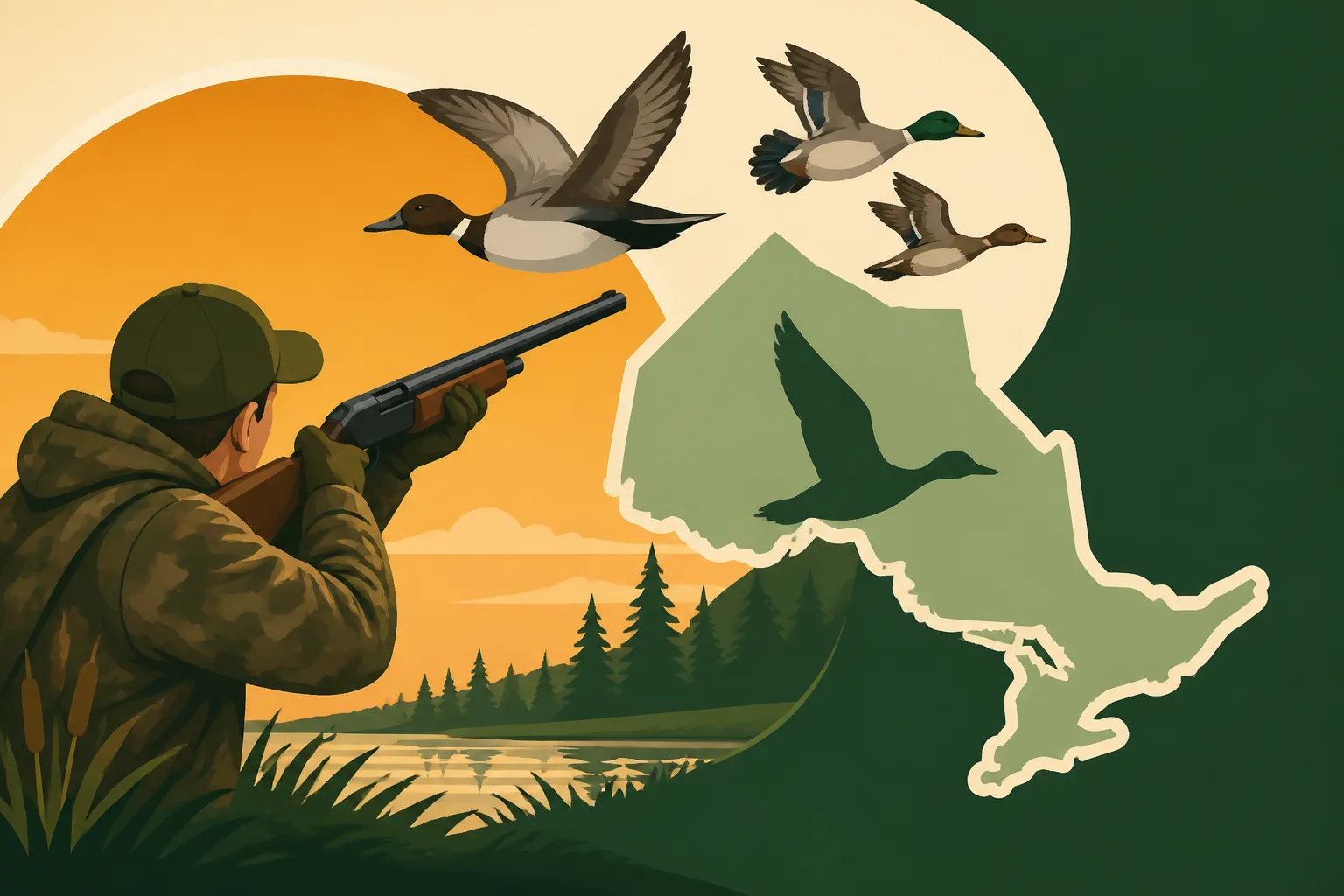
Getting ready for waterfowl season in Ontario often feels like you need a law degree to figure out all the permits and regulations. It's frustrating when you just want to get out there and enjoy a crisp morning in the marsh or a field hunt for geese, but you're constantly second-guessing if you've got all your ducks in a row – pun intended! This comprehensive guide will walk you through everything you need to know about Ontario's migratory bird permits, ensuring you're fully compliant and ready for a successful season.
Untangling the Essentials: Why You Need Multiple Permits
It’s no secret that hunting regulations can feel like a labyrinth, and migratory bird hunting in Ontario is a prime example. You’d think one permit would cover it, right? But between federal and provincial jurisdictions, you actually need a few pieces of paper (or digital proof) to be legal in the blind or field. It can be a real headache, especially for new hunters or those crossing into Ontario for the first time. The good news is, once you understand the system, it's pretty straightforward.
The Frustration of Layered Regulations
Many hunters, myself included, have stood at the counter or stared at an online portal wondering if they've bought everything they need. The complexity arises because migratory birds, like ducks and geese, cross provincial and even international borders. This means both the federal government (Environment and Climate Change Canada) and the provincial government (Ontario Ministry of Natural Resources and Forestry) have a say in how they're managed and hunted. It's not about making it difficult; it's about ensuring these shared resources are protected through a collaborative effort. But for you, the hunter, it means a few extra steps.
Imagine planning a big trip to a prime waterfowl spot, maybe somewhere along the Great Lakes, only to realize you missed a crucial permit. It can spoil the excitement and even lead to fines. We’ve all heard stories, or maybe even experienced the pit in our stomach, when conservation officers ask for documents and you're unsure if you have them all. That uncertainty takes away from the joy of the hunt.
Your Ontario Outdoors Card: The Foundation
Before you even think about migratory bird permits, you need your fundamental hunting identification: the Ontario Outdoors Card. Think of this as your primary hunting ID card, valid for three calendar years. It’s what links all your licenses and tags to you as an individual hunter. Without it, you can’t purchase any hunting licences or tags in Ontario, including those for migratory birds.
The Outdoors Card isn't specific to migratory birds; it's the gateway to all hunting and fishing opportunities in the province. It's also where your Hunter Education and Firearms Safety Course certifications are recorded. If you're a non-resident, you'll still need an equivalent card or proof of hunter accreditation from your home jurisdiction that is recognized by Ontario. Always make sure your Outdoors Card is current and easily accessible, whether it's the physical card or saved on your phone through the Fish and Wildlife Licensing Service app. For more details on this essential document, check out our guide on Ontario's Outdoors Card Explained.
The Crucial Role of the Ontario Small Game Hunting Licence
This is where many hunters, particularly those new to waterfowl, sometimes get tripped up. Even though migratory birds are federally regulated, Ontario requires you to possess a valid Ontario Small Game Hunting Licence to hunt them within the province's borders. This provincial licence grants you the privilege to hunt provincially regulated small game species (like grouse and hare) and acts as the necessary provincial authorization for federally regulated migratory game birds.
This dual requirement ensures that all hunters operating in Ontario are adhering to provincial hunting ethics, safety standards, and general conservation principles. Without this licence, even if you have your federal permit, you're not legal to hunt migratory birds in Ontario. It's an important distinction that highlights the shared jurisdiction. When you’re looking at your options on the GoHunt portal or at a ServiceOntario location, make sure you're adding this to your cart after your Outdoors Card.
The Federal Mandate: Migratory Game Bird Permit and Conservation Stamp
Once you have your Ontario Outdoors Card and Small Game Hunting Licence sorted, you’re ready for the federal components. These are specifically for migratory game birds and are managed by Environment and Climate Change Canada. These federal requirements are uniform across Canada, though provinces can layer on additional rules, as Ontario does.
The Federal Migratory Game Bird Hunting Permit Explained
This is the primary federal document you need to hunt any migratory game birds anywhere in Canada. This includes all species of ducks, geese, coots, rails, snipe, and woodcock, and in some areas, sandhill cranes. The permit itself is a simple document, often available digitally now, that confirms you have federal permission to hunt these species during their open seasons.
It’s valid for one hunting season, from September 1st to August 31st of the following year. You can purchase it online through the Environment and Climate Change Canada website or at participating Canada Post outlets. It’s a relatively small fee, but it’s absolutely non-negotiable for waterfowl hunters. Remember, even if you’re just jump-shooting a beaver pond for a few ducks, this permit is required. Check out our guide on The Federal Migratory Game Bird Permit for more detailed information on obtaining it.
The Canadian Wildlife Habitat Conservation Stamp: A Vital Investment
Here’s the cool part about the federal permit: it always comes with the Canadian Wildlife Habitat Conservation Stamp. This isn't just a pretty sticker for your licence; it's a direct contribution to conservation efforts. A significant portion of the revenue generated from the sale of this stamp goes directly to Wildlife Habitat Canada, a non-profit organization dedicated to conserving, restoring, and enhancing wildlife habitat across the country.
When you buy your federal permit, you’re not just buying a piece of paper; you’re investing in the future of the birds you love to hunt. These funds support crucial habitat projects, research, and conservation initiatives that benefit migratory birds and countless other species. It's a tangible way hunters contribute to the very resources they utilize. Every year, a different Canadian artist designs the stamp, making it a bit of a collector's item for some. Learn more about its significance in The Habitat Conservation Stamp Requirement.
How Federal and Provincial Rules Intersect
Understanding this intersection is crucial. The federal permit and stamp give you the federal authority to hunt migratory birds. The Ontario Outdoors Card and Small Game Hunting Licence give you the provincial authority to hunt in Ontario, which extends to migratory birds when combined with the federal permit. You need both layers of authorization to be legal.
Think of it like this: the federal government sets the broad framework – defining what migratory birds are, setting overall season limits, and regulating aspects like non-toxic shot. The provincial government then takes that framework and tailors it to local conditions within Ontario, establishing specific season dates for different zones, setting daily bag and possession limits that might be more restrictive than federal ones, and adding other provincial rules. This ensures that conservation efforts are both broadly consistent and locally responsive.
Navigating Ontario's Migratory Bird Regulations
Even with all your permits in hand, you’re not quite ready to hit the blinds. You need to understand the actual hunting regulations, which can vary significantly depending on where and when you plan to hunt in Ontario. These regulations dictate species-specific season dates, bag limits, and other important rules that ensure sustainable hunting practices.
Understanding WMU Groups and Season Dates
Ontario is a huge province, and it's divided into Wildlife Management Units (WMUs). For migratory birds, these WMUs are often grouped into larger zones (e.g., Northern, Central, Southern Ontario) that dictate specific season opening and closing dates. What’s legal in the marshes of Lake Erie might be completely different from the field hunting opportunities near Ottawa or the remote lakes up near Kenora.
Season dates can also vary by species. For instance, early goose seasons might open well before the general duck season. It's absolutely critical to consult the most current hunting summary for the specific zone and WMU where you intend to hunt. Many hunters rely on the official Ontario Hunting Regulations Summary, available through ServiceOntario or accessible digitally through the GoHunt portal and similar apps. You can get a general idea of season structure from Ontario Duck Season Dates by District and Ontario Goose Season Dates by District, but always double-check the current summary.
Daily Bag Limits and Possession Limits
The regulations also specify the maximum number of birds you can harvest in a single day (daily bag limit) and the total number of birds you can have in your possession at any given time (possession limit). These limits are set to ensure that populations remain healthy and hunting pressure is sustainable. Daily bag limits are usually lower than possession limits, allowing hunters to accumulate birds over several hunting days.
These limits can vary dramatically by species. For example, the daily limit for Mallards might be different from that of Pintails, or the limit for Canada Geese might differ from Snow Geese. Always identify your birds correctly before shooting and be mindful of your limits. It's not uncommon for hunters to accidentally exceed a limit due to misidentification or simply losing track, which can lead to serious penalties. Ethical hunting demands that we know our targets and respect the limits set to protect the resource.
Crucial Rules: Non-Toxic Shot and Decoy Placement
When it comes to waterfowl hunting, two rules are absolutely paramount: non-toxic shot and proper decoy placement. Federally, it is mandatory to use non-toxic shot when hunting migratory game birds. This means no lead shot. The most common alternatives are steel, bismuth, or tungsten alloys. This rule is in place to prevent lead poisoning in waterfowl and other birds that scavenge on spent shot, which is a major conservation concern. Violating this rule can lead to significant fines and penalties. For more details on this, refer to Non-Toxic Shot Requirements for Waterfowl.
Provincial regulations often have rules about decoy placement, especially near roads or public access points, and some areas might have restrictions on electronic calls or certain types of blinds. Always ensure your setup complies with local rules. When you're scouting fields for Ontario Waterfowl or considering Setting a Goose Spread in Cut Corn, remember that legality goes beyond just permits; it extends to your methods and equipment.
Step-by-Step: Acquiring Your Permits and Stamps
Thankfully, getting your hands on these permits and stamps is easier than ever, thanks to modern technology and accessible service points. Gone are the days of needing to mail in applications and wait weeks for a physical card to arrive. While you still have options for in-person purchases, the digital age has made things incredibly convenient.
The Online Process: A Convenient Way to Buy
For most hunters, the easiest way to purchase their Ontario Outdoors Card, Small Game Hunting Licence, and Federal Migratory Game Bird Hunting Permit is online.
- Ontario Licenses: Visit the Fish and Wildlife Licensing Service portal, which you can easily find through the Ontario government website or a quick search for "Ontario hunting licences." You'll need to log in with your Outdoors Card number. Here, you can renew your Outdoors Card, purchase your Ontario Small Game Licence Cost and Coverage, and any other tags you might need. The system is pretty intuitive and will guide you through the process. Once purchased, you can save digital copies to your phone or print them out.
- Federal Permit: The federal permit can be purchased directly from the Environment and Climate Change Canada website. Look for the section on Migratory Game Bird Hunting Permits. The process is quick, and once completed, you’ll receive a digital permit (which includes the e-stamp) that you can print or display on your mobile device.
I find that using the online portals, especially the provincial one, makes it easy to keep track of all my licenses. The GoHunt platform often integrates with these services or provides direct links, making it a one-stop-shop for research and purchase information.
Local Vendors and ServiceOntario Centres
If you prefer the traditional route or need assistance, you still have options.
- ServiceOntario Centres: Many ServiceOntario locations across the province can process your Outdoors Card and provincial hunting licences. This is a great option if you need to speak with someone, have questions, or prefer a physical printout.
- Authorized Licence Vendors: Numerous independent tackle shops, sporting goods stores, and general stores, particularly in rural areas, are authorized to sell Ontario hunting and fishing licences. These folks often know the local regulations inside and out and can be a fantastic resource for information about hunting in the immediate area.
- Canada Post: The Federal Migratory Game Bird Hunting Permit can also be purchased at participating Canada Post outlets. Just be aware that not all locations might have them in stock, especially later in the season.
Always call ahead to confirm availability and hours, especially if you're travelling to a specific location.
What Information You'll Need Ready
To streamline your purchase process, whether online or in person, have the following information readily available:
- Your Ontario Outdoors Card number: This is your unique identifier.
- Personal Identification: Government-issued ID like a driver's license, especially if purchasing in person.
- Proof of Hunter Accreditation: If you're a non-resident, bring proof of your hunter education certificate from your home jurisdiction.
- Payment Method: Credit card for online purchases, or cash/debit/credit for in-person.
Having these details handy will save you time and frustration. It's all about being prepared, just like any good hunt.
| Permit/Card | Issuing Authority | Purpose | Typical Cost (CAD) | Validity |
|---|---|---|---|---|
| Ontario Outdoors Card | Ontario MNRF | Basic hunting & fishing ID; required for all other licences | ~$8.57 | 3 years |
| Ontario Small Game Hunting Licence | Ontario MNRF | Provincial permission for small game, including migratory birds | ~$33.25 | 1 year |
| Federal Migratory Game Bird Hunting Permit | Environment & Climate Change Canada | Federal permission for migratory game birds (ducks, geese, etc.) | $17.00 | 1 year |
| Canadian Wildlife Habitat Conservation Stamp | Environment & Climate Change Canada | Included with Federal Permit; funds habitat conservation initiatives | Included | 1 year |
Note: Costs are approximate for residents and subject to change annually. Non-resident fees will differ.
Staying Compliant: Annual Updates and Key Resources
The world of hunting regulations isn't static. Wildlife populations fluctuate, environmental conditions change, and conservation strategies evolve. This means that hunting regulations, especially for migratory birds, are subject to annual review and often see minor (or sometimes major) adjustments. As hunters, it’s our responsibility to stay informed.
Why Regulations Change: Adapting to Wildlife Needs
Regulations aren't just arbitrary rules; they are tools used by wildlife managers to ensure the long-term health and sustainability of wildlife populations. For migratory birds, factors such as breeding success on their northern nesting grounds, habitat conditions along their flyways, and even the previous year's harvest data can all influence decisions about season dates and bag limits.
A harsh winter in the north could mean fewer ducks making it to their breeding grounds, leading to more conservative limits the following fall. Conversely, a bumper crop of goslings could open up more generous opportunities. These changes are based on scientific data and are essential for responsible resource management. It validates the hunter’s frustration with ever-changing rules, but ultimately, these changes protect the very resource we cherish.
Your Go-To for Current Information
With regulations changing annually, relying on last year’s hunting summary is a recipe for trouble. You absolutely need to consult the most current official documents.
- Ontario Hunting Regulations Summary: This is your Bible for provincial hunting rules. It's published annually and available online through the Ontario government website or in print at ServiceOntario centres and licence vendors. It details all season dates, bag limits, WMU boundaries, and specific rules for each game species, including migratory birds.
- Federal Migratory Game Bird Hunting Regulations Summary: Environment and Climate Change Canada publishes its own summary specifically for migratory birds. This document outlines the federal rules that apply across Canada, as well as province-specific details. Again, this is readily available online.
- Online Platforms and Apps: Modern tools like the GoHunt app or other reputable hunting apps often provide up-to-date summaries and even interactive maps that overlay WMU boundaries and regulations. These can be incredibly useful when you're in the field, away from a computer. They’re a fantastic resource for quick checks on bag limits or shooting hours. Make sure to download the most recent version of the app or refresh its data before each season.
Always cross-reference information if you find conflicting details. When in doubt, defer to the official government publications. Being proactive about staying informed is a hallmark of a responsible hunter.
The Risks of Complacency
Hunting without the proper permits or failing to adhere to current regulations can have serious consequences. We’re not just talking about a slap on the wrist. Fines for hunting violations can be substantial, ranging from hundreds to thousands of dollars. In some cases, repeat offenses or serious infractions can lead to equipment seizure, loss of hunting privileges (a hunting ban for a period), or even criminal charges.
Beyond the legal ramifications, there's the ethical consideration. As hunters, we are often viewed as conservationists, and upholding the law is part of that image. Violations reflect poorly on the entire hunting community and can undermine public trust. No one wants to be "that guy" who got caught breaking the rules because they didn't bother to check the current summary. Always carry physical or digital proof of your valid Outdoors Card, Small Game Hunting Licence, and Federal Migratory Game Bird Hunting Permit when hunting.
Addressing Common Questions and Scenarios
Even with a clear understanding of the permits, specific situations can pop up. Let's tackle some common questions and scenarios that hunters often face when dealing with Ontario's migratory bird permits.
Special Considerations for Non-Resident Hunters
If you're visiting Ontario from another province or, more commonly, from the United States, there are a few extra steps. First, you'll still need an Ontario Non-Resident Licence Options (which will include the non-resident Outdoors Card equivalent and a non-resident Small Game Hunting Licence). You'll need to provide proof of your hunter education accreditation from your home jurisdiction, which Ontario typically recognizes. Make sure this documentation is official and readily available.
Secondly, you'll also need the federal Migratory Game Bird Hunting Permit and Conservation Stamp, just like residents. There’s no special "non-resident" version of the federal permit. And if you're bringing your firearm across the border, be prepared for additional paperwork and declaration processes with the Canadian Border Services Agency. It's a bit more effort, but countless non-residents enjoy fantastic waterfowl hunting in Ontario every year, from the productive fields of Southern Ontario to the expansive marshes of the Great Lakes.
Introducing Youth to Waterfowl Hunting
Getting youngsters involved in waterfowl hunting is a fantastic way to pass on the tradition and teach them about conservation. Ontario has provisions for youth hunters, often under an "apprentice hunting" system. Generally, youth under a certain age (check current regulations for specific age limits) can hunt migratory birds without their own federal permit, provided they are accompanied by a licensed and experienced adult mentor who possesses all required permits and is actively supervising them. The youth must also possess a valid Outdoors Card (which may be free or reduced cost for youth) and often a youth small game licence.
However, once a youth hunter reaches a certain age, they will need to obtain their own federal permit and provincial small game licence. Always check the current Ontario Apprentice and Youth Hunting rules to ensure full compliance. It's a wonderful experience to share, seeing their excitement as the first flock of geese decends into the decoys or a mallard cupps its wings overhead. Teaching them about permit requirements from the start instills a sense of responsibility.
Dealing with Lost Permits and Proof of Purchase
It happens to the best of us: you're out in the field, reach for your wallet, and realize your paper permit is gone, or your phone battery died, making your digital copy inaccessible. Don’t panic. If you purchased your Ontario licences online, you can usually log back into the Fish and Wildlife Licensing Service portal and re-print them or re-download the digital versions. Many people keep digital copies saved to their phones or email them to themselves for easy retrieval.
For the federal permit, if you purchased it online, you should have received an email with a printable PDF version. Keep this email or save the PDF to a cloud service so you can always access it. If you purchased in person at Canada Post and lost the physical copy, you might need to repurchase it, as retrieving lost federal permits can be more challenging. The key here is proactive prevention: take photos of your permits, email them to yourself, and consider keeping a waterproof physical copy in your hunting pack. The official guidelines generally state that you must be able to produce your permit upon request, so having multiple ways to do so is a smart move.
Disclaimer
The information provided in this guide is for general informational purposes only and is not legal advice. Hunting regulations can change frequently. Always consult the most current official hunting regulations summaries from the Ontario Ministry of Natural Resources and Forestry and Environment and Climate Change Canada before hunting. It is the hunter's sole responsibility to understand and comply with all applicable laws and regulations.