What Happens After You Fill Your Tag
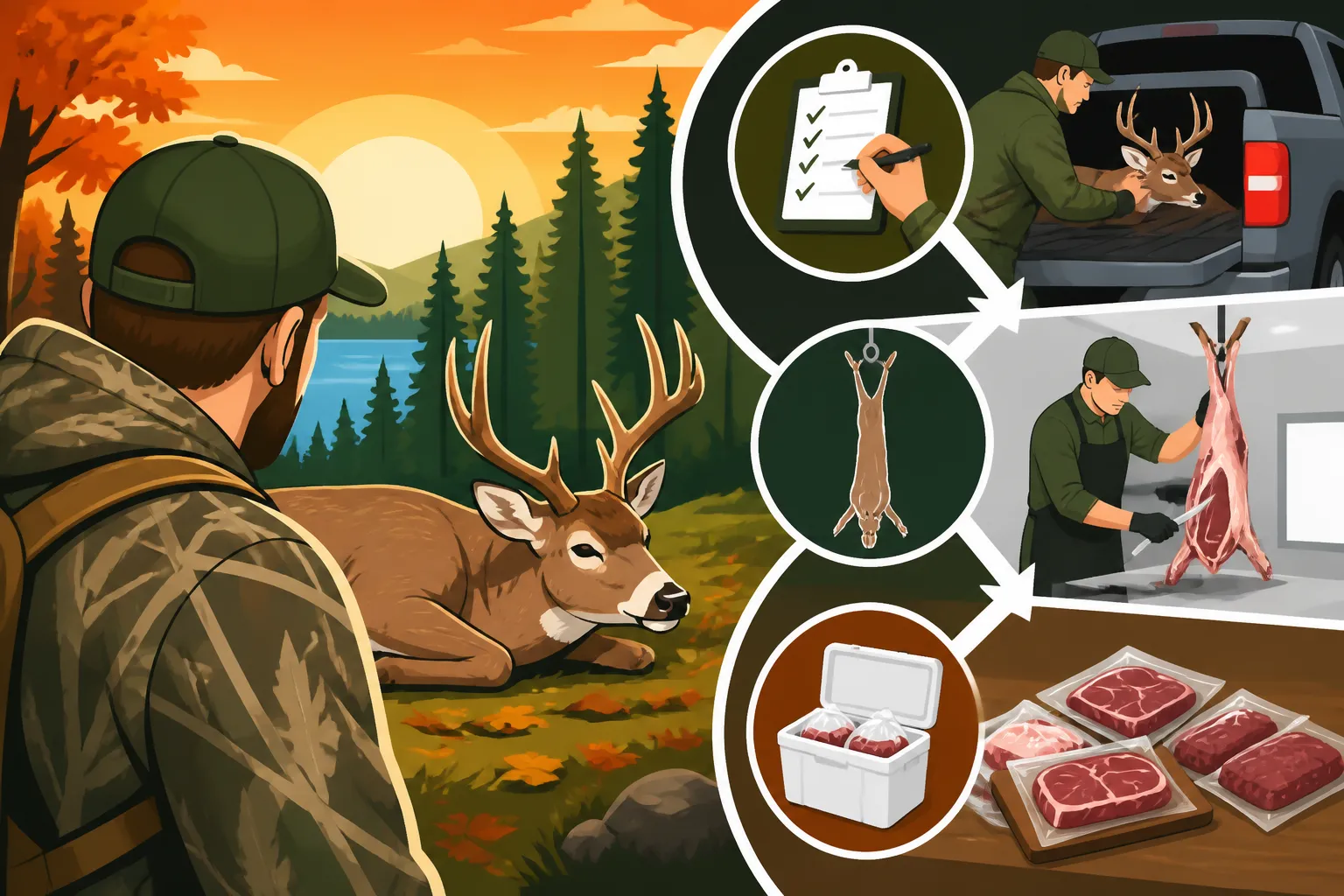
That moment when your hunt comes together, the shot is clean, and your quarry is down, is absolutely exhilarating. But let's be honest, that's really just the beginning of a whole new set of tasks. The real work starts after you fill your tag, and for many, especially new hunters or those taking their first big game animal, the sheer volume of steps and rules can feel incredibly daunting. This guide is here to walk you through everything that needs to happen from the moment you approach your downed game to when the meat is safely in your freezer and the memories are cemented forever.
Field Dressing and Initial Care
So, you've made a good shot, and the animal is down. Congratulations! Take a moment, feel that immense satisfaction, but then it's time to get to work. The clock starts ticking the moment the animal expires, especially in warmer weather. Proper field dressing and initial care are absolutely critical for ensuring the quality of your meat and the preservation of your trophy. Neglecting these steps can mean spoiling delicious wild game and losing out on a cherished keepsake.
The Immediate Aftermath and Gutting
First things first: approach the animal cautiously, ensuring it is truly expired and safe to handle. Once you've confirmed it's still, you'll want to take a moment to reflect on the hunt. This is a powerful part of the experience. After that, the immediate priority is to get the internal organs out as quickly as possible. This process, often called gutting or eviscerating, is essential for rapidly cooling the carcass and preventing bacterial growth that can spoil the meat. You're removing the heat source and potential contaminants. Many hunters carry a sharp knife, a gutting hook, and often some gloves for this task. Knowing how to make the right incisions without piercing the stomach or intestines is key, as that can lead to a mess and potential contamination of the meat.
It can feel a bit gruesome at first, but with practice, it becomes a routine, efficient process. Lay the animal on its back, elevate the hindquarters if possible, and carefully open the abdominal cavity from the sternum to the pelvis. Be mindful of the bladder and rectum. Once opened, you'll reach in and sever the connections holding the organs in place, carefully pulling everything out. Some hunters like to remove the windpipe and esophagus from the chest cavity as well, ensuring a completely clean cavity. This quick removal of the entrails drastically reduces the internal temperature of the animal, setting the stage for good meat quality. For detailed preparation tips, especially in less-than-ideal conditions, check out our guide on Field Dressing in Warm Ontario Weather.
Cooling the Carcass in the Field
Once the animal is field-dressed, the goal is to get it cooled down as much as possible. This isn't just about preserving the meat; proper cooling also allows the meat to "age" slightly, which can improve tenderness and flavour. If you're hunting in cold weather, say late November or December, simply opening the body cavity and letting the cold air circulate might be enough. Propping the cavity open with sticks can help air flow. However, in milder temperatures, you'll need to do more. Consider quartering the animal right there in the field if you're far from your vehicle or camp, to expose more surface area to the cool air and make it easier to pack out.
If you can, hang the animal to allow for maximum air circulation, preventing ground heat from re-warming it. Many remote camps have gambrels and hoists for this purpose. Even a sturdy tree branch can serve the purpose for a whitetail. If hanging isn't an option, laying the animal on some logs or brush, belly-side down to drain any remaining fluids, can help. Getting the carcass away from direct sunlight is also a priority. Covering it with a game bag or breathable tarp can protect it from insects and dirt while still allowing it to cool. This critical period in the field truly dictates the quality of your meal months down the line.
Dealing with Warm Weather Challenges
Hunting in early archery seasons or during a mild fall can present significant challenges when it comes to meat care. Warm weather is the enemy of game meat. The high ambient temperature, combined with the body heat retained by the animal, creates a perfect breeding ground for bacteria. If you find yourself in this situation, speed is your absolute best friend. Get the animal field-dressed immediately, and consider quartering it right away. Breaking it down into smaller sections allows for much faster cooling.
Many hunters carry coolers filled with ice for these scenarios. As soon as the quarters are off the bone, or even if the animal is just field-dressed, pack the body cavity or the individual quarters with ice. Ensure the ice doesn't just sit on the surface, but actually gets inside the muscle tissue if possible. Game bags are crucial here to keep the meat clean while it's in contact with ice. If you're a non-resident hunter booking an early season black bear hunt through a service like BookYourHunt or GoHunt, make sure your outfitter has a plan for quick meat cooling and processing, especially if a warm spell hits. Having a solid plan for warm weather hunting is paramount to avoid spoilage and disappointment.
Tagging and Reporting Requirements
Once the field dressing is complete, your legal obligations come into play. Ontario has specific rules about tagging your animal and reporting your harvest. These aren't just bureaucratic hurdles; they're essential for wildlife management and for proving that your harvest is legal. Understanding and following these rules is a fundamental part of being a responsible hunter.
Notching and Attaching Your Tag
This is one of the most immediate and critical steps. As soon as you've killed a big game animal like a deer, moose, elk, or bear, you must immediately detach and validate your tag. In Ontario, this usually involves notching the tag to indicate the date and time of the kill, and then securely attaching it to the animal. The exact method of notching and attachment will be printed on your tag, so always read it carefully before you head out. Usually, it's about indicating the month, day, and time.
The tag must remain attached to the animal or its largest portion if it's been quartered, until the animal is delivered to a person for processing or stored at your primary residence. It must be clearly visible. Imagine a conservation officer inspecting your vehicle or camp – they need to see that tag easily. Don't just stuff it in a pocket; make sure it's firmly secured so it won't fall off during transport. Losing a tag or having an improperly notched tag can lead to serious fines and complications, so take this step seriously. For details on the specifics, always review Ontario Tag Notching and Attachment Rules.
Mandatory Harvest Reporting
Ontario operates on a mandatory harvest reporting system for big game. This means that after you've filled your tag and completed the notching, you are required to report your harvest to the Ministry. This is typically done through the online hunting portal, where you bought your licences and tags. The information you provide – species, sex, WMU (Wildlife Management Unit), date of harvest – is vital for wildlife biologists. It helps them track populations, understand harvest rates, and make informed decisions about future tag allocations and season structures.
You usually have a specific timeframe within which to report your harvest, often within a few days of the kill. Don't procrastinate on this; it's a legal requirement. Imagine you're planning your next hunting trip and decide to use a service like GoHunt to scout areas, or you're looking at Ontario's Wildlife Management Units for a different species. The data collected from your harvest report contributes to the overall picture that helps inform future regulations and success rates for everyone. Keep a record of your confirmation number after reporting, just in case there are any questions down the line.
Evidence of Sex Rules
For many big game animals, especially deer and moose, Ontario regulations often require that you maintain "evidence of sex" on the carcass or its largest portion until it's processed. This is to ensure that hunters are complying with the specific tag they hold – for example, a bull moose tag versus a cow tag, or an antlered deer tag versus an antlerless tag. The specific requirements can vary by species and tag type.
For antlered game like deer and moose, this usually means keeping the head, with antlers attached, with the carcass. For antlerless deer or cow moose, it might mean leaving the udder attached to one of the hindquarters. Always double-check the current hunting regulations summary for the specific species and WMU you're hunting in. These rules are in place to prevent illegal harvests and assist conservation officers in verifying compliance. Removing evidence of sex prematurely is a common mistake that can result in charges, even if you had a valid tag. It's an important part of Evidence of Sex Requirements in Ontario.
Transporting Your Harvest
Getting your animal from where it fell to your vehicle, then back home or to a processor, can be one of the most physically demanding parts of the hunt. It requires planning, effort, and adherence to specific transport rules to ensure a smooth journey.
Getting the Animal Out of the Bush
Depending on where your animal is down, this can range from a short drag to an epic adventure. If you're hunting close to a road, a simple deer cart or a strong friend (or two!) might be all you need. Many hunters swear by deer sleds, especially over snow or through thick brush, as they distribute the weight and slide more easily. For larger animals like moose, or if you're deep in the back forty, quartering the animal in the field is almost a necessity. Backpacking quarters out is tough work, but it ensures you get all your meat, and it’s often the only practical way.
Consider the terrain: swamps, dense cedar, or rocky shield country can turn a 200-yard drag into an all-day ordeal. Planning your extraction route before you hunt can save you immense grief. Some hunters, particularly in northern Ontario, use ATVs or UTVs, but remember that ATV Rules on Ontario Crown Land must be strictly followed, and many areas prohibit off-trail vehicle use. If you're fly-in hunting with an outfitter, they'll have specialized gear like boats or even small planes to retrieve your animal, which is part of the service you're paying for.
Rules for Transporting Game in Ontario
Once you've got your animal to your vehicle, there are still rules to follow. The notched tag must remain attached to the carcass (or the largest portion if quartered). The animal must be transported in a way that allows conservation officers to easily inspect the tag and, if required, the evidence of sex. This usually means not completely wrapping the animal in tarps or hiding it from view, though covering it to protect it from road grime and dirt is perfectly acceptable.
For non-residents, transporting game across borders requires even more consideration. You'll need to understand the rules for both Ontario and your home jurisdiction. Typically, a non-resident must possess a non-resident hunting licence, the appropriate tags, and possibly a special export permit to take game meat and trophies out of the province and country. Planning this well in advance can prevent major headaches at border crossings. Our article on Transporting Game Meat in Ontario delves into the finer points.
Cross-Border Considerations for Non-Residents
For our friends from south of the border or other countries, bringing your hard-earned Ontario game home is a multi-step process. First, ensure you have the required non-resident hunting licence and all the correct tags from Ontario. After harvesting and properly tagging your animal, you'll need to apply for a Non-Resident Export Permit. This permit is typically issued by the Ministry of Natural Resources and Forestry (MNRF) and is crucial for legal transport across the international border.
You'll need to present this permit, along with your hunting licence and possibly proof of legal harvest, at the Canadian border when you exit, and then again at the U.S. border (or your home country's customs) when you enter. Be aware of any specific regulations from your state or federal government regarding the import of wild game. Some states might have additional rules, especially concerning chronic wasting disease (CWD) if you harvested a cervid. It's always best to check with both Canadian and U.S. Customs and Border Protection well before your trip, perhaps while you're arranging your hunt through an outfitter you found on BookYourHunt, to avoid any surprises. They can provide the most up-to-date information on Getting a Non-Resident Export Permit.
Meat Processing and Trophy Care
After the animal is out of the woods and legally documented, the next phase is about transforming it into delicious meals and, if applicable, preserving a lasting memory of your hunt. How you handle these steps can dramatically impact your satisfaction.
Professional Butcher Services
For many hunters, especially those who aren't equipped for large-scale processing or simply prefer to outsource the work, a professional butcher is the way to go. Ontario has many experienced wild game processors who can turn your deer, moose, or bear into neatly packaged cuts, sausage, and even jerky. This is a fantastic option if you're short on time, don't have the right equipment, or just want the peace of mind that comes from professional handling.
When you drop off your animal, be prepared to discuss how you want it cut. Do you prefer steaks, roasts, or ground meat? Want specialty items like venison pepperoni or bear bacon? Most butchers offer a range of services and can advise you on the best cuts for different parts of the animal. They often have walk-in coolers to properly age the meat, further enhancing its flavour and tenderness. If you're hunting in a remote area, your outfitter might even have a preferred local processor they work with, or a facility directly at camp, making the process seamless. Don't be afraid to ask for references or check online reviews for local butchers to ensure quality.
DIY Processing at Home or Camp
For those who enjoy the hands-on aspect and want full control over their meat, doing your own processing is incredibly rewarding. This can happen at home if you have the space and equipment, or at a dedicated hunt camp. Processing your own game means you know exactly what goes into every package and can customize cuts to your heart's content. It's also a significant cost-saver compared to professional services, which is a big plus for many families.
You'll need a clean workspace, sharp knives, a meat saw, a grinder for ground meat, and plenty of freezer paper or vacuum seal bags. A good butchering guide or some online tutorials can be invaluable resources for learning how to break down an animal efficiently. Many hunters make it a social event, inviting friends or family to help, turning processing day into a productive gathering. Remember to keep everything clean and cold throughout the process to maintain meat quality. Proper packaging is also key to preventing freezer burn and ensuring your meat stays fresh for a long time. For more tips on this, read our article Meat Care in Ontario's Warm Early Seasons.
Caping and Skull Preparation
If you're hoping for a shoulder mount, a full-body mount, or a skull mount, proper trophy care begins immediately after the kill. For a shoulder mount, you'll need to "cape" the animal, which involves a specific skinning technique to ensure enough hide is left for the taxidermist. This usually means skinning well behind the shoulder, down the legs, and up the neck, leaving plenty of extra material. Incorrect caping is one of the most common mistakes that can ruin a trophy.
For skull mounts (often called European mounts), the process is simpler: just remove the head. You'll then need to clean off all the flesh and tissue from the skull. This can be done by boiling (carefully, so as not to damage the bone), simmering, or even by burying the skull for a period. Dermestid beetles are often used by taxidermists for a perfectly clean skull. Regardless of the method, the goal is a clean, white skull. If you're dealing with a bear, you might also want to preserve the hide for a rug. This requires careful skinning, proper salting, and prompt delivery to a tannery or taxidermist.
It's a good idea to discuss your trophy plans with your taxidermist before you even head out on your hunt. They can provide specific instructions on how to cape or handle your trophy in the field to ensure the best possible result. Many outfitters, especially those found on platforms like BookYourHunt, will also have experienced staff who can assist with caping or provide guidance on preparing your trophy for transport and shipment to your chosen taxidermist.
Comparison of Meat Processing Options
To help you decide the best route for your harvest, here's a quick comparison of professional versus DIY meat processing:
| Feature | Professional Butcher Services | DIY Processing at Home/Camp |
|---|---|---|
| Cost | Higher (fees for services) | Lower (investment in equipment, but no per-pound fee) |
| Time/Effort | Minimal hunter effort after drop-off | Significant hunter time and physical effort required |
| Equipment Needed | None (they have it all) | Knives, saw, grinder, freezer wrap/vacuum sealer, large workspace |
| Skill Required | None (they are experts) | Requires learning, practice, and attention to detail |
| Meat Aging | Typically available in walk-in coolers | Requires proper refrigeration setup at home/camp |
| Customization | Varies by butcher; may offer standard cuts plus specialty items | Full control over all cuts, grind consistency, and seasonings |
| Social Aspect | Minimal | Can be a shared, social event with friends/family |
| Hygiene Control | Professional standards and inspections | Depends entirely on hunter's diligence and cleanliness |
| Output | Neatly packaged, labeled cuts; specialty products | Same, with your personal touch, requires good packaging discipline |
Disclaimer
This article is for general informational purposes only and does not constitute professional advice. Laws, prices and regulations vary by location and change over time. Consult a qualified professional for guidance on your specific situation.