Travel Insurance for a Hunting Trip
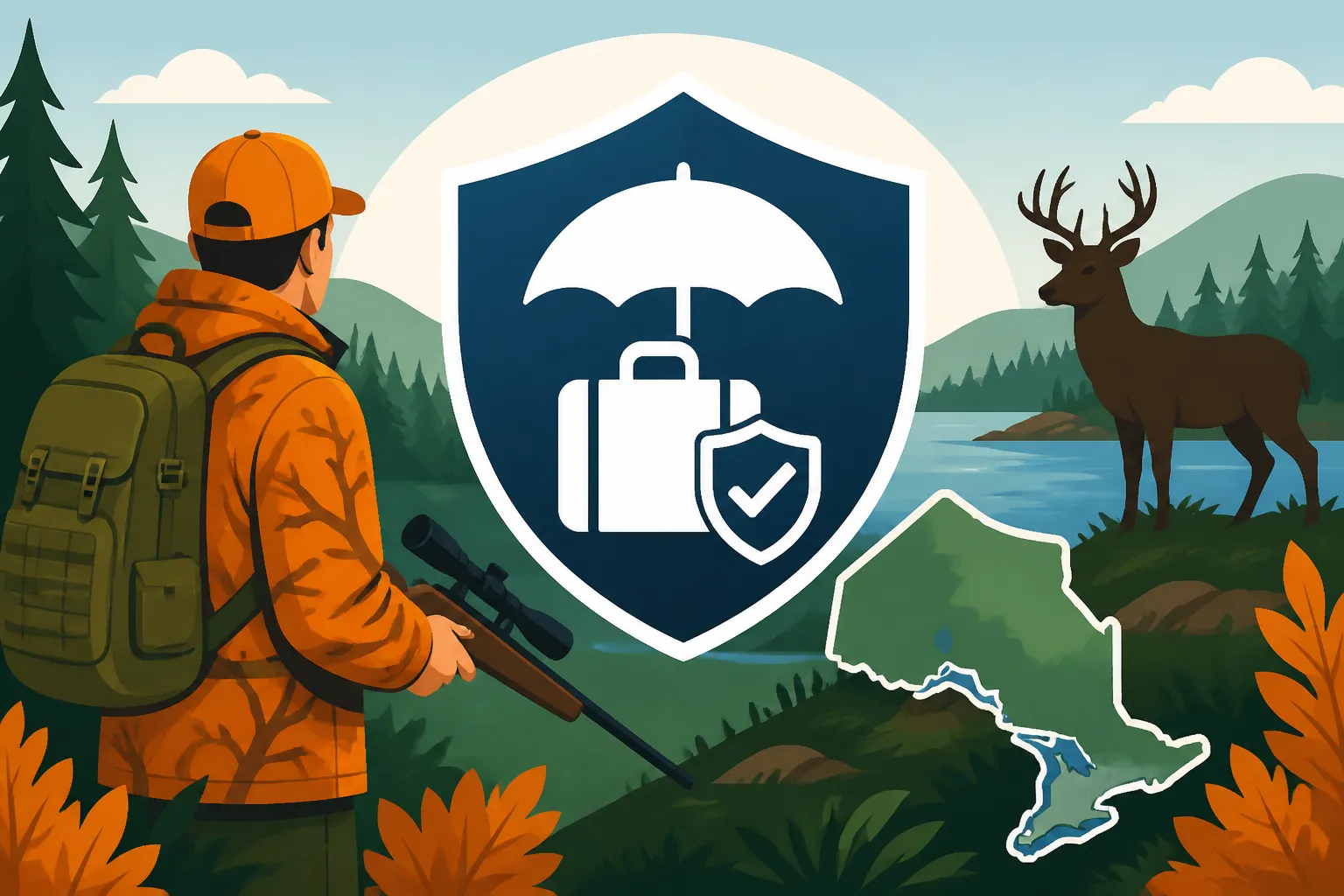
Imagine spending months, even years, planning that dream Ontario hunting trip – meticulously researching a remote moose hunt in the Boreal Forest, or a guided bear hunt in the Clay Belt. You've booked your flights, secured your outfitter, and taken care of all the licences and permits. Then, just days before you're supposed to leave, life throws a wrench in your plans: a sudden illness, a family emergency, or even an unexpected flight cancellation. All that anticipation, all that investment, potentially down the drain. This guide will walk you through everything you need to know about travel insurance for your Ontario hunting trip, helping you safeguard your adventure against the unforeseen.
Why Travel Insurance for an Ontario Hunt is More Than Just a Good Idea
For many, an Ontario hunting trip isn't just a casual weekend getaway; it's a significant financial and emotional investment. From the cost of your Ontario Hunting Licences and What They Cost to specialized gear, guide fees, and travel expenses, the total can quickly add up. Protecting that investment with travel insurance is a crucial step that far too many hunters overlook, only realizing its value when it's too late.
Think about the unique nature of hunting trips, especially in a vast province like Ontario. You might be heading into remote areas, far from immediate medical facilities. Weather can be unpredictable, impacting travel or hunt conditions. Gear is expensive, and losing a rifle or a bow can be devastating, not just financially but for the hunt itself. Travel insurance acts as your safety net, providing peace of mind so you can focus on the thrill of the chase, not the "what ifs."
It's not just about losing money if you have to cancel. What if you're out in the bush, deep in a Wildlife Management Unit, and suffer an injury? Emergency medical care, especially air evacuation from a remote location, can run into tens of thousands of dollars. Without proper coverage, you could be facing a hefty bill on top of your medical emergency. This is where the right travel insurance policy really earns its keep.
What Kind of Coverage Should You Look For?
When sifting through travel insurance options, it's easy to get overwhelmed by jargon and different policy types. For an Ontario hunting trip, you'll want to focus on several key areas of coverage that directly address the specific risks involved. It's not just about a basic cancellation policy; you need something comprehensive enough to cover the unique circumstances of a wilderness adventure.
Many hunters planning their trips, especially those connecting with reputable outfitters through platforms like BookYourHunt or GoHunt, often find that their chosen outfitter will even recommend that clients look into travel insurance. This isn't just a suggestion; it's often a practical necessity, given the upfront costs and potential for unforeseen events. Don't assume your credit card's basic travel coverage is enough, as it rarely covers the specifics of a hunting trip or the remote locations you might visit.
Trip Cancellation and Interruption
This is often the first thing people think about. Trip cancellation coverage protects your non-refundable expenses if you have to cancel your trip before it starts due to a covered reason. Covered reasons typically include personal or family illness, injury, death, or severe weather that closes airports. Imagine you've paid a substantial deposit for a Booking an Ontario Moose Hunt or a Booking an Ontario Black Bear Hunt; this coverage ensures you don't lose that money if something unexpected prevents you from going.
Trip interruption coverage kicks in if you have to cut your trip short after it has already begun. Maybe you're already in camp, but a family emergency calls you home, or a sudden illness renders you unable to continue your hunt. This coverage can reimburse you for the unused portion of your trip and often covers the cost of getting you home early. For hunters who have invested heavily in a multi-day guided experience, this aspect of the policy is invaluable.
Medical Emergencies and Evacuation
As mentioned, this is arguably one of the most critical components for any hunter venturing into Ontario's wilderness. If you get sick or injured while on your trip, emergency medical coverage will help pay for doctor visits, hospital stays, and prescription drugs. Given that many hunting areas are remote, access to immediate medical care can be challenging, and you might need specialized transportation.
Emergency medical evacuation coverage is specifically designed to cover the cost of transporting you to the nearest appropriate medical facility, which could involve an ambulance, a helicopter, or even a medical flight. If you break a leg deep in the bush, or suffer a heart attack while pursuing a trophy buck, getting you to a hospital can be incredibly expensive. This coverage ensures that those costs don't fall solely on your shoulders. Hunters planning remote excursions, such as a Canoe-In Hunting on Ontario Crown Land trip, should pay particular attention to these clauses.
Baggage and Equipment Loss/Delay
Hunting gear isn't cheap. Rifles, bows, specialized clothing, optics, and other equipment represent a significant investment. Standard travel insurance often includes some coverage for lost or delayed baggage, but it's important to check the limits, especially for high-value items like firearms or expensive archery equipment. Sometimes, you might need to purchase an additional rider or choose a policy with higher limits to adequately cover your hunting gear.
Imagine arriving in Thunder Bay or Sault Ste. Marie for your Hunting Northwestern Ontario's Big Bush trip, and your checked baggage with your rifle is delayed or goes missing. This coverage can provide funds to rent or buy essential items until your gear arrives, or reimburse you for lost items up to a certain limit. Always ensure you understand the process for declaring high-value items and what proof you'll need if a claim arises. When Flying to Ontario With a Rifle, understanding these details is paramount.
Understanding the Fine Print: Exclusions and Specific Considerations
Like any insurance policy, travel insurance for a hunting trip comes with its own set of terms, conditions, and exclusions. It's not enough to just buy a policy; you absolutely need to read the fine print. Missing a crucial detail could mean the difference between a covered claim and a denied one, leaving you on the hook for unexpected costs.
This is where a little upfront homework can save you a world of trouble later on. Don't assume anything. If something is unclear, reach out to the insurance provider directly and ask specific questions. They are there to help clarify their policies, and it's always better to know before you go than to find out the hard way when you need to make a claim.
Pre-existing Medical Conditions
One of the most common reasons for denied medical claims relates to pre-existing medical conditions. Many policies have clauses that exclude coverage for conditions that were unstable or treated within a certain period (e.g., 90-180 days) before your trip's departure date. If you have a chronic condition, or have recently seen a doctor for something that could flare up, you must look for a policy that offers a pre-existing medical condition waiver.
These waivers typically have strict eligibility requirements, such as purchasing the policy within a short window (often 7-14 days) of making your initial trip deposit and being medically stable at the time of purchase. Failing to meet these criteria could mean that if your pre-existing condition causes a medical emergency on your trip, your claim could be denied. This is particularly important for older hunters or those with known health issues who still want to enjoy their time in the bush.
"Adventure" Activities and Equipment
Some standard travel insurance policies might have exclusions for what they deem "hazardous" or "adventure" activities. While hunting might not always be explicitly listed, it's worth verifying that your policy doesn't exclude it, especially if you're involved in more physically demanding hunts or using specialized equipment. For instance, if you're Hunting Moose From a Boat or Canoe or undertaking a strenuous backcountry trip, confirm that these activities are covered.
Furthermore, specific hunting equipment, especially firearms, bows, or even specialized optics, might have different coverage limits or exclusions compared to general baggage. It's crucial to ensure these high-value items are adequately covered. Some policies might require you to itemize them or purchase an additional rider. If you're concerned about your gear, research Ontario Muzzleloader Equipment Rules and ensure your policy aligns with your specific equipment.
Weather Events and Natural Disasters
Ontario is a big province, and weather can certainly impact travel and hunting conditions. While general trip cancellation policies often cover widespread events like blizzards closing airports, localized issues like heavy rains making bush roads impassable for your outfitter might not always be covered. Specific clauses around "Acts of God" or natural disasters can vary.
If wildfires or severe storms are a concern in the area you're visiting – perhaps you're planning a trip to hunt Moose in Ontario's Boreal Forest where wildfires can be a seasonal threat – read carefully to understand if trip delays or interruptions due to such events are covered. Some policies offer "cancel for any reason" (CFAR) coverage, which is more expensive but provides ultimate flexibility, allowing you to cancel your trip for any reason not covered by standard policies, though typically only reimbursing a percentage of your costs. You might also want to look into Ontario Hunt Cancellation Insurance as a specific option.
Choosing and Buying Your Travel Insurance
Navigating the world of travel insurance can feel like another hunt in itself, but a methodical approach will help you secure the best protection for your Ontario adventure. It's about finding the right balance between comprehensive coverage and a reasonable premium, tailored to the specifics of your trip.
Don't wait until the last minute to purchase your policy. Many of the most beneficial coverages, such as those for pre-existing conditions or "cancel for any reason" options, often require you to buy your policy within a set timeframe after making your initial trip deposit. This is especially true if you're booking an Ontario Group Moose Tag Rules trip that involves a significant upfront investment.
Comparing Providers and Policies
Start by researching reputable travel insurance providers. Look for companies with strong financial ratings and positive customer service reviews. Online aggregators can be helpful for comparing different policies side-by-side, but always go to the individual provider's website to get the full policy document and confirm details. Pay close attention to the overall coverage limits, the deductible amounts, and the specifics of what is considered a "covered reason" for cancellation or interruption.
For hunters, specifically, consider providers who understand the unique aspects of outdoor adventure travel. While generic travel sites like BookYourHunt might offer integrated insurance options, it's wise to compare these with dedicated travel insurance specialists who can tailor policies to your needs, especially if you're travelling with firearms or other specialized gear. Likewise, if you've done research on GoHunt for specific outfitters, you might find they recommend certain insurance types.
Key Factors to Compare
When you're comparing policies, make sure you're looking at apples to apples. Here’s a quick table to help organize your thoughts:
| Feature | What to Look For | Why it Matters for Hunters |
|---|---|---|
| Trip Cancellation | High coverage limits, broad "covered reasons" | Protects significant upfront investments (outfitter, licences). |
| Trip Interruption | Reimburses unused trip cost & return travel | Covers early departure due to emergencies, even mid-hunt. |
| Emergency Medical | High limits ($50,000+ recommended), includes hospital/doctor | Crucial for unexpected illness/injury in remote areas. |
| Emergency Evacuation | Very high limits ($100,000+), covers air transport | Essential for getting from remote bush to proper medical care. |
| Baggage/Gear Coverage | High per-item limits, specific for firearms/optics | Protects expensive hunting equipment (rifles, bows, optics). |
| Pre-existing Condition Waiver | Purchase early, stable health criteria | Ensures chronic conditions are covered if they flare up. |
| Adventure Sports Rider | Confirms hunting as a covered activity | Clarifies that your hunting activities aren't excluded. |
| "Cancel For Any Reason" | Higher cost, but offers ultimate flexibility (partial refund) | Provides peace of mind for unforeseen, non-covered reasons. |
Reading the Policy Document and Asking Questions
Once you've narrowed down your choices, get a copy of the full policy document for the top contenders. This is where the real details are, not just the summary. Pay attention to the definitions section, as how a "family member" or "emergency" is defined can impact a claim. Look for clauses related to specific activities, equipment, or geographical areas.
Don't hesitate to call the insurance provider's customer service line. Ask direct questions about hunting coverage, specific gear, and scenarios relevant to your trip, such as what happens if Ontario Wildfire and Road Closures affect your access. Confirm that the policy covers the full duration of your trip, from the moment you leave home until you return. Understanding these nuances will ensure you're truly covered and not just buying a piece of paper. You've gone to great lengths to plan your hunt, from deciphering Ontario Deer Season Dates and Tags to assembling your What to Bring to an Ontario Bush Camp kit; take the same diligence with your insurance.
Disclaimer
This article is for general informational purposes only and does not constitute professional advice. Laws, prices and regulations vary by location and change over time. Consult a qualified professional for guidance on your specific situation.