Booking a Spring Bear Hunt in Ontario
The dream of a spring black bear hunt in Ontario often starts with visions of tranquil forest mornings, the scent of pine, and the sudden appearance of a magnificent bruin. It's a truly unique adventure that many hunters yearn for. However, the path from that dream to a successful trip can feel like navigating a dense cedar swamp without a compass. Many folks get overwhelmed by the options, the regulations, and simply don't know where to start. This guide is here to untangle that process, helping you understand the allure of spring bear hunting and how to confidently book an unforgettable experience in Ontario's vast wilderness.
The Allure and Logistics of an Ontario Spring Bear Hunt
There's something incredibly special about being in the Ontario bush as it awakens from winter's slumber. The air is fresh, the leaves are just budding, and the wildlife is stretching its legs after months of dormancy. For bear hunters, this specific time of year holds a particular magic, and a set of unique challenges and rewards.
Why Spring is the Season for Black Bear Enthusiasts
When you think about hunting black bears, many people immediately picture fall, with the promise of fat bears gorging on berry crops. While fall hunting is fantastic, spring offers an entirely different, and for many, a more exciting dynamic. Bears, after months of hibernation, are emerging from their dens absolutely ravenous. Their bodies are calling out for calories, making them incredibly active and, importantly, visible.
During the early spring, the forest canopy hasn't fully leafed out yet. This means that visibility in the bush is often much better than it will be later in the year, allowing for longer sightlines to spot bears as they move. They're on the prowl, constantly searching for food, whether it's new green growth, carrion, or a well-placed bait site. This heightened activity makes them more predictable in some ways, and more accessible to hunters. The challenge, of course, is that they're also keenly aware of their surroundings, and catching one off guard requires skill and patience. It's a true test of a hunter's woodsmanship, and a deeply rewarding experience when it all comes together.
What to Expect from the Ontario Spring Bear Hunting Experience
Ontario's spring bear season typically runs from early May through mid-June in most Wildlife Management Units (WMUs), though specific dates can vary. It's a relatively short window, making good planning essential. The primary method you'll encounter when hunting with an outfitter in spring is baiting. This isn't just about putting out some doughnuts; it's a strategic, long-term effort by outfitters to establish consistent feeding stations that bears frequent. You'll typically hunt from a ground blind or an elevated stand overlooking a bait site, often in the late afternoon or evening when bears are most active. This requires a significant amount of patience, but the payoff of seeing a bear up close, on its own terms, is immense.
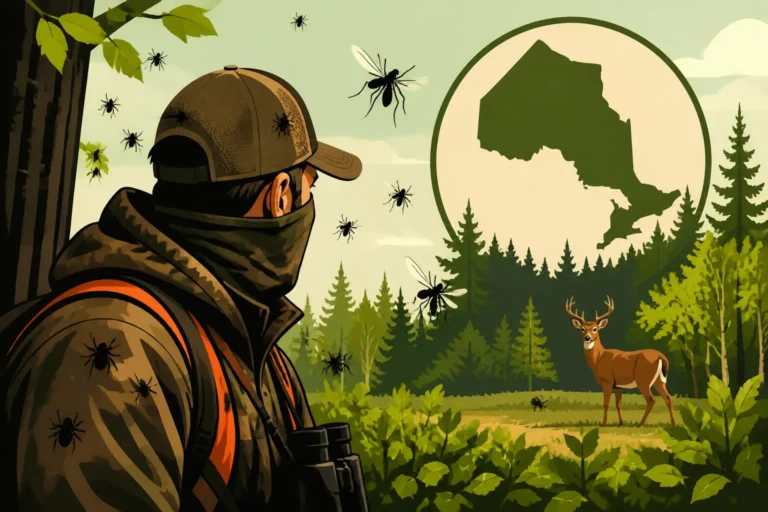
The environment itself is a character in the story of a spring bear hunt. The weather in Ontario during May and June can be incredibly variable. One day you might be enjoying warm sunshine, the next could bring chilly rain or even a dusting of late snow. Layers are absolutely key. And let's not forget the bugs. Ah, the black flies and mosquitoes! They are an undeniable part of the spring experience in the Ontario bush. Be prepared with good quality repellent and even a head net. While they can be pesky, they are also a sign of a vibrant, healthy ecosystem, and they certainly add to the tales you'll tell around the campfire. It's a raw, authentic wilderness experience, and that's precisely why so many hunters are drawn to it. For more on preparing for these tiny adversaries, check out Bug Season on a Spring Ontario Hunt.
Choosing Your Adventure: Finding and Vetting an Ontario Bear Outfitter
Once you've decided a spring bear hunt is for you, the next big step is finding the right outfitter. Ontario is a massive province with a lot of territory that holds black bears, and a corresponding number of outfitters ready to guide you. This part of the planning can feel daunting, but with a systematic approach, you can find a reputable guide service that fits your needs and expectations.
Researching and Connecting with Reputable Outfitters
The internet is your friend here, but it's important to sift through the information carefully. Start by searching for "Ontario spring bear hunt outfitters" or "guided black bear hunts Ontario." You'll find various outfitters with their own websites. Many will also be listed on hunting booking platforms like BookYourHunt or GoHunt, which can be great resources for seeing multiple options in one place and often include reviews from past clients. Word-of-mouth recommendations are also golden; talk to fellow hunters who have gone before, as their firsthand experiences are invaluable.
When you start contacting outfitters, pay attention to their communication. Are they prompt and clear in their responses? Do they seem genuinely interested in your questions? A reputable outfitter will be transparent about their services, their success rates (and how they define them), and what you can realistically expect. Look for outfitters who have been in business for a good number of years and who have a solid online presence with consistent positive feedback. They should be able to provide details on their specific WMU, typical bear sizes, and their overall hunting philosophy. A comprehensive overview of general booking tips can be found in Booking an Ontario Black Bear Hunt.
Key Questions to Ask Before Signing on the Dotted Line
Before you commit to any outfitter, it's crucial to have a detailed conversation and ask a lot of questions. Don't be shy; this is a significant investment of your time and money. Here’s a rundown of essential inquiries:
| Category | Questions to Ask | Why It Matters |
|---|---|---|
| Package Details | What exactly is included (e.g., lodging, meals, guide service, transportation to bait, hide retrieval, initial meat care)? | Avoid hidden costs or misunderstandings about what you're paying for. |
| What is not included (e.g., licences, taxes, tips, specific gear)? | Budget accurately. | |
| Hunting Specifics | What are the hunter-to-guide ratios? | Affects personalized attention and guiding quality. (One-on-One Versus Two-on-One Guiding) |
| How many bait sites are maintained per hunter? | Indicates effort and potential opportunities. | |
| What are the average shot distances? | Helps you prepare your weapon and practice. | |
| What is the typical success rate or opportunity rate? | Be wary of "guaranteed" hunts. Understand what numbers truly represent. | |
| Camp & Logistics | What type of accommodations (e.g., housekeeping cabin, lodge, tent)? | Comfort and amenities can vary widely. |
| Is food provided (American Plan) or do we cook (Housekeeping)? | Plan your meals and budget. | |
| What's the closest town/airport? How do we get to camp? | Essential for travel planning. | |
| Is there cell service or Wi-Fi at camp? | Manage expectations for staying connected. | |
| Post-Harvest | What are the protocols for field dressing and meat care? | Crucial for preserving your harvest, especially in warm spring weather. |
| Do you have facilities for cold storage? | Important for meat quality. | |
| Can you recommend a local butcher or taxidermist? | Helps with processing and trophy preparation. | |
| References | Can you provide contact information for past clients? | Speak to actual hunters about their experience with the outfitter. |
Remember to inquire about their policy regarding hunting sows with cubs. Ethical hunting dictates that you absolutely cannot shoot a sow with cubs, and a reputable outfitter will reinforce this and help you identify mature bears. Learning how to judge a boar from a sow is a critical skill for any bear hunter. Asking these questions will not only ensure you're well-informed but also demonstrate your seriousness as a hunter, fostering a better relationship with your chosen outfitter.
Essential Preparations for a Successful Spring Bear Hunt
With your outfitter chosen and your dates set, the excitement really starts to build! Now it's time to shift your focus to the practical aspects of preparing for your hunt. This includes understanding Ontario's specific regulations, assembling the right gear, and planning for the crucial steps after the shot.
Understanding Regulations and Gearing Up for the Ontario Bush
First and foremost, you need to ensure all your paperwork is in order. For residents and non-residents alike, you'll need an Ontario Outdoors Card. On top of that, you'll need to purchase a black bear licence and ensure you have a valid Black Bear Validation Certificate. This certificate is crucial as it details where and when you can hunt bear. Non-residents will also need to consider specific requirements for importing firearms into Canada. It's vital to research all current Ontario Black Bear Rules and be fully compliant. You can find more information on general licensing in Ontario Hunting Licences and What They Cost.
When it comes to gear, remember that spring in Ontario can throw everything at you in terms of weather. Think layers, layers, layers! A good base layer, a warm mid-layer (fleece or wool), and a waterproof/windproof outer shell are essential. Don't forget durable, waterproof boots suitable for walking through wet, uneven terrain. However, perhaps the most critical items for a spring bear hunt are related to bug protection. Black flies and mosquitoes can be relentless. Pack plenty of quality insect repellent with DEET, permethrin-treated clothing, and seriously consider a head net and bug jacket or thermacell. You'll thank yourself later. Beyond clothing, bring good quality binoculars, a reliable headlamp with extra batteries, a sharp knife, and a small first-aid kit. Make sure your chosen weapon is sighted in and that you're comfortable shooting it accurately at various distances.
From Shot Placement to Post-Harvest Care
Before you even step foot in the woods, spend significant time at the range. Practice shooting from various positions – sitting, kneeling, off sticks – simulating how you might need to shoot from a blind or stand. Ethical shot placement is paramount, especially on bears, which can be incredibly tough animals. Knowing your vitals and being confident in your shot is a responsibility every hunter carries. Your outfitter will provide specific guidance for their area and bait setups, but that preparation starts long before you arrive. For a deeper dive into ethical hunting considerations, especially around bear family units, I recommend reading Judging a Boar From a Sow With Cubs and Why You Cannot Shoot a Sow With Cubs.
Once you've successfully harvested a bear, the real work begins. Especially in spring, temperatures can be mild, which means quick and efficient field dressing is crucial to preserving the meat. Your outfitter will guide you through this process, but having a basic understanding beforehand is beneficial. Getting the hide off and the meat cooled down as quickly as possible is key. If you're planning on a rug or a skull mount, discuss these details with your outfitter beforehand so they can ensure the hide and skull are handled appropriately. For non-residents, there are specific permits required to take game meat and trophies across the border. Your outfitter should assist you with applying for the necessary Getting a Non-Resident Export Permit. Taking the time to properly care for your animal after the shot honours the animal and ensures you get to enjoy the delicious meat and a lasting trophy. For more comprehensive advice on this, refer to Meat Care in Ontario's Warm Early Seasons and Skinning a Bear for a Rug.
Booking a spring bear hunt in Ontario is a journey that begins with a dream and unfolds through careful planning and preparation. By understanding the unique aspects of spring bear behaviour, diligently vetting your outfitter, and preparing yourself both mentally and physically, you'll be well on your way to a truly memorable and rewarding experience in one of North America's premier bear hunting destinations.
Disclaimer
This article is for general informational purposes only and does not constitute professional advice. Laws, prices and regulations vary by location and change over time. Consult a qualified professional for guidance on your specific situation.