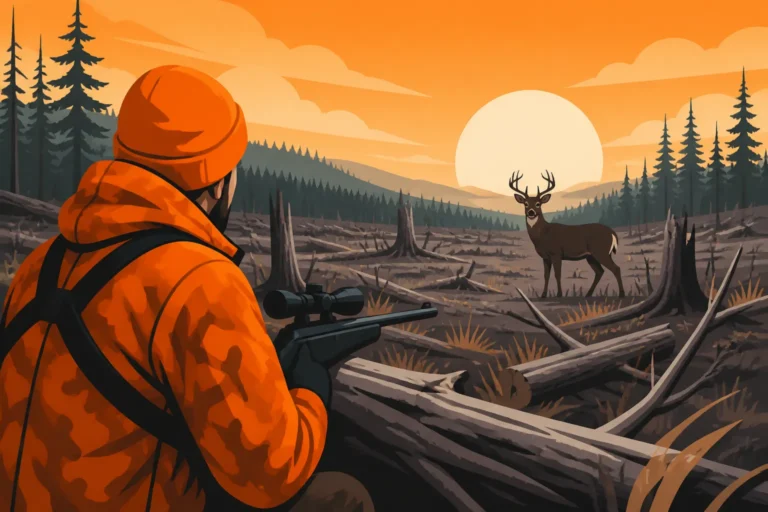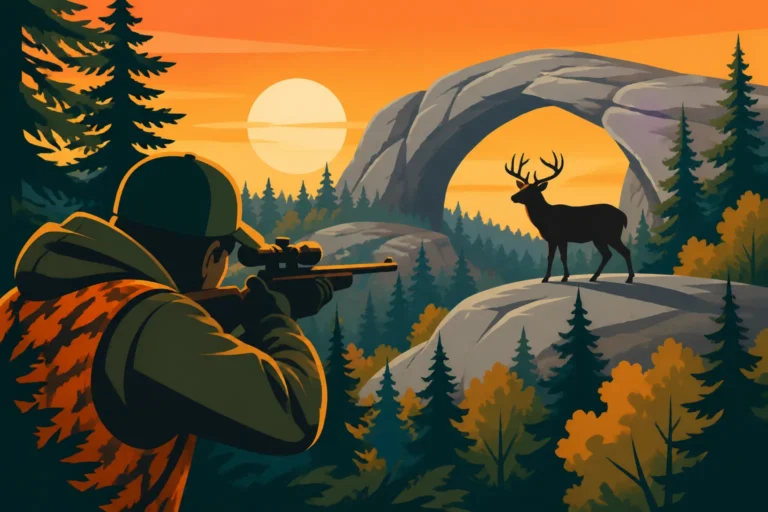
Hunting a Rock Barren Edge
For many hunters in Ontario, the classic picture of deer hunting involves deep woods or sprawling agricultural fields. But if you've ever found yourself frustrated by the sheer density of cover or the lack of defined travel routes, then you're missing out on a truly unique and often overlooked habitat: the rock barren edge. This guide will walk you through exactly what these areas are, why they attract game, and how to effectively hunt these rugged, challenging, yet incredibly rewarding landscapes.
Understanding the Rock Barren Edge in Ontario
When we talk about hunting in Ontario, especially in the central and northern parts of the province, the landscape shifts dramatically from the familiar farmlands. Here, the Canadian Shield dominates, characterized by ancient, exposed rock. But within this vastness lies a particular feature that keen hunters learn to recognize and exploit: the rock barren edge.
What Exactly Is a Rock Barren Edge?
Imagine an area where the bedrock is close to the surface, often exposed in large, flat sheets or rolling domes. Soil is thin or absent, supporting only sparse vegetation like lichens, mosses, stunted pines, and tough shrubs. This is a rock barren. Now, envision where this barren meets a more productive habitat – perhaps a deeper pocket of soil that allows for a dense stand of mixed hardwoods, a cedar swamp, or even a thick spruce and balsam forest. That transition zone, the meeting point of the barren and the bush, is what we call the rock barren edge. It's often marked by an abrupt change in elevation, vegetation density, and soil type, creating a distinct line on the landscape. These edges can be found all over the Canadian Shield, from the Haliburton Highlands up through the Kawarthas, and stretching into the vastness of Northern Ontario. You'll often see these features clearly defined on topographic maps, indicating sudden elevation changes or areas marked as "rocky outcrops" or "barren land."
Why Game Animals Gravitate Towards Them
It might seem counterintuitive that animals would frequent such desolate-looking areas, but these edges are ecological hotspots. Think of it from a whitetail's perspective: the rock barren itself offers exceptional visibility and often catches the sun, providing warm bedding areas in cooler weather. The lack of dense undergrowth means easier travel, and the exposed rock can even hold minerals. However, the real draw is the adjacent habitat. The deeper bush provides crucial thermal cover during cold snaps, browse and forage, and security. The edge, therefore, becomes a perfect transition corridor. Deer, moose, and bear will use the open barrens for travel, to survey their surroundings, and to catch warming sun rays, but they will quickly duck into the security and sustenance of the adjacent forest. This creates predictable travel routes and pinch points where the different habitats meet. A buck might bed on a sun-drenched rock face, but he’ll feed in the hardwoods just a few yards away, using the edge as his highway. It's a classic example of edge habitat at its finest, concentrating activity.
Common Species You'll Find Here
While whitetails are a primary target, rock barren edges are magnets for a variety of Ontario's game species. White-tailed deer will utilize these areas extensively, especially during the rut when bucks are cruising for does, using the more open edges to cover ground quickly while remaining close to escape cover. You might see evidence of rubs and scrapes along the transition line where deer are marking territory. Moose, particularly in areas where barrens are bordered by more extensive boreal forest, will also use these edges, browsing on the tougher vegetation that can grow in the cracks and sheltered pockets, or crossing them to get to different feeding grounds. Black bears often travel these edges too, especially in spring and fall. They'll frequent areas where berry bushes might cling to the thin soil or where acorns drop from oaks on the forest side of the edge. Predators like coyotes and wolves will also patrol these routes, looking for easy prey. And let's not forget the smaller game: ruffed grouse love the mixed cover, budding on aspen and birch on the forest side, or sunning themselves on the rocky outcrops. You might even flush a snowshoe hare or find signs of fox. Hunting a Rock Ridge in Shield Country will give you even more insights into these unique landscapes.
Scouting and Planning Your Hunt
Hunting a rock barren edge isn't about aimlessly wandering; it requires precise scouting and thoughtful planning. These areas demand attention to detail and an understanding of how game animals interact with this specific terrain.
Using Mapping Tools for Reconnaissance
Before you even step foot in the bush, modern mapping tools are your best friend. Services like onX Hunt and GoHunt allow you to scrutinize vast areas from the comfort of your home. Look for the tell-tale signs of rock barrens: areas with sparse tree cover, light-coloured ground on satellite imagery (indicating exposed rock), and abrupt changes in contour lines on topographic maps. You want to identify where these barrens meet denser forest, cedar swamps, or even old logging cuts. Specifically, zoom in on the edges. Are there fingers of bush extending into the barren? Are there narrow corridors of rock running through the forest? These create natural funnels. Identify potential bedding areas on sunny rock faces and adjacent feeding zones in the timber. Look for old logging roads or ATV trails that might intersect these edges, as these can also be used as travel corridors by game and hunters alike. Scouting With Satellite Imagery in Ontario is an excellent resource for honing these digital skills. By using different map layers, you can often discern elevation changes that define these edges, even in areas that might look uniformly treed from above. Pay close attention to subtle draws or saddles in the rock, as these can be natural crossings.
On-the-Ground Scouting for Key Sign
Once you've done your digital homework, it's time to hit the ground. Foot scouting on a rock barren edge can be incredibly productive because sign is often concentrated. Start by walking the edge itself, paying close attention to where animals are entering and exiting the denser cover. Look for fresh tracks in any soft soil pockets, droppings, and rubs on saplings along the transition. In the fall, look for pawed-up ground where deer might be digging for acorns or other forage. The sheer change in vegetation often makes sign easier to spot, as animals tend to leave more obvious tracks when moving from rock to softer ground, or when they're browsing on specific plants. Pay particular attention to natural pinch points – areas where the deep cover narrows to a small strip before opening up again, or where two fingers of bush almost touch across a barren. These are high-traffic areas. Also, don't overlook natural shelters or overhangs on the rock face; these can provide bedding in nasty weather. During the pre-rut and rut, look for scrapes along the treeline of the edge, indicating where bucks are marking territory. Reading Whitetail Sign in Ontario Hardwoods offers valuable tips for identifying what the local deer are doing. Remember to move slowly and quietly, observing not just the ground but also the tree growth and topography that dictates animal movement.
Timing Your Hunt for Peak Activity
The best time to hunt a rock barren edge largely depends on the species and the season. For whitetails, early morning and late afternoon are prime times, as deer move between bedding on the barren (or in adjacent thickets) and feeding in the more productive forest. During the rut, however, deer movement can be almost constant, especially on cooler, overcast days. Bucks will cruise these edges looking for does. Early season in September or October can see deer using the sun-warmed rocks for bedding, moving into the shade of the bush during the heat of the day. As temperatures drop in late fall, the sunny barrens become even more attractive for warming up. For moose, they might be found browsing in the adjacent forest during the day, using the edges for travel. Bears will also follow these edges, especially if there's a good berry crop or mast fall nearby. For grouse, mid-morning and late afternoon when they are actively feeding on buds or dusting on the dry ground can be productive. Generally, overcast days with light winds are ideal, as animals feel more secure moving in the open, and your scent is less likely to swirl uncontrollably. Wind direction is critical here, as the open barrens can make swirling thermals tricky.
Effective Hunting Strategies for Barren Edges
Hunting a rock barren edge successfully demands a blend of patience, careful planning, and a willingness to adapt. These areas are not always easy to traverse, but their unique features can be leveraged for highly effective hunting.
Stand Placement and Wind Considerations
When selecting a stand location along a rock barren edge, the primary consideration is wind. With open areas often abutting dense cover, thermals can be tricky. Early mornings might see thermals dropping into the valleys or lower elevations, while midday sun can cause them to rise. Your ideal setup should place you where your scent is carried away from the likely travel corridors. Often, this means setting up just inside the treeline, on the downwind side of a funnel or crossing point. Look for mature trees that offer good concealment and a clear shooting lane onto both the barren and the forest edge. If using a ground blind, ensure it blends seamlessly with the rocky terrain and isn't silhouetted against the sky. Sometimes, positioning a stand on a slightly elevated part of the barren itself, overlooking a travel route into the bush, can work, but concealment becomes paramount. Always have an escape route in mind, and consider how you'll approach and leave your stand without spooking game. Hanging a Stand on an Ontario Bush Edge provides foundational knowledge that applies perfectly here, with the added challenge of rocky terrain.
Still-Hunting and Stalking Techniques
Rock barren edges are fantastic for still-hunting and stalking, especially during the rut or in late season when crunchy leaves might otherwise give you away in deeper woods. The exposed rock surfaces can often be walked on very quietly, especially if there's a light rain or morning dew. Move incredibly slowly, pausing frequently to glass ahead, using binoculars to scan the open barren and the dense forest edge. Look for subtle movements, a flick of an ear, or the horizontal line of an animal's back against the vertical trees. When you encounter softer ground or pockets of leaves, use extreme caution. The key is to blend in, using the scattered pines and shrubs on the barren, or the trunks of trees on the forest side, as cover. If you spot an animal, use the undulating terrain and sparse cover to your advantage for a stealthy approach. This method is particularly effective for those who enjoy the challenge of actively pursuing game. This can also be a great strategy for hunting upland birds like ruffed grouse, flushing them from the edges of cover.
Calling and Decoying on the Edge
Calling can be very effective on a rock barren edge, especially for whitetails during the rut. The relatively open nature of some barrens allows sound to travel further, and a well-placed grunt or doe bleat can pique the curiosity of a cruising buck. Position yourself carefully, ideally with the wind in your favour and good cover behind you. Rattling antlers can also be productive, mimicking two bucks fighting; the sound carries well across the open rock. For coyotes, distress calls can lure them from the surrounding bush onto the edge for a shot. For spring or fall turkey hunting, gobblers or hens might use these edges for strutting or feeding. Using a lone hen decoy on a barren, backed by the security of the forest, can draw a wary tom into range. Always consider the sightlines and how an animal will approach. Place your decoy realistically, and ensure you have a clear shot when the animal commits. Grunt Calls Late in Ontario's Rut offers specific advice on techniques that translate well to these environments.
Challenges and Considerations
While hunting rock barren edges offers unique opportunities, it also comes with its own set of challenges that every hunter needs to be prepared for. These landscapes are rugged and unforgiving if not approached with respect and foresight.
Navigating Difficult Terrain
The terrain itself is perhaps the biggest challenge. Rock barrens, by their very nature, are uneven, often with significant changes in elevation. Exposed rock can be slippery when wet or icy, and sharp edges can damage boots or cause falls. You'll encounter fissures, small cliffs, and areas of dense, stunted growth that are difficult to push through. Good quality, sturdy hiking boots with excellent ankle support are non-negotiable. Plan your routes carefully, especially if you anticipate having to drag out game. Sometimes, circling around a particularly rough section on the forest side might be easier than trying to navigate directly across the barren. Carrying a reliable GPS or using a mapping app like onX Hunt on your phone is vital, as the uniformity of the rock and sparse vegetation can make it easy to get turned around, especially when focused on tracking. Consider bringing trekking poles for stability, especially if you'll be carrying a pack or a firearm. Always let someone know your planned route and expected return time.
Weather Impacts on Barren Edge Hunting
Ontario weather, particularly in the Canadian Shield region, can change rapidly and dramatically impact barren edge hunting. Exposed rock offers little shelter from rain, wind, or direct sun. A sunny, warm fall day can quickly turn into a cold, wind-swept ordeal. Conversely, in the early season, the exposed rock can radiate heat, making midday hunting uncomfortable. Dress in layers, prioritizing moisture-wicking base layers and a good waterproof/windproof outer shell. In winter, snow can accumulate unevenly, making travel treacherous with hidden icy patches or deep drifts in sheltered pockets. The barren itself, though, might shed snow more quickly, offering easier travel or exposing crucial browse. Pay attention to forecasts and be prepared for anything. If a severe storm rolls in, the openness of the barren makes it a dangerous place to be, offering little protection from lightning or extreme cold. Hanging Meat in Fall Temperature Swings is a good read, as dealing with fluctuating temperatures when processing game can be a concern.
Respecting the Environment and Other Hunters
Hunting on rock barren edges often means hunting on Crown Land, which is a privilege that comes with responsibilities. Always be mindful of your impact on the environment. Pack out everything you pack in, and leave no trace. Be aware of private property boundaries, even if they seem to run through remote areas. Use your onX Hunt or GoHunt app to verify land ownership. The open nature of barrens also means sound travels far, and you might encounter other hunters, especially during peak seasons. Maintain a respectful distance, be mindful of safe shooting lanes, and wear appropriate blaze orange as required by Ontario regulations to ensure visibility. Remember, while the barrens may seem desolate, they are fragile ecosystems. Do your part to keep them pristine for future generations of hunters.
Here's a quick comparison of strategies for different game on a rock barren edge:
| Game Species | Primary Strategy | Optimal Timing | Key Considerations |
|---|---|---|---|
| Whitetail Deer | Still-hunting, stand hunting, calling | Dawn/Dusk, Rut | Wind direction, pinch points, cover for concealment |
| Moose | Still-hunting, calling (rut) | Dawn/Dusk, Rut | Look for fresh browse, water sources near edges |
| Black Bear | Still-hunting, scouting for food | Early morning/late evening | Berry crops, fall mast, adjacent dense cover |
| Ruffed Grouse | Still-hunting, flushing | Mid-morning, late afternoon | Mixed cover, aspen/birch for buds, dusting areas |
| Coyotes/Wolves | Calling (distress/howling) | Dawn/Dusk | Wind direction, good visibility for spotting |
Disclaimer
This article is for general informational purposes only and does not constitute professional advice. Laws, prices and regulations vary by location and change over time. Consult a qualified professional for guidance on your specific situation.