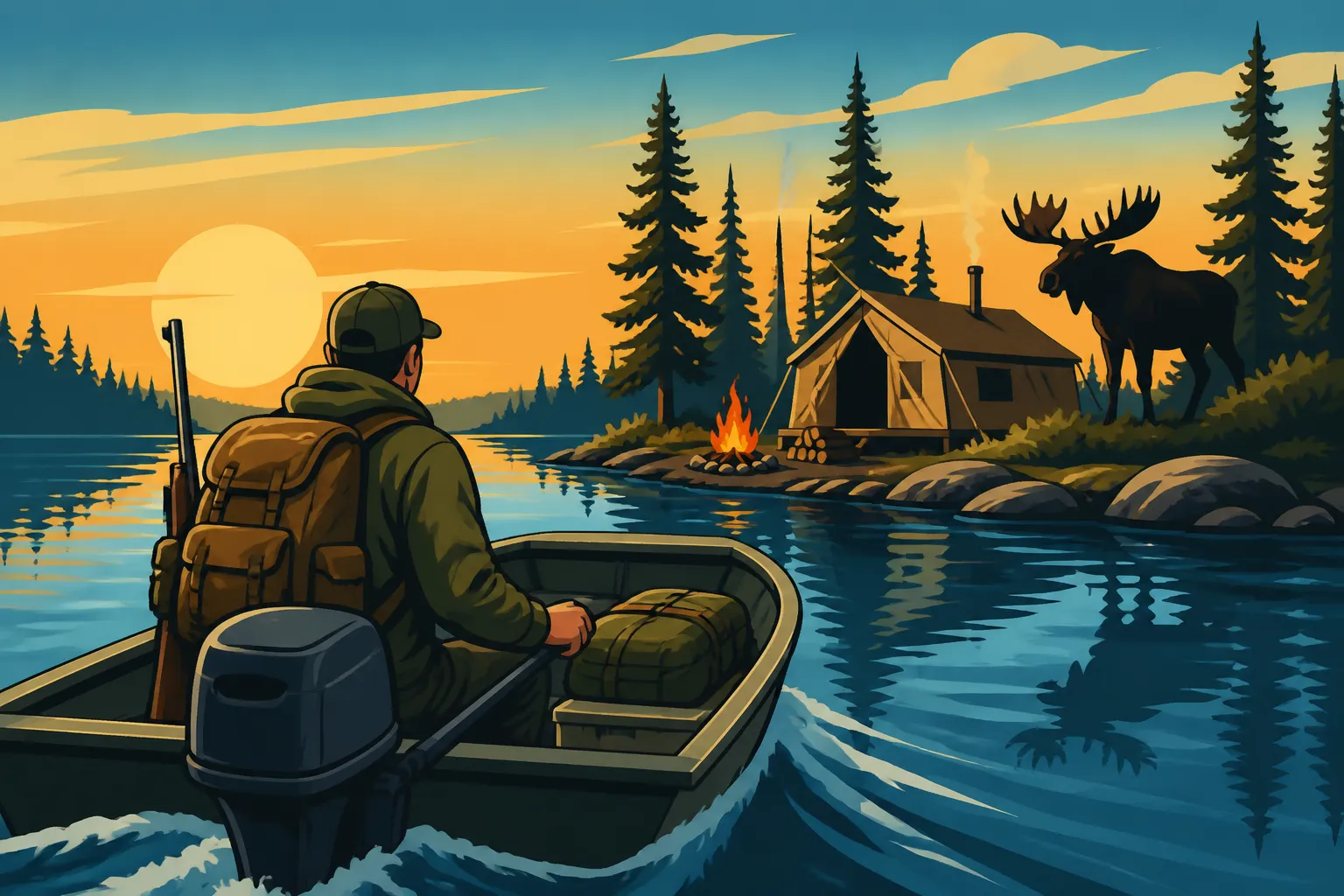
Boating Into a Crown Land Camp
There's nothing quite like the dream of heading deep into Ontario's backcountry, far from the paved roads and the crowds that often come with easy access. For many of us, that's the true spirit of wilderness hunting. But getting to those untouched pockets of Crown Land, those hidden lakeshores or remote river bends, often feels like a puzzle without a clear solution, especially when vehicle access simply ends. This guide is all about tackling that challenge head-on, showing you how a boat can unlock those incredible, secluded Crown Land camping and hunting experiences, giving you the solitude and opportunity you crave.
The Lure of the Remote: Why Boat Into Crown Land?
There's a special kind of satisfaction that comes from knowing you're hunting ground that few others bother to reach. That's the primary draw for boating into a Crown Land camp. It's not just about the hunt itself, but the entire journey and the profound sense of connection to nature you gain when you're truly self-sufficient in the wilderness.
Escaping the Roadside Crowds
Let's be honest, hunting pressure is a real thing, especially in areas easily accessed by truck or ATV. You spend weeks scouting, only to find fresh boot prints or another hunter's stand in your "secret" spot on opening day. It's frustrating, and it can really dampen the experience. Boating into a Crown Land camp inherently reduces that pressure. Suddenly, those ridges, swamps, or hardwood stands that are miles from the nearest road become viable hunting grounds. Imagine pulling up to a remote shoreline, setting up your tent, and knowing that the only other human presence you'll likely encounter is the reflection of your own campfire on the water. This solitude isn't just a luxury; it often translates to less wary game. Deer, moose, and bear that rarely encounter humans behave differently, making for a more authentic and challenging hunt. This is particularly true for seeking out those mature animals that have learned to avoid road systems.
Unlocking Untouched Territory
Ontario boasts an immense amount of Crown Land, but a significant portion of it remains difficult to access without specialized equipment or a willingness to trek for days. Boats change that equation entirely. They transform barriers like large lakes, wide rivers, or intricate wetland systems into highways directly to the heart of the wild. Picture a long, winding lake with dozens of small islands or hidden bays. While a road hunter might walk the shoreline near a public access point, a boat allows you to explore every single one of those islands, each potentially holding a unique pocket of cover or feeding sign. These spots often hold game that isn't accustomed to human scent or pressure, offering a truly unique hunting opportunity. You're not just finding a hunting spot; you're accessing an entire ecosystem that few ever see, let alone hunt. This remote access can lead to incredible opportunities, whether you're targeting Moose in Ontario's Boreal Forest or a big whitetail buck that thrives far from human disturbance.
Essential Planning for Your Boat-In Camp Trip
Boating into a Crown Land camp is a fantastic adventure, but it's not something you can just decide to do on a whim. Proper planning is absolutely paramount for a safe, successful, and legal trip. Think of it as building your expedition from the ground up, starting with regulations and ending with the right gear.
Navigating Crown Land Regulations and Permits
The first and most critical step is understanding the rules of the land you're heading into. Ontario's Crown Land is public land, but it's not a free-for-all. There are specific guidelines for camping, hunting, and general use. You'll definitely want to familiarize yourself with Ontario's Crown Land Access Rules before you even start packing. For instance, while residents generally don't need a permit to camp on Crown Land for up to 21 days in one spot, non-residents have different requirements. If you're coming from out of province, you absolutely need to look into obtaining a Non-Resident Crown Land Camping Permit. Failing to do so can result in hefty fines and a ruined trip. Beyond general camping, remember that all hunting regulations, season dates, and tag requirements for the specific Wildlife Management Unit (WMU) you're in still apply. Whether you're after Ontario Deer Season Dates and Tags or navigating the Ontario Moose Tag Allocation Process, all the standard rules are still in effect. Always consult the official Ontario Hunting Regulations Summary for the most current information.
Mapping Your Route and Scouting Potential Spots
Once you understand the legalities, it's time to get down to the nitty-gritty of location. This is where modern technology really shines. Tools like onX Hunt and GoHunt offer invaluable satellite imagery, property line overlays (crucial for distinguishing Crown from private land), and topographical maps. You can literally sit at home and virtually scout your entire route and potential hunting grounds. Look for:
- Launch Points: Where will you put your boat in? Is there public access, or do you need permission from a landowner?
- Safe Anchorage/Landing: Identify protected bays or shallow, sandy shores where you can safely land your boat and secure it from wind and waves.
- Camp Locations: Seek out high, dry ground, preferably with some natural shelter from the elements, but also easy access to potable water (after treatment!). Avoid low-lying areas prone to flooding or dense bug populations.
- Hunting Terrain: Use the satellite imagery to spot potential pinch points, food sources (like old logging cuts or areas with berry bushes), bedding areas, or travel corridors for the game you're targeting. For a deeper dive, check out Scouting With Satellite Imagery in Ontario.
- Hazards: Look for rapids, shallow spots, submerged rocks, or tricky channels on your water route. Plot these on your map.
While digital maps are amazing, never rely solely on them. Always carry physical maps of the area and a compass as a backup. Batteries die, and signals drop. Knowing how to use them is a fundamental wilderness skill.
Gear, Boat, and Motor Considerations
This is where the rubber meets the road, or rather, the keel meets the water. Every single item you bring must be chosen with purpose, keeping weight, durability, and necessity in mind.
| Item Category | Key Considerations |
|---|---|
| Boat Choice | Aluminum Utility Boat (14-16 ft): Good balance of capacity, ruggedness, and maneuverability. Ideal for larger lakes or rivers with some chop. Larger Jon Boat: More stable, shallower draft, great for calmer waters or marshy areas. Canoe: Excellent for smaller lakes, portaging, and truly remote, shallow rivers. Less capacity but ultimate access. Consider a square-stern canoe for a small outboard. |
| Motor | Reliability is non-negotiable. A smaller, well-maintained outboard (5-15hp often sufficient for utility boats) is usually best. Carry spare spark plugs, basic tools, shear pins, and extra fuel. Know how to do basic repairs. |
| Safety Gear | Mandatory: PFDs for everyone onboard, bailing device, whistle, buoyant heaving line. Highly Recommended: First-aid kit, fire extinguisher, signaling mirror, powerful flashlight, air horn, flares, repair kit for your boat, emergency satellite communication device (SPOT, inReach). |
| Navigation | Waterproof GPS with extra batteries, physical topo maps, compass, chart of the waterway (if available). |
| Camp Gear | Lightweight, compact tent(s) suitable for potential wind/rain, sleeping bags rated for expected overnight lows, sleeping pads. Portable stove and fuel (minimize campfire use), cooking pot/pan, utensils, plates/cups. Water filter or purification tablets, sufficient water containers. |
| Food & Storage | Non-perishable, high-energy foods. Plan meals to minimize waste and bulk. Bear-resistant containers or bags are essential for food storage, hung properly or secured away from camp. Remember, this applies especially if you're Setting a Bear Bait Site in Ontario nearby. |
| Hunting Gear | Your chosen firearm or bow, appropriate ammunition/arrows, optics, knife, game bags, drag rope, headlamp, extra batteries. Your hunting licence and tags, properly filled out. |
| Personal Items | Layered clothing (moisture-wicking base, insulating mid-layers, waterproof/windproof outer shell), sturdy waterproof boots, bug repellent, sunscreen, toiletries. |
| Miscellaneous | Tarps for shelter or covering gear, rope/cordage, small axe or saw, garbage bags (pack it in, pack it out!), portable power bank for electronics. |
Carefully consider weight distribution in your boat to maintain stability and prevent swamping. Overloading is a recipe for disaster. What to Bring to an Ontario Bush Camp goes into more detail on general camp gear.
On the Water and Setting Up Your Wilderness Home
Now that the planning is done and your gear is packed, it's time for the exciting part: the journey into the wilderness and establishing your home away from home. This phase is all about safe execution and smart campcraft.
Safe Passage and Navigation
Before you even leave the launch, perform a thorough pre-launch check of your boat, motor, and all safety gear. Is your fuel tank full? Is the spare prop and shear pin handy? Are everyone's PFDs (personal flotation devices) properly fitted? Once underway, pay constant attention to the weather. Conditions on large lakes, especially in northern Ontario, can change dramatically and quickly. What started as calm water can turn into whitecaps in a matter of minutes. If the weather looks iffy, it’s always better to wait it out.
Maintain a vigilant watch for submerged hazards, especially if you're in unfamiliar waters. Your mapped hazards are a starting point, but water levels change, and new obstacles can appear. Stick to established channels if they exist, and travel at a safe speed, particularly in shallow areas or near shorelines. Hunting Moose From a Boat or Canoe highlights the benefits of water travel but also the inherent risks. Consider having a float plan – telling someone responsible your route, expected return time, and who is with you. This is a critical safety measure for any remote trip. Navigating at dusk or dawn, while often prime times for hunting, requires extra caution on the water due to reduced visibility. Use navigation lights if equipped, and always have a powerful flashlight or spotlight ready.
Establishing Your Camp
Once you've safely landed at your chosen spot, the real work of setting up camp begins. The goal is to establish a comfortable, safe, and low-impact base.
- Site Selection: Re-evaluate your pre-scouted camp spots. Look for level ground that's well-drained and slightly elevated, ideally with some natural windbreak. Avoid setting up in game trails or directly on sensitive vegetation. Ensure easy access to water, but pitch your tent far enough away from the shoreline to avoid issues with rising water levels or morning dew. Always check for overhead hazards like dead branches or "widowmakers" that could fall.
- Efficient Setup: Get your shelter up quickly, especially if weather threatens. Organize your gear efficiently as you unload, creating designated areas for cooking, sleeping, and storing food.
- Bear Safety: This is non-negotiable in much of Ontario's hunting country. All food, scented items (toothpaste, deodorant), and cooking gear must be stored properly away from your sleeping area. Use bear-resistant containers, or hang food in a sturdy bag from a tree branch at least 10 feet off the ground and 4 feet from the trunk. Cook away from your tent, and never bring food or scented items into your sleeping area. Keep your camp clean, burying no garbage and packing out everything.
- Minimizing Impact: Practice Leave No Trace principles. Avoid cutting live trees for firewood (use deadfall only). Concentrate activity in existing clearings. Be mindful of your fire, ensuring it's always contained and fully extinguished before leaving it. Dig a small cathole for human waste well away from water sources and camp.
Having a solid, functional camp is your foundation for a successful hunt. It’s where you’ll rest, refuel, and regroup, making it as important as your hunting strategy.
Hunting From a Boat-In Base
With your camp established, your boat transforms from a transport vessel into a vital hunting tool. It allows you to expand your hunting range exponentially.
- Scouting and Access: Use your boat to quietly scout different shorelines, access the backs of bays, or navigate rivers and creeks that might lead to excellent upland game habitat or big game crossings. You can cover far more ground than on foot. Pull up to a promising looking point, tie off, and slip into the woods to still-hunt or scout for fresh sign.
- Game Retrieval: This is one of the biggest advantages. Instead of agonizing over a long, arduous drag through thick bush, a boat can often get you within a reasonable distance of your downed animal. Plan your retrieval routes mentally beforehand, knowing where you can safely land the boat closest to potential kill zones.
- Meat Care: In remote settings, especially during Ontario's warmer early seasons, proper Meat Care in Ontario's Warm Early Seasons is paramount. Get your animal field dressed quickly. If you've taken a large animal like a moose, quartering it on the spot is often necessary to get it back to the boat. Ensure you have game bags to protect the meat and keep it cool. A boat can sometimes mean a quicker trip back to a cooler or even ice, but don't count on it; be prepared for field processing and hanging in camp if temperatures allow.
Hunting from a boat-in base demands a unique set of skills and preparation, but the rewards of accessing truly remote and unpressured areas are well worth the effort. It's truly a fulfilling way to experience Hunting Ontario's Crown Land.
Responsible Boating and Leaving a Legacy
The true measure of a wilderness hunter isn't just about what you take out of the bush, but how you leave it. Responsible boating and adhering to ethical wilderness principles ensures that these unique opportunities remain available for everyone, including future generations of hunters.
Post-Hunt Procedures and Departure
As your adventure winds down, the focus shifts to a thorough and responsible departure. Just as you carefully planned your arrival and setup, your exit requires diligence.
- Camp Cleanup: The golden rule of wilderness travel is "pack it in, pack it out." This means everything. Scour your campsite for any dropped bits of garbage – forgotten wrappers, string, spent casings, or anything else that doesn't belong. Consider doing a "micro-trash" sweep. Even if you made an effort to minimize waste, things can get left behind. Leave your campsite cleaner than you found it. This simple act respects the land and those who might come after you.
- Fire Management: If you had a campfire, ensure it is completely extinguished. Drown it with water, stir the ashes, and then drown it again. Feel the ashes with your bare hand to confirm they are cold to the touch. Even a smoldering ember can reignite and cause a devastating forest fire.
- Gear Check and Loading: Before you load up, do a final inventory to ensure all your gear is accounted for. Pack your boat logically, keeping essential safety gear accessible. Ensure the weight is evenly distributed for a safe ride back. You don't want to realize you left your prized hunting knife or a critical piece of camp equipment behind as you're halfway across the lake.
- Safe Return Journey: Just like the trip in, the journey out demands focus. Check the weather again before you depart. Take your time, navigate carefully, and enjoy the last moments of your wilderness experience. Don't rush, especially if you're tired from the hunt.
Preserving the Wilderness for Future Generations
The ability to boat into remote Crown Land camps is a privilege, and with that privilege comes a significant responsibility. Every hunter, angler, and outdoor enthusiast has a role to play in preserving these wild spaces.
- Stewardship: Embrace the role of a land steward. This means not just following the rules, but actively seeking to minimize your footprint. Think about the long-term health of the ecosystem. This might involve choosing durable surfaces for your camp, carrying out more trash than you brought in, or minimizing noise pollution.
- Respect for Others: You might be seeking solitude, but you're rarely the only user of Crown Land. Respect other boaters, campers, hikers, and Indigenous land users. Keep noise levels down, especially near other camps, and share the water and the land courteously.
- Reporting Concerns: If you observe environmental damage, illegal hunting activity, or safety concerns, report them to the appropriate authorities. Ontario has resources like the Ministry of Natural Resources and Forestry (MNRF) or the Report a Poacher line. Hunters are often the eyes and ears of the wilderness, and reporting issues helps maintain the health and integrity of our natural resources.
By following these principles, you're not just ensuring your next trip is a good one; you're contributing to a legacy of conservation that allows generations to come to experience the thrill of Canoe-In Hunting on Ontario Crown Land and the profound satisfaction of a boat-in wilderness camp.
Disclaimer
This article is for general informational purposes only and does not constitute professional advice. Laws, prices and regulations vary by location and change over time. Consult a qualified professional for guidance on your specific situation.