Hunting the Pelee Island Controlled Hunts
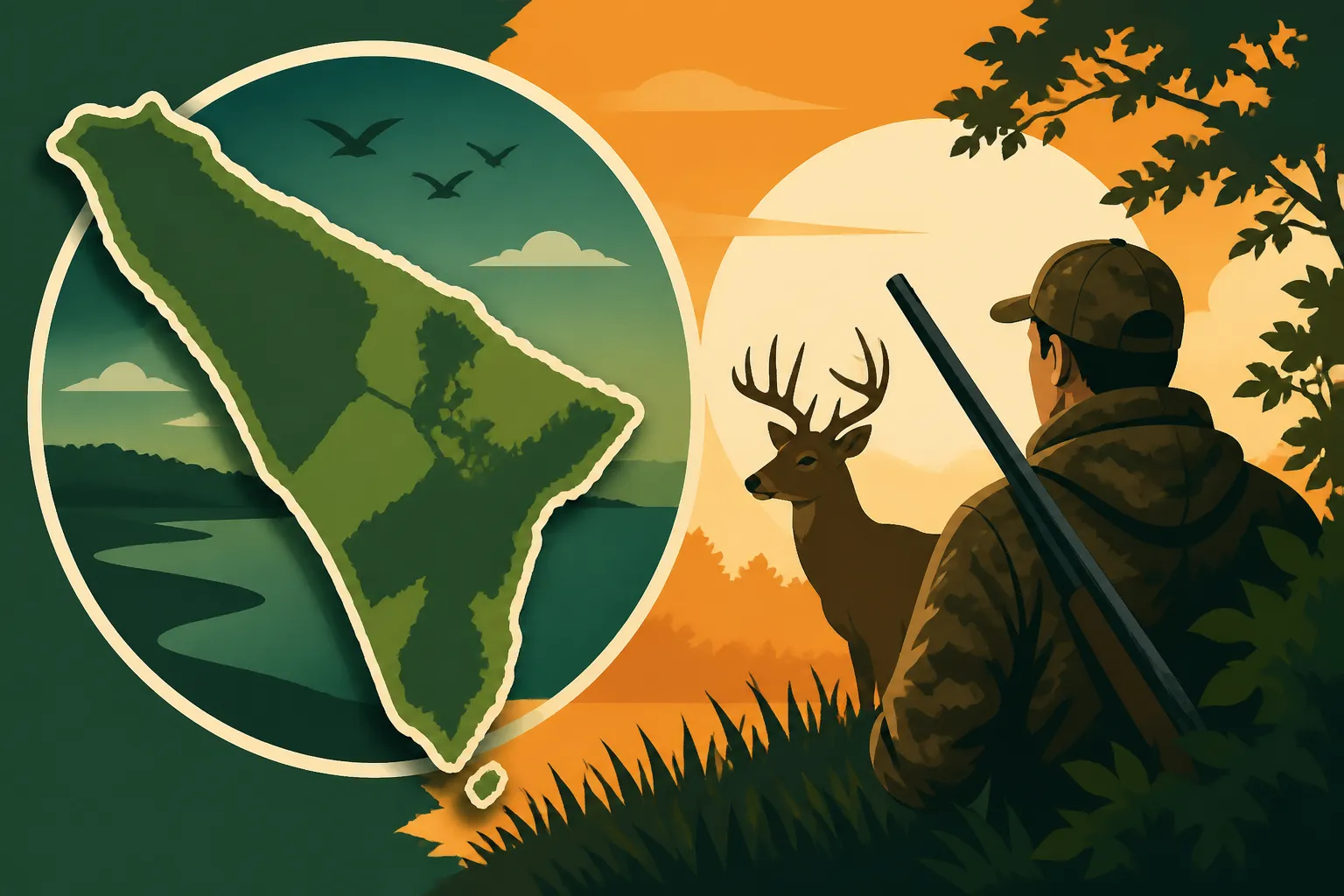
Hunting Pelee Island presents a truly unique challenge and a coveted opportunity for deer hunters in Ontario. Unlike the vast expanses of Crown Land or the diverse private parcels on the mainland, this tiny, isolated gem in Lake Erie operates under a very specific, highly sought-after controlled hunt system. It's a different world, and if you're lucky enough to draw a tag, you need to understand exactly what you're getting into to make the most of this exceptional experience. This guide will walk you through the ins and outs of tackling Pelee Island’s controlled deer hunt.
Understanding Pelee Island's Unique Hunting Opportunity
Pelee Island isn't just another hunting spot; it's an ecological marvel and a testament to successful wildlife management, albeit with its own set of challenges. When you think of hunting here, picture an intimate, self-contained ecosystem that demands a different approach than the typical mainland bush.
Why Pelee Island is Different
Pelee Island, the southernmost inhabited point in Canada, is fundamentally different from anywhere else you might hunt in Ontario. Its isolation in Lake Erie means a unique habitat, minimal natural predation, and a deer herd that has, historically, thrived without much pressure. This combination led to a robust deer population that, if left unchecked, would quickly exceed the island's carrying capacity, leading to habitat destruction and unhealthy animals. The limited access – primarily by ferry – adds another layer of complexity, making logistics a significant part of the hunt itself. It’s a closed system, which is both its charm and its challenge.
Imagine a deer population largely unaccustomed to widespread human pressure, confined to a relatively small landmass. The deer density can be incredibly high, leading to different behaviours than those you might observe in more spread-out, pressured areas. This can be a double-edged sword: more deer, but also deer that are very accustomed to the island's specific routines and human presence in certain areas. You're not just hunting deer; you're hunting Pelee Island deer, and that's a distinct experience.
The Controlled Hunt System
The very existence of the Pelee Island hunt is a direct response to the need to manage this unique deer population responsibly. It's a conservation tool first and foremost, designed to keep deer numbers in balance with the island's fragile ecosystem, including rare plant species and agricultural interests. Because of this, hunting access is strictly controlled through a draw system. This isn't a walk-up, buy-a-tag, and go-hunt scenario. Each year, a limited number of hunters are selected through a lottery, assigned specific hunt periods and zones to ensure an even distribution of pressure and harvest.
This system means several things for the aspiring hunter. First, it's highly competitive, and drawing a tag is a privilege. Second, it means your hunt dates and areas are predetermined, demanding careful planning. Third, the rules are often more stringent and specific than general Ontario hunting regulations, reflecting the delicate balance of the island. It’s a prime example of how tightly regulated hunting can serve as a vital management tool, protecting both the resource and the environment.
Species Available for Hunting
While Pelee Island is famous for its whitetail deer hunt, they are far and far away the primary target. The controlled hunt is specifically geared towards managing the deer population. You won't find moose or bear here, nor are there large tracts of upland game bird habitat in the same way you might find on the mainland. Small game like rabbits or certain migratory birds might be present, but they are not typically the focus of the controlled hunt periods, which are structured around deer management.
Therefore, when you apply for a Pelee Island tag, your focus should be squarely on whitetails. The unique environment of the island, with its mix of agricultural fields, woodlots, and thick cover, provides ample opportunities for deer to thrive and offers diverse hunting scenarios for those who draw a tag. Understanding that this is a dedicated deer hunt will help set your expectations and focus your preparation.
Navigating the Application and Draw Process
Getting to hunt Pelee Island is less about where to hunt and more about how to get one of those coveted tags in the first place. The application and draw process are key, and understanding them is your first hurdle.
Eligibility and Application Requirements
Before you can even dream of setting foot on the ferry with your hunting gear, you need to be eligible for an Ontario hunting licence, which means holding a valid Outdoors Card and having completed the required hunter education courses. This is standard for all Ontario hunters. Beyond that, the Pelee Island controlled hunt operates on an application basis, usually through the provincial online licensing portal. You’ll apply for a specific hunt period and zone, typically during a designated application window.
The specific dates for applying, the exact hunt periods, and the zones change periodically, so it’s absolutely crucial to consult the official Ontario hunting regulations summary each year. Do not rely on old information. When applying, you'll indicate your preferences, but because it's a draw, there's no guarantee you'll get your first choice, or any choice at all. It's a lottery, plain and simple, and many dedicated hunters apply year after year hoping for that golden ticket. Understanding Ontario Hunting Licences and What They Cost and your Ontario's Outdoors Card Explained status are your absolute first steps.
Understanding Hunt Periods and Zones
Once you (hopefully!) draw a tag for Pelee Island, you'll be assigned a very specific hunt period and a designated hunting zone on the island. This isn't a free-for-all across the entire island. The island is typically divided into several zones, and hunts are usually staggered over a few weeks in the fall to manage hunter numbers and minimize disturbance. Your validation will clearly state your assigned zone and the dates you are permitted to hunt.
This means your preparation must be highly focused. You won’t be able to just show up and wander where you please. You need to intimately understand the boundaries of your assigned zone. Before you even set foot on the ferry, you might be poring over satellite imagery on tools like onX Hunt or GoHunt, trying to spot potential pinch points or cover within your specific area. Respecting these boundaries is not just good practice, it’s a legal requirement, and island staff will be vigilant in enforcing them to maintain the integrity of the controlled hunt.
Maximizing Your Chances in the Draw
Let's be realistic: the Pelee Island draw is highly competitive. There are far more applicants than available tags. While there's no secret trick to guarantee a draw, there are approaches that might marginally increase your odds, or at least help manage your expectations. Firstly, ensure your application is submitted correctly and on time, every single year. A missed deadline is a guaranteed non-draw. Secondly, consider if there are any hunt periods or zones that are historically less popular. Sometimes, applying for a less desirable period (e.g., an earlier or later week, or a zone known for slightly thicker cover) might have slightly better odds, but even this is a gamble.
Some hunters might apply as a group, if that option is still available and makes sense for their party, as sometimes group applications are handled slightly differently. However, for a hunt this unique and popular, the best strategy is often simply persistence. Keep applying, year after year, and consider it a bonus when your name finally comes up. It’s a badge of honour for many Ontario hunters to eventually draw a Pelee tag.
Preparing for Your Pelee Island Hunt
Drawing a Pelee Island tag is only half the battle; the real work begins when you start planning for the trip itself. The logistics and specific environment require careful consideration.
Essential Gear and Logistics
Packing for Pelee Island is a balancing act. You need to be prepared for potentially variable late fall weather in Lake Erie, which can swing from mild to downright chilly and damp. Layered clothing is critical. Beyond standard hunting attire, think about rain gear, waterproof boots, and good quality optics. Since you’re likely hunting from a portable stand or still hunting, a comfortable, lightweight stand or ground blind setup is essential. Don’t forget basic field dressing supplies, a cooler for meat, and perhaps even a game cart, as vehicle access might be restricted in your hunt zone.
Logistically, the ferry is your primary lifeline. Reservations for both passengers and vehicles are absolutely non-negotiable and often need to be made well in advance, sometimes even before you know if you've drawn a tag (requiring a gamble!). There's limited accommodation on the island, so securing a place to stay is another critical step, whether it's a rental cottage, B&B, or the campground if allowed during hunting season. Plan your meals, water, and other necessities, as island services are limited, especially during the off-peak hunting season. This isn’t a trip where you can just run to a big box store if you forgot something.
Scouting and Strategy on the Island
Pre-scouting Pelee Island might be challenging due to its remote nature and the controlled access. Often, hunters rely heavily on maps and online satellite imagery. Before your hunt, spend considerable time with mapping applications like onX Hunt or GoHunt. Look for obvious travel corridors, pinch points between agricultural fields and woodlots, bedding areas in dense cover, and feeding areas around corn or soybean fields. The island’s relatively flat topography and distinct habitat blocks make map scouting quite effective.
On the ground, once you arrive, you’ll have limited time to get oriented. Focus on fresh sign: tracks, rubs, scrapes, and feeding activity. Deer on Pelee, while numerous, can still be pressured, especially after the first hunt periods. Adaptability is key. Don't be afraid to adjust your strategy based on what you find. Hunting a confined, high-density area often means deer are very aware of human activity, so stealth and understanding their movements between cover and food sources are paramount. For more on this, check out Scouting With Satellite Imagery in Ontario.
Rules, Regulations, and Safety
Pelee Island’s controlled hunt comes with its own specific set of rules that often go beyond the general provincial regulations. These might include specific weapon restrictions (e.g., shotgun or muzzleloader only, no rifles), rules about ATV use, designated access points, and strict adherence to your assigned hunting zone and times. You’ll likely be required to attend an orientation session upon arrival, where these rules will be reiterated. Pay close attention, and don't hesitate to ask questions.
Safety is paramount. Given the potentially high density of hunters, visible blaze orange is almost certainly mandatory and should be worn vigilantly – check Ontario Blaze Orange Requirements for specific requirements. Ethical shot placement is always critical, but even more so in an environment where a wounded animal could potentially cross into a non-hunting zone or agricultural area. Know your legal shooting hours, understand how to report your harvest, and always confirm your target and what lies beyond.
The Hunt Itself: What to Expect
You've planned, you've packed, and you've made it to the island. Now, the real adventure begins. But what does a Pelee Island hunt actually look like?
Arrival and Orientation
Upon your ferry arrival, you’ll usually proceed to a designated check-in point for the controlled hunt. Here, your paperwork, licences, and possibly even your firearms will be inspected. This is often where you’ll receive your official hunt package, including detailed maps of your assigned zone, any final rule updates, and emergency contact information. Pay very close attention during any mandatory orientation briefings. These sessions are crucial for understanding the nuances of the current hunt, any last-minute changes, and specific safety protocols.
This check-in is also your opportunity to ask any lingering questions you might have about boundary markers, game retrieval procedures, or anything else specific to the island’s operations. Think of it as your official onboarding to the Pelee Island experience. Missing this step or not paying attention could lead to misunderstandings or, worse, rule violations.
Hunting Tactics and Success Rates
Given the varied terrain and high deer density, successful tactics on Pelee Island can range from sitting a stand in a strategic location to careful still-hunting. Many hunters favour elevated stands placed along natural travel corridors, field edges, or pinch points between woodlots. With the potential for high deer movement, especially at dawn and dusk, sitting all day can be a viable strategy, as detailed in Sitting All Day in an Ontario Blind. For those who prefer to be more active, careful still-hunting through woodlots or along thick cover can also be effective, especially if you understand how deer are using the available terrain.
Small, organized deer drives, if permitted and done safely with a small group, can also be productive in flushing deer from dense cover into more open areas or past waiting standers. Review Deer Drives With Three or Four Hunters for tips on how to organize these. However, be aware of other hunters and always prioritize safety. Success rates on Pelee Island are often higher than many mainland hunts due to the concentrated deer population, but it's not a guaranteed harvest. Deer on the island can become wary quickly, especially after the initial hunt periods, so patience and adaptability remain crucial.
Post-Harvest Considerations
Congratulations, you've harvested a deer on Pelee Island! Now the work truly begins. First and foremost, you must immediately tag your deer according to provincial regulations, ensuring the tag is correctly notched and securely attached. Next is field dressing. Depending on the time of year, temperatures on Pelee Island can still be quite mild, so prompt and thorough field dressing is essential for proper meat care. Take a look at Field Dressing in Warm Ontario Weather for more on this.
Transporting your game off the island is another critical logistical step. You'll likely need to bring coolers or large bags to pack out your meat. There may be designated game check stations on the island where you report your harvest and receive any necessary documentation for transport. Remember that space on the ferry is limited, so plan for how you'll get your deer (quartered and bagged is often best) back to the mainland. Ensure you have adequate ice or refrigeration to maintain meat quality during your journey home.
Pelee Island vs. Mainland Deer Hunting: A Quick Comparison
Hunting Pelee Island is a distinct experience. Here's how it often stacks up against a typical mainland hunt in Ontario:
| Feature | Pelee Island Controlled Hunt | Typical Mainland Hunt (e.g., Crown Land or Private Property) |
|---|---|---|
| Access | Highly controlled via competitive draw; ferry dependent | More open access (Crown Land) or by permission (Private); road access |
| Deer Density | Generally very high | Varies widely from low to moderate |
| Hunting Pressure | High within specific hunt periods and zones | Varies greatly by area and time of year |
| Scouting | Limited physical pre-scouting; heavy map reliance | Extensive physical pre-scouting often possible |
| Hunt Area | Assigned, restricted zones | Broader freedom within legal bounds |
| Logistics | Ferry booking, accommodation, food, game transport | Often simpler, drive-in; local amenities usually available |
| Regulations | Island-specific rules in addition to provincial | Primarily provincial regulations |
| Experience | Unique, highly sought-after, conservation-focused | Diverse, from wilderness adventures to farm-edge hunting |
Disclaimer
This article is for general informational purposes only and does not constitute professional advice. Laws, prices and regulations vary by location and change over time. Consult a qualified professional for guidance on your specific situation.