Hunting the Manitoulin Island Units
Hunting an area like Manitoulin Island can feel like a totally different ballgame compared to the vast expanses of northern Crown Land. Many hunters, especially those new to the region or coming from areas with more readily available public access, often feel a bit overwhelmed trying to figure out where they can even set foot. It’s a common frustration to see fantastic habitat and robust game populations, only to be met with "No Trespassing" signs at every turn. This guide is here to walk you through the unique opportunities and challenges of hunting the Manitoulin Island units, helping you understand the landscape, navigate access, and develop effective strategies for a successful hunt.
The Unique Appeal and Landscape of Manitoulin Island for Hunters
Manitoulin Island, the largest freshwater island in the world, offers a hunting experience distinct from many other parts of Ontario. It's a place where the landscape tells a story of ancient limestone formations, fertile agricultural fields, and dense mixed forests, all cradled by the shimmering waters of Lake Huron. This unique blend creates a rich tapestry of habitats that support thriving wildlife, particularly whitetail deer.
Understanding the Island's Geography and Habitat
When you look at a map of Manitoulin, you immediately notice its significant size and diverse topography. The island isn't just one type of terrain; it’s a mosaic. You’ll find rolling hills, dramatic limestone cliffs along the coast, and vast stretches of mixed hardwood and cedar forests, particularly towards the interior. Interspersed among these natural features are numerous farms with their productive fields – think corn, soy, and hay – creating a fantastic food source for deer.
This patchwork of habitats is what makes Manitoulin so special. Deer and other game animals aren't confined to dense wilderness; they utilize the edges, the transition zones between fields and forests, and the shelter of cedar swamps. These natural corridors become critical travel routes. Imagine a thick cedar swamp providing winter cover, spilling out into a hardwood ridge where oaks drop acorns, which then borders a sprawling cornfield offering a banquet from late summer through fall. Animals move between these zones constantly, making these interfaces prime locations for setting up a stand. Unlike continuous deep bush, the game on Manitoulin often concentrates in these specific areas, which can be both a blessing and a curse. It’s a blessing because when you find a good spot, it can be really good. It's a curse because those "good spots" are often well-known, or on private property.
Primary Game Species: Whitetails Reign Supreme
While Manitoulin Island might not be known for its moose or vast tracts of black bear habitat in the same way Northern Ontario is, it stands out as a premier destination for whitetail deer hunting. The island's combination of agricultural lands, diverse forest cover, and milder winters (compared to areas further north) creates ideal conditions for deer to not only survive but thrive and grow to impressive sizes.
You'll find a healthy population of whitetail deer here, with many bucks growing substantial racks. The fertile soils and abundant food sources, particularly from the widespread farming operations, provide the nutritional foundation for larger body weights and antler growth. Hunters often report seeing numerous deer throughout their hunt, a testament to the strong populations. While harvesting a trophy buck is always a challenge, the potential on Manitoulin is definitely there. You might also encounter a black bear, especially in the spring or fall, but they are not the primary focus for most hunters coming to the island. Small game species like ruffed grouse, snowshoe hare, and cottontail rabbits are also present and can offer additional opportunities. However, for most, the allure of Manitoulin lies firmly with its whitetail deer.
Navigating Land Access and Specific Regulations on Manitoulin
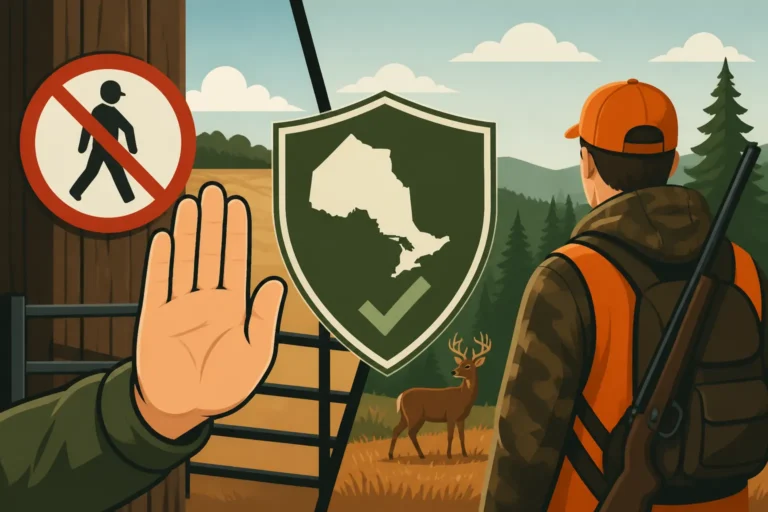
One of the biggest hurdles, and frankly, frustrations, for hunters considering Manitoulin Island is the prevalent private land ownership. Unlike vast stretches of Crown Land found in other parts of Ontario, a significant portion of Manitoulin is privately owned. This reality means that securing access is often the most critical step in planning your hunt.
The Dominance of Private Land and Securing Permission
Let's be real: you simply cannot show up on Manitoulin Island expecting to find open hunting land just by driving around. The vast majority of prime deer habitat, especially the productive farm fields and adjacent woodlots, falls under private ownership. This isn't a bad thing, necessarily, but it requires a proactive approach. The rule of thumb here is always, always get permission before stepping foot on private property. Ontario Trespass Law for Hunters is very clear, and you don't want to start your hunt on the wrong side of a landowner or the law.
The best approach is to start early. Months, even a year in advance, is not too soon. Identify areas of interest, perhaps by looking at satellite imagery or through local contacts, and then work on finding the landowner. Sometimes a simple, polite knock on the door can open up opportunities. Be prepared to introduce yourself, explain your intentions clearly, and show respect for their property. Offering to help with chores, even for a short time, or leaving a small token of appreciation after a successful hunt, can go a long way in building rapport. Many hunters have found success by writing well-crafted letters that introduce themselves and ask permission. Remember, it's a privilege, not a right, to hunt on someone else's land. Tools like onX Hunt or GoHunt can be invaluable for identifying property lines and landowner information, giving you a starting point for your research. They allow you to overlay property boundaries onto topographical maps and satellite images, making it much easier to know exactly whose land you're looking at and who to contact.
Understanding Manitoulin's Wildlife Management Units (WMUs)
Manitoulin Island is primarily covered by a few specific Wildlife Management Units (WMUs). While these can change, historically, parts of Manitoulin have fallen into WMUs like 38 and 39, sometimes spilling into others depending on the specific location on the island or nearby mainland. It is absolutely crucial to consult the current Ontario Hunting Regulations Summary, published annually, to confirm which WMUs cover the areas you intend to hunt. This summary will provide precise boundary descriptions and, more importantly, the specific season dates and tag allocations for each WMU.
For instance, the archery season might open at a different time, or the gun season might have different durations or antlerless tag availability, depending on the WMU you're in. Knowing your WMU is paramount for staying legal. Ontario Deer Season Dates by WMU will be your go-to reference. Don't assume that what applies to one side of the island applies to another, or that rules from a previous year remain the same. Always double-check. WMUs are the backbone of Ontario's wildlife management, and understanding how they apply to Manitoulin is key to a responsible and successful hunt.
Resident vs. Non-Resident Hunter Access
For non-resident hunters eyeing Manitoulin, the process is generally similar to other parts of Ontario, but the private land aspect is amplified. Non-residents must possess the required licenses and permits, including an Outdoors Card and appropriate deer tags. What a Non-Resident Deer Licence Costs is worth knowing upfront. While an Ontario Hunter Education Requirements course is mandatory for most first-time hunters in Ontario, regardless of residency, it's the nuances of land access that truly differ.
Non-residents generally face the same challenge of securing private land permission. Unlike some parts of the north where vast tracts of Crown Land are easily accessible, Manitoulin's private ownership means that non-residents will almost certainly need to arrange access with a landowner or book with a local outfitter who has existing land agreements. While there may be some scattered pockets of Crown Land, they are generally limited and not always conducive to consistent big game hunting, though they might offer some small game opportunities. Camping on Ontario Crown Land can be an option if you find suitable public land, but again, ensure you know the rules and limitations. It's often easier for non-residents to consider a guided hunt if securing private land access independently proves too challenging.
Practical Strategies and Tips for Hunting Manitoulin Island
Hunting Manitoulin Island requires a blend of traditional hunting skills and a solid understanding of how to operate effectively on primarily private, mixed-use land. Success often comes down to meticulous preparation and adapting your tactics to the unique environment.
Effective Scouting and Pre-Season Preparation
Scouting on Manitoulin is paramount. Because much of the hunting occurs on private land near agricultural fields and woodlots, understanding deer patterns in these specific environments is crucial. Before the season even begins, use tools like onX Hunt or GoHunt to digitally scout. Look for funnels created by narrow strips of woods between fields, natural pinch points where thick cover meets open areas, and subtle elevation changes that deer might use for travel. Identify potential bedding areas within dense cedar swamps or thick brush, and locate key feeding zones such as cornfields, soybean fields, or apple orchards. Scouting With Satellite Imagery in Ontario allows you to do a lot of homework from home, saving valuable time once you're on the ground.
Once you have permission, boots-on-the-ground scouting becomes your most valuable asset. Walk the property, looking for fresh deer sign: tracks, rubs, scrapes, and droppings. Pay close attention to trails leading from bedding areas to feeding grounds. These will be your primary areas of focus. Don't forget to check around water sources, especially during dry periods. Reading Whitetail Sign in Ontario Hardwoods will help you decipher what the deer are doing and where they are moving. If you're hunting near standing corn, understanding deer movement in and out of those fields is key; Hunting a Standing Corn Field Edge often means focusing on early morning and late evening movements.
Choosing Your Hunting Method for Island Success
The predominant hunting methods on Manitoulin often revolve around stand hunting or still-hunting, given the smaller property sizes compared to northern wilderness. Tree stands or ground blinds are excellent choices, allowing you to intercept deer moving between their food and cover. Position your stand along known travel corridors, field edges, or near active scrapes and rubs. Pay attention to wind direction, as deer on the island, like anywhere else, are incredibly sensitive to scent.
Still-hunting, a slow and deliberate method of moving through the woods, can also be effective, especially if you're exploring new ground or trying to push deer towards a natural bottleneck. If you're fortunate enough to have access to a larger parcel with friends, carefully planned small deer drives can be productive, but always ensure safety and clear communication. For those hunting along agricultural boundaries, consider Hunting a Fencerow Between Two Fields as these often serve as natural highways for deer. They offer cover and connect larger woodlots or feeding areas. Remember, with private land, your methods must always align with the landowner's comfort level and any specific rules they might have in place.
Beyond Deer: Other Hunting Possibilities
While whitetail deer are the undisputed stars of Manitoulin Island hunting, there are other opportunities to explore if you have the proper licenses and permissions. Small game hunting can be quite rewarding. Ruffed grouse can be found in the mixed forests, particularly along old logging roads or clearcuts. Snowshoe hare and cottontail rabbits inhabit the thicker brush and swampy areas, offering a fun challenge. If you bring a small game firearm, ensure you know the specific season dates and bag limits for these species.
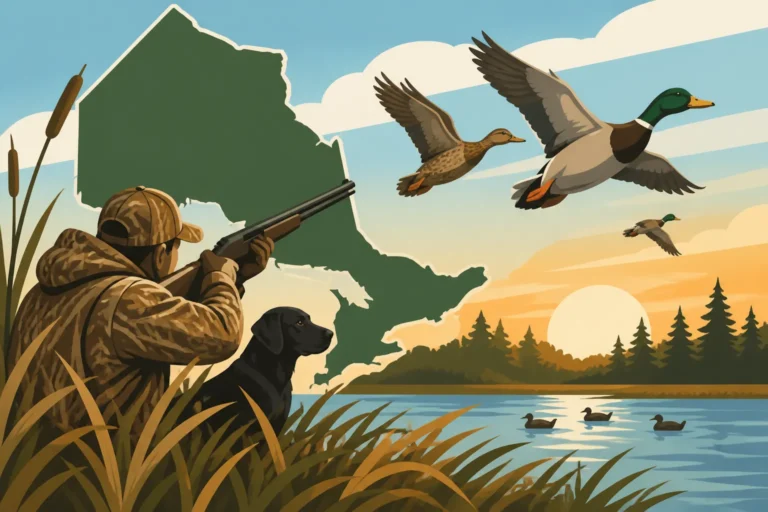
For the waterfowler, Manitoulin Island, surrounded by the vast waters of Lake Huron, also presents unique opportunities. Depending on your specific location, you might find local ducks and geese. Access to shorelines, bays, and wetlands can be challenging due to private ownership, but if you secure permission for a property with water frontage or access a public boat launch, you might be able to set up for a duck or goose hunt. Always remember to use non-toxic shot for waterfowl and have your federal migratory game bird permit in addition to your provincial license.
Manitoulin Island Hunting Overview
To summarize the key aspects of hunting on Manitoulin Island, here's a quick reference table:
| Aspect | Key Characteristics on Manitoulin Island | Important Considerations |
|---|---|---|
| Primary Game | Whitetail Deer (healthy, often large-bodied bucks due to agriculture); some small game, limited bear. | Focus your strategies on deer. Small game is a bonus. |
| Landscape | Mix of agricultural fields, hardwood/cedar forests, rocky outcrops, Lake Huron shoreline. | Deer utilize field edges, woodlots, and transition zones. Excellent food sources. |
| Land Access | Predominantly private land. Limited Crown Land. | Crucial: Secure landowner permission well in advance. Tools like onX Hunt are invaluable for research. |
| WMUs | Primarily WMU 38 and 39 (verify annually). | Always consult the current Ontario Hunting Regulations Summary for precise dates and tag rules specific to these units. |
| Hunting Methods | Stand hunting (tree stands, ground blinds) along edges/funnels. Still-hunting. Small, controlled drives. | Adapt to smaller property sizes. Wind direction is critical. |
| Scouting | Essential. Digital scouting (satellite imagery) combined with boots-on-the-ground. | Focus on food sources, bedding areas, and travel corridors between them. Look for fresh sign. |
| Non-Residents | Same licensing as other Ontario regions, but private land access is the main challenge. | Consider booking with a local outfitter or dedicate significant time to securing independent permission. |
| Other Opportunities | Ruffed grouse, snowshoe hare, cottontail rabbits. Some waterfowl depending on specific location/access. | Always check small game and migratory bird regulations, limits, and non-toxic shot requirements for waterfowl. |
Hunting Manitoulin Island offers a rich and rewarding experience for those willing to put in the effort to understand its unique character and navigate its access challenges. With proper preparation, respect for landowners, and effective scouting, you can look forward to a memorable hunt on this beautiful island.
Disclaimer
This article is for general informational purposes only and does not constitute professional advice. Laws, prices and regulations vary by location and change over time. Consult a qualified professional for guidance on your specific situation.