Hunting the Lake of the Woods Area
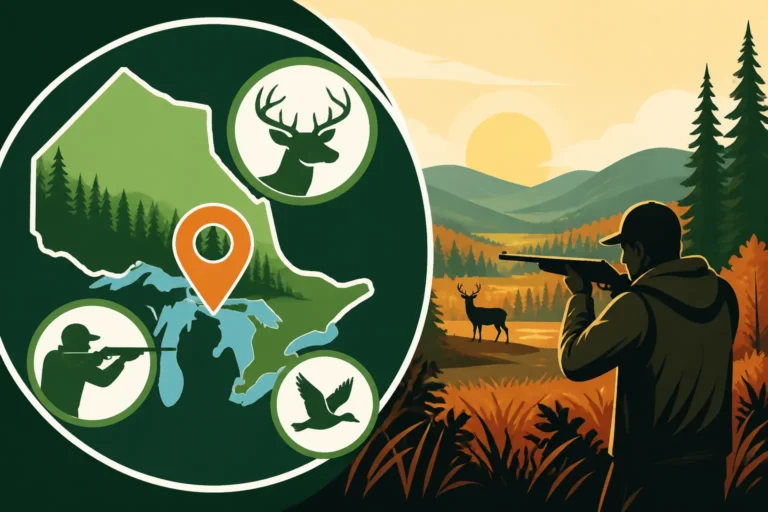
Hunting in the Lake of the Woods area presents some of Ontario's most breathtaking and challenging wilderness experiences. It's not your typical bush lot hunt; here, the land and water intertwine in a vast, intricate maze that can overwhelm even seasoned hunters. This guide is dedicated to helping you unravel the complexities of this unique region, so you can confidently plan and execute a successful hunt, from understanding the diverse landscape to mastering the strategies needed for its abundant game.
Understanding the Lake of the Woods Landscape for Hunting
The Lake of the Woods isn't just a body of water; it's an entire ecosystem, a wild heartland where countless islands, bays, and peninsulas create an unparalleled hunting environment. This area, straddling the Ontario-Manitoba border and dipping into Minnesota, offers a hunting experience unlike anywhere else in the province, but it demands respect, preparation, and a deep understanding of its unique characteristics.
Geographical Features and Their Impact on Game
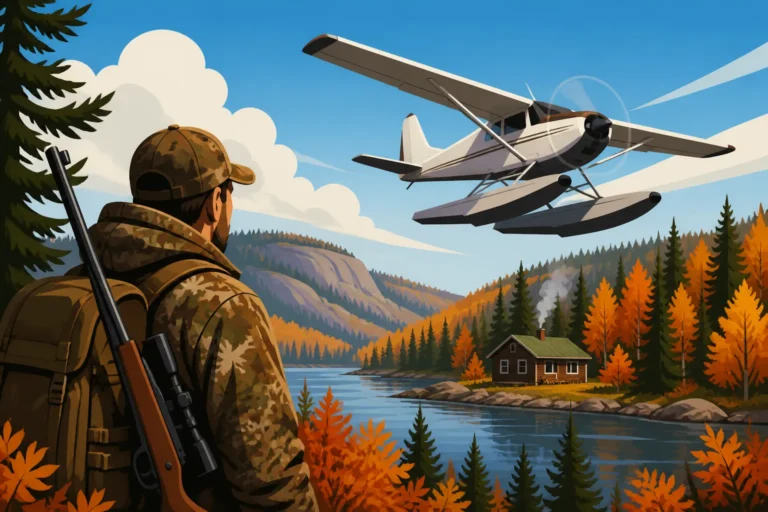
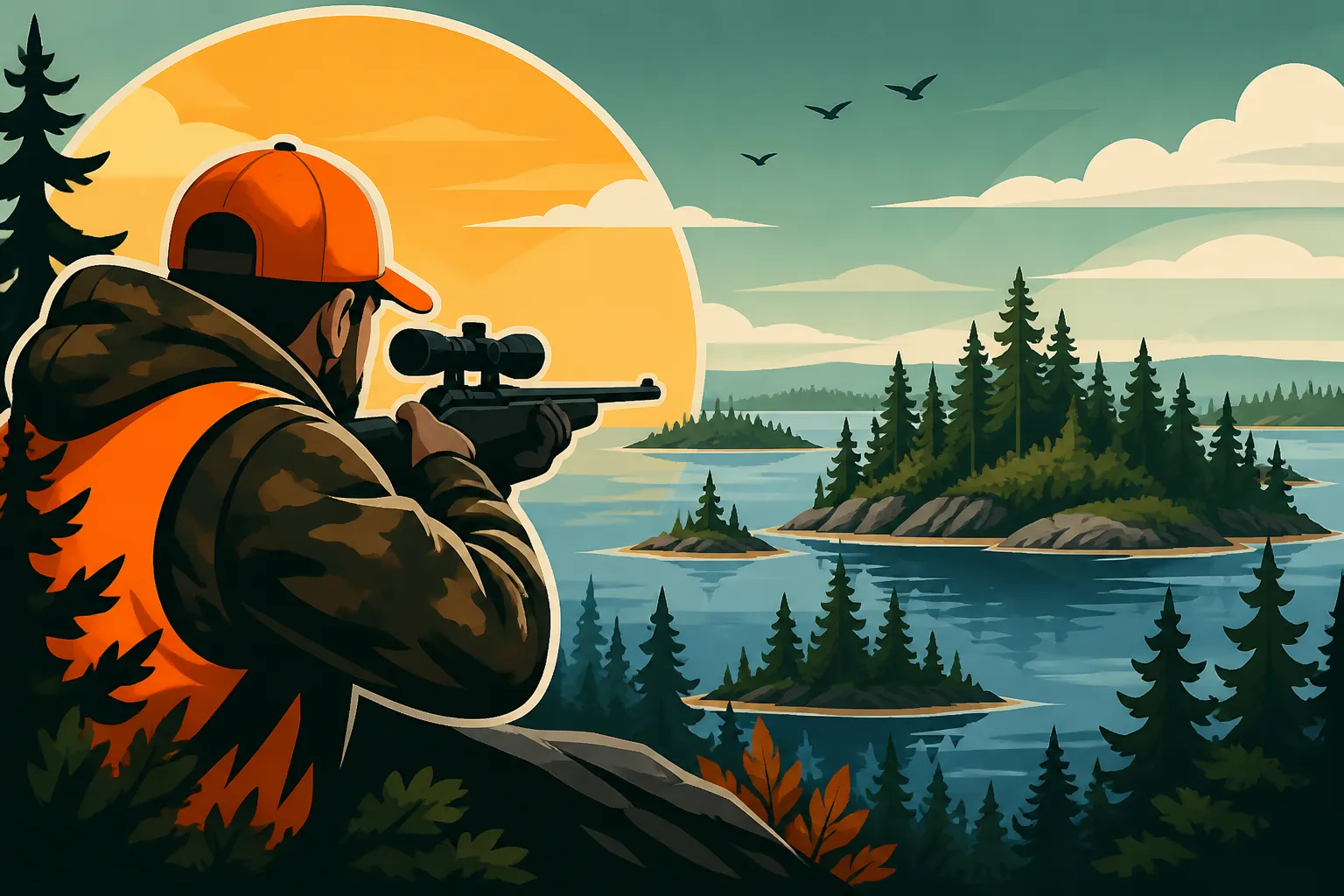
Imagine a sprawling mosaic of water and land – over 14,500 islands, to be exact, some tiny rocky outcrops, others vast enough to hold entire deer herds. This isn't flat, open country; it's classic Canadian Shield, meaning granite outcroppings, towering white pines, dense boreal forest, and a seemingly endless maze of interconnected waterways. Navigating this landscape is a challenge in itself, whether you're trying to find a remote deer island or track a bear along the mainland shore.
The sheer volume of water impacts everything. Game animals, especially whitetails, often use these islands and peninsulas as natural sanctuaries from predators and other hunters. They adapt their travel routes to shorelines and natural crossings, offering unique ambush opportunities if you can decipher their patterns. Moose often frequent the marshy fringes of the lake and its many bays, while black bears roam widely, finding food sources both on the mainland and larger islands. Waterfowl, of course, thrive here, using the vast stretches of open water and protected bays for staging and feeding. The ruggedness means slower travel, tougher retrieves, and often, more remote, undisturbed hunting grounds. It's a land that forces you to think like the animals, moving through a world defined by granite, pine, and water.
Primary Game Species in the Area
The Lake of the Woods area boasts a diverse roster of game, making it an attractive destination for multi-species hunts.
- Whitetail Deer: This region is renowned for its healthy whitetail population, with bucks often growing substantial body mass due to the ample forage in accessible areas. Hunting here often involves island-hopping or targeting specific peninsulas where deer concentrate. The deep snows of winter can push deer to yard up in specific cedar swamps, but during the hunting seasons, they're spread across the myriad islands and mainland bush. You might encounter them browsing on forest edges, seeking shelter on the lee side of an island, or even swimming between smaller landmasses.
- Moose: While not as dense as some northern regions, moose are present, particularly in the larger mainland wilderness blocks and along the extensive shoreline marshes and wetlands. Hunters often target moose in cutovers or areas with new growth, which are more accessible by boat or ATV than further inland. The vastness provides ample habitat, but finding them requires patience and often, persistent calling, particularly during the rut. Calling a Bull Moose in the Rut is a strategy many seasoned hunters employ here.
- Black Bear: Ontario's black bear population thrives in the Lake of the Woods area. The mixture of dense forest, berry patches, and scattered agricultural interfaces (where they exist) provides ideal conditions. Both spring and fall bear hunts are popular, with many outfitters utilizing baiting programs to draw bears into accessible areas. Spot-and-stalk can also be effective, especially along shorelines in early spring when bears are searching for food. Baiting Black Bear in Ontario can be a productive method in this habitat.
- Waterfowl: Given the name, it's no surprise that Lake of the Woods is a waterfowl paradise. Ducks like mallards, divers (like bluebills and goldeneyes), and geese utilize the expansive waters, marshes, and surrounding agricultural fields. Early season hunts can be incredible in the shallower bays and wild rice beds. Later in the season, big water hunting for divers becomes a real draw, often requiring specialized boats and decoy spreads. Marsh Hunting Ducks on the Great Lakes and Diver Hunting Ontario's Big Water are tactics that shine in this area.
- Upland Birds: Ruffed grouse are abundant throughout the forested areas, especially along old logging roads, bush edges, and where poplar and birch stands provide food and cover. Sharp-tailed grouse can also be found in more open, transitional habitats. These birds offer fantastic opportunities for those willing to walk the bush or explore by boat to access less-pressured areas. Hunting Ruffed Grouse on an Ontario Bush Road is a classic approach that works well here.
The Influence of Waterways on Hunting Strategy
The water isn't just scenery; it's the dominant feature shaping your hunt. Firstly, it dictates access. Many prime hunting spots are only reachable by boat, meaning you need reliable watercraft, navigation skills, and a keen eye for changing weather. A calm morning can turn into a white-capping nightmare in a matter of hours, making a simple crossing dangerous. This means your boat becomes an extension of your hunting vehicle, needing to be as dependable as your truck in other areas.
Secondly, the water acts as a natural funnel and barrier. Deer, for example, will use islands as safe havens. They might swim across narrow channels to escape pressure or access new food sources. Understanding these aquatic travel corridors is key. Imagine setting up on a point overlooking a narrow stretch of water between two larger islands, knowing that deer will likely use it. Moose, too, will wade through marshy shorelines and even swim across large bays, leaving tell-tale tracks in the soft mud. The water also concentrates waterfowl, giving you opportunities to set up blinds on points or islands to intercept birds as they move between feeding and resting areas. This is a truly amphibious hunt, requiring a blend of land and water mastery.
Planning Your Hunt in the Lake of the Woods Area
Planning a hunt in the Lake of the Woods is a bigger undertaking than a typical roadside hunt. You're entering a vast, wild system where preparation is not just important, it's absolutely critical for success and safety.
Navigating Access and Regulations
The Lake of the Woods region is largely Crown Land, offering extensive public hunting opportunities. However, navigating this patchwork of land and water can be daunting. You'll need reliable maps that clearly show Crown Land boundaries, private property, and Wildlife Management Unit (WMU) lines. Digital mapping tools like onX Hunt are incredibly valuable here, allowing you to layer satellite imagery with land ownership, WMU boundaries, and even topo maps. Reading Ontario Crown Land Layers on onX is a fantastic way to utilize modern technology to pinpoint exact locations and plan your movements. GoHunt also offers robust mapping solutions that can prove invaluable for pre-scouting and in-field navigation. These tools are far more than just "nice to have" – they are essential for staying legal and knowing where you are in this complex environment.
The Lake of the Woods falls within several WMUs, each with specific season dates and tag allocations for various species. It's crucial to consult the Ontario Hunting Regulations Summary for the specific WMUs you plan to hunt to understand open seasons, bag limits, and any special restrictions. Non-residents planning a trip here will also need to be aware of additional requirements, including an Outdoors Card, hunting licences, and potentially a non-resident Crown Land camping permit if they plan to stay on public land. It's worth reviewing Rules for Non-Residents Hunting Ontario well in advance. Remember, this is a border region, so being extra diligent about regulations is always a good idea.
Essential Gear for Lake of the Woods Hunting
Your gear list for a Lake of the Woods hunt will look a little different than for a typical bush hunt.
- Reliable Boat: This is non-negotiable. A sturdy aluminum boat (16-20 ft) with a reliable outboard motor, a kicker motor, and enough fuel capacity is essential. Factor in spare parts, tools, and a reliable anchor.
- Navigation Equipment: GPS is paramount. Don't rely solely on your phone; bring a dedicated handheld GPS unit with up-to-date mapping. A satellite messenger or phone is also highly recommended for emergency communication, as cell service is spotty at best. A good old-fashioned compass and paper map are also smart backups.
- Personal Safety Gear: PFDs (personal flotation devices) for everyone on board, a marine safety kit, flares, whistle, and a waterproof bag for essential items. The water can be unforgiving.
- Appropriate Clothing: Expect variable weather. Layers are key. Waterproof and windproof outer shells are a must, along with warm base layers, sturdy waterproof boots, and good quality rain gear. Even in early fall, northern Ontario can deliver unexpected cold snaps and wet weather.
- Camping Gear (if applicable): If you're planning a remote, multi-day hunt, a robust tent, sleeping bags rated for cold temperatures, a reliable stove, and ample food and water are necessary. Canoe-In Hunting on Ontario Crown Land can give you an idea of the type of gear required for self-sufficient bush trips.
- Meat Care: With potentially long boat rides back to camp or the launch, proper meat care is vital, especially in the early seasons. Bring game bags, rope for hanging, and consider a large cooler with ice. Meat Care in Ontario's Warm Early Seasons offers great advice that's particularly relevant here.
Scouting and Preparation
Scouting Lake of the Woods presents unique challenges. Driving bush roads is often not an option for much of the target hunting area. Instead, your scouting will involve a combination of:
- Satellite Imagery: Before you even leave home, spend hours poring over satellite maps (from onX Hunt, GoHunt, or other providers). Look for islands with good cover, pinch points between landmasses, natural crossings, old clearcuts, beaver activity, and potential bedding or feeding areas. Identify potential boat launches and safe harbour areas. Scouting With Satellite Imagery in Ontario is an invaluable starting point.
- Boat-Based Reconnaissance: Once you're on the ground (or water!), use your boat to cruise shorelines and approach islands. Look for game trails coming down to the water, rub lines, scrapes, and tracks in soft ground. Identify access points for landing your boat on islands or mainland points. Pay attention to water depth and submerged hazards.
- Understanding Game Movement: Lake of the Woods deer, moose, and bears often utilize the shoreline as highways. They'll move along the edge of the water, and often swim across channels. Understanding these aquatic travel patterns is key. For waterfowl, scout potential feeding areas like wild rice beds or agricultural fields bordering the lake, and observe flight paths.
- Talk to Locals: Local anglers, trappers, and residents can offer invaluable insights into game patterns, accessible areas, and recent sightings. They know the nuances of the local weather and water conditions.
Hunting Strategies for Specific Game
Hunting the Lake of the Woods demands adaptable strategies that combine traditional bushcraft with marine expertise. It's truly a blend of land and water hunting.
Whitetail Deer in the Island Maze
Hunting whitetails in the Lake of the Woods is an adventure unto itself. The islands act as natural sanctuaries and funnel points. Bucks might choose a large island with good cover and food, making it their home range.
- Island Hopping: Consider targeting specific islands or a cluster of islands. Use your boat to approach quietly, then still-hunt or set up stands on points or saddles where deer are likely to travel. Look for fresh sign: rubs, scrapes, and tracks, especially along the shorelines where deer feed on aquatic vegetation or access dry ground. A productive strategy might involve dropping off a hunter on one end of an island and having them still-hunt towards a waiting boat or another hunter. Hunting an Island on a Northern Lake delves into this approach in detail.
- Rut Activity: During the whitetail rut, bucks will be moving significantly, sometimes even swimming between islands to find does. Focus on traditional rut sign, but also consider areas where does might congregate on larger islands or accessible mainland peninsulas. Grunt calls and rattling can be effective, especially if you can get into a secluded bay where the sound travels well.
- Retrieval Challenges: Be prepared for retrieving deer over water. This often means having a plan to load a deer into your boat, which can be a monumental task with a large buck. Consider bringing a tarp or sled, and know your physical limits. A long rope is always a good idea.
Moose and Bear in the Boreal Bush
Moose and bear hunts in this region often mean getting into more remote sections of the mainland or larger, less-pressured islands.
- Moose: Calling moose during the rut can be highly effective, especially in burn areas or logging cutovers with new growth, which are often accessible by boat or ATV from the lake. Look for areas with dense willow and alder, their preferred browse. Focus on tracking sign along muddy shorelines and in wet, low-lying areas. Hunting as a party with a Hunting a Group Moose Tag Together can increase your chances of covering more ground and executing drives if permissible in your WMU.
- Bear: Both spring and fall bear hunting are popular. For fall, many hunters rely on baiting. Setting up a bait site on a mainland peninsula or accessible island, well away from human traffic, can be highly effective. Setting a Bear Bait Site in Ontario requires commitment and consistent checking. For spring, bears are often moving along shorelines, especially south-facing slopes, seeking early greens and carrion after denning. Spot-and-stalk from a boat or quietly still-hunting these areas can yield results. Always remember Ontario's rules regarding not shooting sows with cubs.
Waterfowl and Upland Birds
The Lake of the Woods is a dream for bird hunters, offering diverse opportunities.
- Waterfowl: For ducks, look for sheltered bays with wild rice or other aquatic vegetation. Setting up decoys in these areas, or jump-shooting beaver ponds and smaller inlets, can be incredibly productive. For geese, scout stubble fields (corn, wheat) on surrounding farmlands, if accessible, and obtain permission from landowners. Laying out a spread of goose decoys in a cut field and calling can bring in flocks. Remember, non-toxic shot is mandatory for all waterfowl hunting in Ontario.
- Upland Birds: Ruffed grouse and spruce grouse are found throughout the forested areas. Focus on old logging roads, ATV trails, and the edges where different types of forest meet. Walk quietly, listening for flushes. If you have a flushing dog, this can be an incredibly rewarding way to hunt. Accessing these areas often means mooring your boat and walking into the bush, or using an ATV on designated trails if permitted.
Staying Safe and Responsible
The vastness and remoteness of the Lake of the Woods demand a heightened focus on safety and ethical hunting practices. This isn't a place where you can easily call for help if things go sideways.
Water Safety and Navigation
This cannot be stressed enough: the water is your highway, but it can also be your biggest hazard. Always check marine weather forecasts before heading out, and be prepared for sudden changes. Winds can whip up quickly, turning calm waters into dangerous whitecaps, especially on large, open stretches.
- Know Your Boat: Understand its limitations in terms of load capacity and sea worthiness. Ensure all safety equipment is on board and in good working order (PFDs for all, bailing device, sound-signaling device, navigation lights, first-aid kit, spare paddle).
- Navigation: While GPS is invaluable, having a paper map and compass as a backup is crucial. Channels can look identical, and islands can blend together, especially in poor light or fog. Plot your courses, mark waypoints, and pay attention to familiar landmarks.
- Respect the Water: Never overload your boat. Avoid alcohol. If the weather turns, find a safe harbour and wait it out. A lost day of hunting is far better than a lost life.
Backcountry Preparedness
Whether you're hunting from a remote cabin, an island camp, or just venturing a few hours from a launch, assume you are truly in the wilderness.
- Communication: A satellite messenger or satellite phone is essential for emergency contact. Cell service is unreliable, if not non-existent, in many areas.
- Survival Kit: Always carry a small survival kit including a knife, fire-starting materials, a signaling mirror, basic first aid, extra food and water, and a space blanket. Even on a "day hunt," you could get turned around or your boat could break down, stranding you overnight. What to Do If You Get Turned Around is a critical read for anyone venturing into remote Ontario.
- Share Your Plan: Always leave a detailed itinerary with someone responsible back home. Let them know where you're going, your expected return time, and who to call if you don't check in.
- First Aid: Beyond a basic kit, consider taking a wilderness first aid course. Knowing how to deal with injuries far from medical help is a life-saving skill.
Respecting the Environment and Other Users
The Lake of the Woods is a shared resource, enjoyed by hunters, anglers, cottagers, and other outdoor enthusiasts. Ethical conduct is paramount.
- Leave No Trace: Pack out everything you pack in. Leave your hunting areas cleaner than you found them. This includes gut piles – ensure they are well off trails and out of sight.
- Respect Private Property: Even in an area dominated by Crown Land, there are private islands and shoreline properties. Always know where you are on the map and respect "No Trespassing" signs. If you need to retrieve game from private land, seek permission first. Ontario Trespass Law for Hunters is important to understand.
- Shared Waters: Be courteous to other boaters, anglers, and cottagers. Keep noise to a minimum, especially near inhabited areas. Hunters are ambassadors for the sport, and our actions reflect on all of us.
- Report Violations: If you witness illegal hunting or suspicious activity, report it to the proper authorities. Protecting the resource benefits everyone.
Lake of the Woods Hunting Opportunities at a Glance
Here's a quick overview of what you might expect when targeting different species in the Lake of the Woods area:
| Game Species | Typical Habitat | Key Challenges | Prime Season Focus |
|---|---|---|---|
| Whitetail Deer | Islands, peninsulas, mainland bush edges | Access by boat, retrieving over water, vastness | Bow season, early gun season, rut |
| Moose | Marshy shorelines, cutovers, large mainland | Low density, remote access, calling | Late September/October rut |
| Black Bear | Dense boreal forest, berry patches, shorelines | Remote baiting access, judging bears, variable food sources | Spring (May-June), Fall (Aug-Oct) |
| Waterfowl | Bays, marshes, wild rice beds, adjacent fields | Weather, big water safety, decoy placement | Early Fall (ducks), Late Fall (geese/divers) |
| Ruffed Grouse | Old logging roads, bush edges, mixed forest | Finding good cover, walking access | Early Fall (flush), Late Fall (still-hunt) |
Hunting the Lake of the Woods is a truly immersive and rewarding experience. It's a place where the landscape itself becomes part of the hunt, challenging you to adapt and learn its rhythms. With careful planning, the right gear, and a respectful approach, you can unlock some of Ontario's most incredible hunting adventures.
Disclaimer
This article is for general informational purposes only and does not constitute professional advice. Laws, prices and regulations vary by location and change over time. Consult a qualified professional for guidance on your specific situation.