When Ontario’s First Modern Elk Hunt Ran
Ontario elk restoration history, including the reintroduction from Alberta and the timeline of the first modern hunting season.
Know what you’re after.
Big game, small game, upland birds, and waterfowl — identification, behavior, rut and migration timing, and how each species moves through the season.
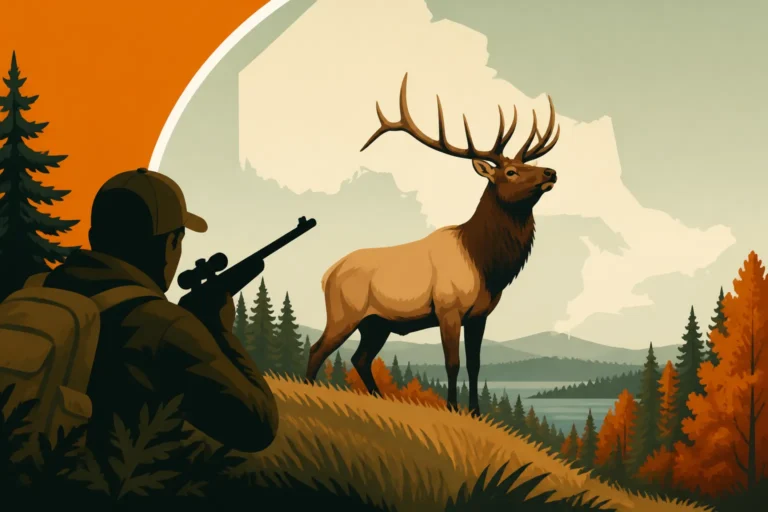
Ontario elk restoration history, including the reintroduction from Alberta and the timeline of the first modern hunting season.
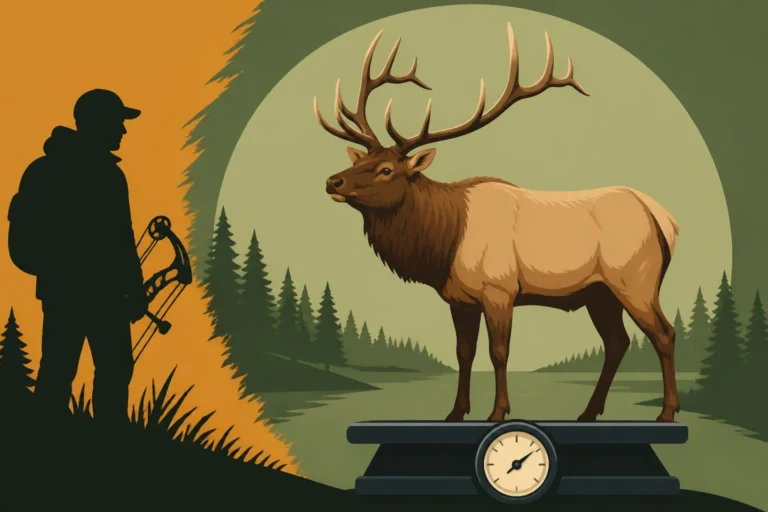
Ontario bull elk live weight ranges from 700 to 900 pounds, and dressed weight reaches up to 630 pounds for prime animals.
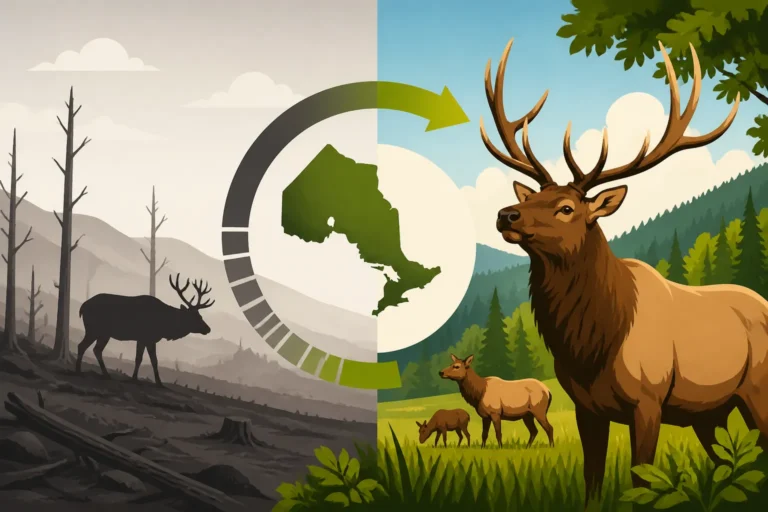
Ontario elk restoration details the decades of challenges, habitat loss, and early reintroduction failures that delayed the process.
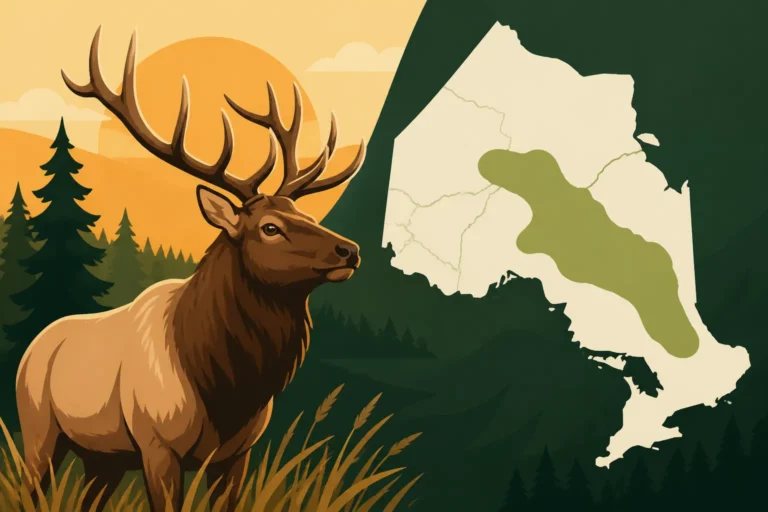
The Bancroft elk herd ranges across Hastings, Haliburton, and Renfrew counties, inhabiting rugged forests north and east of Bancroft.
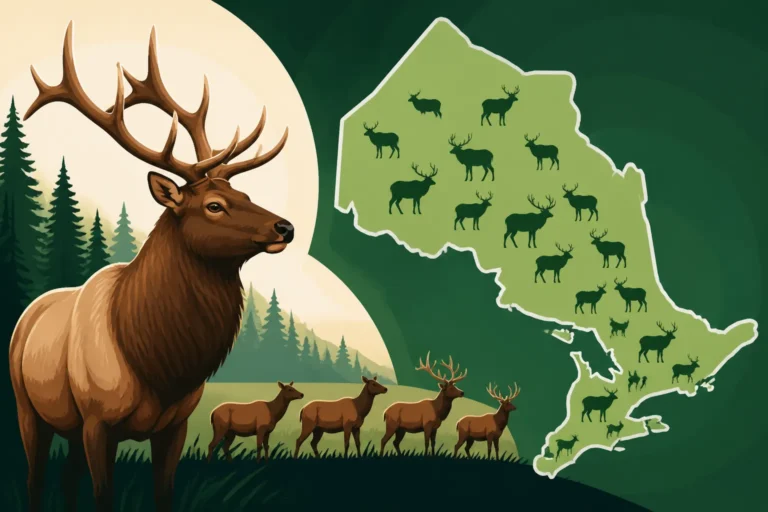
Ontario elk populations, restoration history, and current wildlife estimates based on recent aerial surveys and monitoring.
Ontario black bear hunting explains why provincial populations grow massive through abundant food supplies and undisturbed habitats.
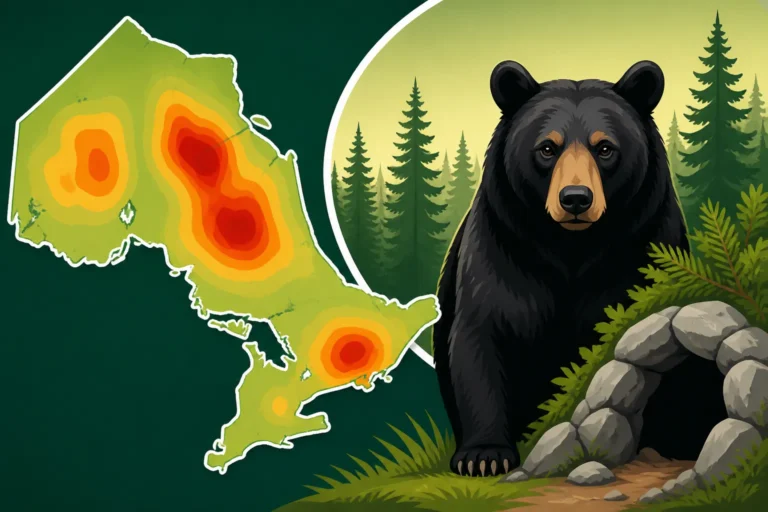
Ontario black bear densities and prime forest habitats around Thunder Bay and Kenora help hunters plan a successful trip.
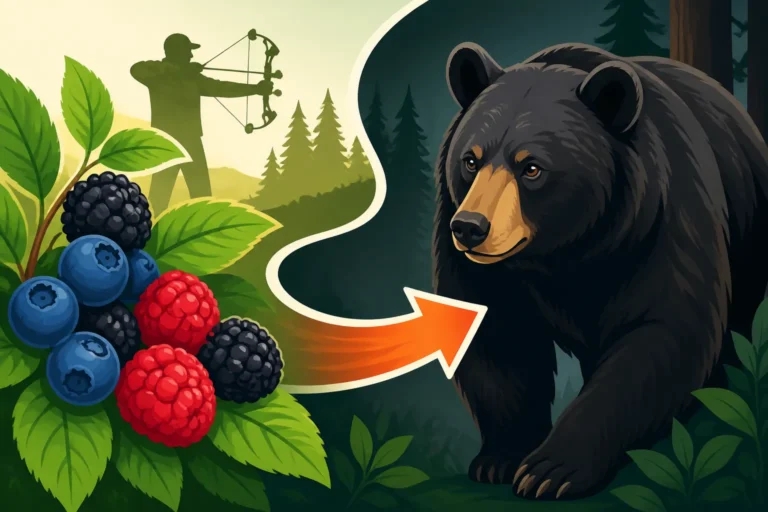
Ripening Ontario berry crops drive black bear movements and alter seasonal hunting strategies as animals gorge on summer fruits.
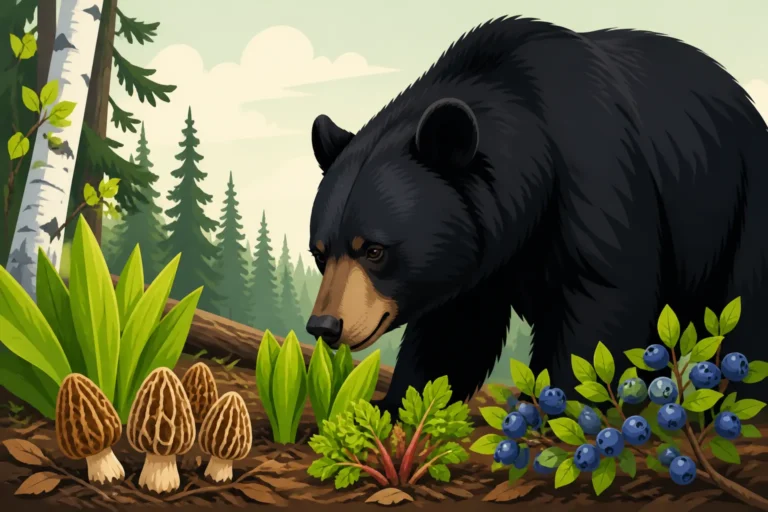
Ontario black bears leaving hibernation eat winter-killed deer and moose carcasses, cattail shoots, grasses, and early green plants.
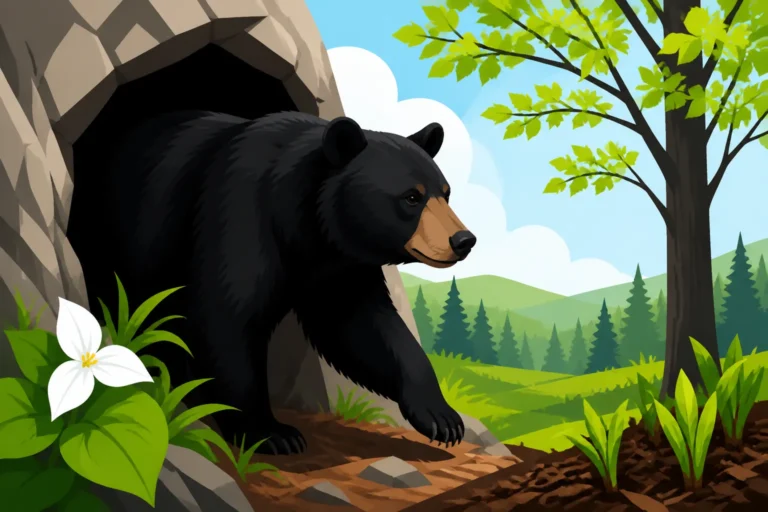
Ontario black bears leave winter dens between late March and May, driven by daylight, warming temperatures, and biology.