Whether Ontario Has Mule Deer
Ontario wildlife populations do not include mule deer, leaving white-tailed deer as the sole resident species found across the province.
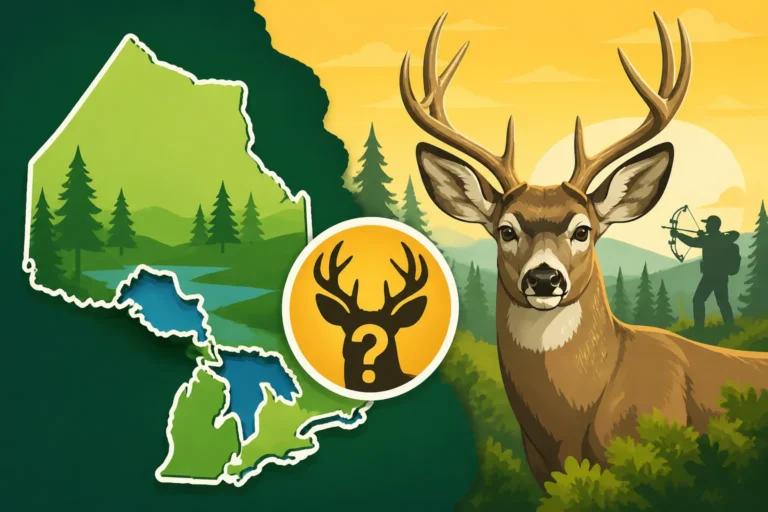
Ontario wildlife populations do not include mule deer, leaving white-tailed deer as the sole resident species found across the province.
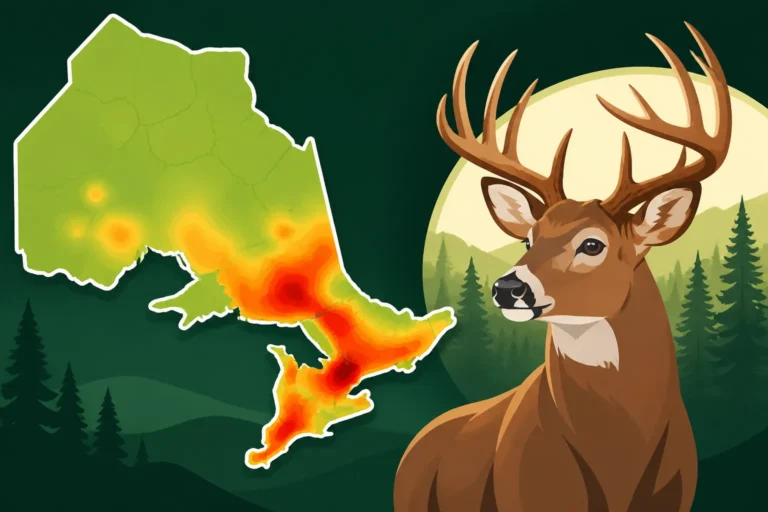
Southern Ontario features the highest deer densities due to mild winters, diverse habitats, and abundant agricultural food sources.
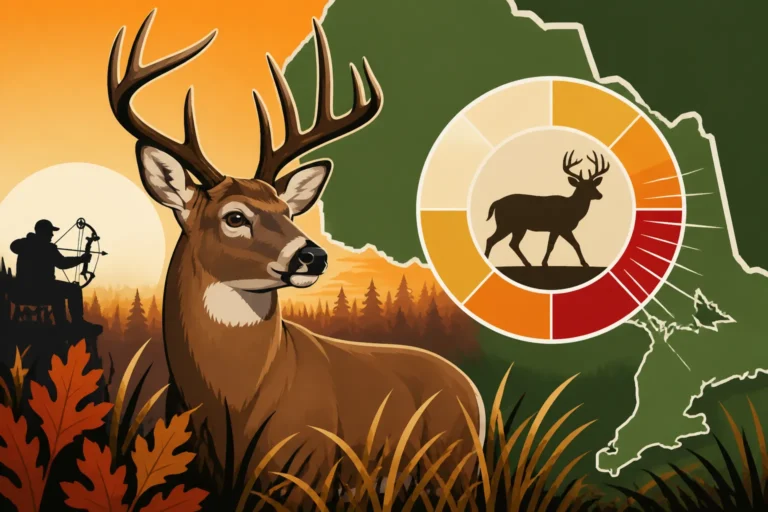
Ontario whitetail deer breeding activity peaks between the first and third weeks of November due to photoperiod changes.
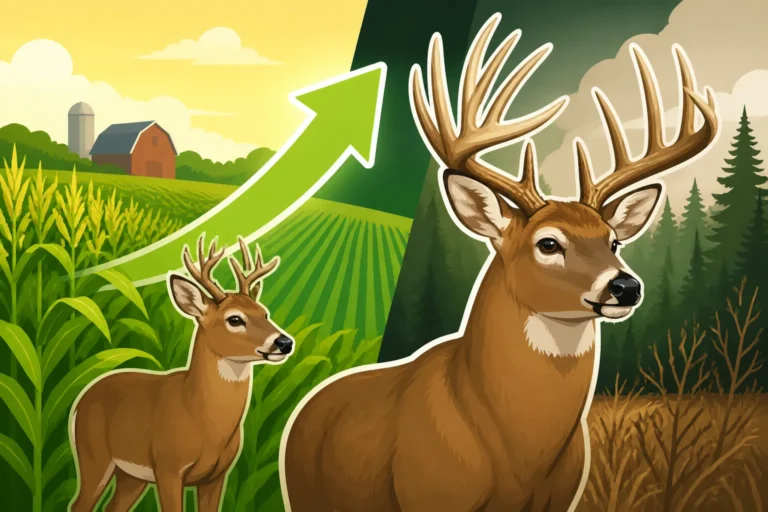
Ontario farm country bucks grow faster than forest deer due to nutrient-dense corn and soybeans, plus year-round forage availability.
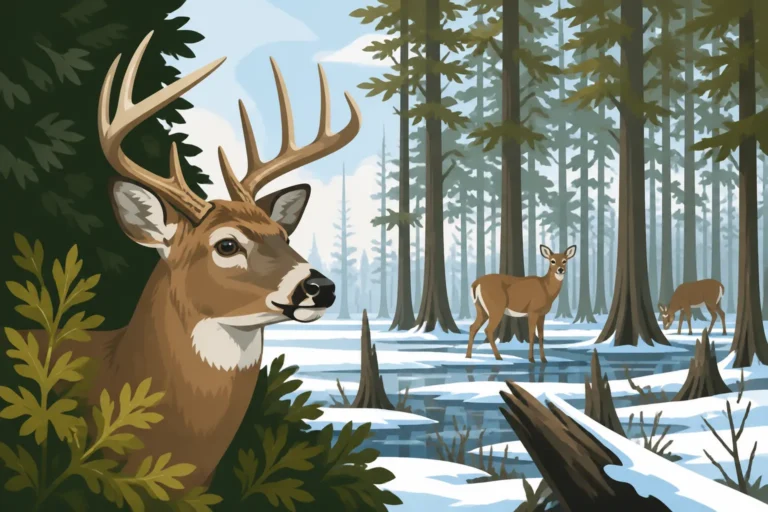
Whitetails shift to evergreen thickets once snow piles up and temperatures drop, using them as a lifeline; what hunters can apply to late-season outings.
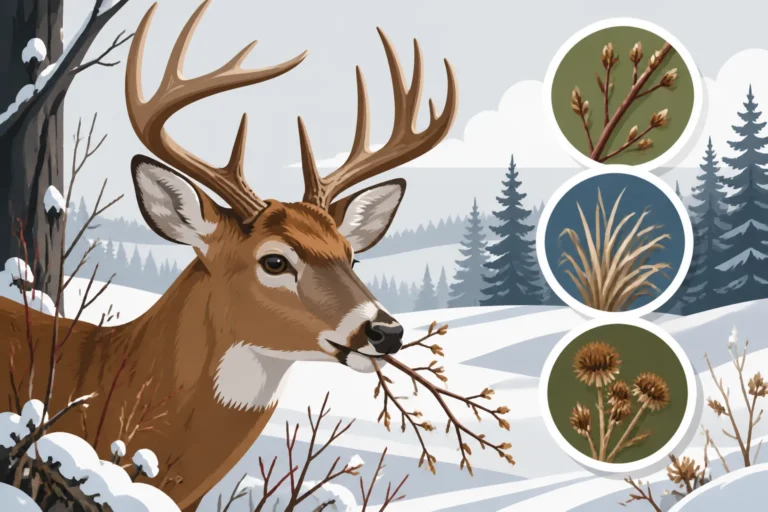
Ontario whitetail deer winter survival relies on stored fat reserves, woody browse, and dense conifer stands for thermal cover.
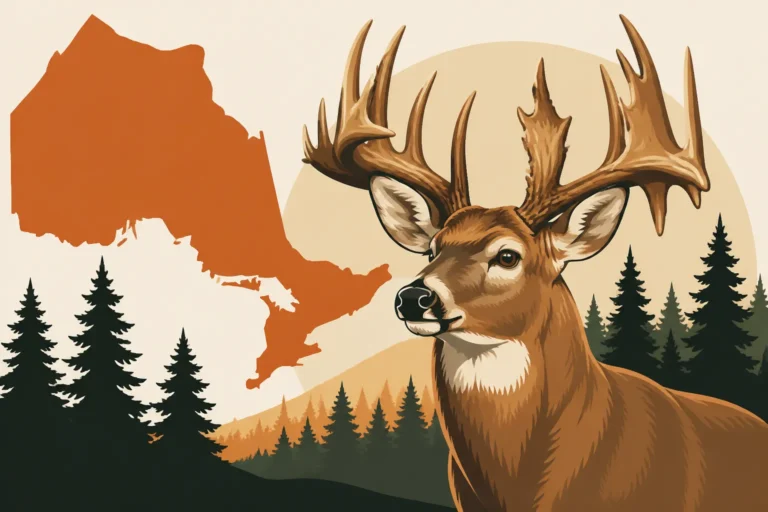
Ontario nontypical whitetails feature asymmetrical antlers defined by abnormal points, genetics, age, and scoring systems.
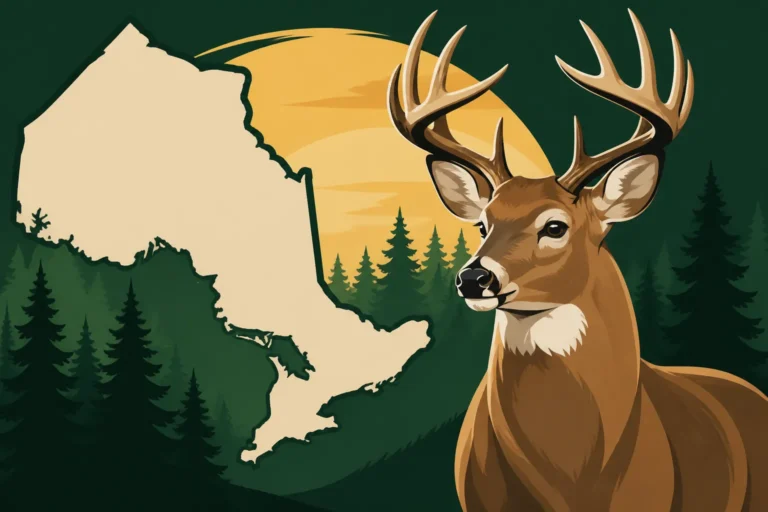
Ontario typical whitetail deer scoring rules, antler symmetry measurements, and Boone and Crockett record book requirements explained.
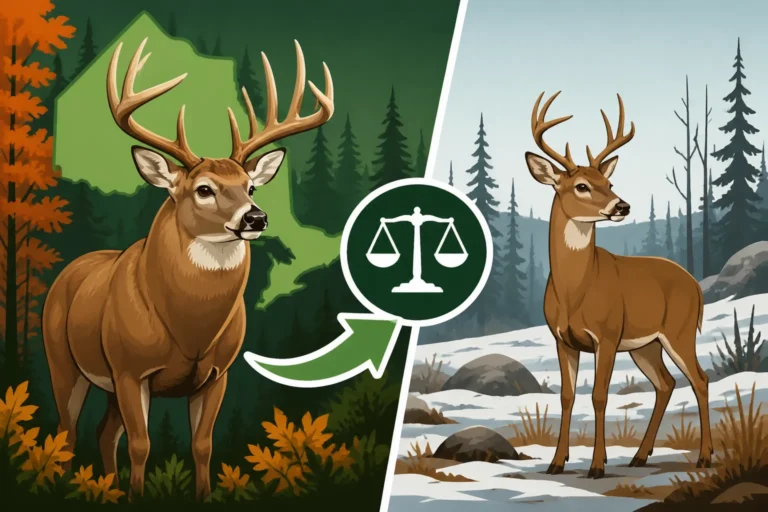
Northern Ontario whitetail bucks carry massive body mass to survive brutal winters, deep snow, and extreme sub-zero temperatures.
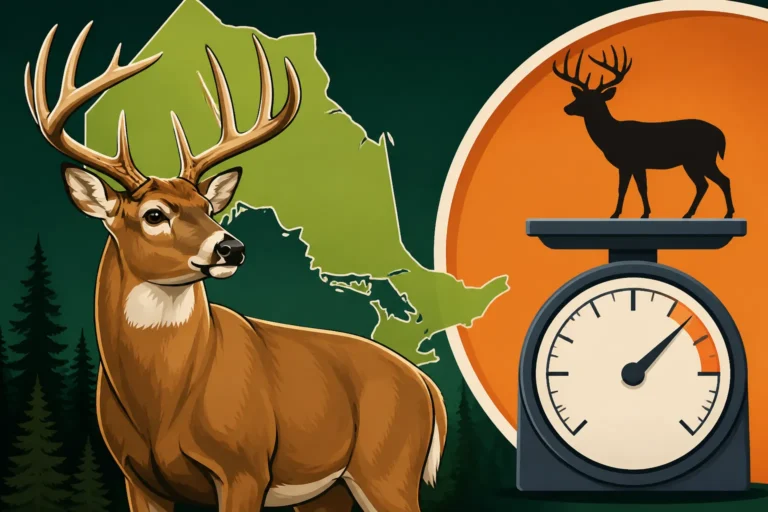
Mature Ontario whitetail buck live weights reach 200 to 300 pounds, with field dressed measurements reducing total mass by 20 to 30 percent.