Ontario’s Northern and Boreal Species
The sheer scale of Ontario's northern and boreal regions can be overwhelming for any hunter, leaving many wondering how to even begin to understand the diverse game animals that call this vast wilderness home. It’s a completely different world from the farm country to the south, with unique challenges and incredible rewards. This guide is designed to cut through that confusion, offering an in-depth look at the distinct species you'll encounter in Ontario's northern and boreal forests, their habits, and how you can approach hunting them effectively and responsibly.
Understanding Ontario's Boreal and Northern Ecosystems
Hunting in Northern Ontario is an experience unlike any other. It’s a vast, rugged landscape that truly tests your skills and endurance, but offers incredible solitude and some of the most sought-after big game animals on the continent. Before you even think about packing your gear, it's crucial to understand the very environment that shapes these creatures. The boreal forest isn't just a backdrop; it's a living, breathing system that dictates everything from diet to movement patterns for the species within it.
Defining the Boreal Forest and Its Unique Challenges
The boreal forest, often referred to as taiga, is a belt of coniferous trees that stretches across the northern parts of North America, Europe, and Asia. In Ontario, it's a massive expanse covering much of the central and northern parts of the province, characterized by dense stands of spruce, fir, pine, and larch, interspersed with aspen, birch, and poplars. This isn't your typical southern Ontario woodlot with easy access and clear sightlines. Think endless miles of thick timber, rocky Canadian Shield outcrops, countless lakes, rivers, and wetlands, and muskeg that can swallow a boot whole. It’s a truly wild place, and that wildness presents significant challenges for hunters, from navigation to game retrieval.
The terrain itself is a huge factor. You'll encounter everything from dense, almost impenetrable bush to open rock ridges, vast clear-cuts from logging, and wetlands that stretch for miles. The sheer lack of road access in many areas means that much of the best hunting is truly remote, requiring float planes, boats, ATVs, or simply strong legs and a determined spirit. It's a land where a small compass error can quickly become a serious situation, and where you're often miles, or even days, from the nearest help. This isolation, while daunting, is precisely what makes hunting here so appealing to many – it’s a genuine wilderness experience.
Furthermore, the weather can be a formidable adversary. Northern Ontario is known for its dramatic temperature swings, from mild autumn days to sudden cold snaps that bring snow and ice. Early season hunts can be plagued by biting insects, while late season often means battling deep snow and freezing temperatures. Hunters need to be prepared for anything, carrying appropriate gear for all conditions, and understanding how these shifts impact animal behavior. This preparation is key to both safety and success in such an unforgiving environment.
Key Environmental Factors Affecting Game
The environmental factors in the boreal forest play a profound role in shaping the lives and populations of the game species that reside there. One of the most significant is the availability of food sources. Unlike the agricultural lands of Southern Ontario, where deer might browse on corn or soybeans, boreal animals rely on a more varied and often sparser diet of browse, forbs, fungi, and aquatic vegetation. Moose, for example, are heavily dependent on willow, aspen, and aquatic plants found in boggy areas and shallow lakes. The quantity and quality of these food sources can fluctuate annually based on weather, fire, and logging activity, directly influencing animal health and reproductive success.
Water availability is generally not an issue in the boreal, with its countless lakes, rivers, and wetlands. However, the presence of specific water bodies can dictate game movement. Beaver ponds, for instance, create ideal habitat for moose, providing both food and escape cover, and are often hotspots for hunters. For waterfowl, these same wetlands offer crucial nesting and staging grounds. Understanding these hydrological features is essential for scouting and planning your hunt. A good mapping tool like GoHunt, or a detailed paper map, can reveal these crucial water features that might otherwise be hidden in the dense canopy.
Perhaps one of the most dynamic factors is the impact of forest fires and logging. While devastating in the short term, both can create fantastic new habitat in the long term. A wildfire, for example, clears old growth and allows new, nutrient-rich vegetation to sprout, providing prime browse for moose and cover for other species. Similarly, logging operations, particularly clear-cuts, can initially displace animals but then create mosaic landscapes with varied ages of forest regeneration. These regenerating areas are often magnets for deer, moose, and grouse, offering food and thick cover. Savvy hunters often focus their efforts on these areas a few years after the initial disturbance, as they become incredibly productive for game.
Moose: The Crown Jewel of Northern Hunting
For many, the thought of hunting in Northern Ontario immediately conjures images of the majestic moose. These giants of the forest are truly the kings of the boreal, embodying the wild spirit of the north. Pursuing them is a physically demanding but incredibly rewarding experience, offering a deep immersion into Ontario's untouched wilderness. It’s a hunt that demands patience, persistence, and an understanding of the animal's habits in a vast and often unforgiving landscape.
Moose Biology and Habitat in the North
Ontario’s moose (Alces alces) are the largest members of the deer family, characterized by their immense size, dark brown coats, and the impressive palmate antlers of the bulls. An adult bull can stand over six feet at the shoulder and weigh upwards of 1,200 pounds. Their sheer size and strength allow them to navigate deep snow, dense brush, and boggy terrain with surprising ease. They are primarily browsers, relying heavily on deciduous saplings like willow, aspen, and birch, as well as various aquatic plants found in lakes and bogs. These aquatic plants are particularly important in the summer months, providing essential minerals and relief from biting insects.
Their preferred habitat is a mosaic of young forests, wetlands, and mature timber. They thrive in areas with recent logging activity or natural disturbances like fires, which create an abundance of young, nutritious browse. Cedar swamps and thick conifer stands also serve as crucial winter cover, protecting them from deep snow and harsh winds. In the spring and summer, you’ll often find them near water, feeding on lily pads and other vegetation. During the rut, typically in late September and early October, bulls become more active, moving through a wider range to find cows, often frequenting areas with fresh moose sign like rubs and scrapes.
Understanding these habitat preferences is paramount for a successful hunt. Rather than just wandering aimlessly, seasoned hunters will focus their scouting efforts on areas where these ecological conditions converge. This might mean studying maps to locate beaver ponds and recent clear-cuts, or physically scouting shoreline edges and forest regeneration. Being able to read the land for these indicators is a critical skill, and platforms like GoHunt can provide satellite imagery that helps identify promising areas before you even set foot in the bush. This kind of pre-hunt intelligence is invaluable when you're covering such immense tracts of land.
Strategies for Hunting Moose in Boreal Terrain
Hunting moose in Ontario's boreal terrain is a truly immersive experience that often combines different strategies depending on the season, weather, and specific location. One of the most classic and effective methods, especially during the rut, is calling. Bull moose are notoriously vocal during this period, responding to cow calls and bull grunts. Hunters often set up in areas with good visibility and acoustics, using specialized calls to mimic a cow in heat or a challenging bull. The key is patience; a bull might take minutes or even hours to respond, often circling downwind to catch your scent before committing. Calling a Bull Moose in the Rut requires a nuanced understanding of their vocalizations and movement patterns.
Still-hunting or spot-and-stalk is another common approach, particularly in areas with varied terrain or recent cuts. This involves moving slowly and quietly through the forest, pausing frequently to scan for movement or listen for the subtle sounds of a feeding moose. In vast clear-cuts or along the edges of burns, glassing from a high point can reveal moose feeding in open areas, especially at dawn and dusk. This method requires excellent tracking skills and a keen eye for subtle signs like fresh tracks, droppings, and browse. The ability to cover ground silently and efficiently is paramount, as you might be trekking for miles.
For those venturing into truly remote areas, a canoe or boat can be an invaluable tool. Hunting Moose From a Boat or Canoe allows access to shoreline habitat, islands, and river systems that are otherwise inaccessible, providing a unique vantage point and a quiet means of travel. This is particularly effective in areas with numerous lakes and interconnected waterways, like much of Northwestern Ontario. Similarly, hunting along logging roads or old bush trails can provide easier access into vast wilderness areas. While not always as quiet, these corridors can act as travel routes for moose, and a patient hunter might intercept a moving animal or find fresh tracks to follow. When Hunting Moose on an Ontario Logging Road, always be mindful of other users and maintain a safe hunting distance from any vehicles.
Conservation and Management Efforts
Ontario’s moose populations are a vital part of the province’s natural heritage and a cornerstone of its northern hunting tradition. As such, significant efforts are in place to monitor and manage these populations to ensure their long-term health and sustainability. The Ministry of Natural Resources and Forestry (MNRF) employs various techniques, including aerial surveys, harvest data collection, and research studies, to assess population numbers, age structures, and health indicators. This data is critical for making informed decisions regarding tag allocations and season structures. Hunters play a crucial role in this process through mandatory harvest reporting, providing valuable information that contributes to these management efforts.
Despite these efforts, Ontario's Moose Population Decline has been a concern in some areas, attributed to a complex mix of factors. Habitat changes, often a result of aging forests and the natural progression of forest succession, can reduce the availability of preferred browse. Increased predation pressure from wolves and bears, and the impact of parasites like winter ticks and brainworm, also play a significant role. Climate change is another emerging threat, as warmer winters can increase tick survival and overall stress on moose. These challenges highlight the delicate balance of the boreal ecosystem and the ongoing need for adaptive management strategies.
In response to these challenges, Ontario has implemented various conservation measures. These can include adjustments to hunting seasons, changes in calf harvest regulations, and habitat enhancement projects. Additionally, public education campaigns aim to raise awareness about moose ecology and the factors affecting their populations. The goal is to balance hunting opportunities with the imperative to maintain healthy, resilient moose populations for future generations. For hunters, understanding these broader conservation efforts and adhering to regulations is not just a legal requirement, but a crucial part of responsible stewardship of this iconic northern species.
Black Bear: The Boreal Forest's Omnivore
The black bear is another quintessential species of the Ontario boreal forest. These intelligent and adaptable omnivores thrive in the dense cover and abundant food sources found across much of Northern Ontario. For many hunters, a black bear hunt offers an exciting and challenging experience, often steeped in the traditions of baiting or spot-and-stalk in expansive wilderness settings. Their keen senses and cautious nature make them formidable quarry, demanding respect and careful strategy from anyone pursuing them.
Bear Habits and Where to Find Them Up North
Ontario's black bears (Ursus americanus) are opportunistic omnivores, meaning their diet changes significantly with the seasons. In spring, after emerging from hibernation, they are often drawn to new green growth, tender shoots, and carrion. As summer progresses, they shift to berries, nuts, and insects, making them highly dependent on the annual cycles of fruit and mast crops. When berry crops are abundant, bears can be found gorging themselves in these rich patches; when they are scarce, bears may travel extensively to find alternative food sources, sometimes leading them closer to human settlements.
In the boreal forest, bears typically prefer dense cover – thick stands of spruce, cedar swamps, and areas with heavy undergrowth – which provide security and refuge. They are solitary animals for the most part, except for sows with cubs, and generally maintain large home ranges. You’ll often find them along river systems, around beaver ponds, or near recent clear-cuts where berry bushes are plentiful. Old logging roads and natural corridors also serve as travel routes, making these areas prime for scouting. Their keen sense of smell is legendary, allowing them to detect food sources from remarkable distances.
Successfully locating bears in the vastness of the north requires understanding these seasonal dietary shifts and habitat preferences. During the spring, focus on south-facing slopes where vegetation greens up earlier, or areas near water. In the fall, concentrating on oak ridges for acorns (if present in your WMU) or berry patches can be highly productive. Look for signs like scat, tracks, claw marks on trees, and overturned rocks or logs where they've been searching for insects. The sheer wildness of the northern bush means that bears have ample room to roam, so thorough scouting and adapting your strategy to local conditions are crucial.
Effective Hunting Methods for Northern Bears
Two primary methods dominate black bear hunting in Northern Ontario: baiting and spot-and-stalk. Baiting Black Bear in Ontario is a popular and highly effective strategy, particularly for non-resident hunters or those seeking a more consistent opportunity. This involves establishing bait sites with enticing food sources – typically sweet treats, pastries, dog food, or grease – well in advance of the hunt. Bears learn to associate these sites with easy meals and will visit regularly, allowing hunters to observe and pattern their movements. Setting up a treestand or ground blind downwind from the bait is essential, offering a safe and concealed position for a shot.
Spot-and-stalk hunting for bears is incredibly challenging and demands extensive knowledge of bear habits and the terrain. This method is often employed in areas where baiting isn't practical or allowed, or by hunters who prefer a more active pursuit. It involves patiently glassing large, open areas like clear-cuts, old burns, or natural clearings at dawn and dusk, hoping to catch a bear feeding. Once a bear is spotted, a careful and silent stalk is initiated, using topography and vegetation for cover. This method requires excellent physical conditioning, tracking skills, and the ability to make quick, ethical decisions in dynamic situations.
Regardless of the method, safety is paramount when hunting bears. Always be aware of your surroundings, especially if hunting alone. Carry bear spray as a backup, and always let someone know your hunting plan and expected return time. When hunting over bait, ensure the site is established in a way that allows for a safe shot and retrieval, and respect local regulations regarding proximity to roads or dwellings. For those new to bear hunting, especially in the remote northern regions, considering a guided hunt can provide invaluable expertise and increase your chances of a safe and successful experience.
Managing Bear Populations and Safety
Ontario's black bear populations are robust and generally healthy across the province, especially in the northern regions where habitat is plentiful and human development is sparse. The Ministry of Natural Resources and Forestry (MNRF) actively manages these populations through regulated hunting seasons, harvest limits, and monitoring programs. Hunting plays a key role in managing bear numbers, helping to maintain a healthy balance within the ecosystem and mitigate human-bear conflicts. The province offers both spring and fall bear hunting seasons, allowing hunters opportunities across different times of the year, each with its own unique challenges and rewards.
A critical aspect of bear management, and hunting, is ensuring the ethical and responsible harvest of animals. This includes understanding and adhering to regulations regarding sow and cub identification. Why You Cannot Shoot a Sow With Cubs is a fundamental rule in Ontario, designed to protect the reproductive future of the bear population. Hunters are strongly encouraged to accurately identify their target before taking a shot, and many outfitters emphasize this point with their clients. This commitment to ethical hunting ensures the continued health of the resource and upholds the positive image of hunters as conservationists.
Human-bear interactions are an inevitable part of living and hunting in bear country. While bears are generally shy and avoid humans, conflicts can arise, particularly when bears become habituated to human food sources. Hunters, campers, and rural residents all have a role to play in minimizing these conflicts by properly storing food, managing waste, and being "bear smart." This includes understanding bear behavior, being prepared for an encounter, and knowing how to react. Responsible hunting contributes to this larger effort by managing populations and reducing the likelihood of nuisance bears, ultimately fostering a healthier coexistence between humans and wildlife in the boreal forest.
Wolves and Coyotes: Apex Predators of the North
The boreal forest is a realm of apex predators, and among the most enigmatic and challenging to hunt are Ontario's wolves and coyotes. These intelligent canids play crucial roles in maintaining the health and balance of their ecosystems, and pursuing them offers a unique blend of tracking, calling, and strategic positioning that truly tests a hunter's skills. It’s a pursuit that often involves long hours, keen observation, and an understanding of pack dynamics.
Distinguishing Wolves and Coyotes in Ontario
In Ontario, particularly in the northern and central regions, distinguishing between a large coyote and a smaller wolf, or even an "Algonquin Wolf" (a distinct type of eastern wolf with some coyote and grey wolf genetics), can be challenging, even for experienced outdoorsmen. True grey wolves (Canis lupus) are generally much larger than coyotes (Canis latrans), with adult weights typically ranging from 60 to 120 pounds, though some can be larger. They have broad heads, rounded ears, and large paws, with a more robust, blocky build. Their fur colour varies widely from black to grey, brown, or white.
Coyotes, on the other hand, are smaller and more slender, usually weighing between 25 to 45 pounds. They have a narrower, pointed snout, larger ears relative to their head size, and a more graceful, almost dainty appearance. Their fur is typically greyish-brown, often with reddish highlights on the legs and ears. The Algonquin Wolf, found primarily in and around Algonquin Park, is intermediate in size and appearance, representing a hybrid lineage that is genetically distinct from both pure grey wolves and coyotes. Knowing what to look for is important, as hunting regulations can differ between species and locations.
Beyond physical appearance, their behaviour and social structures offer clues. Wolves typically live in packs, often with complex social hierarchies, and their howls are distinct – deeper, longer, and more resonant than the yipping, chattering calls of coyotes. Coyotes are more solitary or form smaller family groups. Understanding the ranges and protected status of The Algonquin Wolf and Its Protection is also crucial, as hunting rules can be specific to certain Wildlife Management Units (WMUs). Consulting the most current Ontario Hunting Regulations Summary is always the best practice before heading out.
Hunting Strategies for Northern Canids
Hunting wolves and coyotes in Northern Ontario demands a combination of patience, strategic calling, and an understanding of their keen senses. One of the most effective methods is calling, primarily using distress calls that mimic an injured rabbit or deer. Both species are highly opportunistic and will investigate sounds of easy prey. When Calling Coyotes at First Light or at dusk, finding a vantage point with good visibility and prevailing winds is critical. Hunters often set up with the wind in their face, allowing their scent to be carried away from the direction the predator is likely to approach.
Ambush hunting along known travel corridors or near fresh kills can also be productive. Wolves and coyotes often use logging roads, snowmobile trails, and natural funnels within the landscape. Setting up downwind and concealed, perhaps for several hours, can lead to an encounter. In winter, fresh snow provides excellent opportunities for tracking. Hunting Wolves in Ontario's North can involve covering vast distances on snowshoes or snowmobiles, following tracks until a suitable ambush point is found or the animals are jumped. This requires significant endurance and knowledge of the terrain.
Another technique, particularly effective for coyotes in more agricultural fringe areas but less common for wolves deep in the boreal, is night hunting. However, Night Hunting Rules for Ontario Predators must be thoroughly understood and strictly followed, as they are very specific and often involve restrictions on equipment and locations. Regardless of the method, remember that these animals possess incredible eyesight, hearing, and an exceptional sense of smell. Camouflage, scent control, and absolute stillness are paramount. Often, the first time you see a wolf or coyote, it has already seen or heard you, making the challenge even greater.
Their Role in the Boreal Ecosystem
Wolves and coyotes are integral components of the boreal ecosystem, acting as natural regulators of prey populations. As apex predators, they help maintain the health and vigor of herbivore herds, such as moose and deer, by selectively preying on the weak, old, or sick. This natural selection contributes to stronger, healthier prey populations overall, preventing overgrazing and the spread of disease. Their presence is a sign of a balanced and functioning wilderness, where the food web remains intact.
However, the dynamics between predators and prey are complex and can sometimes be a source of debate, especially concerning large game like moose. In some areas, increased wolf populations combined with other stressors on moose, such as habitat loss or winter ticks, can lead to declines in moose numbers. This creates ongoing challenges for wildlife managers, who must consider these intricate relationships when setting hunting regulations for both predators and prey. Understanding these ecosystem dynamics is crucial for both conservation and sustainable hunting.
For hunters, appreciating the ecological role of wolves and coyotes adds another layer of depth to the pursuit. Hunting these animals isn't just about the challenge; it's about participating in a larger ecological process. It’s an opportunity to connect with the raw, untamed essence of the boreal forest, to witness firsthand the intricate dance of predator and prey, and to contribute to the balanced management of Ontario’s wildlife resources. When done ethically and responsibly, predator hunting can be a valuable tool in wildlife management, helping to balance populations and ensure a healthy ecosystem for all species.
Small Game and Upland Birds of the Boreal
While moose and bear often steal the spotlight in Northern Ontario, the boreal forest also offers fantastic opportunities for small game and upland bird hunters. These pursuits provide a different kind of challenge and a chance to explore the vast northern landscapes without the intense physical demands or the lengthy preparation often associated with big game. Plus, they can make for some truly delicious camp meals!
Ruffed Grouse and Spruce Grouse: Forest Favorites
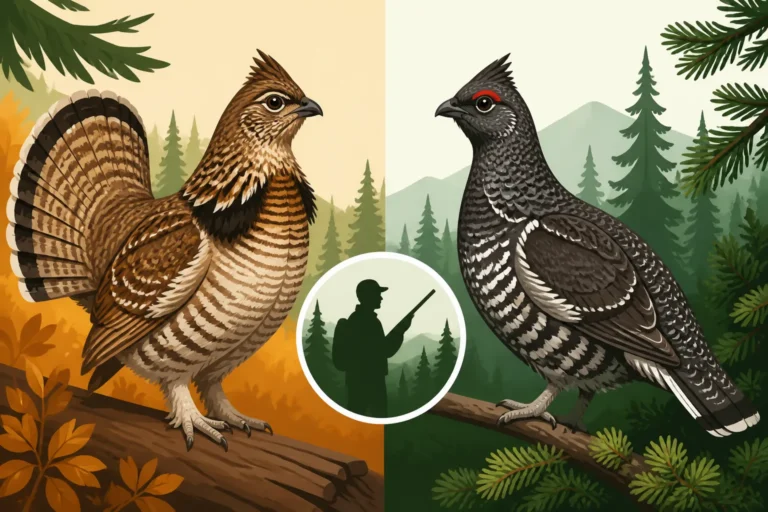
The ruffed grouse (Bonasa umbellus) and spruce grouse (Canachites canadensis) are the two primary upland bird species targeted by hunters in Ontario's boreal forest. The ruffed grouse, often simply called "partridge" by many, is a classic game bird known for its explosive flush and delectable meat. They thrive in mixed wood forests, particularly areas with aspen, birch, and poplars, often near old logging roads, clear-cuts, and the edges of thick cover. These birds feed on buds, berries, insects, and clover, often dusting themselves in sandy spots along trails. Hunting Ruffed Grouse on an Ontario Bush Road is a common and often productive strategy, allowing hunters to cover ground efficiently while listening and looking for birds.
Spruce grouse, on the other hand, are true denizens of the deep conifer forest. Their habitat is typically dense stands of spruce and fir, where they blend in perfectly with their surroundings. They are much less wary than ruffed grouse, sometimes earning them the nickname "fool hen" due to their tendency to hold tight, often allowing a close approach. Their diet consists almost exclusively of conifer needles, which gives their meat a slightly resinous flavor, distinguishing them from the milder ruffed grouse. Finding Spruce Grouse in Black Spruce typically requires deeper penetration into specific forest types.
Hunting both species often involves walking slowly through their preferred habitats, keeping an eye out for movement and listening for their distinctive flushes. A good bird dog can be an invaluable asset, flushing birds that would otherwise be missed or retrieving downed game in thick cover. For hunters without dogs, a patient approach, focusing on prime habitat, and being ready for a quick shot are key. These birds provide excellent opportunities for a quieter, more reflective hunt, allowing you to appreciate the subtle beauty of the boreal forest.
Snowshoe Hare: The Winter Survivor
The snowshoe hare (Lepus americanus) is another iconic small game species of the boreal forest, particularly in winter when their white coats provide excellent camouflage against the snow. These prolific creatures are known for their cyclic populations, often experiencing dramatic booms and busts roughly every ten years. When numbers are high, hunting can be incredibly productive and exciting. Snowshoe Hare and Its Ten Year Cycle is a fascinating natural phenomenon that greatly influences hunting success.
Snowshoe hares prefer dense coniferous forests, thickets of young spruce or balsam fir, and cedar swamps, which offer protection from predators and plenty of browse. In winter, they feed on twigs, bark, and buds of various shrubs and trees. Their large, fur-covered hind feet act like natural snowshoes, allowing them to move easily over deep snow, giving them a distinct advantage over predators. Look for their distinct track patterns in the snow – a triangle of three prints with the two large hind feet prints leading the way, and a smaller front foot print trailing.
Hunting snowshoe hares is a popular winter pastime, often involving tracking them in fresh snow or using beagles. Running Beagles on Ontario Snowshoe Hare is a traditional and highly effective method, as the dogs will flush the hares and chase them in circles, often back past the hunter. Without dogs, still-hunting through thick cover, slowly looking for their camouflaged forms, or setting up along known run-lines can be successful. It’s a great way to spend a winter day in the bush, enjoying the crisp air and the thrill of the chase, and fresh hare stew is a fantastic reward after a cold day.
Other Northern Small Game Opportunities
Beyond grouse and hares, the boreal forest offers a few other intriguing small game opportunities, though they might be less commonly pursued. Red squirrels are abundant throughout the conifer forests and can provide a fun, fast-paced hunt for those looking to hone their marksmanship with a rimfire rifle or small-bore shotgun. While small, they are feisty and can be challenging targets, often providing good practice for more serious hunting. Squirrel Hunting Ontario Hardwoods is a similar pursuit, though typically found further south.
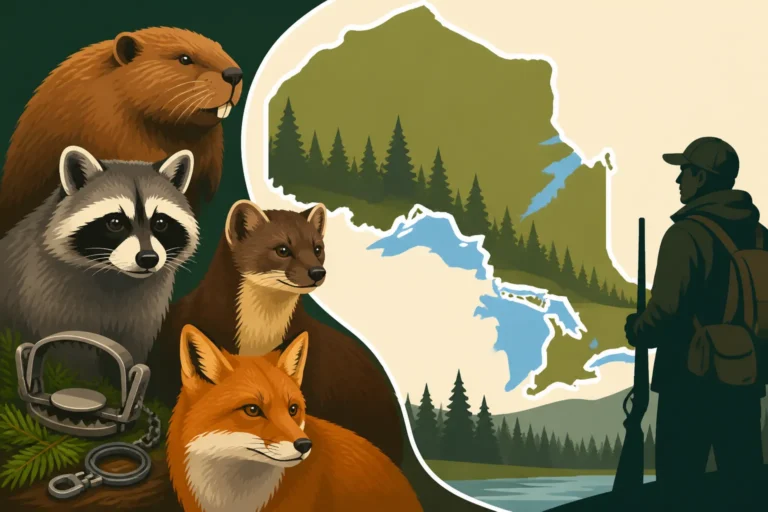
For the most dedicated and adventurous, hunting for specific furbearers under specific regulations might be an option, but this often requires a trapping license and specific training. Furbearers like lynx, marten, and fisher are elusive and typically pursued by experienced trappers. Always remember to consult the current Ontario Hunting Regulations Summary for specific seasons, limits, and legal methods for any small game or furbearer you intend to pursue, as these can vary significantly by species and WMU. The key to small game hunting in the north is enjoying the experience of being in the vast wilderness, refining your woodsman skills, and perhaps bringing home a tasty meal.
| Species | Primary Habitat | Typical Diet | Preferred Hunting Season | Common Hunting Method |
|---|---|---|---|---|
| Moose | Mixed forest, wetlands, recent clear-cuts | Willow, aspen, aquatic plants | Fall (Rut) | Calling, still-hunting, glassing |
| Black Bear | Dense forest, berry patches, swamps | Berries, nuts, insects, carrion | Spring & Fall | Baiting, spot-and-stalk |
| Grey Wolf | Deep boreal forest, wilderness areas | Moose, deer, beaver, small mammals | Fall & Winter | Calling, tracking, ambush |
| Coyote | Forest edges, clear-cuts, open areas | Small mammals, birds, carrion | Year-round | Calling, tracking, ambush |
| Ruffed Grouse | Mixed wood, young forest, bush roads | Buds, berries, insects | Fall | Walking, flushing (with dog) |
| Spruce Grouse | Dense conifer stands (spruce, fir) | Conifer needles, berries | Fall | Walking, flushing |
| Snowshoe Hare | Thick coniferous swamps, dense thickets | Twigs, bark, buds | Fall & Winter | Tracking, beagling, still-hunting |
| Red Squirrel | Conifer forests | Cones, nuts, fungi | Fall | Stalking, still-hunting |
Woodland Caribou: A Species of Special Concern
Among the most iconic, yet vulnerable, species of Ontario's northern wilderness is the woodland caribou. These magnificent animals, a subspecies of reindeer, are deeply ingrained in the natural and cultural fabric of the boreal forest. Their presence is an indicator of healthy, intact wilderness, and while they are present across vast stretches of the north, they are also a species facing significant conservation challenges.
Caribou Ecology and Habitat Needs
Woodland caribou (Rangifer tarcticus caribou) are uniquely adapted to the boreal forest, particularly the pristine, undisturbed old-growth conifer stands that provide both food and protection from predators. Unlike moose or deer, caribou primarily feed on lichens, especially arboreal (tree-dwelling) lichens that grow on older trees. This specialized diet means they require vast, continuous tracts of mature or old-growth forest, as these slow-growing lichens take many decades to develop into sufficient quantities to sustain herds. They are highly migratory within their ranges, moving between seasonal habitats to find food and avoid predators.
Their habitat needs dictate their distribution: caribou are typically found in the northernmost reaches of Ontario's boreal forest, extending into the Hudson Bay Lowlands. They tend to avoid areas with high predator densities (like wolves) and human disturbance, which is why they prefer large, undisturbed blocks of forest, often characterized by black spruce and jack pine. These areas allow them to spread out, making it harder for predators to find them, a strategy known as "spatial separation." They will also seek out islands or peninsulas on large lakes as calving grounds, offering further protection for vulnerable calves.
The reliance on old-growth forests makes them particularly sensitive to habitat fragmentation and degradation caused by logging, mining, and other industrial activities. Even small disturbances can disrupt their traditional migration routes, increase their exposure to predators by creating more 'edge' habitat, and reduce the availability of their critical food source. Understanding these specific habitat requirements is key to comprehending the challenges facing woodland caribou and the efforts required for their conservation.
Conservation Status and Hunting Restrictions
Woodland caribou in Ontario are classified as a "threatened" species under the provincial Endangered Species Act. This designation reflects significant population declines and range contraction observed over several decades. Their populations have been negatively impacted by habitat loss and fragmentation, increased predator access due to new roads and trails, and potentially climate change. These factors collectively disrupt their ability to find food, reproduce, and avoid predation, putting immense pressure on remaining herds.
Given their threatened status, there is currently no hunting season for woodland caribou in Ontario. The focus is entirely on conservation and recovery efforts. This means that while hunters might encounter caribou in the remote northern bush, they are legally prohibited from harvesting them. It is absolutely critical for any hunter venturing into caribou range to be able to identify these animals and understand that they are protected. Mistaking a caribou for a moose, particularly a cow moose or a small bull moose, could lead to serious legal consequences.
Conservation efforts are multifaceted, focusing primarily on habitat protection and restoration. This includes establishing protected areas, implementing sustainable forest management practices that prioritize caribou habitat, and exploring strategies to reduce human-caused disturbances. Research into caribou movement, population dynamics, and the impact of various stressors is ongoing, helping to inform these recovery strategies. While not a game animal, the caribou remains a symbol of Ontario's wild north, and its conservation is a shared responsibility, reflecting our commitment to preserving the province's unique biodiversity. You can learn more about Woodland Caribou and Their Status by visiting the MNRF website.
The Future of Caribou in Ontario
The future of woodland caribou in Ontario is a topic of ongoing concern and concerted conservation efforts. The challenges are significant, stemming from a combination of historical habitat loss, ongoing industrial development, and the accelerating impacts of climate change. As the climate shifts, the boreal forest itself is undergoing changes, which could further impact the delicate balance caribou rely upon for survival. What Climate Shift Means for Ontario Game is a complex issue, and caribou are often considered a bellwether species for the health of the broader northern ecosystem.
One of the most promising avenues for caribou recovery lies in landscape-scale planning that prioritizes connectivity and the protection of large, undisturbed tracts of old-growth forest. This often involves difficult decisions about balancing economic development with ecological preservation. Collaborative efforts between government, Indigenous communities, industry, and conservation groups are essential to develop and implement effective strategies. These strategies might include creating caribou conservation areas, adjusting logging practices to minimize fragmentation, and even considering predator management in specific, localized scenarios where caribou populations are critically imperiled.
For hunters and outdoor enthusiasts, recognizing the presence of caribou in the northern landscape is a privilege. While they cannot be hunted, their existence reminds us of the importance of wilderness and the interconnectedness of all species. Supporting conservation initiatives, advocating for responsible land use, and simply being aware of their vulnerable status are ways we can all contribute to ensuring that these magnificent animals continue to roam the vast boreal forests of Ontario for generations to come. Their future is intertwined with the future of the northern wilderness itself, a wilderness that provides so much to so many, including unparalleled hunting opportunities for other species.
Planning Your Northern Ontario Hunting Expedition
Embarking on a hunting trip to Northern Ontario is an adventure that requires careful planning, robust gear, and a deep respect for the sheer scale and wildness of the landscape. Unlike hunting in more settled areas, a trip to the boreal forest often means being self-reliant, prepared for anything, and comfortable with true solitude. The rewards, however, are immeasurable: unforgettable experiences, pristine wilderness, and the chance to connect with game in its natural, untamed environment.
Navigating Vast Crown Land and Remote Access
The majority of Northern Ontario consists of Crown Land, which is public land generally open to hunting. However, "open" doesn't necessarily mean "accessible." This vastness is both a blessing and a curse. While it offers seemingly endless opportunities, it also presents significant challenges for navigation and access. Many prime hunting areas are far from paved roads, requiring travel on rough logging roads, ATV trails, or even boat and canoe routes. For an in-depth understanding of your rights and responsibilities, explore Public Hunting Land in Ontario.
Understanding and utilizing maps is paramount. Paper maps, GPS devices, and satellite imagery apps are all invaluable tools. Before you leave home, spend considerable time with a detailed map (like those found on GoHunt or provided by the MNRF) to identify potential access points, terrain features, and likely game habitat. Reading an Ontario WMU Map Before You Go isn't just a suggestion; it's a necessity. Look for old cut lines, beaver ponds, ridgelines, and water bodies that could funnel game or provide travel corridors. Remember that cell service is often non-existent in much of the north, so don't rely solely on your phone for navigation or emergencies.
Accessing truly remote areas might involve a float plane or a long canoe trip. These "fly-in" or "boat-in" hunts offer the ultimate wilderness experience but require meticulous planning regarding logistics, gear weight, and emergency preparedness. Camping on Ontario Crown Land is permitted, but specific rules apply, especially regarding duration and impact. Always pack out everything you pack in, minimize your footprint, and leave no trace. This respect for the land is not just ethical; it's essential for maintaining the pristine nature of these hunting grounds for everyone.
Essential Gear and Safety Considerations
The unpredictable nature of Northern Ontario's weather and terrain demands a comprehensive gear list and a strong focus on safety. Beyond your primary hunting weapon and ammunition, durable, waterproof clothing and footwear are non-negotiable. Layers are key to adapting to fluctuating temperatures, from cool mornings to warmer afternoons, and sudden cold snaps. A high-quality backpack capable of carrying essential survival gear, food, water, and perhaps even game meat, is also critical.
Your survival kit should be robust: fire-starting materials (multiple options), a reliable knife, a first-aid kit, emergency shelter, ample food and water (or purification methods), a whistle, and a reliable compass. A satellite communication device, such as a SPOT or inReach, can be a literal lifesaver, allowing you to send emergency messages or communicate with loved ones outside of cell service range. Never underestimate the potential for things to go wrong in the remote bush. This is especially true when venturing off-trail or alone.
Physical conditioning is another often-overlooked safety factor. Hunting in the boreal forest can be extremely demanding, involving long hikes over uneven terrain, through dense brush, and potentially carrying heavy loads of game meat. Ensure you are physically prepared for the rigours of your chosen hunt. Always hunt with a partner if possible, and leave a detailed itinerary with someone reliable. The remoteness is part of the appeal, but it also means that help is often a long way off. Being self-sufficient and safety-conscious are the hallmarks of a responsible Northern Ontario hunter.
Working with Outfitters and Local Knowledge
For many, especially non-resident hunters or those new to the immense scale of Northern Ontario, working with a reputable outfitter can be the key to a successful and safe trip. Outfitters often have extensive knowledge of specific WMUs, established bait sites for bear, deep experience with moose calling, and the logistical capabilities (boats, planes, remote cabins) to access prime hunting areas that would be impossible for an individual to reach. What a Fly-In Camp Week Costs can vary, but the value of local expertise and logistical support is often worth the investment.
When choosing an outfitter, do your homework. Look for outfitters with a long-standing reputation, check references, and ask plenty of questions about what is included in their packages. A good outfitter will provide guidance on licenses, tags, travel, and what to expect in camp. They can also connect you with vital local knowledge, helping you understand the nuances of a specific area that only years of experience can provide. Booking an Ontario Moose Hunt or Black Bear Hunt through an outfitter can simplify complex logistics and greatly enhance your chances of success.
Even if you prefer to hunt independently, seeking out local knowledge can be invaluable. This might mean chatting with locals in small northern towns, visiting local sporting goods stores, or connecting with other hunters online. While specific hotspots might be guarded secrets, general information about local conditions, common game movements, or particularly difficult terrain can be freely shared and incredibly helpful. Respecting the local culture and the knowledge of those who live and hunt these lands year-round is a crucial part of becoming a successful and responsible Northern Ontario hunter.
Disclaimer
Please be aware that hunting regulations, seasons, and licensing requirements in Ontario are subject to change. This guide is intended for informational purposes only and should not be considered a substitute for consulting the official Ontario Hunting Regulations Summary published annually by the Ministry of Natural Resources and Forestry (MNRF). Always ensure you have the most current information and appropriate licenses before embarking on any hunting activity.