When a Crossbow Is Legal to Use
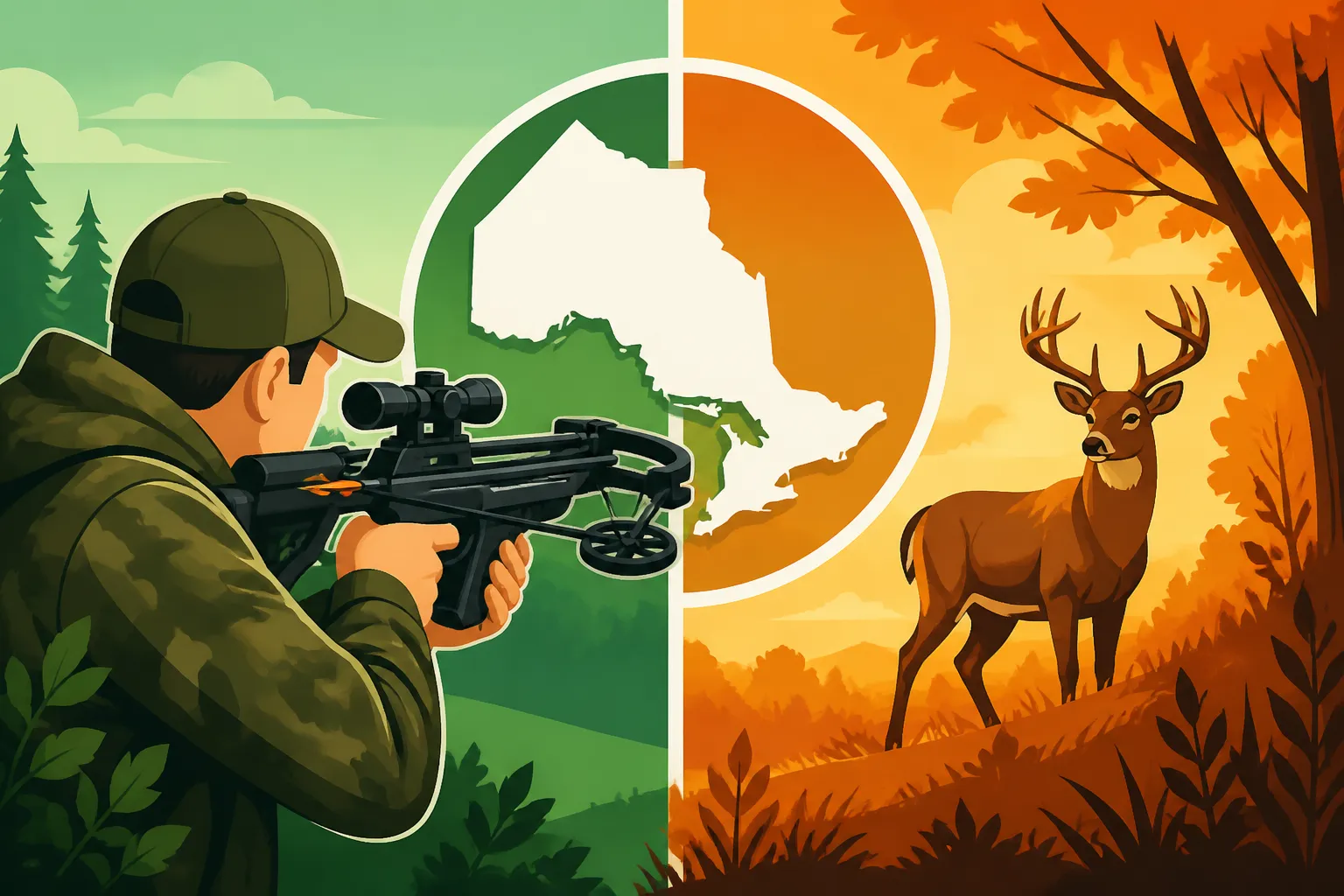
Trying to figure out when you can actually use a crossbow in Ontario can feel like navigating a maze, especially with all the different seasons, weapon restrictions, and the ever-evolving rules. It's a common frustration for both seasoned hunters and those new to the sport, as the regulations aren't always as straightforward as we'd like. This guide is here to untangle that confusion, breaking down exactly when a crossbow is a legal and viable option for your next hunt in Ontario.
Understanding Ontario's Archery Regulations and Crossbows
When you first dive into Ontario's hunting regulations, it's easy to assume "archery season" means any bow goes. But historically, and in many specific scenarios still, the rules differentiate quite a bit between traditional vertical bows (recurve and compound) and crossbows. It's not just semantics; it's about specific equipment regulations tied to certain hunting periods.
General Archery Seasons Versus Crossbow Specifics
For a long time, the early archery seasons for deer, moose, and bear in Ontario were strictly reserved for vertical bows. This was to provide a unique challenge and experience, separating it from the longer reach and mechanical advantage often associated with crossbows. Many hunters embraced this traditional approach, relishing the closer encounters and the skill required with a compound or recurve. However, the world of hunting equipment, and indeed hunter demographics, has evolved.
What you'll typically find now is that while there might still be an early archery-only period for vertical bows in some Wildlife Management Units (WMUs), crossbows are increasingly allowed in later archery segments, often overlapping with or running concurrently with the general gun seasons. This means you need to pay very close attention to the specific dates and WMU details in the annual hunting summary. It's not a blanket rule across the province, and what might be legal in one area for a certain species could be off-limits just a few WMUs over. It can definitely be a headache trying to keep track of it all, especially when planning your hunts well in advance. Remember, just because your buddy says his WMU allows it, doesn't mean yours does!
The Evolution of Crossbow Rules in Ontario
The shift in how crossbows are regulated in Ontario reflects a broader trend seen across North America. For years, there was debate within the hunting community about whether crossbows provided an "unfair" advantage or diluted the traditional spirit of archery hunting. Critics often pointed to their rifle-like mechanics and perceived ease of use compared to a compound or recurve. Proponents, however, highlighted the accessibility crossbows offered to new hunters, those with physical limitations, or older hunters who could no longer draw a traditional bow.
Over time, the province has gradually expanded the legality of crossbow use, acknowledging their role in hunter recruitment and retention. This evolution has made hunting more accessible, which is a win in many regards. It means that if you're someone who might have previously thought archery hunting was out of reach due to a shoulder injury, age, or simply finding it difficult to master a compound bow, the door is now open. The regulations haven't changed overnight, but they've certainly adapted. This gradual integration helps maintain hunting participation while also addressing some of the earlier concerns through specific season alignments and equipment standards. It's a pragmatic approach that benefits a wider range of hunters.
Specific Scenarios for Crossbow Use in Ontario
Understanding the general philosophy behind crossbow regulations is one thing, but knowing the exact "when and where" is crucial. Ontario's rules are quite specific, often varying by species, WMU, and the type of season you're participating in. It’s never a bad idea to double-check the official regulations yearly, because things do change.
Regular Archery Seasons and Permitted Use
Generally speaking, when we talk about a dedicated "archery season" in Ontario, especially for deer, there's often an initial period where only vertical bows (compound, recurve, longbow) are permitted. Think of this as the purist archery window. However, the good news for crossbow enthusiasts is that many WMUs now permit crossbows during subsequent portions of the archery season, frequently overlapping with or extending into the general gun season dates.
For instance, in many Southern Ontario WMUs, while the very first week or two might be vertical-bow-only, crossbows are then legal for the remainder of the archery deer season. This provides a fantastic opportunity for hunters who prefer a crossbow to get out during prime deer movement periods. For other species, like black bear, crossbows are typically permitted throughout the entire archery bear season, which can span from spring right through to fall in some areas. This flexibility allows hunters to choose their preferred weapon system without being entirely excluded from certain seasons. It’s always best to consult an up-to-date resource like the GoHunt app or website, as they often have WMU-specific details that make planning much easier than flipping through a paper manual. Keeping an eye on the dates and specific WMU rules is paramount to avoid any mix-ups in the field. This detailed approach ensures that whether you're planning for Hunting Ontario's November Gun Season or an earlier archery hunt, you're compliant.
General Gun Seasons and Controlled Hunts
One of the most straightforward scenarios for crossbow legality in Ontario is during the general gun seasons for big game. During these periods, which allow rifles, shotguns, and muzzleloaders, crossbows are also typically legal to use. This makes a crossbow a very versatile tool, as you can often use it in the same timeframe as your firearm-toting friends or family members. For many, this is a significant advantage, offering a quieter, less concussive hunting experience without having to navigate a separate, potentially shorter, archery-only season.
This broad allowance extends to most controlled deer hunts and special validation hunts as well. If you've been lucky enough to draw a tag for an Ontario Controlled Deer Hunt Validation or an antlerless tag, you can generally use your crossbow during the designated season for that tag, provided it falls within a period where crossbows are permitted for that species in that WMU. This flexibility means you don't necessarily need to own multiple types of hunting equipment to participate in various seasons or specialized hunts. It truly broadens the appeal and practicality of crossbow hunting across the province.
Youth, Apprentice, and Hunter with Disability Regulations
Ontario's hunting regulations also recognize the importance of accessibility and encouraging participation among diverse groups of hunters. For youth hunters participating in Ontario Apprentice and Youth Hunting programs, or individuals holding a special permit due to a physical disability, there may be specific provisions that allow for broader crossbow use.
For hunters with disabilities, a medical certificate confirming a physical incapacity to draw and shoot a conventional bow might allow them to use a crossbow even during periods typically reserved for vertical bows. This is a compassionate approach to ensure that physical limitations don't entirely exclude someone from participating in the sport they love. Similarly, youth hunters under supervision might have certain allowances that help them learn and engage with hunting using equipment that is more manageable for them. These provisions underscore the province's commitment to making hunting an inclusive activity, fostering new generations of conservationists and ensuring that experienced hunters can continue to enjoy the outdoors regardless of age or physical challenge. Always check the specific requirements for these permits and programs, as they involve documentation and adherence to particular guidelines.
Essential Equipment and Safety Considerations for Crossbow Hunters
Just because you can use a crossbow doesn't mean any crossbow will do, nor does it mean you can throw caution to the wind. Like any hunting equipment, there are specific legal requirements and paramount safety considerations that every crossbow hunter in Ontario must adhere to.
Legal Draw Weight and Equipment Requirements
Ontario has minimum standards for crossbows used for hunting big game to ensure ethical and humane kills. These aren't arbitrary rules; they're designed to ensure that hunters have sufficient power and proper projectiles for a quick, clean harvest. For big game, your crossbow generally needs a minimum draw weight of 150 lbs, though it's always wise to aim for more if possible for better kinetic energy. The bolt (arrow) you use must also meet specific criteria. It needs to be at least 16.5 inches long and fitted with broadheads that have at least two cutting edges, with a minimum cutting diameter of 7/8 of an inch. Mechanical broadheads are generally permitted, but check the regulations for any specific exclusions or requirements.
It’s crucial to understand these specifications inside and out before heading into the bush. Using equipment that doesn't meet the legal minimums isn't just unethical; it can lead to fines and loss of hunting privileges. Think of it as a responsibility: ensuring your equipment is up to snuff is part of being a responsible hunter. Also, make sure your crossbow is properly sighted in. A good scope, well-adjusted for various distances, is just as important as the broadhead itself. Practicing regularly at a range, perhaps even using a platform like GoHunt to find local shooting facilities, is key to being prepared when that big buck finally steps out. Remember, practice is the foundation of ethical hunting.
Safe Handling and Storage
Crossbows, while mechanically different from traditional bows, share many safety principles with firearms due to their trigger mechanism and stored energy. Treating your crossbow with the same respect and caution you would a rifle is absolutely essential. Always keep the safety on until you are ready to shoot, and never dry fire a crossbow without a bolt, as this can severely damage the limbs and void your warranty. When loading, always ensure the bolt is fully seated and the broadhead is clear of any obstruction.
Transporting your crossbow safely is another critical aspect. In Ontario, when in a vehicle, a crossbow must be unloaded and encased. "Unloaded" for a crossbow means there is no bolt in the firing position. "Encased" means it's in a case or container designed for carrying a crossbow. This rule applies even if you're just driving down a bush road. When storing your crossbow at home, treat it like a firearm: keep it securely stored, ideally in a locked cabinet or safe, to prevent unauthorized access. Familiarize yourself with how to safely decock your crossbow after a hunt or if you decide not to take a shot; many models have specific decocking mechanisms or bolts designed for this purpose. Always ensure your bolt is secure when walking through thick brush to prevent accidental discharge. These practices aren't just about following the law; they are about preventing accidents and ensuring everyone's safety, including your own.
Navigating Regulations and Resources
Ontario’s hunting regulations can be dense, and staying current is a continuous effort. It’s not enough to just read them once at the start of the season; conditions, dates, and even specific species rules can be updated. Knowing where to find the most accurate information and being aware of common pitfalls will save you a lot of grief.
Where to Find Up-to-Date Information
The absolute best resource for current, accurate information on when a crossbow is legal to use (or any other hunting regulation for that matter) is the official Ontario Hunting Regulations Summary, published annually by the Ministry of Natural Resources and Forestry (MNRF). You can find this document online on the provincial government's website or pick up a physical copy wherever hunting licences are sold. This is your primary source, and it's what conservation officers will refer to in the field. Don't rely solely on word-of-mouth or outdated information from forums.
Beyond the official summary, digital tools and apps have become invaluable for hunters. Platforms like GoHunt, for example, often integrate mapping features with regulatory overlays, allowing you to visualize WMU boundaries and their specific rules right on your phone. This can be incredibly helpful for understanding complex zones or checking if you're crossing into an area with different regulations. Many hunters find these apps invaluable for scouting and planning, as they can quickly confirm specific dates or restrictions for a particular WMU, such as when Ontario's Archery Season Opens or what the muzzleloader dates are. Always remember to cross-reference with the official summary for ultimate peace of mind, especially if an app's information seems contradictory or outdated.
Common Misconceptions and Pitfalls
One of the most frequent misconceptions among hunters is assuming that "archery season" automatically includes crossbows throughout its entire duration. As discussed, this is often not the case, with many WMUs having an initial vertical-bow-only period. Another pitfall is failing to check the regulations for each specific WMU you plan to hunt. Rules for deer, for example, can vary significantly from Hunting Deer in Southern Ontario Farmland to Hunting Deer in Ontario's Mixed Forest in the north. What's legal for a crossbow in WMU 69 might not be in WMU 70.
Another common mistake is neglecting to verify the specific equipment requirements, such as minimum draw weight or broadhead size, as outlined in the previous section. Thinking "my crossbow is powerful enough" without actually checking the specs against the regulations can lead to serious trouble. The consequences of non-compliance aren't just a slap on the wrist; they can range from significant fines to the loss of hunting privileges, and even the seizure of your equipment. It's simply not worth the risk. Be diligent, be informed, and always err on the side of caution. Treat the regulations as your hunting bible, and consult it frequently.
| Species | Archery-Only (Vertical Bow) Season | Archery (Crossbow Permitted) Season | General Gun Season (Crossbow Permitted) | Muzzleloader Season (Crossbow Permitted) |
|---|---|---|---|---|
| White-Tailed Deer | Often an early period (WMU dependent) | Later archery period (WMU dependent) | Yes | Yes (where applicable) |
| Black Bear | Not typically a separate phase | Yes, generally throughout | Yes | Yes (where applicable) |
| Moose | Yes, an early period (WMU dependent) | Later archery period (WMU dependent) | Yes | Yes (where applicable) |
| Elk | Yes, for specific draws | Yes, for specific draws | Yes, for specific draws | Yes (where applicable) |
| Wild Turkey | No specific separate phase | Yes, throughout spring and fall | Not applicable (shotgun/bow only) | Not applicable |
| Small Game | Not typically a separate phase | Yes, throughout | Yes | Yes |
Disclaimer
The information provided in this guide is for general informational purposes only and is not a substitute for the official Ontario Hunting Regulations Summary. Hunting regulations are subject to change, and it is the hunter's responsibility to review and comply with all current provincial and federal laws. Always consult the most recent official Ministry of Natural Resources and Forestry (MNRF) hunting regulations for the definitive rules and specific dates pertaining to your chosen WMU and species.