Squirrel Season Dates and Limits
It’s easy to get caught up in the pursuit of big game, isn't it? Many of us dream of chasing whitetails, moose, or bears, but often overlook the fantastic opportunities that small game, like squirrels, present. The truth is, pinpointing the exact squirrel season dates and limits in Ontario can sometimes feel like trying to find a needle in a haystack, especially with regional variations. This guide aims to demystify those regulations, offering a comprehensive look at what you need to know to enjoy some rewarding squirrel hunting here in Ontario.
Understanding Ontario's Small Game Seasons for Squirrels
Ontario offers a rich tapestry of hunting opportunities, and small game like squirrels are a perfect entry point for new hunters or a delightful change of pace for seasoned pros. But before you head out, understanding the nuances of the seasons, species, and where you can hunt is crucial.
Key Species and Their Habits
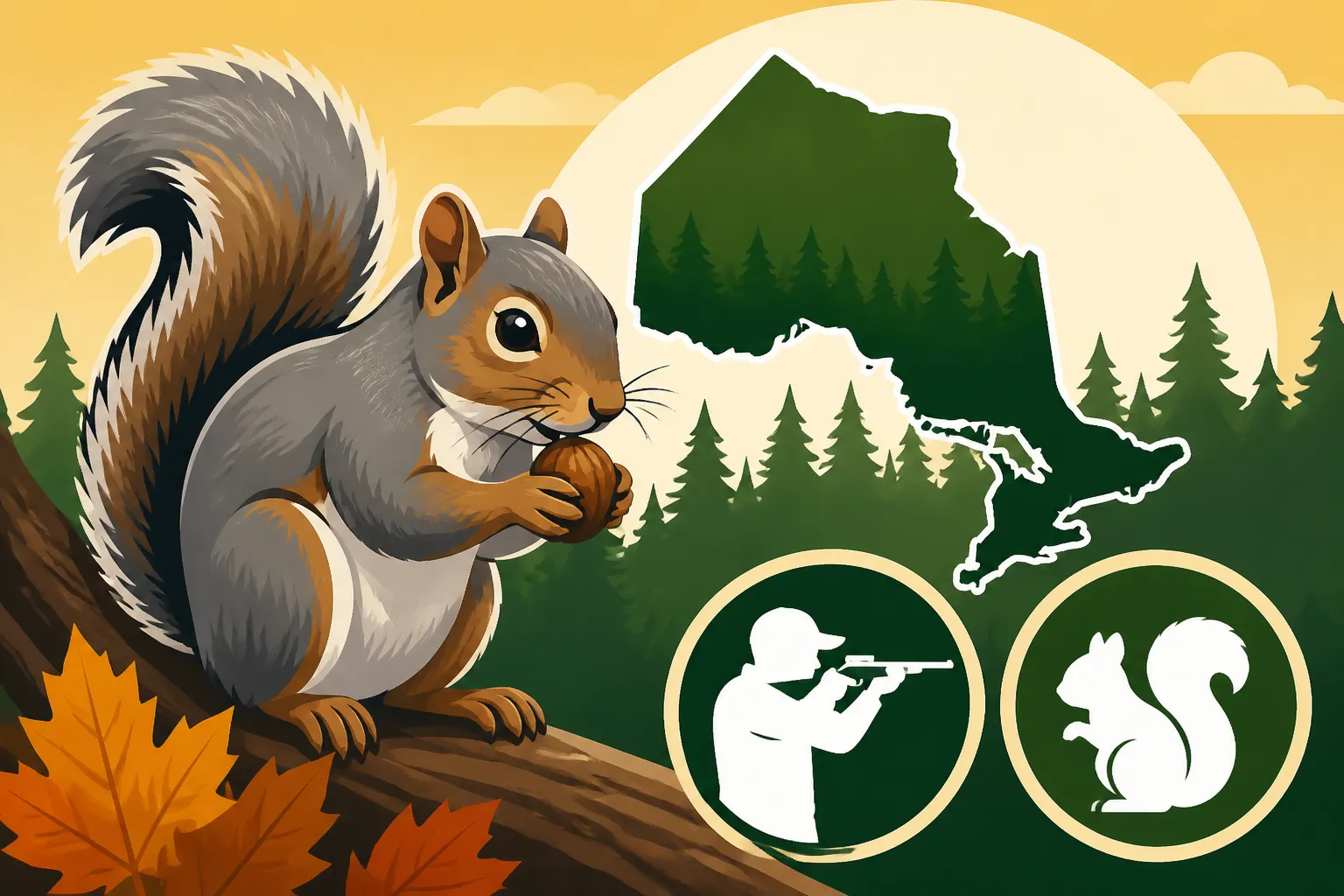
When we talk about hunting squirrels in Ontario, we're primarily looking at two main species: the grey squirrel and the red squirrel. While both are fair game, they have distinct characteristics and habitats that are good to know.
Grey squirrels are probably what most people picture when they think of a "bushy-tailed rodent." They can range in colour from the familiar grey to black, and often thrive in mature deciduous and mixed forests, especially those with plenty of oak, hickory, and beech trees. These hardwoods provide their favourite food sources: acorns, nuts, and seeds. You’ll often find them foraging on the ground, burying nuts, or scampering up and down tree trunks. They're typically most active early in the morning and late in the afternoon, often taking a break during the midday heat. Knowing their preferred food sources and activity patterns is key to Squirrel Hunting Ontario Hardwoods.
Red squirrels, on the other hand, are smaller and have a more reddish-brown coat. They tend to prefer coniferous and mixed forests, often found in areas with pine, spruce, and fir trees. Their diet heavily relies on conifer seeds, but they'll also eat mushrooms, berries, and even bird eggs. Red squirrels are notoriously vocal, often chattering and scolding from high in the trees, making them easier to locate by sound. They're also active throughout the day, though like grey squirrels, the mornings and evenings often see peak activity.
Both species are incredibly agile and possess excellent eyesight and hearing, making them a challenging quarry. Their ability to quickly disappear into dense foliage or behind a tree trunk demands keen observation and quick reactions from hunters. This pursuit sharpens your tracking skills, patience, and marksmanship, making it an excellent precursor to larger game.
Regional Differences and Why They Matter
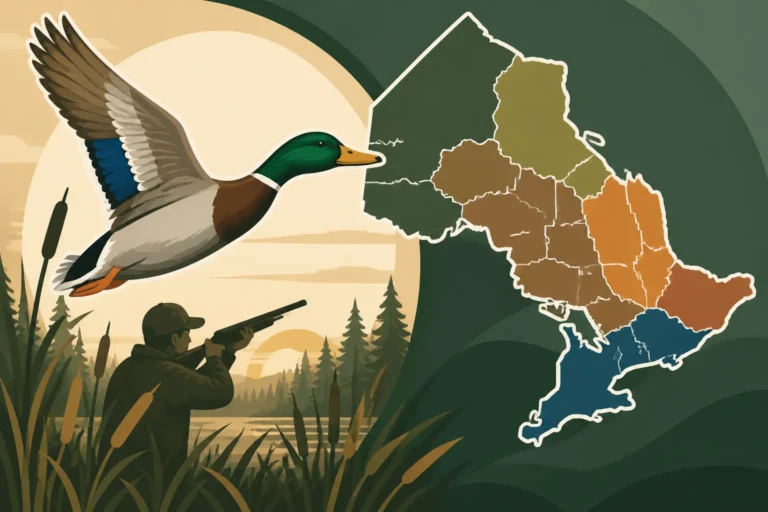
Ontario is a vast province, stretching from the Great Lakes up to Hudson Bay, and it's no surprise that hunting regulations, including those for squirrels, can vary depending on where you are. The province is divided into Wildlife Management Units (WMUs), and these units often dictate specific season dates and limits for different species. What might be legal in the south might not be in the north, and vice versa.
These regional differences exist for several important reasons. Firstly, wildlife populations fluctuate across the province. A thriving grey squirrel population in Southern Ontario's agricultural belt might not reflect the numbers in the rugged Canadian Shield region, where habitat is different. Secondly, human population density plays a role. WMUs closer to urban centers might have more restrictive seasons to manage hunting pressure and ensure public safety. For instance, Hunting Deer in Southern Ontario Farmland often comes with more regulations and considerations than hunting in the remote north.
Before planning any squirrel hunt, it is absolutely essential to identify the specific WMU you intend to hunt in. You can usually find this information on a good map or through online resources. Then, cross-reference that WMU with the provincial hunting regulations summary to confirm the exact season dates and bag limits. Ignoring these regional specifics isn't just a minor oversight; it can lead to serious fines or even license revocation. Tools like GoHunt can be invaluable for cross-referencing these details, allowing you to visually understand WMU boundaries and associated regulations.
General Season Dates and Bag Limits
While specific dates can vary slightly year to year and by WMU, generally, small game seasons for squirrels in Ontario tend to open in the early fall and extend through the winter months, sometimes even into early spring. This timing allows hunters to take advantage of the cooler weather when squirrels are often more active foraging for winter stores, and before the breeding season really kicks in.
For most of Southern and Central Ontario (WMUs generally south of the French and Mattawa Rivers, and some central regions), the season for grey and black squirrels (which are a colour phase of the grey squirrel) typically opens in late September or early October and runs until late December. Some WMUs might have a longer season, extending into February or March. Red squirrels often have an even longer season, sometimes year-round in certain northern WMUs, given their widespread distribution and often higher populations in boreal forests.
When it comes to bag limits, these are usually quite generous for squirrels, reflecting their robust populations and the nature of small game hunting. Typically, you're looking at a daily bag limit of between 5 to 10 squirrels per day, with a possession limit that often matches the daily limit. However, these numbers are subject to change, and it’s paramount to consult the current Ontario Hunting Regulations Summary for the most accurate and up-to-date information for your specific WMU. Always remember that possessing more than the stated limit is a serious offense.
To give you a clearer picture, here's a generalized overview. Please note, this table is for illustrative purposes only, and you must verify current regulations for your specific WMU.
| Species | General Region (Illustrative) | Typical Season Start | Typical Season End | Daily Bag Limit (Illustrative) | Possession Limit (Illustrative) |
|---|---|---|---|---|---|
| Grey/Black Squirrel | Southern & Central Ontario (e.g., WMU 76, 77) | Late September/Early October | Late December | 5-10 | 5-10 |
| Red Squirrel | Across Ontario (e.g., WMU 14, 47, 82) | Early September | March 31st (or year-round in some far north) | 5-10 (or no limit in far north) | 5-10 (or no limit in far north) |
The exact dates and limits are published annually, and it's your responsibility as a hunter to stay informed. A quick check of the regulations before each season, or even before each hunt if you're venturing into a new WMU, is a habit every ethical hunter should cultivate.
Navigating Regulations: Your Go-To for Squirrel Hunting in Ontario
Hunting squirrels might seem straightforward, but like any hunting activity in Ontario, it comes with a set of rules and requirements that you absolutely must follow. Don't let the simplicity of the quarry fool you; adhering to regulations is key to responsible hunting and avoiding unnecessary trouble.
Licensing Requirements and the Outdoors Card
Before you even think about stepping into the bush for squirrels, you need to ensure you're properly licensed. This is non-negotiable in Ontario. The very first thing you'll need is an Ontario's Outdoors Card Explained. This card is your unique identifier as a hunter or angler in the province, much like a driver's license for outdoor activities. It's valid for several years and needs to be renewed. You can't buy any hunting license without one.
Once you have your Outdoors Card, you'll need to purchase an Ontario small game hunting license. Unlike big game tags that are species-specific, a small game license generally covers a range of species, including squirrels, rabbits, grouse, and other small game. The cost is typically very reasonable, especially compared to big game licenses, making small game hunting an accessible option. You can find details on Ontario Hunting Licences and What They Cost through the Ministry of Natural Resources and Forestry (MNRF) website or at authorized license issuers. For those who are new to hunting, remember that completing the Ontario Hunter Education Requirements is a mandatory step before you can obtain your first hunting license. This course covers everything from firearm safety to wildlife identification and ethical hunting practices.
For non-residents looking to hunt small game in Ontario, the process is slightly different. You'll still need an Outdoors Card, but your hunting license will be a specific non-resident version. It's always a good idea for non-residents to check the rules well in advance, as there might be additional requirements or forms to complete when Rules for Non-Residents Hunting Ontario.
Always carry your valid Outdoors Card and your small game hunting license with you while hunting. Conservation Officers have the authority to request to see them, and failing to produce them can result in fines. Many hunters now carry digital versions on their phones, which is usually accepted, but having a physical copy or knowing how to access it easily is always a good backup.
Equipment Considerations for Squirrels
The beauty of squirrel hunting is that it doesn't require a huge investment in specialized gear, making it a fantastic entry point into hunting. However, selecting the right equipment enhances your experience and effectiveness.
For firearms, a .22 caliber rimfire rifle is arguably the most popular and effective choice for squirrels. It's quiet, accurate, and the ammunition is inexpensive. A quality scope on your .22 can significantly improve your accuracy, especially when targeting squirrels perched high in trees. Air rifles, particularly powerful PCP (pre-charged pneumatic) models in .22 or .25 caliber, are also growing in popularity. They are even quieter than rimfires, making them excellent for hunting closer to settled areas where firearm discharge might be restricted, or simply for a more stealthy approach. Some hunters also enjoy the challenge of hunting squirrels with a small gauge shotgun, like a .410 or 20 gauge, especially if squirrels are moving quickly or in denser cover.
Archery equipment, such as a recurve, compound bow, or crossbow, can also be used for squirrel hunting. This requires specialized small game arrows (like blunt tips or "thumpers") that won't get stuck high in a tree and are designed to stun rather than penetrate, minimizing meat damage. This method offers an incredibly challenging and rewarding experience, honing your archery skills for pursuits like Bowhunting Ontario's Long Archery Season.
Beyond your primary weapon, a good pair of binoculars is incredibly useful for spotting camouflaged squirrels in the canopy. Comfortable, quiet clothing in camouflage or drab earth tones is essential, as squirrels have sharp eyes. Don't forget sturdy, waterproof boots, especially if you're Hunting Ontario's Mixed Hardwood Bush or navigating damp fall woods. A small backpack for carrying water, snacks, a knife for field dressing, and a game bag or vest to carry your harvest is also practical. Safety glasses are a good idea, particularly if you're hunting with a rimfire where ricochets are a possibility.
Reading the Ontario Hunting Regulations Summary
This cannot be stressed enough: the Ontario Hunting Regulations Summary is your bible for all things hunting in the province. It's published annually by the MNRF and outlines all the rules, season dates, bag limits, and specific regulations for every game species in every WMU. Relying on word-of-mouth or outdated information is a recipe for disaster.
You can typically find the summary booklet at most places where hunting licenses are sold, such as Canadian Tire stores, or you can download a digital version directly from the Ontario government website. The digital version is often the most current, as updates can sometimes occur throughout the year.
When consulting the summary for squirrels, pay close attention to:
- Small Game Seasons Table: This table will list squirrel species and their corresponding season dates and bag limits by WMU.
- General Regulations Section: Don't skip this! It covers important rules about hunting hours, legal firearms and ammunition, mandatory hunter orange requirements (though often not required for small game unless hunting concurrently with big game season), and rules regarding hunting on private land versus Crown Land.
- WMU Maps: Familiarize yourself with the map of the WMU you plan to hunt. Understanding Reading an Ontario WMU Map Before You Go can save you a lot of headaches and ensure you're hunting legally.
- Provincial Prohibitions: There are certain areas where hunting is always prohibited, such as provincial parks (with rare exceptions for controlled hunts), municipal bylaws, or safety zones around dwellings. Always be aware of your surroundings.
Take the time to read through the entire small game section, and any general regulations that apply to all hunters. It might seem tedious, but it’s an investment in safe, ethical, and legal hunting.
Beyond the Basics: Ethical Hunting and Practical Tips
Squirrel hunting is more than just season dates and limits; it's an opportunity to connect with nature, hone your skills, and even put some delicious wild game on the table. Approaching it with ethics and good technique will make all the difference.
Scouting Prime Squirrel Habitat
Just like with bigger game, successful squirrel hunting often starts long before you even shoulder your rifle or nock an arrow. Scouting is key to finding where the squirrels are concentrated.
Look for areas with mature nut-producing trees. Oak, hickory, beech, and walnut trees are magnets for grey and black squirrels. In northern areas, stands of mature pine or spruce will hold red squirrels. Focus on woodlots, forest edges, and areas where different types of forest converge. If you’re Hunting a Pine Plantation Edge, you’ll likely find a good mix of species depending on the surrounding habitat.
Signs of squirrel activity are usually pretty obvious once you start looking. Listen for their chatter and scolding calls. Look for cuttings on the forest floor – chewed nut shells, acorn caps, or pieces of pine cones. You might also spot their nests (dreys) high in trees, which look like messy balls of leaves and twigs. In areas with recent snow, track identification can be very telling; fresh squirrel tracks hopping between trees and feeding spots are a clear indicator.
The time of year influences their location too. In early fall, squirrels are actively feeding on fresh nuts and can be found high in the canopy. As fall progresses and leaves drop, they spend more time on the forest floor, burying nuts for winter. During winter, they might be less active in extreme cold but will still venture out on warmer days to access their caches or find remaining food. Using satellite imagery tools, or even platforms like GoHunt, can help you identify promising habitat features before you ever set foot in the woods.
Field Dressing and Preparing Your Harvest
Congratulations, you've successfully harvested a squirrel! Now comes the practical part: field dressing and preparing your meal. Squirrel meat is lean, flavourful, and incredibly versatile in the kitchen.
Field dressing a squirrel is relatively simple. Many hunters prefer to skin and gut squirrels as soon as possible after the harvest to cool the meat and prevent spoilage, especially in warmer early fall temperatures. There are several methods for skinning, but a common one involves making a cut across the back, then pulling the skin down like taking off a sweater. It takes a little practice, but once you get the hang of it, it's quick work. Remove the entrails, and then you're left with a small, clean carcass. If you're hunting in warmer weather, place the dressed squirrels in a breathable game bag or cooler with ice to keep the meat fresh until you can properly process them at home. Remember that for transportation, Evidence of Sex Requirements and tag notching, while usually for big game, are good habits to be aware of even for small game if local rules require it.
Once home, rinse the carcasses thoroughly. Many recipes call for soaking the meat in saltwater or buttermilk for a few hours (or overnight) to tenderize it and remove any "gamey" flavour, though I personally find wild squirrel to be quite mild already. Squirrel meat is excellent stewed, fried, or even slow-cooked until it falls off the bone. Think squirrel pot pie, squirrel and dumplings, or simply breaded and fried with gravy. It’s truly a delicious and sustainable protein source.
The Joys of Squirrel Hunting for All Ages
Beyond the meat, squirrel hunting offers a unique set of benefits, especially for those new to hunting. It's an ideal way to introduce youngsters to the sport, teaching them essential skills without the intense pressure or physical demands often associated with big game hunting.
For youth hunters, learning to handle a firearm or bow safely, practicing marksmanship, understanding wildlife behavior, and developing patience are all part of the experience. It's a fantastic stepping stone to bigger game. You can check out Ontario Apprentice Hunting Rules for specific guidelines on hunting with a mentor. The fast-paced nature of squirrel hunting, with its quick shots and constant movement, keeps young hunters engaged and helps build confidence.
For any hunter, squirrel season provides an excellent opportunity to refine skills that translate directly to deer or moose hunting. You learn how to move quietly through the woods, how to spot game in cover, how to make ethical shots, and how to track animals. It's also a wonderful excuse to simply be out in the fall woods, enjoying the crisp air and changing colours, long before the major big game seasons kick into high gear.
Whether you're looking to fill the freezer, introduce a new hunter to the outdoors, or just enjoy a peaceful day in the bush, Ontario's squirrel season offers a rewarding experience. Just be sure to always check those current regulations and respect the resource!
Disclaimer
This guide is intended for informational purposes only and does not supersede official government regulations. Hunters are responsible for consulting the most current Ontario Hunting Regulations Summary published by the Ministry of Natural Resources and Forestry (MNRF) or the provincial government prior to any hunting activity. Seasons, limits, and rules can change, and it is the individual hunter's responsibility to ensure full compliance with all applicable laws.