Ontario Duck Season Dates by District
It's always a bit of a headache trying to nail down the exact duck season dates in Ontario, especially with all the different districts and specific species regulations. You've got your calendar marked, your decoys ready, but then you find yourself double-checking, "Am I even allowed to be out here on this date, or am I a week early/late?" This guide is here to clear up that confusion, breaking down Ontario's duck season dates by district so you can confidently plan your waterfowl hunts and make the most of your time in the blind or out on the marsh.
Understanding Ontario's Waterfowl Hunting Districts
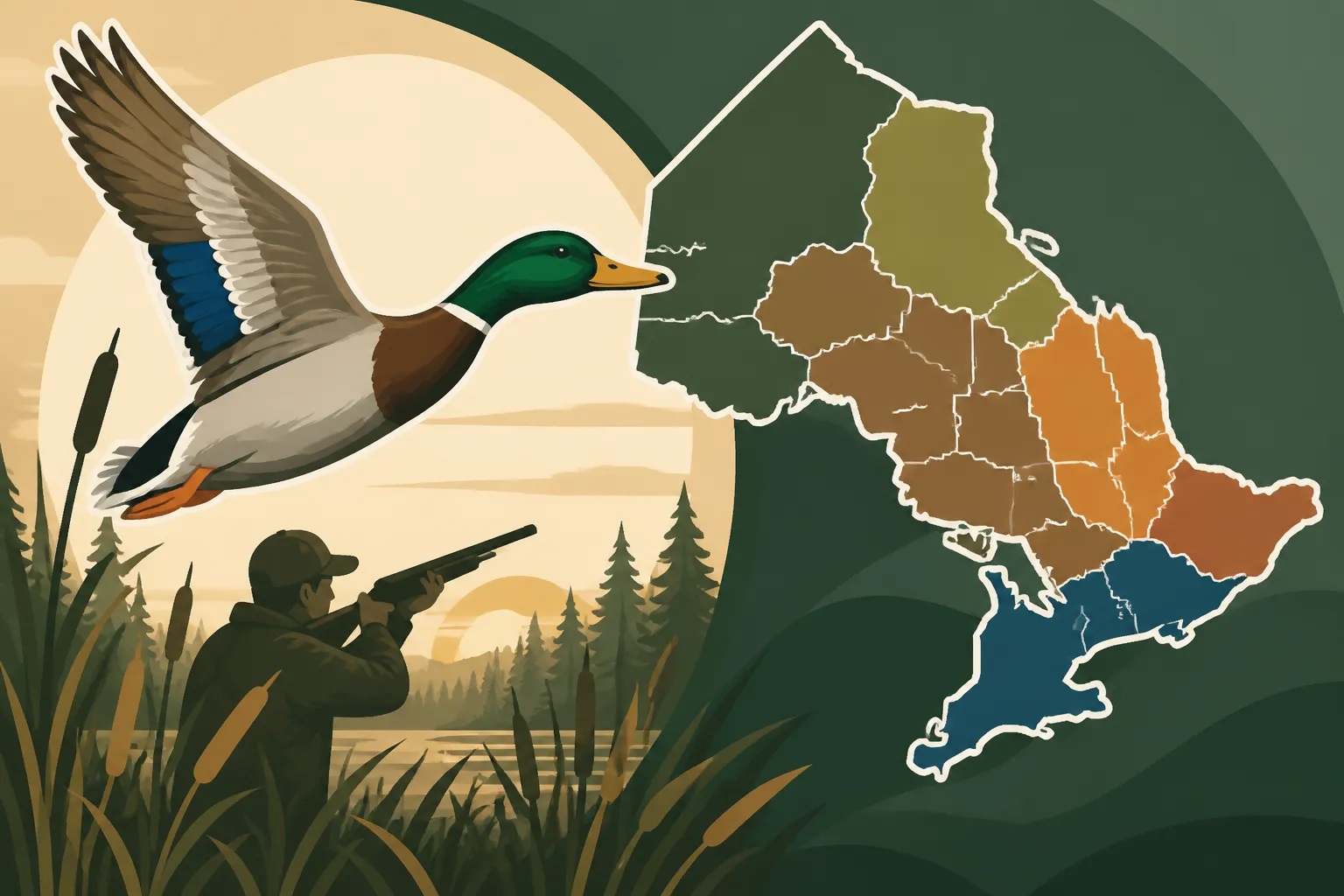
Ontario is a massive province, and because of its sheer size and diverse geography, it's divided into several distinct hunting districts or zones for migratory game birds. This isn't just a bureaucratic formality; it's a practical approach that acknowledges the significant differences in climate, bird migration patterns, and habitat across the province. What might be peak migration in the far north in early September could still be summer conditions with resident birds in the deep south. Getting a handle on these zones is the first, crucial step to understanding when you can actually hunt.
North vs. South: A Tale of Two Start Dates
The most significant distinction you'll encounter when looking at duck season dates is the split between Ontario's Northern, Central, and Southern Zones. These zones dictate when various waterfowl seasons open and close, with the northernmost regions typically having earlier opening dates due to earlier migrations and freeze-up, and the southern regions enjoying a longer season that stretches well into winter. It can be a real head-scratcher trying to remember which zone you're in, especially if you hunt in different parts of the province or if your hunting spot happens to be near a zone boundary. This zonal system is designed to allow hunters to pursue birds throughout their migration, from the breeding grounds in the far north down to the staging areas along the Great Lakes.
The Specifics of Zone Boundaries
Knowing the general idea of North, Central, and South is good, but you need to know the actual lines on a map. The boundaries for these zones are clearly defined in the official hunting regulations, often following major highways, rivers, or significant geographical features. For example, the Northern Zone generally lies north of a line that runs from the Manitoba border, across parts of Northwestern Ontario, through the French River, and across Lake Nipissing, extending to the Quebec border. The Central Zone then takes up a large swath below that, eventually meeting the Southern Zone which encompasses the southernmost agricultural lands and Great Lakes shorelines. It's critical to remember that even a few kilometres can put you in a different zone with entirely different dates. Always consult an up-to-date map, or use a tool like GoHunt that clearly delineates these boundaries on its mapping system, especially if your favorite marsh or beaver pond sits right on a line.
Unpacking the General Duck Season Dates by District
Now, let's get down to the brass tacks: the actual dates. While specific species like early teal might have their own special short seasons, the bulk of the duck hunting season follows a general framework within these three main districts. Keep in mind that these dates are for the general duck, merganser, coot, and gallinule season. It's really important to confirm the exact dates each year as they can shift slightly.
Northern Zone: Early Birds Get the Worms
For those of us who live and hunt in Ontario's vast northern expanses, the duck season kicks off much earlier than anywhere else. This zone typically sees its duck season open on September 1st. This early start makes perfect sense when you consider the northern climate. By late August, many of the local broods are fledged and flying, and the first waves of migratory birds from even further north are already beginning to stage and push southward. This season generally runs until mid-December, usually around the 14th. This allows hunters to target birds before the deep snow and ice really set in, often offering incredible opportunities for puddle ducks like mallards, teal, and wood ducks in marshes, small lakes, and beaver ponds before everything locks up tight. It's a short, intense window, but incredibly rewarding if you time it right.
Central Zone: A Longer Stretch for Diverse Opportunities
Moving south from the Northern Zone, the Central Zone offers a slightly later start but a considerably longer season. The general duck season here usually opens in early to mid-September, typically around September 9th. This zone's season often extends all the way into early January, usually the 9th. This extended season provides fantastic opportunities to hunt a broader range of birds and witness the full sweep of the fall migration. Early season hunts might focus on local birds in cattail marshes, while later in the season, as temperatures drop and ice begins to form, hunters can target diverse species like divers on larger lakes or field hunt Canada geese as they stage in agricultural areas. If you're looking for a longer season to adapt to changing conditions and bird movements, the Central Zone often delivers.
Southern Zone: The Long Haul for Late Season Action
Finally, the Southern Zone, which includes the heavily agricultural regions and the Great Lakes shorelines, typically has the latest opening but the longest overall duck season. You'll usually see the general duck season open in late September, around the 23rd. Like the Central Zone, it often runs until early January, allowing for a robust late-season experience. This extended period is crucial here, as many waterfowl species, particularly various diving ducks and geese, will stage and feed along the Great Lakes well into the winter months, only leaving when severe ice conditions force them further south. This zone offers some of Ontario's most renowned waterfowl hunting, especially for those interested in Marsh Hunting Ducks on the Great Lakes or Diver Hunting Ontario's Big Water as the season progresses. The milder climate means more open water for longer, keeping birds in the area.
Here's a quick overview of the general duck season dates by zone:
| Zone | General Duck Season Opening Date | General Duck Season Closing Date | Early Teal Season (Central & South) |
|---|---|---|---|
| Northern | September 1 | December 14 | Not applicable |
| Central | September 9 | January 9 | September 1 – September 7 |
| Southern | September 23 | January 9 | September 1 – September 7 |
Note: These dates are typical for the general duck, merganser, coot, and gallinule season. Always consult the most current Ontario Hunting Regulations Summary for precise dates, as they can vary slightly year to year.
Navigating the Nuances and Staying Compliant
Understanding the district dates is just the starting point. Ontario's waterfowl regulations have other layers you need to peel back to ensure you're hunting legally and ethically. It's not just about when you can hunt, but also what you can hunt, how much you can take, and what kind of gear you need.
Always Check the Official Regulations Summary
I cannot stress this enough: always, always refer to the most current official Ontario Hunting Regulations Summary. This document is your bible for all things hunting in the province. While this guide provides a general overview, specific dates, zone boundaries, and species regulations can change annually. The provincial government's website is the primary source, and it's free to download. Don't rely solely on what you heard from a buddy or an old printed copy. Even experienced hunters make mistakes when they don't double-check the latest rules. You'll also want to make sure you have your Ontario Migratory Bird Permits in order, which includes the federal permit and the Canadian Wildlife Habitat Conservation Stamp.
Beyond Dates: Bag Limits, Shooting Hours, and Non-Toxic Shot
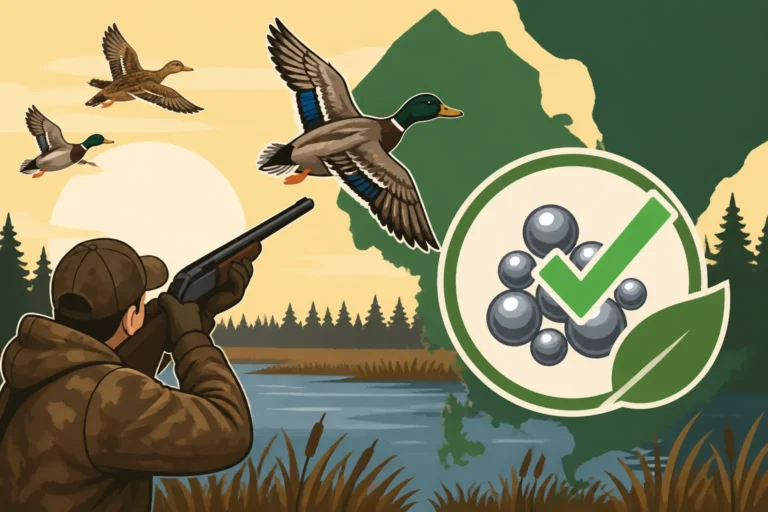
Beyond the season dates, you need to be acutely aware of bag limits. These specify how many birds of each species you can harvest daily and how many you can possess in total. For example, the Duck Daily Bag Limit by Species varies significantly, with mallards having one limit, and species like pintails or canvasbacks having much stricter limits due to population concerns. Shooting hours are another critical detail; these are usually set from half an hour before sunrise to half an hour after sunset. Violating shooting hours is a serious offense. And, of course, for all waterfowl hunting, Non-Toxic Shot Requirements for Waterfowl are mandatory across Ontario. This means no lead shot is allowed for ducks, geese, or any other migratory game birds. Using steel, bismuth, or other approved non-toxic alternatives is not just a rule, it's a commitment to environmental stewardship.
Leveraging Tools for Hunt Planning and Information
In today's digital age, hunters have access to some incredible tools that can make understanding and navigating these regulations much easier. Apps and online platforms like GoHunt can display hunting zone boundaries, property lines, and even real-time weather information, all overlaid on detailed maps. This kind of technology takes a lot of the guesswork out of where you can legally hunt and when. You can mark potential hunting spots, analyze terrain, and even monitor bird activity. Platforms like GoHunt also often integrate with official regulation summaries or provide links to them, making it a one-stop shop for planning. This is especially useful for Scouting Fields for Ontario Waterfowl or trying to locate birds on unfamiliar territory. It's a game-changer for staying organized and informed, helping you plan everything from an early season teal hunt to a late-season diver expedition.
Maximizing Your Hunt: Strategies for Different Season Phases
Knowing the dates is one thing; strategizing how to hunt effectively within those windows is another. The character of a duck hunt changes dramatically from the warm, bug-filled days of early September to the frigid, often icy mornings of late December. Adapting your tactics to these different phases of the season will undoubtedly increase your success. This is where truly understanding the migratory patterns and local behaviour of ducks comes into play.
Early Season: Fast Action and Local Birds
When the season first opens, especially in the Northern and Central zones, you're primarily targeting local birds. These are ducks that hatched in the area and haven't started their major migration yet. Wood ducks, early teal, and mallards are often the stars of these first few weeks. Look for them in smaller, secluded waters like beaver ponds, slow-moving creeks, and dense cattail marshes. They're often less wary than later-season migrants, responding well to simple decoy spreads and basic calling. This is a fantastic time for jump-shooting opportunities or setting up in an ambush position along a flight path. The weather is often pleasant, but don't forget the bug spray! Understanding their local feeding and roosting patterns is key. For those in the Central and Southern zones, the early teal season, though short, offers a unique opportunity to target these speedy little ducks.
Mid-Season: Migratory Push and Changing Tactics
As October rolls in and temperatures begin to drop, the true migration begins to ramp up. New waves of birds, including a broader variety of species, start arriving from further north. This is when you'll begin to see more northern mallards, wigeon, gadwall, and pintails pushing through. Hunting tactics need to shift. Birds are often more numerous but also warier. Larger decoy spreads might be necessary, and calling becomes more nuanced. Focus on larger bodies of water, major river systems, and agricultural fields where birds are stopping to feed and rest. This is a prime time for Waterfowl Hunting Across Ontario as the sheer volume of birds can be impressive. Pay close attention to weather fronts – a cold snap up north can mean a fresh influx of birds in your area within days.
Late Season: Hard Water and Hardy Birds
By November and December, especially in the Central and Southern zones where the season continues, you're dealing with the coldest conditions and the hardiest birds. Many smaller waters will be frozen, pushing ducks onto larger, open bodies of water like the Great Lakes or major rivers. Diver ducks – canvasbacks, redheads, scaup, goldeneyes – become prominent targets, often rafted in large numbers. Field hunting for mallards that have shifted to feeding on waste grain in corn or soybean fields can also be incredibly productive. This phase requires specialized gear, like sturdy boats for big water, cold-weather clothing, and often larger, more realistic decoy spreads. Birds are highly educated by this point, so stealth and meticulous setup are paramount. It’s a challenging but incredibly rewarding time to hunt, offering some of the most memorable experiences. When conditions get truly tough, you might even find yourself looking for ducks in very specific, insulated pockets of open water, or if you're lucky, Why Lake St. Clair Draws So Many Ducks might become your go-to spot for late-season action.
Disclaimer
The information provided in this guide is for general informational purposes only and is not a substitute for the official Ontario Hunting Regulations Summary. Hunters are solely responsible for understanding and complying with all current federal, provincial, and municipal hunting laws and regulations. Always consult the most recent official regulations document published by the Ontario Ministry of Natural Resources and Forestry (MNRF) before heading afield.