Which Turkey Seasons Allow Either Sex
It's incredibly frustrating when you're geared up and ready to hit the bush, only to be left scratching your head over the specific regulations for different game seasons. Turkey hunting, especially, can feel like navigating a maze with its distinct spring and fall rules. This guide is here to untangle that confusion, offering a clear breakdown of Ontario's turkey seasons, precisely which ones allow for either-sex birds, and what you need to know to hunt legally and successfully.
Understanding Ontario's Turkey Seasons: A Broad Overview
Wild turkeys have made an incredible comeback in Ontario, thanks to dedicated restoration efforts, and they've become a highly sought-after game bird for hunters. But unlike some other species where the rules might be more uniform, turkey hunting in Ontario is divided into two distinct seasons: spring and fall. Each season has its own unique flavour, challenges, and, critically, different regulations regarding what kind of turkey you can harvest. This isn't just bureaucratic red tape; it's all part of a carefully managed plan to ensure healthy turkey populations for generations to come.
For many, the sheer thrill of a gobbler hammering back at a call in the crisp spring air is what draws them to turkey hunting. Others find the strategic challenge of breaking up a fall flock and calling in wary birds to be their preferred test of skill. No matter your preference, understanding the nuances between these two seasons is absolutely paramount. Without this knowledge, you could easily find yourself on the wrong side of the law, or worse, making an unethical harvest. The provincial Ontario Hunting Regulations Summary is always your definitive source, but let's dive into the practical realities of what these seasons mean for your tag. You'll want to ensure you have the correct Ontario Wild Turkey Licences and Tags for whatever season you plan to hunt.
Why Two Distinct Seasons?
The reason for having separate spring and fall seasons, each with its own specific rules, boils down to biology and conservation. Spring is all about the breeding cycle. When you hear those thundering gobblers, they're actively trying to attract hens to mate. The focus is on removing surplus males (gobblers) that have already done their part in propagating the species, while allowing hens to nest and raise their young undisturbed. This approach protects the future of the flock.
Come fall, the landscape changes. The breeding season is long over, and poults (young turkeys) are often nearly full-grown. Populations have swelled, and hunting pressure on hens at this time poses less risk to the overall reproductive success of the flock. This ecological reality is precisely why the fall season offers different opportunities, which we'll explore in detail.
The Spring Turkey Season: A Strict Focus on Gobblers
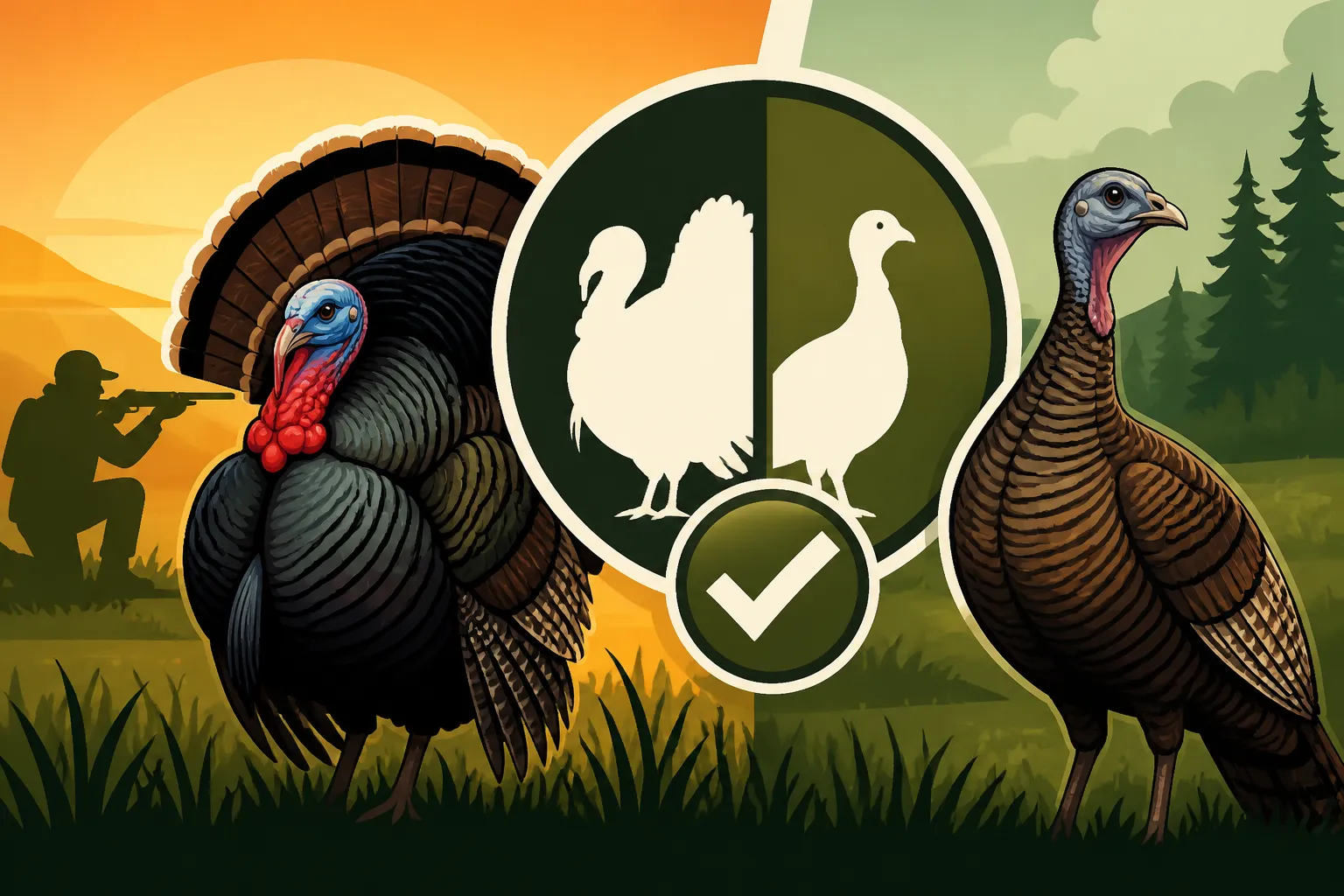
Ah, spring turkey season! For many, it's the absolute pinnacle of hunting. The woods burst back to life, and the sound of a distant gobble cuts through the morning chill like nothing else. But here's the crucial detail: Ontario's spring turkey season is strictly for gobblers, or male turkeys. You cannot harvest a hen during the spring season. This regulation is in place to protect nesting hens and the future generations of wild turkeys.
Imagine the scenario: You've scouted for weeks, found a prime roosting area, and set up your blind before dawn. As the sun peeks over the horizon, a big tom flies down from his perch, sounding off a series of heart-stopping gobblers. He might be followed by a few hens, and that's exactly where the challenge lies. Your focus must be squarely on identifying a legal bird.
Identifying a Legal Bird in Spring
So, how do you tell a gobbler from a hen when they're still in low light or moving through thick cover? It takes practice and a keen eye. Look for these key indicators:
- Beard: The most definitive sign. Gobblers typically have a "beard"—a tuft of coarse, bristle-like feathers protruding from their chest. Some older hens can occasionally grow beards, but it's rare, and it's best to confirm other male characteristics before taking a shot.
- Head Color: A gobbler's head is often vibrant red, white, and blue, especially when strutting or excited. Hens tend to have duller, more muted blue-grey heads.
- Size and Body Shape: Gobblers are generally larger and more robust than hens. Their body shape tends to be more upright and blocky.
- Strutting: While hens can sometimes display, it's the full, fanned-out strut of a tom that's unmistakable. The drumming sound, the fanned tail, the puffed-up body—these are all clear signs of a male.
- Spurs: Older gobblers will have sharp, bony spurs on the back of their legs. While you might not see these until after the shot, they're another definitive characteristic.
It’s easy to get caught up in the moment when a bird comes in, but taking the time to positively identify your target is non-negotiable. There's nothing worse than realizing you've made a mistake after the fact. Focus on the beard first, then confirm with head colour and body shape. Hunters who spend time learning Telling a Jake From a Longbeard will have a significant advantage in the field.
Spring Hunting Tactics and Bag Limits
Spring hunting is primarily about calling. You're trying to mimic a hen's calls to attract a lovesick gobbler, or sometimes even challenging another tom with aggressive gobblers or fighting purrs. Patience is key, as is understanding the specific phases of the spring rut. You might be trying to call a bird off its roost at first light, or perhaps working a field edge where gobblers are strutting for hens. Setting up decoys can be incredibly effective, but you need to be mindful of where and how you place them, especially if you're dealing with pressured birds. For more on this, check out Decoy Placement for Pressured Ontario Gobblers.
The bag limit for the spring turkey season in Ontario is typically one gobbler. Once you've filled that tag, your spring turkey hunting is done. It makes that single bird all the more special, and the ethical responsibility even greater. The season generally runs for a few weeks in May across various Wildlife Management Units (WMUs), and specific dates can vary, so always consult the Summary.
The Fall Turkey Season: Embracing the "Either-Sex" Opportunity
Now, let's talk about the fall turkey season. This is where things get different, and it directly answers our main question: Yes, Ontario's fall turkey season allows hunters to harvest either-sex birds. This means you can legally take either a male (gobbler) or a female (hen) turkey, provided you have the appropriate tag.
This "either-sex" rule in the fall stems from the different biological goals of the season. By autumn, the nesting and breeding cycles are long over. Poults have grown considerably, and turkey populations are at their annual peak. Allowing the harvest of hens at this time helps manage population numbers, ensuring they remain healthy and sustainable for the available habitat. It also provides hunters with a greater opportunity to fill their tag, as they don't have to be as selective about the bird's sex.
Fall Hunting Tactics: A Different Game Entirely
Hunting turkeys in the fall is a completely different ballgame compared to spring. Gone are the days of aggressive gobbling and strutting displays. Fall turkeys are typically in larger flocks, often composed of hens and their poults, or bachelor groups of gobblers. They are focused on foraging for food to build up fat reserves for the winter, and their behaviour is far more cautious and wary.
Here are some popular fall turkey hunting tactics:
- Flock Busting: This is a classic and highly effective fall tactic. The idea is to locate a flock, then charge in to scatter them in every direction. Once the birds are separated, you hide and use soft hen assembly calls (like lost yelps or kee-kees) to try and call them back in. Young birds, especially, are prone to wanting to regroup. For a detailed guide on this, check out Breaking Up a Fall Turkey Flock.
- Calling: While calling is different from spring, it's still crucial. Fall calls focus on communication within a flock – soft yelps, clucks, purrs, and the "kee-kee" run of lost poults. You're trying to sound like a lonely member of their flock looking to reunite. Using mapping tools like GoHunt can really streamline your scouting, helping you pinpoint those prime fall turkey spots much faster, especially when identifying potential flock areas or foraging grounds.
- Spot and Stalk: In open field situations or areas with good visibility, spotting a flock from a distance and then carefully stalking within range can be a successful approach. This requires patience, stealth, and a good understanding of turkey behaviour and terrain.
- Decoys: Decoys can still work in the fall, but often more subtle setups, mimicking feeding or contented birds, are more effective than full-strut tom decoys. They provide visual reassurance that the area is safe.
The fall season usually runs from late September into October in specific WMUs. Again, the Ontario Hunting Regulations Summary is your go-to for precise dates and any WMU-specific rules. The bag limit for fall is also typically one turkey, either sex.
The Rewards and Challenges of Fall Turkey Hunting
While spring hunting offers that adrenaline-pumping gobble, fall hunting offers a different kind of satisfaction. It’s a more cerebral hunt, often requiring more patience and a deeper understanding of turkey flock dynamics. You might not hear the thunderous gobble, but calling in a wary hen or a young jake that's desperate to reunite with its flock is incredibly rewarding.
One of the biggest advantages, of course, is the "either-sex" rule. It takes some of the pressure off identification and allows you to capitalize on opportunities you might have to pass up in the spring. This can be particularly encouraging for new hunters or those looking to put some meat in the freezer. Knowing that you can legally take any turkey simplifies the decision-making process in the field, allowing you to focus more on calling and woodsmanship.
Many hunters also use mapping apps like GoHunt to verify WMU boundaries and Crown Land access, ensuring they're always hunting legally and maximizing their chances of finding turkeys in new areas. This kind of technology can be a game-changer for scouting fall turkeys, especially when they're ranging wide looking for mast crops.
Comparing Spring vs. Fall Turkey Seasons
To help clarify the differences between Ontario's spring and fall turkey seasons, here's a handy comparison table highlighting the key points, especially concerning the "either-sex" regulation.
| Feature | Spring Turkey Season | Fall Turkey Season |
|---|---|---|
| Legal Harvest | Gobblers (Male Turkeys) ONLY | Either-Sex (Male or Female Turkeys) |
| Primary Goal | Harvest surplus males after breeding | Manage overall population after breeding & nesting |
| Bag Limit | Typically one gobbler | Typically one turkey (either sex) |
| Key Behaviour | Breeding, gobbling, strutting, establishing dominance | Foraging, flocking, cautious, regrouping |
| Common Tactics | Calling (mating calls), decoys, blind hunting | Flock busting, calling (assembly calls), spot & stalk |
| Season Duration | Typically a few weeks in May | Usually late September to October |
| Calling Focus | Attracting dominant males with hen sounds | Re-grouping scattered flocks with lost calls |
| Identification | Critical to distinguish gobbler from hen (beard!) | Less critical for sex, but still positive ID the bird |
This table should make it abundantly clear that if you're looking for an opportunity to harvest any turkey, the fall season is your window. The spring season demands precision and a focus solely on male birds.
Key Regulations and Best Practices for Ethical Turkey Hunting in Ontario
Regardless of whether you're chasing gobblers in the spring or hens and jakes in the fall, upholding ethical hunting practices and adhering to all regulations is paramount. Ontario has clear rules in place to ensure safe and sustainable hunting for all species, and turkeys are no exception.
Licences and Tags
First and foremost, you need the appropriate licences and tags. This includes a valid Outdoors Card and a wild turkey tag. These tags are season-specific, so you'll purchase a spring turkey tag or a fall turkey tag. Remember, if you plan to hunt both, you'll need a tag for each season. You can find detailed information on Ontario Turkey Bag Limits and licence costs through the Ministry of Natural Resources and Forestry (MNRF) website or through a licensed vendor. Always carry your licence and tag with you while hunting, and immediately validate your tag by notching it after a harvest.
Firearms and Bows
Ontario allows shotguns, bows, and crossbows for turkey hunting. There are specific rules regarding shot size (e.g., typically shot sizes 4, 5, 6, 7, 7.5 are common, but check the Summary for current legal maximums and minimums). For archery equipment, there are minimum draw weight requirements for bows and crossbows. Always ensure your equipment is legal and in good working order.
Blaze Orange Requirements
In Ontario, if you are hunting any game animal during a gun season for deer, moose, or bear, you are generally required to wear blaze orange. For turkey hunting specifically, if you are fall turkey hunting during an open gun season for other big game, you would need to wear blaze orange. However, if you are spring turkey hunting (when there are no concurrent big game gun seasons) or fall turkey hunting during an archery-only big game season, blaze orange is not typically mandatory for turkey hunters. Always double-check the current regulations for your specific WMU and hunting dates, as these rules can change. It's a safety measure, and even if not mandatory, wearing some blaze orange when moving to and from your setup is always a good idea in areas of high hunter traffic.
Identifying Your Target and Shot Placement
Regardless of the season, positive target identification is crucial. Not only do you need to distinguish between male and female in the spring, but you also need to ensure you're shooting a wild turkey and not some other species. Always identify your target beyond any doubt and ensure there's a safe backdrop for your shot.
Ethical shot placement for turkeys is generally the head and neck. Turkeys have very little vital area on their body, and a body shot can often result in a wounded bird that escapes. Aim for the head and neck for a clean, humane kill. This is especially true when using a shotgun. Practice with your chosen ammunition and choke combination to understand its effective range.
Reporting Your Harvest
Ontario requires hunters to report their turkey harvest. This data is vital for wildlife managers to monitor turkey populations, assess the health of the species, and make informed decisions about future hunting regulations. It's a simple process, usually done online or through designated reporting stations, and it’s a responsibility every ethical hunter should take seriously. Learn more about Reporting Your Ontario Harvest.
By understanding these regulations and adopting best practices, you'll ensure your turkey hunting experience in Ontario is both rewarding and responsible. Whether it's the thrill of a spring gobbler or the strategic challenge of a fall flock, there's nothing quite like matching wits with a wild turkey in the Ontario wilderness.
Disclaimer
Please note that hunting regulations, season dates, and bag limits can change. While this guide provides comprehensive information, it is crucial to always consult the most current Ontario Hunting Regulations Summary published by the Ministry of Natural Resources and Forestry (MNRF) before heading out into the field. This summary is the official legal document that outlines all rules and regulations.