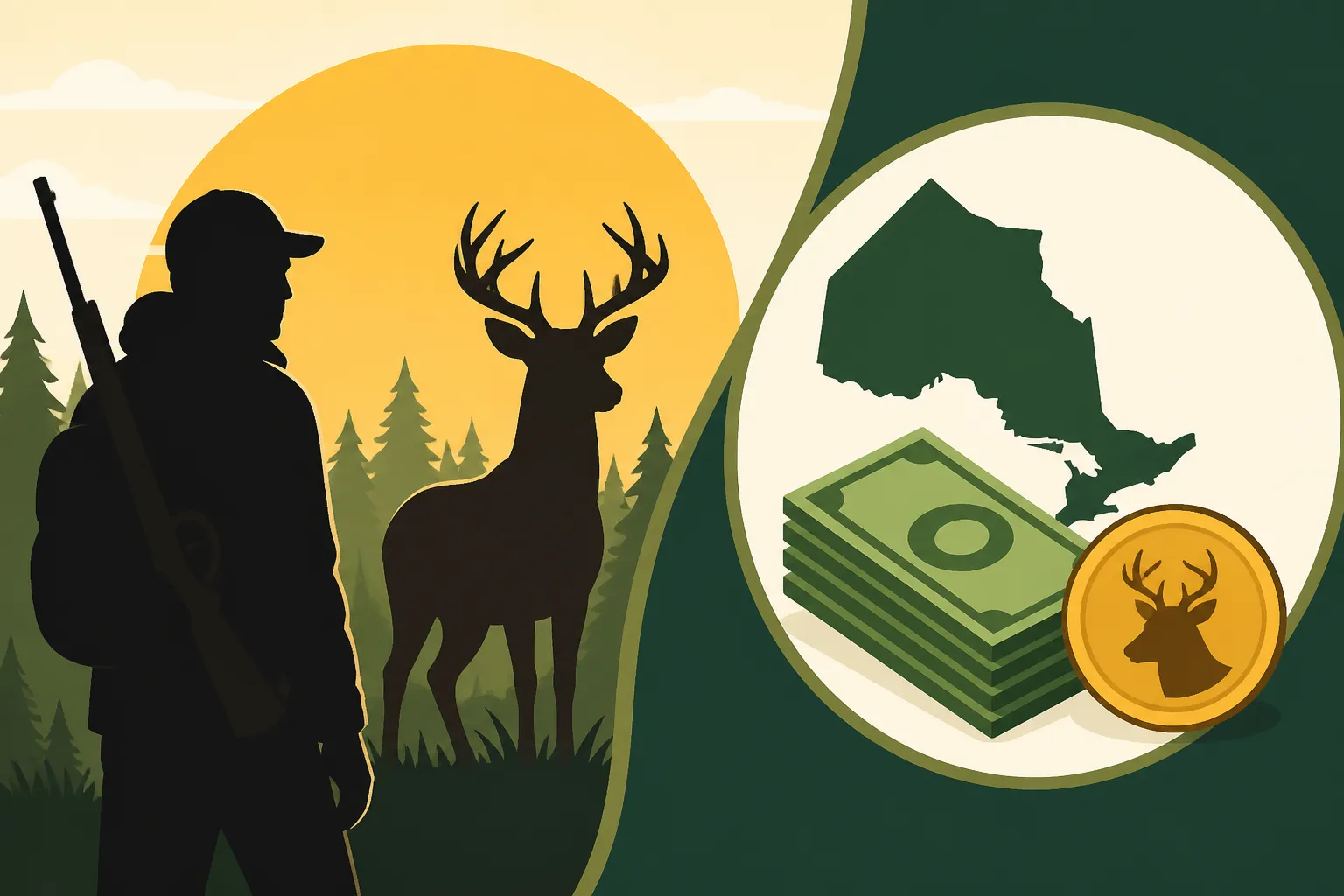
What a Non-Resident Deer Licence Costs
Heading north to hunt deer in Ontario as a non-resident often brings a mix of excitement and a whole lot of questions, especially when it comes to the financial side of things. It's not just about the deer licence itself; there are several other mandatory fees, permits, and logistical costs that can quickly add up, leaving many hunters feeling overwhelmed before they even pack their bags. This guide is here to demystify those expenses, helping you understand exactly what a non-resident deer licence costs and what else you need to budget for to ensure a smooth, legal, and enjoyable hunt in the beautiful Ontario wilderness.
Unpacking the Non-Resident Deer Licence Costs in Ontario
For many non-resident hunters, particularly those from the United States, the first hurdle is simply understanding the various fees involved. It's not a single price tag; rather, it's a combination of necessities that allow you to legally pursue deer in Ontario. Knowing these upfront can save you a lot of headaches and last-minute scrambling.
The Core Deer Licence Fee and What It Includes
When you're planning your deer hunt in Ontario as a non-resident, the primary document you'll need, after your Outdoors Card, is the actual non-resident deer hunting licence. As of the 2024/2025 hunting season, the typical cost for a non-resident deer hunting licence is approximately CAD $242.00. It's important to remember that these figures can shift slightly year to year, so always confirm the most current fees directly through the official Ontario hunting regulations or the MNRF's online licence portal.
This licence generally allows you to hunt one deer, typically an antlered deer, within a specified Wildlife Management Unit (WMU) or group of WMUs during the open season for that area. The exact regulations regarding antlered or antlerless deer, and specific season dates, will depend entirely on the WMU you intend to hunt. It's crucial to consult the Ontario Hunting Regulations Summary for the most up-to-date details for your chosen location, as these can vary widely across the province.
Why Non-Resident Fees Are Different
You might wonder why non-residents pay a higher fee for hunting licences compared to Ontario residents. This differential pricing is a common practice across many jurisdictions and is rooted in several factors. Primarily, it's about provincial revenue generation for wildlife management, conservation programs, and enforcement efforts that benefit all wildlife populations and their habitats within Ontario.
Ontario residents contribute to these conservation efforts through various taxes and levies throughout the year, so their licence fees reflect a supplementary contribution. Non-residents, while also contributing to the local economy during their visit, do not typically bear the same ongoing tax burden for the province's natural resources. Therefore, the higher licence fee helps to balance this contribution, ensuring that the costs of managing Ontario's robust deer population and pristine hunting lands are shared equitably. It's essentially an investment in the continued health and abundance of the very resource you're coming to enjoy.
Essential Additional Fees and Permits for Non-Resident Hunters
Thinking you just need a deer licence and you're good to go? Not quite. Ontario has a few other mandatory requirements that non-residents must meet, each with its own cost, before you can legally hit the bush. Missing any of these steps can quickly turn your dream hunt into a frustrating, and potentially illegal, experience.
The Mandatory Ontario Outdoors Card
Before you can even purchase a hunting licence of any kind in Ontario, you absolutely must possess an Ontario Outdoors Card. This card is essentially your gateway to all hunting and fishing opportunities in the province, serving as your unique identifier within the provincial system. It's a fundamental requirement for both residents and non-residents alike, proving that you're registered and eligible to participate in outdoor activities.
The cost for an Outdoors Card for non-residents is usually quite modest, typically around CAD $8.57, and it's valid for three years. You'll need to provide proof of your hunting accreditation (such as a hunter education course from your home state or province) to obtain one. Once issued, you can use this card for subsequent hunting seasons, simplifying the process for future trips. Getting an Ontario Outdoors Card is a simple online process, but it's a crucial first step that cannot be skipped.
Navigating Controlled Hunt Validations and Additional Tags
Depending on where and how you plan to hunt, your basic non-resident deer licence might not be the only tag you need. Ontario utilizes a system of controlled deer hunts and antlerless deer validations in certain WMUs to manage local deer populations effectively. If your desired hunting area or preferred method of harvest falls within one of these specific regulations, you'll need additional validation.
For instance, if you're hoping to hunt an antlerless deer (doe or fawn) in a WMU where only antlered deer are typically allowed on the general licence, you'll need to apply for an antlerless deer validation. Similarly, some high-pressure areas have specific "controlled hunts" that require a separate application and validation. Non-residents generally have fewer opportunities for these draws compared to residents, and there might be specific quotas. There is typically a small, separate application fee for these validations, usually in the range of CAD $10 to $20. It's important to research the specific rules for the WMU you plan to hunt well in advance and understand if applying for a Controlled Deer Hunt Validation is even an option for non-residents in that area. Many of these antlerless tags and controlled hunt validations are primarily allocated to residents.
The Crucial Non-Resident Firearm Declaration
Bringing your own hunting rifle or shotgun across the Canadian border is a common practice for non-residents, but it requires a specific declaration and associated fee. You cannot simply arrive at the border with your firearms and expect to sail through. The Non-Resident Firearm Declaration (form RCMP 5589) is a mandatory document that you must complete in triplicate and present to a Canada Border Services Agency (CBSA) officer upon entry.
The cost for processing this declaration is CAD $25.00. It's a one-time fee per entry, regardless of the number of firearms (up to three) listed on the form. It's absolutely critical that you do not sign the form until you are in front of a CBSA officer, as they need to witness your signature. Failure to properly declare your firearms can lead to severe penalties, including seizure of your firearms, fines, and even a ban from entering Canada. Be sure you know the rules for Bringing Firearms Into Ontario well before your trip. This declaration is valid for 60 days from the date of issue, or for any shorter period specified on the form, making it a vital part of your preparation.
Beyond the Fees: Budgeting for Your Ontario Deer Hunting Adventure
While the licences and permits are non-negotiable, the true cost of an Ontario deer hunt for a non-resident often extends far beyond these administrative fees. Thinking about the bigger picture is key to avoiding financial surprises and ensuring you have enough resources for a successful and memorable trip.
Travel, Accommodation, and Outfitter Expenses
Ontario is a vast province, and getting to your chosen hunting destination, especially in the more remote regions, can be a significant cost. Consider your travel expenses: fuel if you're driving, or flights if you're coming from further afield. Once you arrive, you'll need a place to stay. This could range from camping on Crown Land (which might require a Non-Resident Crown Land Camping Permit) to booking a motel, staying in a cabin, or opting for a full-service outfitter.
Many non-residents choose to book with an outfitter or guide service, especially for their first trip or when hunting in unfamiliar territory. An outfitter can simplify logistics, provide expert guidance, and often secure tags that are harder for individual non-residents to obtain. However, these services come at a substantial cost, varying greatly depending on the duration of the hunt, the services included (e.g., lodging, meals, guide ratio), and the reputation of the outfitter. What an Ontario Guided Deer Hunt Costs can range from a few thousand to several thousand dollars for a multi-day trip. When Choosing the Right Ontario Outfitter, it's wise to get a detailed breakdown of what's included and what's extra.
Processing, Taxidermy, and Exporting Your Harvest
So, you've successfully harvested an Ontario whitetail – congratulations! But the costs don't end there. You'll need to consider how you'll process your game. Field dressing is just the start. If you're not planning to do all the butchering yourself, local meat processors are available, but their services will incur a fee, usually based on the animal's weight.
If you plan to take your trophy (antlers, hide, or cape) back home, you might also be looking at taxidermy costs. These can be substantial, and it's important to understand the regulations for exporting wildlife parts. Non-residents will need to obtain a specific Non-Resident Export Permit for any game meat or trophy parts leaving the province. There's a nominal fee for this permit, usually around CAD $35. This permit is absolutely essential for taking your hard-earned trophy across international borders, so understanding What the Export Permit Covers and securing it is a non-negotiable step.
Leveraging Tools for Smart Planning
With all these variables, planning your non-resident deer hunt in Ontario can feel like a full-time job. Thankfully, there are tools and resources available to help streamline the process and budget effectively. The official Ontario Hunting Regulations Summary is your bible, providing all the legal frameworks, season dates, and specific WMU rules. Online portals for licence purchases make getting your Outdoors Card and deer licence relatively straightforward.
For those who like to meticulously plan and scout, platforms like GoHunt can be invaluable. While often more focused on western US states, general mapping and planning apps that provide land ownership layers and regulatory information can aid in understanding public access and WMU boundaries in Ontario. Even without direct GoHunt integration for Ontario-specific data, the principles of strategic planning, understanding regulations, and scouting digital maps remain crucial. Take the time to pour over maps, understand the terrain, and use all available resources to make your trip as efficient and enjoyable as possible. Planning ahead is the biggest factor in a successful, stress-free hunt, and it starts long before you cross the border.
Estimated Non-Resident Deer Hunt Costs (Licence Year 2024/2025)
Here's a breakdown of typical costs a non-resident might expect for an Ontario deer hunt. Please remember these are estimates and can change based on annual regulation updates, your chosen WMU, and personal preferences.
| Item | Estimated Cost (CAD) | Notes |
|---|---|---|
| Ontario Outdoors Card (3-year validity) | $8.57 | Mandatory for all hunters. Proof of hunter education required. |
| Non-Resident Deer Licence | $242.00 | Allows harvest of one deer (usually antlered). Specific regulations vary by WMU. |
| Non-Resident Firearm Declaration | $25.00 | Required for bringing firearms into Canada. Valid for 60 days. Must be declared at border. |
| Antlerless Deer Validation (if available) | $10.00 – $20.00 | Additional fee for specific WMUs or seasons. Opportunities for non-residents are often limited. |
| Non-Resident Export Permit | $35.00 | Required to take game meat or trophy parts out of Ontario. |
| Fuel/Travel (e.g., from US border) | $200.00 – $1,000.00+ | Highly variable based on distance and vehicle. |
| Accommodation (per night) | $80.00 – $250.00+ | Motel, cabin, camping fees. Outfitter packages include this. |
| Food/Supplies (per week) | $150.00 – $300.00 | Groceries for a self-guided hunt. Outfitter packages often include meals. |
| Guided Hunt Package (per person, per week) | $2,500.00 – $6,000.00+ | Highly variable. Includes guiding, lodging, meals, sometimes initial scouting. Check what's included when Booking an Ontario Deer Hunt. |
| Meat Processing (per deer) | $100.00 – $250.00 | If not self-processing. |
| Taxidermy (trophy) | $500.00 – $1,500.00+ | Depending on mount type (e.g., European, shoulder). |
| Minimum Estimated Total (DIY) | ~$650.00 | Excludes travel, food, accommodation, and any outfitter costs. This is just basic permits and licences. |
| Estimated Total (Guided) | ~$3,000.00 – $7,000.00+ | Includes basic permits/licences, plus a typical guided hunt package, and some estimates for travel/processing. |
Disclaimer
The information provided in this guide is for general informational purposes only and is subject to change. Hunting regulations, licence costs, and permit requirements are set by the Ontario Ministry of Natural Resources and Forestry (MNRF) and the Government of Canada, and can be updated annually. It is the responsibility of the hunter to consult the most current official Ontario Hunting Regulations Summary and all relevant federal regulations before planning or undertaking any hunting activity. We are not responsible for any inaccuracies or outdated information.