Hunting a Group Moose Tag Together
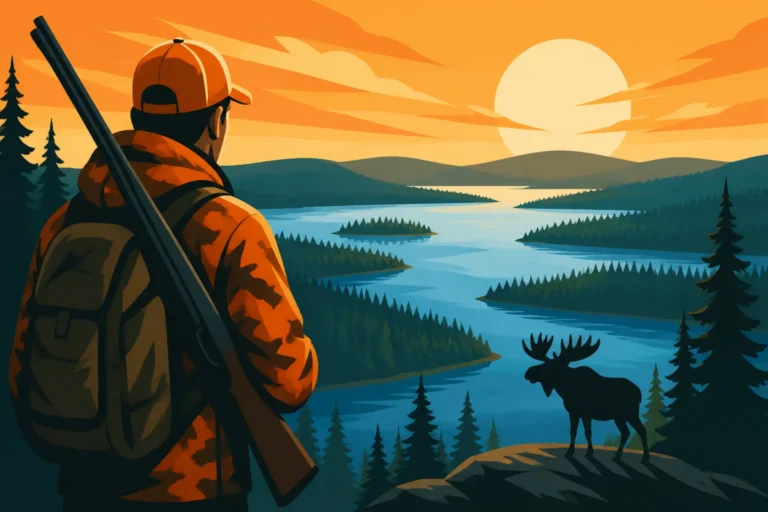
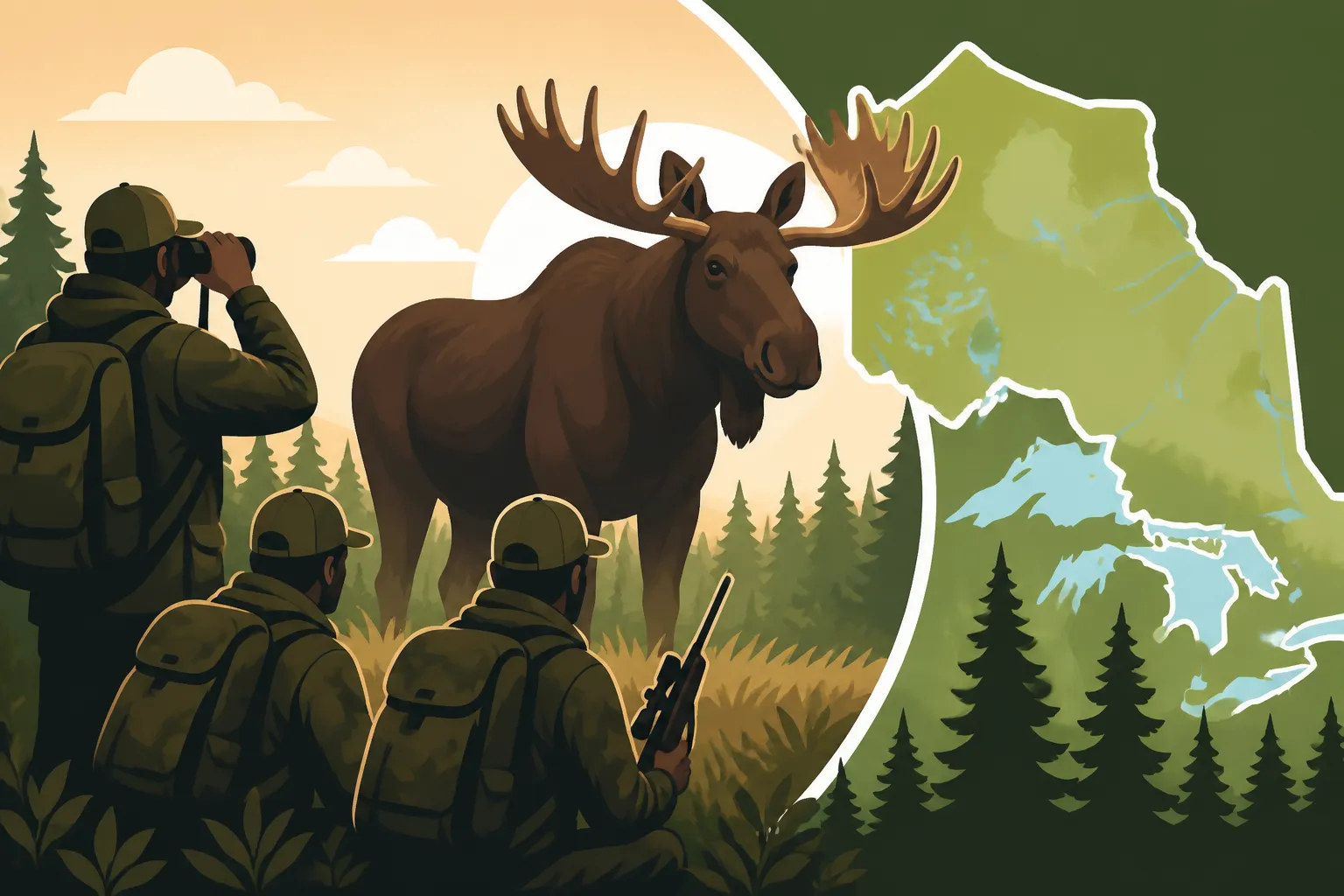
The sheer scale of an Ontario moose hunt can feel overwhelming, especially when you're dreaming of bringing home enough meat to last your family for a year. Doing it alone? That's a monumental task. That's why hunting a group moose tag together isn't just a good idea; for many, it's the only practical way to tackle the vastness of Ontario's bush and the incredible effort involved in harvesting one of these magnificent animals. This guide will walk you through everything you need to know to make your group moose hunt a truly rewarding and successful collective adventure.
Deciphering Ontario's Group Moose Tag System
Let's be honest, navigating provincial hunting regulations can feel like deciphering ancient scrolls sometimes. The group moose tag system in Ontario has its own set of nuances, and understanding them from the outset is absolutely critical for a smooth and legal hunt. It’s not just about who pulls the trigger; it’s about a shared responsibility and a clear understanding of the rules of engagement for every member of your party.
Understanding the Basics of a Group Tag
When you embark on a moose hunt in Ontario with a group, you're not just a collection of individuals; you're operating under a single, shared moose tag. This means that only one moose can be harvested under that specific tag, regardless of how many people are in your hunting party. Typically, one individual acts as the "lead applicant" for the group, and it's their Outdoors Card number that gets associated with the tag application. Other members are then listed as part of this group, usually during the application process or when the tag is issued.
The beauty of the group tag is that it allows multiple licensed hunters to participate in the pursuit of one animal, sharing the workload, the expenses, and ultimately, the bounty. Imagine trying to drag a 1000-pound bull moose out of a remote swamp by yourself – it's practically impossible! A group tag acknowledges this reality, fostering a collaborative approach to a challenging hunt. It’s important to remember that all members of the hunting party must hold a valid Outdoors Card and the appropriate moose hunting licence for the season and WMU where the tag is valid. For a deeper dive into the specific mechanics, be sure to check out the details on How an Ontario Moose Hunt Party Works.
Navigating the Allocation Process with a Group
Securing a moose tag in Ontario, especially for a bull or cow, can be a multi-year endeavour due to the draw system. This is where the concept of "points" comes into play, and it’s a critical component for group applications. The lead applicant's accumulated points are generally what the group relies on to enter the draw. The more points the lead applicant has, the better the odds for the entire group. This often means patiently building up points over several years, or finding a lead applicant within your group who already has a solid number of points.
Ontario's moose tag allocation is a two-stage process: the primary allocation and the second chance allocation. Most group tags are secured through the primary draw, where those with the most points in their chosen Wildlife Management Unit (WMU) and tag category (bull, cow, calf) have the best chance. If your group isn't successful in the primary draw, there's a smaller window for the second chance allocation, though tags here are usually more limited. This waiting game can be frustrating, especially when everyone is eager to hunt, but it’s a necessary part of the system designed to manage moose populations sustainably. Understanding Ontario's Moose Points System is key to strategizing your application. Websites like GoHunt often compile data that can give you insights into draw odds for different WMUs, helping your group make an informed decision on where to apply.
Roles and Responsibilities of Group Members
While only one person can ultimately pull the trigger on the moose, the success of a group hunt hinges on everyone understanding and performing their roles. Legally, every member of the party must be licensed and aware of the specific tag regulations. Practically, assigning roles early on can prevent confusion and enhance efficiency.
Consider these common roles:
- The Scout: Often the most experienced woodsman, responsible for identifying prime moose habitat, fresh sign, and travel routes. This role might be shared, with different members scouting different areas.
- The Caller: An individual skilled in moose vocalizations, able to attract bulls or cows into shooting range. Their patience and knowledge of calling sequences are invaluable.
- The Primary Shooter: While anyone with a licence can legally shoot the moose once the tag is secured, it's wise to designate one or two individuals as primary shooters who have proven their marksmanship and ethical hunting approach. This avoids confusion and ensures a clean, humane harvest.
- The Tracker: After a shot, this person's ability to follow a blood trail, interpret disturbed ground, and locate a downed animal is paramount.
- The Meat Handler: Essential for the post-harvest work, skilled in field dressing, quartering, and preparing the animal for transport. Given the size of a moose, this is almost always a team effort.
Beyond these specific roles, every member is responsible for safety, communication, adherence to regulations, and contributing to camp duties. A truly cohesive group hunt is about shared effort and mutual support, from the pre-season planning right through to the final processing of the meat.
Strategic Planning for a Successful Group Moose Hunt
A successful group moose hunt isn't just about showing up with rifles and good intentions. It demands meticulous planning, open communication, and a shared vision. Without a solid strategy, you risk frustration, missed opportunities, and potentially even unsafe situations. This is where your group truly becomes a team, working together long before you even set foot in the bush.
Choosing Your Wildlife Management Unit (WMU)
The choice of WMU is perhaps the most critical decision your group will make. Ontario is vast, and moose populations, hunting pressure, and access vary wildly across its many WMUs. When deciding, your group needs to consider several factors:
- Draw Odds: Some WMUs are notoriously difficult to draw a tag for, requiring many points. Others might have better odds but perhaps fewer moose or more challenging terrain. Websites like GoHunt provide valuable insights into historical draw data and success rates for different WMUs, which can greatly inform your group’s decision.
- Moose Density: A higher moose density generally translates to better hunting opportunities, but it might also mean more competition from other hunters.
- Accessibility: Will your group be driving in, flying in, or boating to your hunting area? Consider road access, boat launches, and the potential need for ATVs or Argos. Remember, a remote WMU often means less pressure but more logistical challenges.
- Crown Land Availability: Many groups rely on hunting on Crown Land, which is abundant in Northern Ontario. Ensure your chosen WMU has sufficient accessible Crown Land, or if you plan to hunt private land, that you have secured permission well in advance. Familiarizing yourself with Ontario's Wildlife Management Units will give you a lay of the land.
Your group should discuss these factors thoroughly, balancing the desire for a trophy animal with the practicalities of drawing a tag and successfully hunting the chosen area.
Pre-Season Scouting and Preparation as a Team
The hunt often begins months, or even a year, before opening day. Pre-season scouting is invaluable, and with a group, you can cover significantly more ground and gather more intelligence. Even if physical scouting trips aren't feasible for everyone, virtual scouting can be incredibly effective.
Utilize tools like GoHunt's mapping features, satellite imagery, and topographic maps to identify potential moose habitat, travel corridors, water sources (especially beaver ponds and marshy areas), and clear-cuts. Assign different areas or types of terrain for each group member to "scout" digitally, then bring all the information together. Look for browse lines, old rubs, and tracks from previous seasons. This collective effort allows your group to pinpoint prime areas, identify potential stand locations or calling setups, and understand the terrain. Consider doing a physical scouting trip closer to the season, if possible, even for just a few days. This helps confirm your digital findings, identify recent sign, and solidify your team's understanding of the hunting area. Don't underestimate the power of Scouting With Satellite Imagery in Ontario to get a jump start.
Equipment and Logistics: Sharing the Load
Moose hunting, particularly in remote Northern Ontario, requires a significant amount of gear and careful logistical planning. A group allows for the sharing of resources and expenses, making the undertaking more feasible. Beyond personal hunting gear, your group will need to consider:
- Camp Setup: Tents (canvas tents with wood stoves are popular for late-season hunts), sleeping systems, cooking equipment, water filtration.
- Transportation: Depending on your WMU, this could mean boats, canoes, ATVs, or even a bush plane. Remember, a What a Big Bull Moose Weighs means you’ll need robust extraction plans.
- Communication: Beyond cell phones (which often won't work in the bush), consider satellite phones, two-way radios, or satellite messengers (like InReach devices) for emergencies and inter-group communication.
- First Aid: A comprehensive first aid kit is non-negotiable, and at least one member should have advanced first aid training.
- Meat Handling: Game bags, tarps, coolers, and potentially a portable winch or gambrel are essential.
Creating a shared equipment checklist and assigning who is responsible for bringing what can prevent duplication and ensure nothing critical is left behind. It’s also wise to pool resources for communal items like food, fuel, and camp supplies. A well-stocked and organized camp is a happy and effective camp!
Here's a simple table to help organize group responsibilities:
| Task Category | Key Responsibilities | Primary Lead | Support Members | Essential Gear (Examples) |
|---|---|---|---|---|
| Pre-Hunt Planning | WMU selection, tag application, draw monitoring | Group Leader | All | GoHunt data, WMU maps |
| Scouting | Identifying moose sign, travel routes, potential spots | Member A | Member B, C | GPS, maps, binoculars, trail cams |
| Camp Logistics | Shelter, cooking, water, communal supplies | Member B | Member A, C, D | Tents, stove, cooler, water filter |
| Transportation | Vehicle/boat arrangement, fuel, maintenance | Member C | Member D | ATV, boat, trailer, extra fuel |
| Safety & Comm. | First aid, emergency comms, protocols | Member D | All | Sat phone, first aid kit, radios |
| Harvest & Prep. | Field dressing tools, game bags, quartering | Member A | Member B, C, D | Knives, hoist, tarps, game bags |
Executing Your Ontario Group Moose Hunt in the Field
The planning is done, the gear is packed, and the excitement is palpable. Now it's time to put all that preparation into action. In the vastness of the Ontario bush, clear communication and a coordinated effort are more crucial than ever. This is where the trust and camaraderie built during your planning stages truly pay off.
Establishing Clear Communication and Safety Protocols
When hunting with a group, especially for a large and potentially dangerous animal like a moose, safety must be the absolute top priority. Before you even leave camp each morning, establish clear communication methods and safety protocols.
- Two-Way Radios: Essential for staying in touch when out of sight. Discuss specific channels, call signs, and regular check-in times.
- Hand Signals: In close quarters, or when silence is paramount, agree on a set of non-verbal signals.
- Shooting Lanes: Always be acutely aware of where other hunters are located. Designate clear shooting lanes and ensure everyone knows their safe zones of fire. Never shoot if you are unsure of what is beyond your target.
- Blaze Orange: Ontario law requires hunters to wear blaze orange during certain seasons and while traversing non-restricted areas. Ensure everyone is compliant and visible.
- Emergency Plan: Have a clear plan for what to do if someone gets lost or injured. Discuss rendezvous points, who carries the satellite communicator, and how to signal for help. It’s a harsh reality that the bush can be unforgiving, so knowing What to Do If You Get Turned Around could be a lifesaver.
Constant vigilance and open communication will not only enhance safety but also increase your chances of success by coordinating movements and responses to game sightings.
Hunting Techniques Adapted for Groups
While solo hunting often involves still-hunting or sitting patiently, a group offers a wider array of tactical approaches. The key is to leverage the strengths of multiple hunters without compromising safety.
- Calling: One of the most effective group tactics is using multiple callers. While one person might be making aggressive bull grunts, another could be simulating a cow call or the sounds of breaking brush to pique a moose's curiosity. This creates a more realistic and compelling scenario. Imagine one hunter drawing a bull into an ambush created by others. For tips on vocalizations, refer to Calling Moose in Ontario's Boreal Forest.
- Drives (where legal and safe): In some areas and within specific regulations, controlled drives can be effective for pushing moose towards waiting hunters. This requires extreme caution, clear communication, and a deep understanding of the terrain and where all hunters are positioned. Designate "pushers" and "blockers" with explicit instructions.
- Still-Hunting/Stalking: While individuals might still-hunt quietly through the bush, a group can coordinate movements to cover larger areas, using each other to cut off escape routes or simply increase the odds of spotting a moose. This is particularly effective when following fresh tracks, where one hunter might focus on the trail while others scan ahead or to the sides. Learning to read the subtle nuances of the forest, and knowing how to interpret Reading Sign After a Fresh Snow, can turn a challenging track into a successful encounter.
Regardless of the technique, flexibility is vital. Moose are unpredictable, and your group needs to be able to adapt quickly to changing conditions, moose behaviour, and unexpected opportunities.
The Moment of Truth: Shot Placement and Tracking
When a moose finally appears, all the planning and patience culminate in a few critical seconds. With a group, there’s an added layer of communication and discipline required to ensure an ethical and successful harvest.
- Clear Target Acquisition: Only take a shot when you have a clear, ethical shot at the vital organs. With multiple hunters present, there can be a tendency to rush, but this must be avoided. The designated primary shooter, or the hunter with the best, safest shot, should be the one to fire.
- Communication Post-Shot: Immediately after a shot, communicate clearly what happened. "I shot," "He's hit," "He went that way." Mark the spot where the moose was standing when the shot was taken, and the last place you saw it.
- Collective Tracking: Even if the moose drops on the spot, approaching it cautiously as a group is wise. If it runs, tracking becomes a team effort. Fresh blood trails, broken branches, and tracks are easier to follow with multiple sets of eyes. While one person focuses on the blood, another can be scanning ahead for the animal, and a third can be flagging the trail to ensure you don't lose it. This is a situation where many hands (and eyes) make light work, especially if the light is fading or weather is moving in. A clean shot makes tracking easier, but sometimes moose travel a surprising distance, so persistence and teamwork are key.
The goal is always a quick, humane harvest, and a group that works together cohesively significantly increases the chances of achieving that.
Post-Harvest: Teamwork in Action
You’ve done it. The shot was true, the moose is down, and the celebratory high is soaring through your camp. But this is far from the end of the work; in many ways, the hardest physical labour is just beginning. A harvested moose is an immense animal, and processing and transporting it out of the bush truly highlights the indispensable value of a group tag. This is where all those shared hands and strong backs become essential.
Field Dressing and Meat Care with Multiple Hands
Anyone who has ever harvested a moose will tell you: this is where the real work starts. A mature bull moose can easily weigh over 1,000 pounds, and getting that much meat cooled and off the bone in the field is a monumental task for one person. With a group, however, this process becomes manageable and much more efficient.
Designate roles for each person: one might focus on the initial gutting, another on skinning, while others prepare the area, gather water, or ready game bags. The goal is to get the hide off and the animal quartered as quickly as possible to begin the cooling process. This is particularly crucial during Meat Care in Ontario's Warm Early Seasons, where spoilage can be a serious concern. While one person might manage Quartering a Moose Alone in the Bush, it’s a grueling, hours-long endeavor. With four or five people, the task can be completed in a fraction of the time, leading to better meat quality and less stress. Ensure your group has plenty of sharp knives, a sharpening stone, a small hatchet or saw, and enough game bags to protect the meat from flies and debris.
Transporting the Moose Out of the Bush
Once the moose is broken down into quarters, the next challenge is getting it out of the bush and back to camp or the nearest vehicle access point. This often involves navigating challenging terrain – dense brush, rocky outcrops, beaver ponds, and steep inclines. Again, this is where the group aspect of the hunt shines.
- Human Chains: For relatively short distances over manageable terrain, simply creating a human chain and relaying quarters can be effective. This is hard work, but many hands make it possible.
- ATVs or Argos: If your WMU allows and your group has access to these machines, they can significantly reduce the physical burden. However, be mindful of trail conditions and regulations on Crown Land regarding vehicle use.
- Boats or Canoes: For water-accessible areas, utilizing a boat or even a large canoe can be a game-changer. Floating quarters across a lake or down a river is often far easier than dragging them through thick woods. Knowing how to manage Getting a Moose Out by Canoe can save you countless hours and immense physical strain.
- Improvised Litters: Sometimes, you might need to build a makeshift litter from poles and tarps to carry the quarters out, especially through swamps or very dense areas.
The key is communication and planning. Before you even head out to retrieve the animal, assess the terrain and decide on the most efficient and safest extraction route. Having a dedicated "extraction team" that focuses solely on this task can also streamline the process.
Tagging, Reporting, and Sharing the Harvest
Once the moose meat is safely out of the bush, there are a few critical steps to finalize your group's successful hunt.
- Tagging: Ontario has strict rules for attaching your moose tag immediately after harvest. Ensure the tag is notched correctly and securely affixed to the animal. It's also vital to retain evidence of sex as required by regulations. Failure to do so can result in serious penalties.
- Mandatory Harvest Reporting: All harvested big game in Ontario must be reported. The lead applicant of the group is typically responsible for ensuring the harvest information is submitted to the Ministry of Natural Resources and Forestry (MNRF) by the specified deadline. This data is crucial for wildlife management and helps inform future tag allocations.
- Sharing the Harvest: One of the greatest benefits of a group moose tag is the abundance of high-quality wild game meat. Before the hunt, your group should have a clear understanding of how the meat will be divided. Whether it's an even split of quarters, or a system based on who contributed what to the hunt (e.g., someone with an ATV who did extra hauling might get a little more), transparent agreement beforehand prevents any disputes later. Often, groups will take the meat to a local butcher for professional processing, which ensures consistent cuts and proper packaging for long-term storage.
A successful group moose hunt is a marathon, not a sprint. From the initial application to the final delicious meal, every step benefits from teamwork, communication, and a shared passion for the outdoors. It's a challenging, rewarding experience that strengthens bonds and fills freezers, making all the effort truly worthwhile.
Disclaimer
Please note that hunting regulations, season dates, and tag allocation processes in Ontario are subject to change. Always consult the most current Ontario Hunting Regulations Summary, available on the Government of Ontario website, before planning and executing any hunt. This guide is for informational purposes only and does not supersede official regulations.