What Non-Residents Get Wrong About Ontario
One of the biggest hurdles many non-resident hunters face when considering a trip to Ontario is the sheer amount of information – and misinformation – out there. You might hear whispers from folks who hunted here decades ago, or stumble upon rules that apply only to residents, leading to confusion and frustration. This guide is here to clear the air, tackling the most common misunderstandings and setting realistic expectations so your hunting adventure north of the border goes smoothly from planning to harvest.
Navigating Ontario's Licensing and Tag System
It’s easy to assume that if you hold a hunting license in your home state or province, you can just hop across the border and buy a tag. While that's partially true for some things, Ontario has a very specific system, especially for non-residents, that often catches folks off guard. It’s not just about paying a fee; it’s about meeting prerequisites and understanding how allocations work.
The Outdoors Card and Non-Resident Requirements
The first major point of confusion for many non-residents is the "Outdoors Card." In essence, it's your permanent client identifier with the province, a bit like a hunting ID card. You can't just buy a license without one. Many assume they can buy a single-use paper permit or combine it with their first tag purchase, but that's not how it works here. You'll need to obtain this card first, which requires proof of hunter education. If you've got a valid hunting license from home, that usually serves as sufficient proof for the hunter education component, but you still need the card itself.
The process for getting your Ontario's Outdoors Card Explained typically involves applying online through the Fish and Wildlife Licensing Service, or in person at a participating ServiceOntario location or licence issuer. It’s not something you want to leave until the last minute, especially if you’re planning a trip. Without it, you can't even begin to purchase your actual hunting licenses or tags. Once you have it, it's valid for a period of years, making subsequent trips much simpler. Remember, your license to hunt a specific species is separate from this card; the card just proves you're eligible to buy those licenses. Don't confuse the two!
Moose Tag Allocation and the Points System
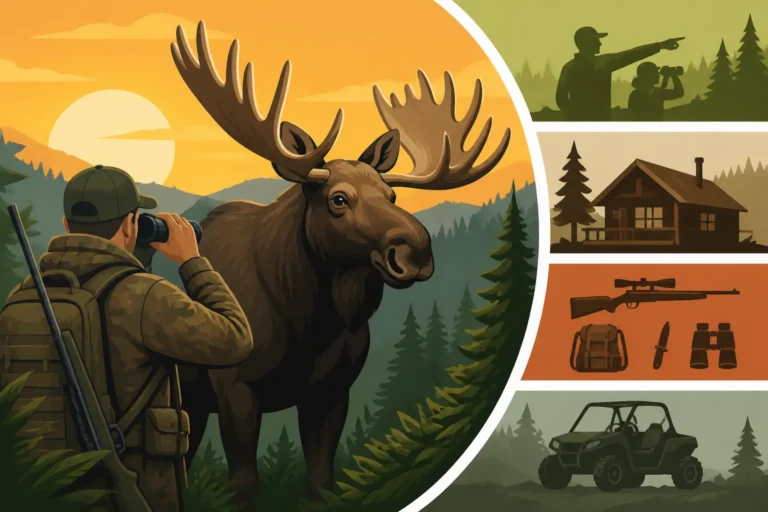
This is perhaps the biggest area of misunderstanding, especially for those dreaming of a majestic bull moose. Non-residents often assume they can apply for a moose tag directly, much like residents do through the provincial draw. However, the vast majority of moose tags for non-residents are allocated directly to licensed tourist outfitters. This means if you're a non-resident wanting to hunt moose in Ontario, your path almost certainly goes through booking a guided hunt with an outfitter who holds those tags.
You won't be building up "points" in Ontario's resident-focused moose points system like resident hunters do. Instead, outfitters receive a specific quota of tags, and they distribute them to their clients. This is where researching and booking with a reputable outfitter becomes paramount. They're your gateway to an Ontario moose hunt. Some non-residents get disheartened when they learn they can't simply apply for a tag, but this system actually streamlines the process for visitors, ensuring they hunt in areas managed by experienced professionals. If you’re looking for an outfitter with moose tags, platforms like BookYourHunt can be a great starting point to see what’s available.
Understanding Deer Tags and Validation Draws
When it comes to deer, things are a little more accessible for non-residents than moose, but there are still nuances. You can purchase an Ontario deer hunting licence. However, many non-residents mistakenly believe they automatically get an antlerless deer tag with their general licence, or that they can hunt antlerless deer in any Wildlife Management Unit (WMU) during the gun season. This isn't usually the case.
For most WMUs, especially those with high deer pressure or specific management goals, resident and non-resident hunters alike often need to apply for an antlerless deer validation or participate in a controlled deer hunt draw. These are separate applications with specific deadlines and often require luck, particularly for prime antlerless opportunities. While your general deer license allows you to hunt antlered deer during the open season in your chosen WMU, getting an antlerless tag is an additional step. It's crucial to check the regulations specific to the WMU you plan to hunt well in advance. Understanding Ontario Deer Season Dates and Tags for your chosen zone is absolutely critical to avoid disappointment.
Dispelling Myths About Ontario's Hunting Regulations
Regulations vary significantly between jurisdictions, and what's legal and common practice in your home state or province might be a big no-no in Ontario. From the amount of blaze orange required to specific rules about baiting, it pays to do your homework. These aren't just minor details; violating these rules can lead to fines, loss of hunting privileges, and a ruined trip.
Equipment Rules and Blaze Orange Requirements
Many non-residents assume that if their firearm is legal at home, it's legal in Ontario. While many common calibres and bow setups are permitted for big game, there are specific regulations regarding minimum calibres, magazine capacities, and even archery draw weights. It's not a free-for-all. For instance, in some southern Ontario WMUs, only shotguns or muzzleloaders might be permitted for deer hunting, not rifles. Always verify the specific weapon restrictions for your hunting area.
Blaze orange is another point of frequent misunderstanding. Some think a small vest is enough. Ontario's rules are quite specific, requiring a certain amount of hunter orange (or "blaze orange" as we call it) to be worn and visible from all sides during gun seasons for big game. This isn't just a suggestion; it's a safety requirement that protects everyone in the bush. You’ll need a solid amount on your head and torso, not just a small patch. The exact requirements are detailed in the annual hunting regulations summary, and it's always best to err on the side of more visibility.
Baiting Laws and Treestand Use on Crown Land
"Can I put out a deer feeder?" is a question we hear a lot, especially from those used to baiting practices in other regions. In Ontario, the rules around baiting big game are quite strict and often misunderstood. For instance, baiting deer is generally prohibited. There are specific rules around baiting for black bear, which is allowed, but even then, it comes with strict guidelines about distances from roads and residences, and the types of bait permitted.
Many non-residents also assume they can set up a permanent stand or even leave a portable stand on Crown Land for extended periods. While hunting on Hunting Ontario's Crown Land is a fantastic opportunity, the rules are clear: you cannot abandon structures, including treestands, on Crown Land. Anything you set up must be removed at the end of your hunt. This prevents littering and ensures fair access for all users. It also means you can't simply "reserve" a spot by leaving a stand up all season. If you're utilizing a portable stand, make sure it's designed for easy setup and takedown.
Firearm Importation and Border Crossing Realities
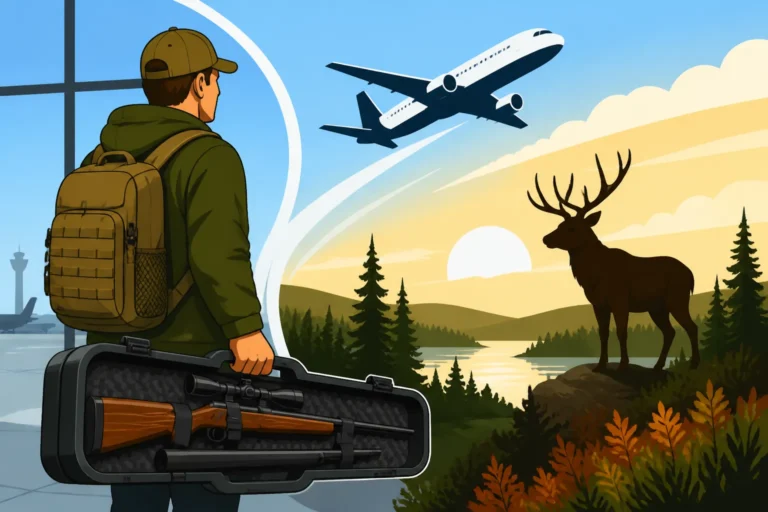
Perhaps the most critical misconception involves bringing firearms across the Canadian border. Many assume it's a simple declaration, or that their concealed carry permit from home applies. Neither is true. Canada has very different firearms laws than the United States, and strict protocols must be followed. You absolutely cannot bring prohibited firearms into the country, and restricted firearms (like certain handguns) require specific authorization and usually aren't permitted for hunting by non-residents.
For non-restricted firearms (like most common hunting rifles and shotguns), you must declare them at the border. You'll need to complete a Non-Resident Firearm Declaration Form, which essentially serves as a temporary licence for your firearm while in Canada. There's a fee associated with this, and it needs to be paid. Failure to declare can lead to serious legal consequences, including confiscation of your firearms and being denied entry into Canada. Always ensure your firearms are unloaded and stored securely as per Canadian regulations for transportation. Reading up on Bringing Firearms Into Ontario is not just recommended, it's essential.
Practicalities: Access, Guides, and the Ontario Landscape
Ontario is massive, and while it boasts an incredible amount of public land, how non-residents can access and utilize it sometimes differs from expectations. The role of guides, the logistics of getting to remote areas, and what to do with your game are all areas where misunderstandings often arise.
The Reality of Crown Land Access for Non-Residents
Ontario has an abundance of Crown Land – land owned by the provincial government and generally accessible to the public. Non-residents often hear about this vast wilderness and picture boundless, easy access everywhere. While it's true there's a lot of it, access isn't always straightforward. Many remote areas require significant effort to reach, often involving ATVs, boats, or even float planes. What's more, there are specific rules about camping on Crown Land for non-residents, often requiring a Crown Land Camping Permit if you plan to stay overnight.
It's also important to remember that Crown Land isn't always pristine wilderness. Some areas might have active logging, mining operations, or other industrial activities, impacting the hunting experience. Furthermore, while you can hunt on Crown Land, you're responsible for knowing the boundaries of the WMU you're hunting in, as well as any specific local restrictions. Tools like satellite imagery, and specific apps with Crown Land layers, can be invaluable for scouting. Don't assume all Crown Land is easily accessible or teeming with game right off the highway.
When a Guide is Truly Necessary (or Not)
Many non-residents arrive assuming they must hire a guide for any big game hunt in Ontario, or conversely, that they can easily DIY a hunt in remote areas. The reality is somewhere in the middle. For species like moose, as discussed, a non-resident essentially needs to book with an outfitter due to the tag allocation system. Black bear hunts often benefit immensely from a guide, especially if you're not experienced with baiting or don't have established bait sites.
However, for whitetail deer or small game, it's often entirely feasible for a non-resident to plan and execute a successful unguided hunt, provided they've done their homework on licensing, regulations, and scouting. Many non-residents successfully hunt deer on private land (with permission, of course) or accessible Crown Land. It really boils down to your experience, the species you're pursuing, and your comfort level in a new environment. For those looking for that full, immersive, and often logistically complex experience like a remote moose hunt, an outfitter provides invaluable expertise and handles many of the headaches. You can explore various guided options, perhaps through a platform like GoHunt, to see what kind of trips are offered.
Logistics of Travel, Meat, and Trophy Export
Another area of frequent oversight is the logistics after the hunt. You’ve successfully harvested an animal – congratulations! Now what? Many non-residents underestimate the challenge of meat care, especially in warmer early seasons. Ontario is a vast province, and finding a local butcher, especially near remote hunting camps, can be difficult or require significant travel. You need a plan for cooling, processing, and transporting your meat. Hanging Meat in Fall Temperature Swings is a real concern and vital to preventing spoilage.
Exporting your trophy (antlers, cape, or skull) and meat back to your home country also involves specific steps. You'll need an Export Permit from Ontario, which confirms you legally harvested the animal. Without it, you could face issues at the border. Customs officials on both sides are strict about wildlife products. Ensure all parts are properly cleaned and prepared to meet import requirements of your home country and any agricultural inspections. Don’t just show up at the border with a bloody hide and expect to sail through; plan ahead for proper preservation and documentation. Learning about Getting a Non-Resident Export Permit is a crucial step.
Game Species and Realistic Hunt Expectations
Ontario boasts incredible hunting opportunities, but non-residents sometimes come with expectations shaped by media, exaggerated stories, or experiences in other regions. Understanding the unique characteristics of Ontario's game and terrain is key to a satisfying hunt.
Understanding Population Densities and Trophy Potential
Many non-residents arrive in Ontario expecting massive deer herds like those found in some midwestern US states, or giant elk everywhere. While Ontario has healthy populations of many species, densities can vary wildly. Southern Ontario farmland can produce some truly impressive whitetails, but the deer density in much of the northern boreal forest is significantly lower. Moose, while present across vast areas, are not as numerous as in some parts of Alaska or Yukon.
Similarly, while trophy animals are certainly taken here, Ontario isn't necessarily known for consistently producing Boone & Crockett animals in every WMU. Our big deer often grow heavy bodies to handle our winters, and racks can be impressive, but consistent trophy potential depends on genetics, nutrition, and age class management – just like anywhere else. Do your research on specific WMUs and what they're known for. Don't come expecting to see a dozen mature bucks every day, especially on unguided hunts in vast wilderness areas.
The Unique Challenges of Hunting the Boreal Forest
A significant portion of Ontario's hunting country, particularly for moose and bear, is the dense boreal forest. This isn't your open western plains hunting, nor is it necessarily the managed timber blocks of some eastern states. It's often thick, challenging, and unforgiving terrain. Visibility can be limited, tracking can be difficult, and getting an animal out can be a monumental task.
Non-residents sometimes underestimate the physical demands of hunting in this environment. Long walks through uneven terrain, navigating swamps, and dealing with significant insect pressure (especially during spring bear season) are common. The sheer scale of the land and the often-sparse road networks mean that getting "turned around" is a real concern. Proper navigation skills, reliable gear, and a good understanding of bushcraft are essential if you're venturing out on your own. It's an incredible experience, but one that demands respect and thorough preparation.
What to Expect from a Guided Hunt Experience
If you opt for a guided hunt, which many non-residents do for species like moose and bear, it's important to have clear expectations. Most Ontario outfitters are professional and hardworking, but they operate within the realities of fair chase hunting. Expecting a "guaranteed" animal or a relaxed vacation where the guide does all the work can lead to disappointment. Most outfitters will tell you, Ontario Outfitters Who Guarantee Nothing – they promise effort and access to good areas, not a kill.
Communication with your outfitter beforehand is key. Discuss the style of hunting, the terrain, the typical weather, and what your responsibilities will be. Are you expected to sit on a bear bait for hours alone? Will you be doing extensive hiking for moose? Clarify what's included in your package versus what will be extra costs (licences, tips, meat processing, trophy handling). Understanding the daily routine and your role in the hunt will lead to a much more satisfying and realistic experience.
Here’s a quick overview of some common non-resident misconceptions versus the Ontario reality:
| Misconception | Ontario Reality (for Non-Residents) |
|---|---|
| Just buy a license when you arrive. | You need an Outdoors Card first, which requires proof of hunter education. |
| Can apply for a moose tag directly. | Moose tags are primarily allocated to licensed outfitters; you book through them. |
| Antlerless deer tags come with the main license. | Antlerless validations or controlled hunt draws are often separate applications, check WMU rules. |
| My home state's firearm laws apply. | Strict Canadian laws apply; you MUST declare firearms at the border with a special form and fee. |
| All Crown Land is easily accessible. | Much of it is remote, requires significant effort to access, and specific camping permits apply. |
| A guide guarantees a harvest. | Outfitters provide opportunity and expertise, but ethical fair chase hunting offers no guarantees. |
| Blaze orange is optional or just a small vest. | Specific, visible amounts of hunter orange are legally required during gun seasons. |
| Can leave treestands on Crown Land. | No permanent or abandoned structures (including treestands) are allowed on Crown Land. |
Disclaimer
This article is for general informational purposes only and does not constitute professional advice. Laws, prices and regulations vary by location and change over time. Consult a qualified professional for guidance on your specific situation.