What a Fly-In Camp Weight Limit Means
One of the biggest anxieties for hunters heading into Ontario's truly wild country, especially when you've booked a remote experience, is staring down the reality of a fly-in camp. You’ve dreamed of untouched wilderness, pristine lakes, and that trophy animal, but then the outfitter drops the bomb: "There's a strict weight limit." Suddenly, your meticulously planned gear list feels less like preparation and more like an impossible puzzle. This guide will walk you through exactly what those fly-in camp weight limits mean, why they're so crucial, and how you can manage your packing without sacrificing comfort or essential gear.
Understanding the Basics of Fly-In Weight Restrictions
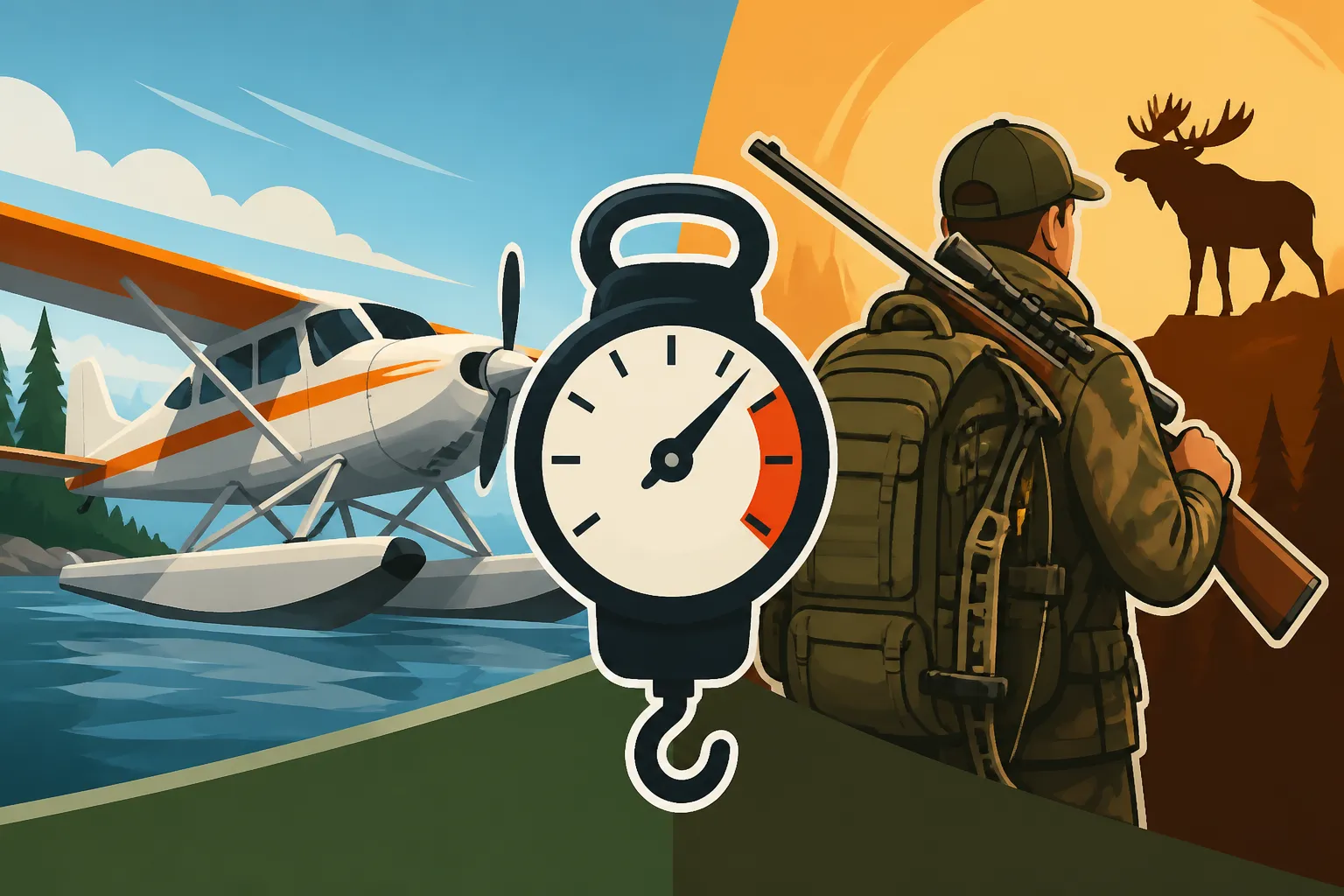
When you book a fly-in hunt or fishing trip in Ontario, you're not just booking a cabin; you're essentially chartering a small aircraft to take you and your gear into the remote wilderness. Unlike commercial flights that operate from massive hubs, these bush planes, often floatplanes or small wheeled aircraft, have very specific and non-negotiable weight and balance limitations. It’s not about being stingy; it’s about safety, physics, and the operational realities of flying into rugged, unimproved airstrips or remote lakes.
Why Weight Limits are Non-Negotiable
Imagine a small Cessna Caravan or a de Havilland Beaver, the workhorses of the northern bush. These aircraft are incredibly capable, but they have a finite amount of lift they can generate and a maximum weight they can safely carry into the air. This isn't just the weight of your bags; it's the weight of the aircraft itself, the pilot, the fuel, and everything you and your group bring. Overloading a plane, even slightly, can severely impact its performance, making it harder to take off, especially from short, rough strips or calm lakes, and difficult to control in adverse weather. It's a risk no reputable outfitter or pilot will ever take.
Think about it from a pilot's perspective: they are responsible for your lives and their aircraft. They calculate fuel based on distance, winds, and payload. More weight means more fuel burned, or less fuel carried, impacting range and reserve. They also factor in the density altitude – how air density changes with temperature and elevation, affecting engine performance. A hot day might mean an even tighter weight restriction. Trying to sneak an extra cooler or a heavier duffel past them isn't just rude; it's actively endangering everyone on board.
Typical Weight Limits and What They Include
While exact limits vary by aircraft type, outfitter policy, and even the distance of the flight, a common guideline you’ll encounter for floatplane or small bush plane operations in Ontario is often in the range of 50 to 75 pounds (about 23 to 34 kilograms) per person, including all your personal gear. This might seem shockingly low if you're used to checked baggage allowances on major airlines.
What does "all your personal gear" mean? It's literally everything: your hunting rifle or bow, your ammunition, your backpack, sleeping bag (if not provided), clothing, boots, rain gear, optics, camera, personal hygiene items, fishing rods, a small cooler, and any food or drinks you're personally bringing beyond what the outfitter provides. Some outfitters might separate certain items, like a rifle case, but often it's a hard total per passenger.
For instance, if you're a party of four, and the limit is 60 lbs per person, your total group allowance is 240 lbs. This is where group coordination becomes absolutely critical, because sometimes the outfitter will weigh the total load for the flight and allow for some flexibility within the group, as long as the overall maximum is met and the plane remains balanced. This is a good time to mention that platforms like BookYourHunt or GoHunt often have reviews or detailed outfitter descriptions where past clients share their experiences with weight limits, which can be invaluable for your planning.
Practical Strategies for Packing Light and Smart
Packing for a fly-in hunt is an art form. It's about ruthless efficiency and making every item earn its place in your bag. The goal is to maximize your comfort and readiness in the bush while staying well under the stated weight limit. This means prioritizing multi-functional items, durable but lightweight materials, and coordinated packing with your group.
The "Needs vs. Wants" Checklist
Before you even start pulling items out of your closet, sit down and create a comprehensive list. Then, go through it with a critical eye, asking yourself: "Do I need this to stay safe, warm, fed, and hunt effectively?" or "Is this a 'nice-to-have' luxury?"
Here's a breakdown of what typically falls into each category:
| Category | "Needs" (Prioritize) | "Wants" (Consider Cutting) |
|---|---|---|
| Clothing | Layering system (base, mid, outer), waterproof shell, extra socks, warm hat/gloves, sturdy boots | Multiple outfits, heavy cotton items, extra casual shoes |
| Hunting Gear | Rifle/bow, ammo (limited), essential optics (binos, rangefinder), knife, headlamp, calls, tags, first-aid kit | Heavy gun cases, multiple optics, large scent control sprays, extra calls |
| Camp Gear | Sleeping bag (if required, lightweight), personal hygiene (travel size), small towel | Heavy camp chairs, excessive reading material, large toiletries, multiple pillows |
| Food/Drink | Essential snacks, coffee/tea (if not provided), water bottle/filter | Canned goods, glass bottles, excessive sugary drinks, specialty cooking items |
| Miscellaneous | Valid licences, ID, medications, power bank, small repair kit | Heavy books, multiple electronic devices, non-essential gadgets |
For instance, that hefty wool blanket might be cozy, but a modern synthetic sleeping bag or a down quilt will offer similar warmth at a fraction of the weight and bulk. Think about quick-drying synthetic clothing instead of heavy cotton, which holds moisture and weight. Remember, items that work in diverse conditions are your best friends. What to Bring to an Ontario Bush Camp goes into even more detail on specific items.
Maximizing Space and Minimizing Weight
Beyond choosing the right items, how you pack them makes a huge difference.
- Duffels over Hard Cases: Unless absolutely necessary (like for a specific firearm or delicate optics), opt for soft-sided duffel bags or sturdy backpacks instead of rigid suitcases or heavy-duty hard cases. Soft bags can conform to odd spaces in the aircraft and often weigh less themselves. Just ensure they're durable enough for bush travel.
- Vacuum Seal or Compression Sacks: For bulky items like sleeping bags or extra clothing, compression sacks can work wonders, shrinking their volume. Just remember, they reduce volume, not weight, so you still need to be mindful of the scale.
- Share Group Items: This is perhaps the most impactful strategy. Does every person in your party need their own axe, first-aid kit, stove, or large pot? Absolutely not! Coordinate beforehand. One person brings the main first-aid kit, another brings the camp axe, a third brings the larger cooking pot, and so on. This distributed weight can free up significant allowance for individual necessities. When researching outfitters on a platform like GoHunt, look for notes on what standard camp gear they provide, as this can further reduce your packing list.
- Wear Your Heaviest Items: Your hiking boots, heavy hunting jacket, and even your thickest pants should be worn on the flight. This keeps them off the scale and helps warm you up for the typically chilly bush plane ride.
- Prioritize Multi-Use Gear: A good knife serves many purposes. Your headlamp is for camp, tracking, and emergencies. Your water bottle is for hydration and can be filled from a filtered source. Every item should ideally have at least two functions.
By being disciplined with your choices and packing methods, you can often fit everything you truly need within the limits. Remember, you're heading into the wild, not a fashion show or a gourmet retreat. Hunting an Ontario Bush Lot You Just Got will give you an idea of the kind of sparse, practical gear that is effective in the field.
Navigating the Realities of Exceeding the Limit
Despite your best efforts, you might find yourself slightly over the limit at the last minute. This is where understanding the potential consequences and having a plan B comes in. It’s never ideal, but being prepared for these scenarios can save you stress and money.
The Cost of Extra Weight
Outfitters and charter services are businesses, and their aircraft have operational costs, including fuel, maintenance, and pilot time. Every pound over the limit means more fuel burn, more wear and tear, and potentially a less efficient flight. Therefore, they often have a policy for excess baggage.
- Per-Pound Surcharge: The most common approach is a per-pound or per-kilogram surcharge. This can add up quickly. If you're 20 pounds over and the charge is a few dollars per pound, that's a significant unexpected expense.
- Second Flight or Delayed Gear: For larger groups or significant overages, the pilot might insist on two separate flights or delaying some of your gear to a later flight if there's an opportunity. This can be a huge inconvenience, eating into your valuable hunting time. Imagine landing at camp only to find out your rifle or crucial clothing won't arrive until the next day, or worse, not at all during your trip.
- Leaving Items Behind: In extreme cases, or if you refuse to pay a surcharge, the pilot has the absolute right to refuse to fly certain items. This means you might have to leave valuable gear, food, or even personal items behind at the base, potentially for weeks, or find a way to ship them home. This is a frustrating scenario that can be entirely avoided with proper planning.
It's crucial to clarify these policies with your outfitter well in advance. Don't assume anything. A good outfitter, especially those listed on reputable sites like BookYourHunt, will have these details readily available.
Safety First: Pilot's Discretion and Your Responsibility
Ultimately, the pilot has the final say. Their primary concern is safety, and they are trained to make critical decisions about aircraft loading and balance. If they deem a load unsafe, they will not fly it. Period. Arguing or complaining won't change this, and it only adds stress to an already time-sensitive operation. Respect their decision; they are the experts in aviation.
Your responsibility as a hunter is to come prepared and adhere to the guidelines. Think of it as part of the challenge and adventure of hunting in remote Ontario. It forces you to be resourceful and minimalist, qualities that often serve you well in the bush anyway. Understanding these strictures can also help you appreciate the logistics of Flying Into a Remote Ontario Camp and the incredible service these pilots provide.
Beyond the Scale: Communication and Planning with Your Outfitter
While individual packing is key, the real secret to a smooth fly-in experience is proactive communication and collaboration, both with your hunting partners and, most importantly, with your outfitter. They are a wealth of knowledge and can help you avoid common pitfalls.
What Your Outfitter Can Tell You
Before you even start packing, talk to your outfitter. This isn't just a courtesy; it's essential for a successful trip.
- Specific Weight Limits: Ask for the exact weight limit per person or per group for your specific flight. Confirm if it includes your firearm, bow, and ammo, or if those are handled separately.
- Provided Gear: Inquire about what gear is already at the camp. Do they provide sleeping bags, pillows, cooking utensils, propane, lanterns, or even basic dry food supplies? Many remote camps, especially those offering a housekeeping package, will have a good amount of basic equipment, which can dramatically reduce what you need to bring. This is a critical point that can influence your personal gear strategy.
- Food Strategy: Discuss food. Are you bringing all your own? Is the outfitter supplying a food package? If you are bringing your own, plan for lightweight, high-calorie, dehydrated meals where possible. Freeze-dried backpacking meals are excellent for this. Liquids, especially soda and beer, are heavy, so consider powdered drink mixes or saving those treats for after the hunt.
- Trophy and Meat Transport: This is a big one. What happens after you get your animal? A quartered moose or bear hide can weigh a significant amount. Ask your outfitter about their policies for flying out game meat and trophies. Often, this requires a separate, dedicated flight, or a surcharge, because it's additional weight on the return trip. The cost of Getting Meat Processed in Ontario or Taking a Trophy Across the Border will also factor into your budget. This post-harvest weight is often not included in your initial "personal gear" allowance.
A good outfitter wants you to have a great trip, and they've dealt with these questions countless times. They can offer invaluable advice based on their specific camp and aircraft.
Coordinating with Your Hunting Party
As mentioned earlier, group coordination is paramount. Before you even leave home, have a group discussion.
- Shared Gear Allocation: Create a shared gear list. Assign who brings what to avoid duplication and distribute weight. For example, one person brings the first-aid kit, another the satellite communication device (like a Garmin inReach or a SPOT device), another the camp saw, etc. This is especially useful for Hunting an Ontario Bush Edge where communal tools can be a lifesaver.
- Consolidate Where Possible: Can one person bring the cooler (empty, of course, for the flight in, and then filled with ice for the way out for meat) while others carry lighter, softer bags? Can you share a larger bottle of bug spray instead of everyone bringing their own?
- Practice Weigh-In: If possible, do a practice weigh-in of your combined gear before you even leave home. This gives you time to make adjustments without the pressure of being at the air base.
By working together, your group can collectively manage the weight challenge much more effectively, ensuring everyone has what they need without incurring extra costs or leaving essential items behind. Understanding things like How Many Hunters an Outfitter Can Take can also provide context for group dynamics and shared resource planning.
Conclusion
Fly-in camp weight limits in Ontario aren't arbitrary rules designed to make your life harder; they are a fundamental aspect of aviation safety and logistics when venturing into the remote wilderness. By understanding why these limits exist, being ruthless in your packing decisions, prioritizing essential and multi-functional gear, and communicating effectively with your outfitter and hunting partners, you can easily navigate these restrictions. It's all part of the unique adventure of hunting in Ontario's vast and wild north. Embrace the challenge, pack smart, and get ready for an unforgettable experience in some of the most beautiful hunting country out there.
Disclaimer
This article is for general informational purposes only and does not constitute professional advice. Laws, prices and regulations vary by location and change over time. Consult a qualified professional for guidance on your specific situation.