Which Ontario WMUs See Least Pressure
You've spent hours scouting, poured over maps, and driven countless kilometres, only to arrive at your chosen hunting spot on opening morning to find trucks already lined up along the road, their occupants already stomping into the bush. It's a frustrating reality for many Ontario hunters: finding a piece of ground that truly feels wild and unpressured can seem like an impossible dream, especially in easily accessible areas. This guide is here to help you understand what defines hunting pressure in Ontario's Wildlife Management Units (WMUs) and, more importantly, how to identify and access those precious, less-pressured areas for a more rewarding hunt.
Understanding Hunting Pressure in Ontario WMUs
Hunting pressure isn't just about the number of hunters you see; it's a complex interplay of factors that influences game behaviour, habitat use, and ultimately, your success and enjoyment in the field. When a WMU or a specific area within it sees a lot of human activity during hunting season, it creates a ripple effect that can make hunting significantly more challenging.
What Defines a High-Pressure WMU?
Typically, high-pressure WMUs are those that are easily accessible, close to major population centres, and offer seemingly good opportunities for various game species. Think about WMUs within a reasonable drive of Toronto, Ottawa, or even smaller cities like Barrie or Peterborough. These areas often have a mix of private land and smaller, fragmented blocks of Crown land or conservation areas that are well-known. Hunters flock to them because they're convenient, requiring less travel and often less rugged equipment. The result is that deer, moose, bear, and even upland birds become more wary, nocturnal, and adept at avoiding human contact. They learn quickly, changing their bedding areas, feeding patterns, and travel routes to minimize encounters with hunters. This means that a buck you scouted regularly in September might vanish entirely come opening day simply because of the sudden influx of human scent and noise.
Another factor contributing to high pressure is the type of game and tags available. WMUs with high success rates for deer or those known for producing big bucks will naturally draw more attention. If a WMU offers over-the-counter tags for a desirable species, you can bet it will see more hunters than one requiring a difficult draw. This constant human presence can make game incredibly skittish, forcing you to adjust your tactics and often work much harder for a chance at a shot. It’s a frustrating cycle where more hunters lead to more educated game, which in turn demands even more from the hunter.
The Impact of Pressure on Game Behaviour
Imagine being constantly pursued. That's essentially what high hunting pressure feels like to wildlife. Deer, for example, will become predominantly nocturnal, moving only under the cover of darkness. They'll bed in the thickest, nastiest cover they can find, often areas hunters are less willing to penetrate due to their difficulty. Their travel routes will shift away from obvious trails and towards less-used, more concealed paths. Similarly, moose might retreat deeper into vast wilderness areas, becoming much harder to locate and call. Even black bears, usually bold, will become much more cautious around baits or known food sources.
This change in behaviour isn't just a slight adjustment; it's a fundamental shift. A study might show a high deer density in a particular WMU, but if the pressure is intense, those deer are almost invisible during daylight hours. This is why you can hunt an area with seemingly abundant game sign but still struggle to lay eyes on an animal during legal shooting hours. The game adapts, and as hunters, we must either adapt with them or seek out areas where they haven't been forced to change their natural patterns so drastically. Understanding this dynamic is the first step toward finding less-pressured hunting experiences.
Identifying Less-Pressured WMUs: Key Indicators
Finding those hidden gems in Ontario where hunting pressure is noticeably lighter often boils down to a few key indicators. These aren't always hard and fast rules, but they provide excellent starting points for your research and scouting.
Geographic Isolation and Accessibility Challenges
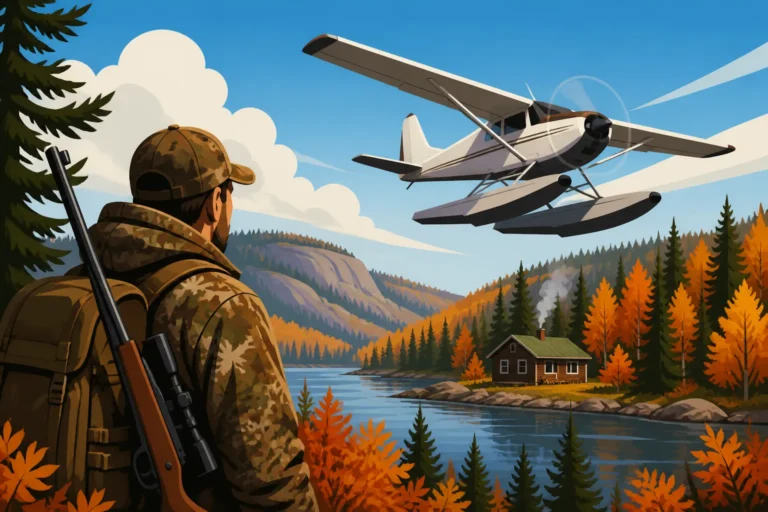
The most obvious indicator of lower hunting pressure is simply how difficult an area is to get to. Remote WMUs, especially in Northern Ontario, often see far fewer hunters than their southern counterparts. Think about the vastness of the Canadian Shield, the dense boreal forest, or areas that require long drives down logging roads, boat access, or even a float plane. The further you have to travel from a major highway, the fewer other hunters you're likely to encounter.
WMUs that have limited road access, or roads that are not maintained for conventional vehicles, naturally filter out a lot of potential hunters. A rugged gravel road that requires a truck with good clearance, or even an ATV or side-by-side to navigate, can be a major deterrent. Even better are areas that demand you leave your vehicle altogether and hike in several kilometres, or paddle a canoe across a lake to reach your hunting grounds. The simple truth is, most hunters prefer convenience. If an area demands more effort, more specialized gear, and more time, it will inherently see less pressure. This often means looking at WMUs that border wilderness parks or are simply so vast and undeveloped that covering them thoroughly is a significant undertaking.
Low Population Density and Fewer Local Hunters
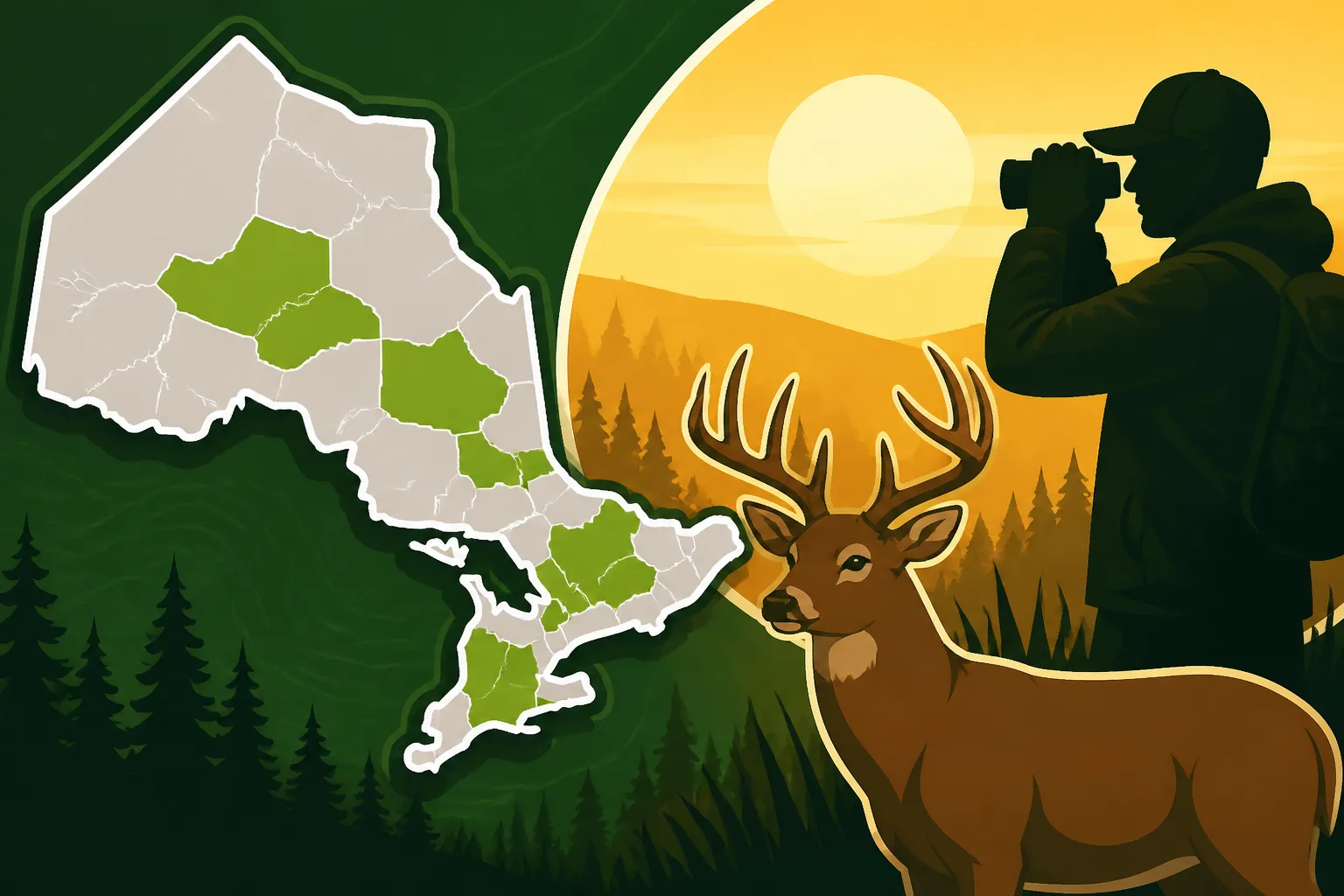
It sounds straightforward, but WMUs located far from population centres naturally have fewer local hunters. While out-of-towners do travel, a strong local hunting contingent can put considerable pressure on a WMU, especially during peak seasons. Look at a map of Ontario and consider the density of towns and cities. WMUs surrounded by vast stretches of undeveloped land, with only small, scattered communities, tend to see lighter pressure.
These areas often have fewer camps, less established trail networks, and simply more room for game to roam undisturbed. When there are fewer people living in and around a WMU, there are fewer boots on the ground, fewer ATVs rumbling through the bush, and generally a more relaxed atmosphere for wildlife. While these areas might require more self-sufficiency and planning, the reward can be an experience where game behaves more naturally, offering better opportunities for observation and engagement. This is especially true for species like moose or black bear, where undisturbed behaviour is crucial for successful hunting. Hunting Moose in Ontario's Boreal Forest or Black Bear Hunting in Ontario often means seeking out these types of remote, low-density areas.
Abundance of Crown Land and Specific Habitat Types
Ontario is blessed with vast tracts of Crown land, particularly in the northern and central regions. WMUs with a high percentage of Crown land generally offer more opportunities for hunters to spread out and find solitude. While not all Crown land is equally unpressured, large, contiguous blocks tend to dilute hunter numbers. Contrast this with WMUs dominated by private farmland, where access is often limited and concentrated to specific landowners, leading to intense pressure on the accessible patches.
Beyond just the quantity of Crown land, consider the quality and type of habitat. Areas with dense, challenging terrain like thick cedar swamps, rugged rock ridges, or extensive cutovers that are difficult to navigate on foot, will often deter casual hunters. While these areas might be tough to hunt, they also serve as natural sanctuaries for game, offering them refuge from pressure. For example, Hunting an Ontario Bush Edge adjacent to these challenging habitats can be very productive. Additionally, WMUs known for game species that require specific, less accessible habitats (like deep bush for moose, or extensive wetlands for certain waterfowl) might see specialized hunters but overall lower general pressure. Using tools like onX Hunt or GoHunt can be invaluable here, as they allow you to overlay Crown land boundaries and terrain features, helping you pinpoint these overlooked pockets.
Strategies for Finding Low-Pressure Areas Within Any WMU
Even in WMUs that are generally considered popular, it's often possible to find pockets of lower pressure if you're willing to put in the work and think outside the box. It's not always about finding an entirely deserted WMU, but rather about discovering the spots within any given WMU that other hunters overlook.
Going Deeper: Walking Further Than Others
This is perhaps the simplest, yet most effective strategy: walk further. Most hunters, understandably, don't want to venture too far from their vehicle. The majority of hunting pressure tends to be concentrated within a kilometre or two of access points like bush roads, parking areas, or obvious trails. If you're willing to strap on a comfortable pack, carry enough water, and push past that initial high-pressure zone, you'll often find a dramatic drop in human activity.
This means literally putting boots on the ground and covering more distance. Use a reliable GPS device or a mapping app like onX Hunt to track your route and ensure you can navigate back safely. Look for areas that require a good 30-60 minute hike (or longer!) to reach. This effort weeds out a significant percentage of other hunters, leaving you with more undisturbed game. You might be surprised at the difference just an extra kilometre or two can make. Game animals, especially mature ones, quickly learn where the "safe zones" are – and those are usually just beyond where most hunters are willing to go. Consider that How Far to Walk From a Bush Road can directly correlate with the quality of your hunt.
Utilizing Water Access and Remote Camps
Another fantastic way to escape pressure is by using water to your advantage. Lakes, rivers, and even large beaver ponds can act as natural barriers, funneling game and deterring many hunters. If a WMU has significant waterways, consider areas accessible only by canoe, kayak, or boat. A canoe-in hunt, even just a few kilometres from a launch point, can transport you to an entirely different hunting experience.
Setting up a remote camp that requires boat access means you're already operating in a less-pressured environment. Not only are you accessing areas others can't or won't, but you're also staying in the field longer, allowing you to hunt during prime times without the daily commute. Imagine paddling into a secluded bay on a northern lake, setting up a tent, and having miles of pristine bush all to yourself. This isn't just about reducing pressure; it's about immersing yourself in the wilderness, which is often a huge part of why we hunt in the first place. For this, Canoe-In Hunting on Ontario Crown Land can be an unparalleled experience.
Leveraging Mapping Software and Satellite Imagery
In this modern age, technology is your best friend when it comes to finding low-pressure areas. Digital mapping platforms like onX Hunt or those you might access through GoHunt have revolutionized how hunters scout and plan. These tools allow you to study satellite imagery, topo maps, and land ownership layers from the comfort of your home. You can identify vast blocks of Crown land, pinpoint difficult terrain features, and even visualize potential travel corridors that avoid existing trails or roads.
Look for areas on the map that show heavy timber, swamps, steep inclines, or areas cut off by unbridged creeks – basically, anything that would make human travel difficult. These are often the places deer and other game will retreat to when pressure mounts. You can also identify old logging cuts that have grown in, creating dense cover that’s hard to walk through but perfect for bedding. By combining these digital tools with a thorough understanding of game behaviour, you can identify promising "safe zones" before you even set foot in the bush, saving you valuable time and effort in your on-the-ground scouting. Scouting With Satellite Imagery in Ontario is no longer a luxury, but a vital part of finding unpressured ground.
Balancing Accessibility with Seclusion
The quest for low-pressure WMUs or hunting spots isn't always about finding the most remote, difficult-to-reach wilderness. Sometimes, it's about smart strategy and understanding the subtle nuances of human behaviour within more accessible areas. It's a balance between how much effort you're willing to expend and the level of solitude and natural game behaviour you hope to encounter.
The Reality of Northern vs. Southern Ontario WMUs
Let's be real: the sheer scale of northern Ontario naturally lends itself to lower hunting pressure over vast areas compared to the relatively developed south. WMUs in the far north, like those around Thunder Bay, Kenora, or Cochrane, offer immense tracts of boreal forest and Canadian Shield country. Here, simply due to the vastness and sparse human population, you are more likely to find true solitude and game that hasn't seen endless parades of hunters. These areas often require longer travel times, more robust vehicle preparation, and a higher degree of self-sufficiency. You might not see a ton of deer, but the opportunities for moose and bear, on their own terms, can be exceptional.
Southern Ontario WMUs, on the other hand, are typically a mosaic of private farmland, woodlots, and smaller, often fragmented blocks of Crown land or conservation areas. Pressure here is generally higher due to the proximity to large urban centres. However, this doesn't mean all southern WMUs are a bust. The trick is to find those overlooked pockets: a dense cedar swamp on the edge of a farm field, a small bush lot that's difficult to access, or land that's been historically "missed" by other hunters. It requires more granular scouting and often necessitates securing private land permission, which itself can reduce pressure if you're the only one with access. Hunting Deer in Southern Ontario Farmland is a different game, but rewarding for those who learn to play it.
The Trade-offs of Hunting Unpressured Ground
While the allure of unpressured hunting is strong, it's important to understand the trade-offs. Fewer hunters often means more challenging logistics. You might be dealing with longer drives, poorer roads, no cell service, and being truly alone in the wilderness. This demands a higher level of preparedness: better navigation skills, a comprehensive emergency kit, robust vehicle maintenance, and the ability to handle a harvested animal in potentially remote conditions. Meat care in warm early seasons, for instance, becomes a critical concern.
Furthermore, lower pressure doesn't always translate to easier hunting. Remote areas might have lower game densities overall, meaning you have to cover more ground to find animals. The terrain can be tougher, the weather more unpredictable, and the sheer effort required to get an animal out of the bush significantly greater. However, for many, these challenges are precisely what makes the hunt so rewarding. The quality of the experience – the peace, the solitude, the feeling of truly being in the wild – often outweighs the increased effort. It's about finding that sweet spot where the challenge meets the reward, giving you an unforgettable Ontario hunting adventure.
| Factor | High-Pressure WMU | Low-Pressure WMU |
|---|---|---|
| Accessibility | Easy road access, close to highways | Remote, poor roads, boat/hike-in often required |
| Proximity to Cities | Within 1-2 hour drive of major urban centres | Far from major population areas |
| Crown Land % | Lower percentage, fragmented blocks | High percentage, large contiguous blocks |
| Hunter Density | Many vehicles at access points, frequent encounters | Few vehicles, rare hunter sightings |
| Game Behaviour | Nocturnal, skittish, uses dense cover | More active during daylight, less wary |
| Scouting Effort | Requires detailed on-the-ground scouting to find overlooked spots | Often more about locating game in vast areas |
| Logistics | Simpler, close to amenities | More complex, self-sufficiency is key |
| Hunting Experience | Often challenging due to educated game, less solitude | More natural game behaviour, high solitude |
Tips for Maximizing Seclusion in Any WMU
Even if you can't head to the furthest reaches of the province, there are still ways to minimize pressure. Firstly, hunt during weekdays rather than weekends. Most hunters hit the bush on Saturday and Sunday, so a mid-week hunt can feel like a totally different experience. Secondly, consider hunting later in the season. As the season progresses, many hunters fill their tags or simply lose interest, leaving more ground open. Hunting Ontario Late When Snow Piles Up can be incredibly productive, as game movement is more predictable and hunter numbers dwindle.
Finally, master your map reading and Reading an Ontario WMU Map Before You Go. Spend time looking at topography, identifying natural barriers like rivers or steep hills, and locating pockets of thick cover that are difficult to access. These are the places other hunters will avoid, and where you'll find game seeking refuge. Sometimes, the least pressured spots are literally right under everyone's noses, just a bit deeper in the bush or on the other side of an obstacle that seems too inconvenient to cross. The effort you put into finding these spots is often directly proportional to the quality of your hunting experience.
Disclaimer
This article is for general informational purposes only and does not constitute professional advice. Laws, prices and regulations vary by location and change over time. Consult a qualified professional for guidance on your specific situation.