What to Do If You Get Turned Around
Even seasoned Ontario hunters can lose the trail when every tree looks alike; planning ahead and clear steps once disoriented help ensure a safe return.
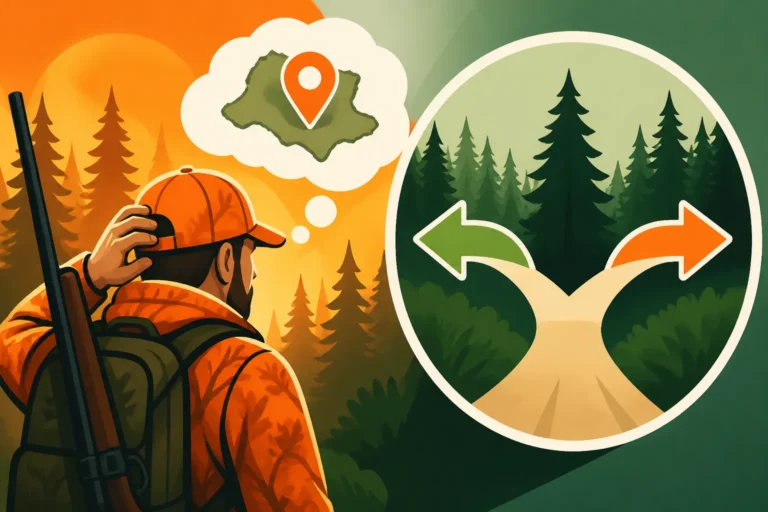
Even seasoned Ontario hunters can lose the trail when every tree looks alike; planning ahead and clear steps once disoriented help ensure a safe return.
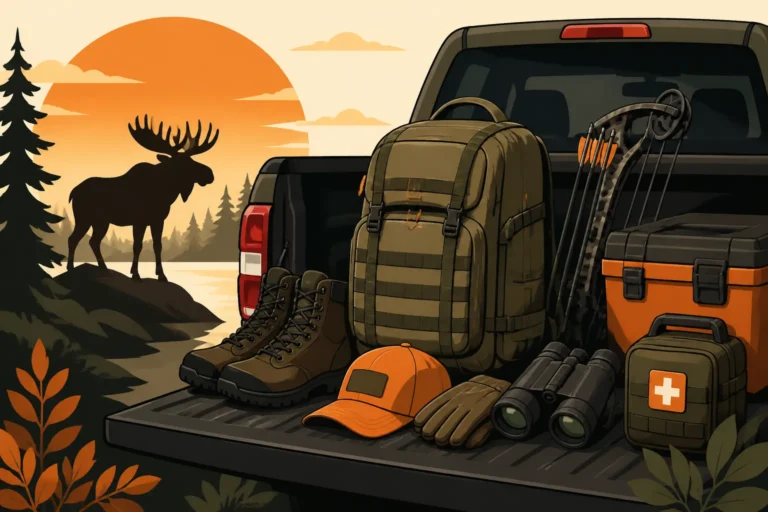
Truck kit preparation for Northern Ontario hunts explains safety gear, communication devices, navigation tools, and first aid.
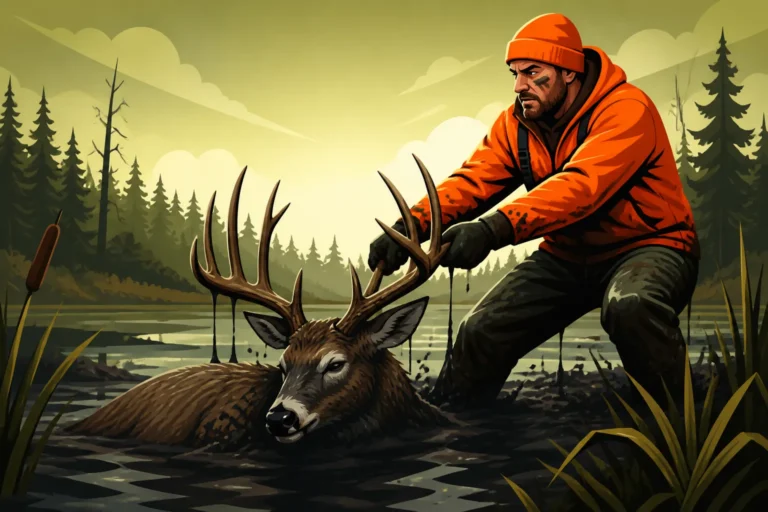
Ontario whitetail deer recovery strategies help hunters navigate swamps and bogs using chest waders and GPS tools to reach solid ground.
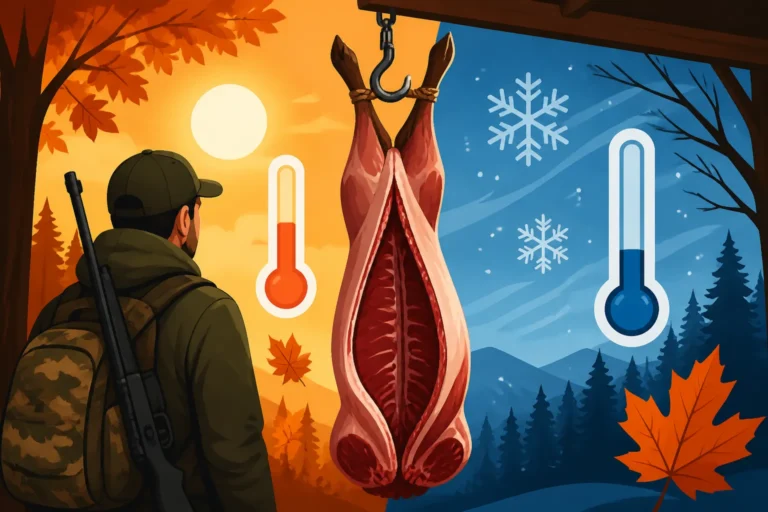
Ontario autumn temperature swings create game meat bacteria risks, requiring rapid cooling below 4°C to prevent spoilage.
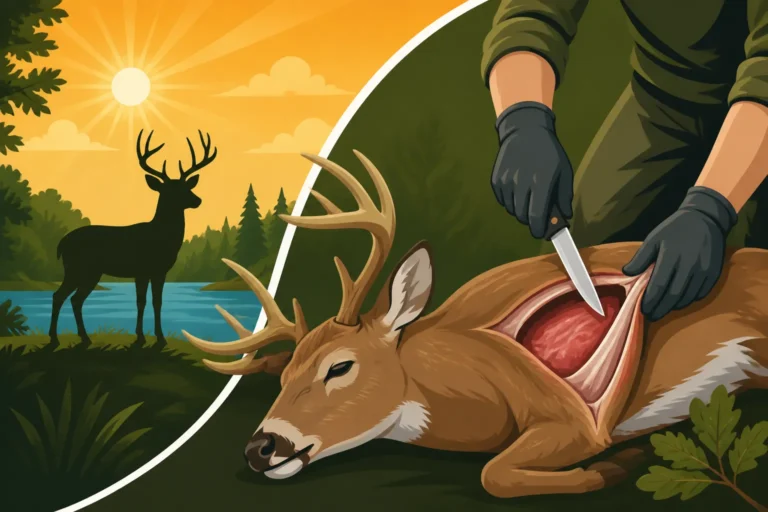
Field dressing techniques for Ontario hunts in warm weather explain how to cool large game quickly to prevent meat spoilage.
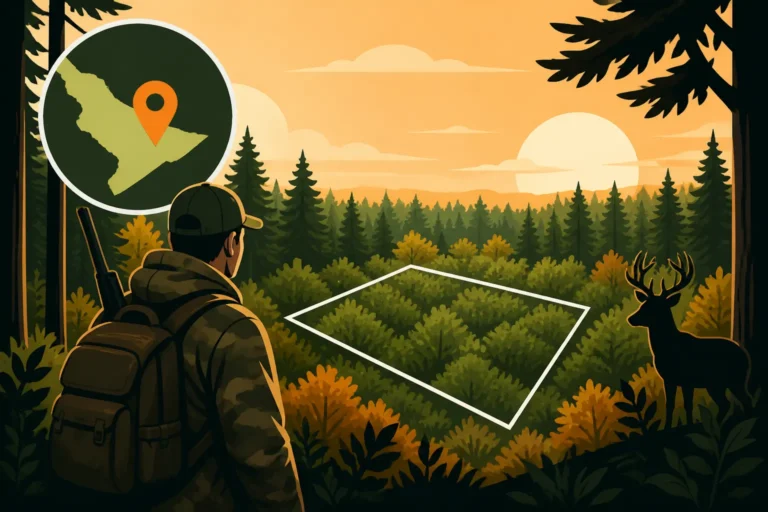
New Ontario bush lots require boundary marking and topographical assessments to find animal travel corridors and bedding areas.
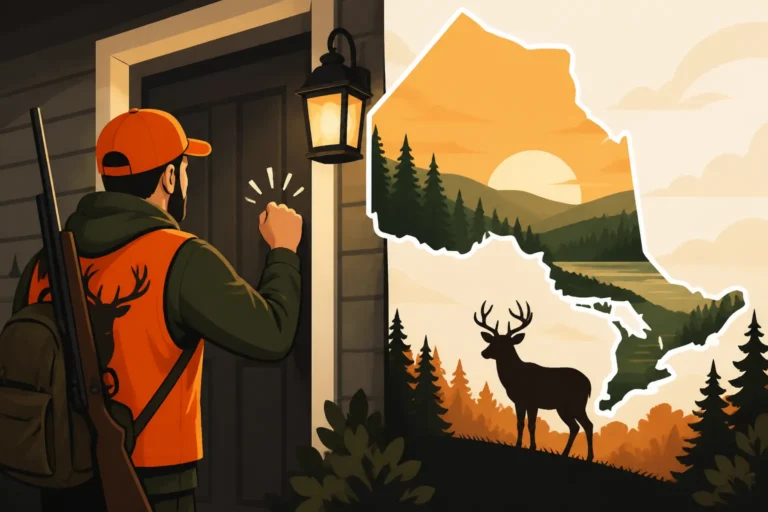
Southern Ontario hunting access on private property is secured by knocking on doors and building landowner relationships.
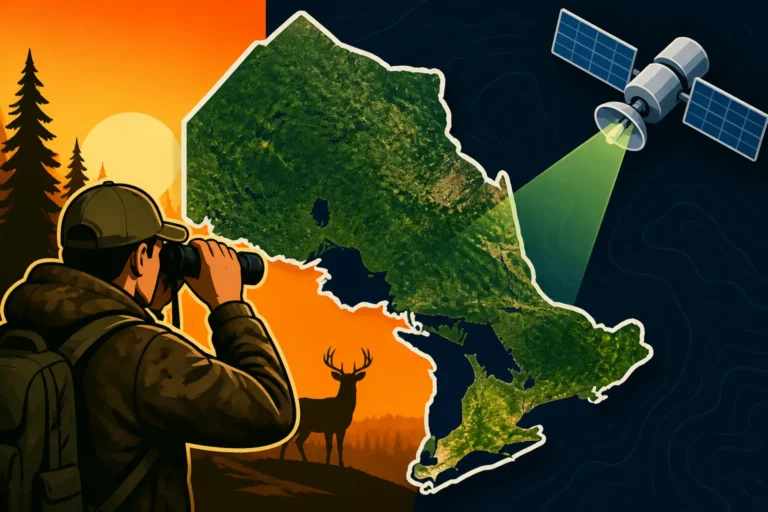
Satellite imagery helps hunters locate Ontario game corridors, water sources, and terrain features before scouting on foot.
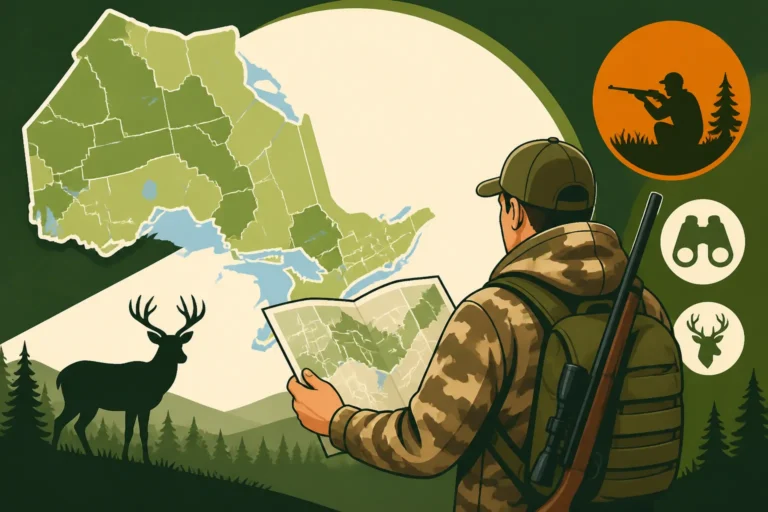
Ontario Wildlife Management Unit maps help hunters identify regional boundaries, land ownership, and specific game regulations.
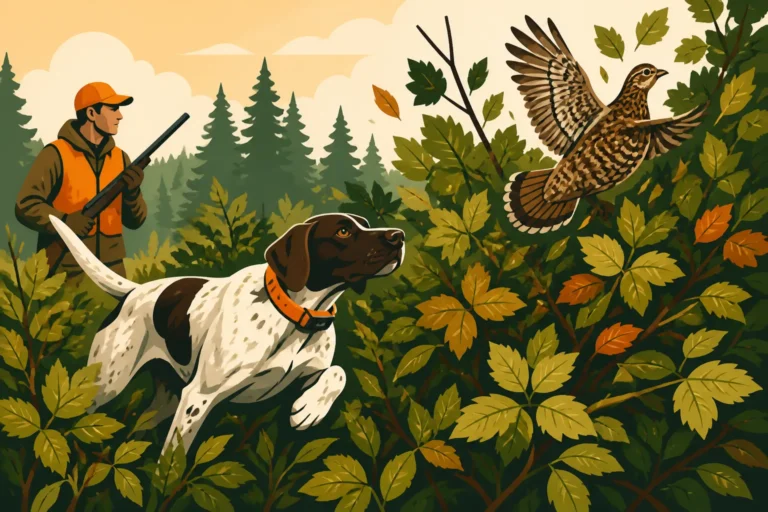
Flushing dogs help upland bird hunters navigate dense Ontario bush, forcing running ruffed grouse and woodcock into flight for better shots.