Why Ontario Has So Many Coyotes
Ontario coyote populations thrive due to exceptional adaptability, expanding human settlement, and rapid biological recovery after hunting pressures.
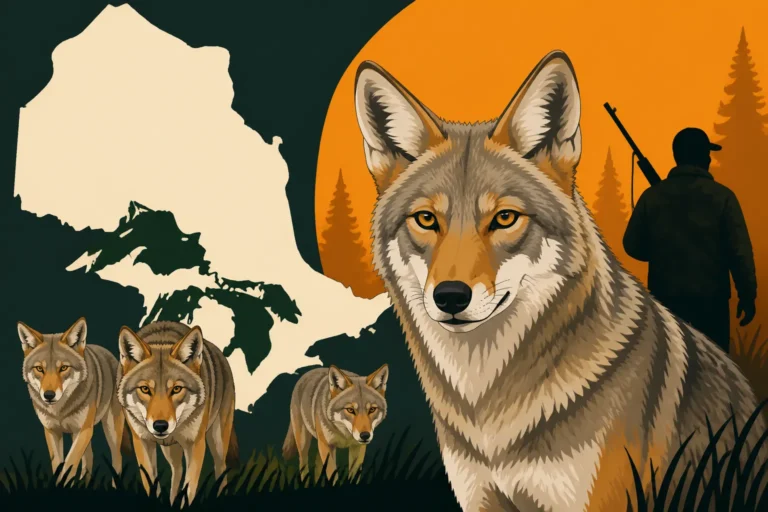
Ontario coyote populations thrive due to exceptional adaptability, expanding human settlement, and rapid biological recovery after hunting pressures.
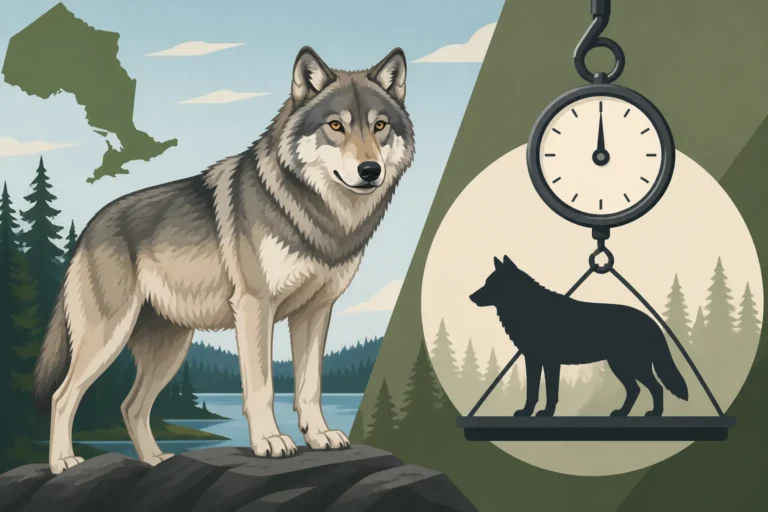
Ontario wolf weight ranges, covering smaller Eastern wolves in Algonquin and larger Northwestern wolves in boreal forests.
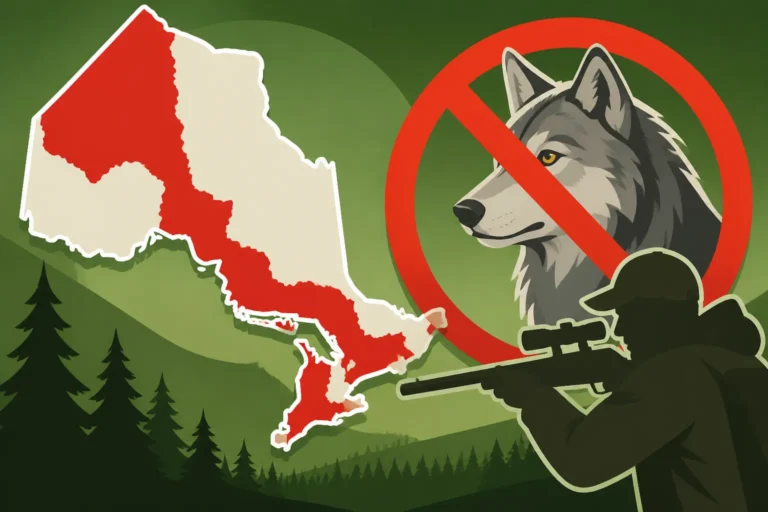
Wolf hunting closures in Ontario protect the genetically distinct Algonquin wolf and support regional wildlife management goals.
The Algonquin wolf hybrid possesses unique genetics, intermediate physical traits, and specific habitat preferences across Ontario forests.
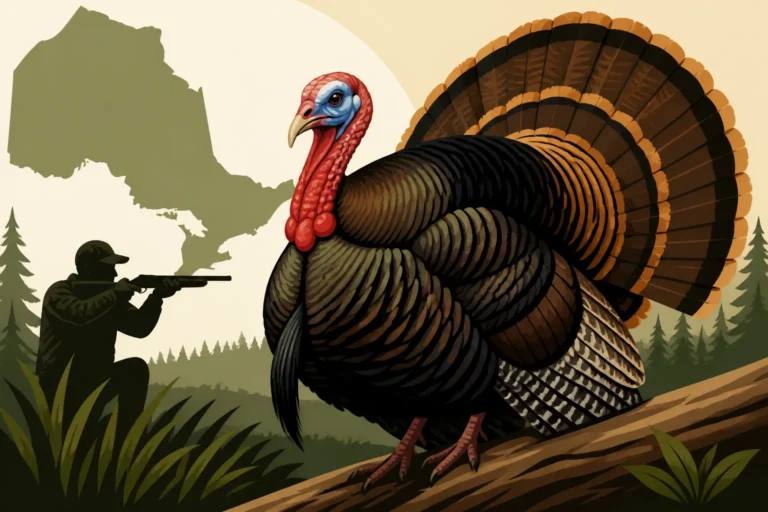
Ontario wild turkey scoring uses National Wild Turkey Federation standards measuring weight, beard length, and spur length.
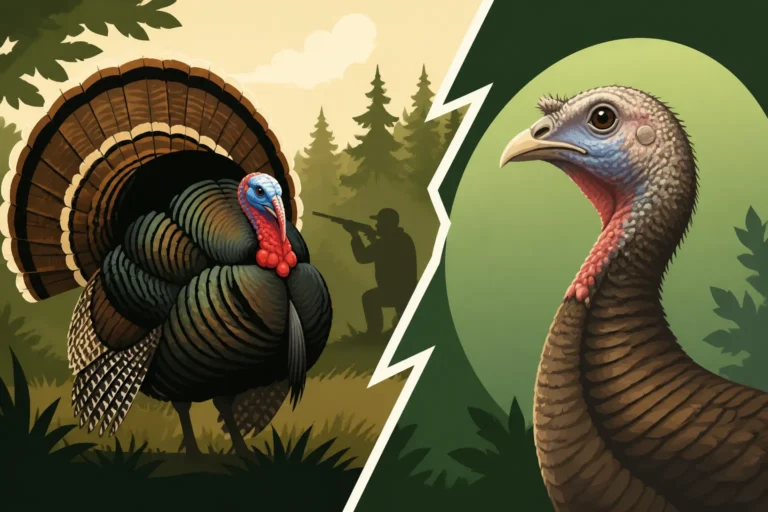
Ontario spring turkey hunters learn physical hallmarks to distinguish young jakes from mature longbeards before shooting.
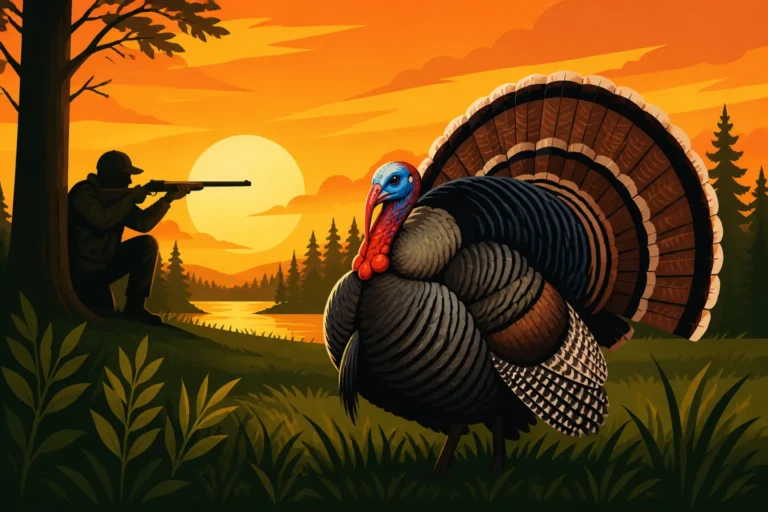
Ontario wild turkey strutting behaviour peaks in spring as lengthening daylight and hormonal changes drive males to seek mates.
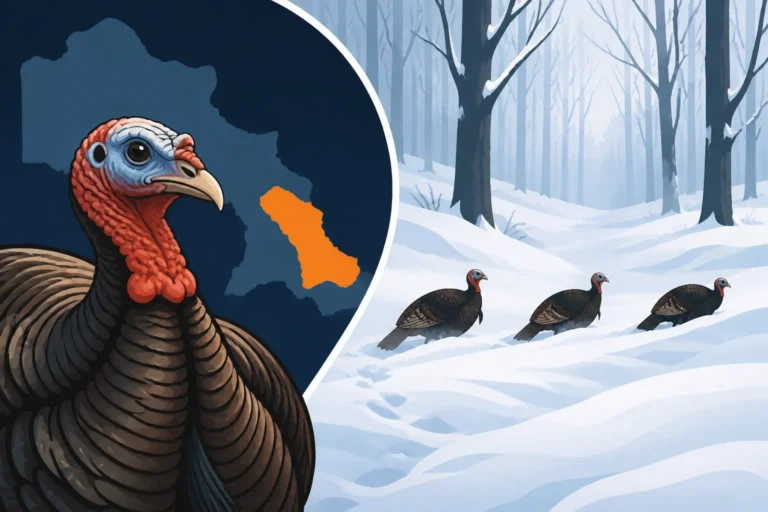
Deep snow restricts wild turkey range in Ontario by draining energy, impairing movement, and blocking access to vital food.
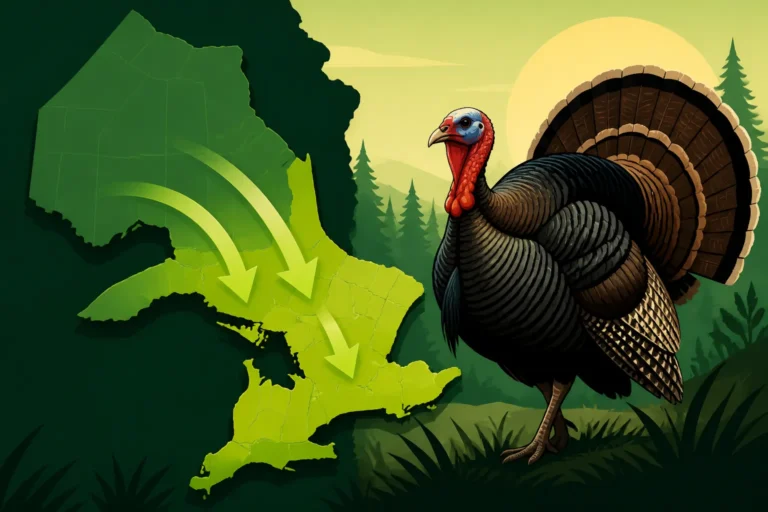
Wild turkey populations in Ontario are expanding through a slow colonization process driven by habitat suitability and conservation efforts.
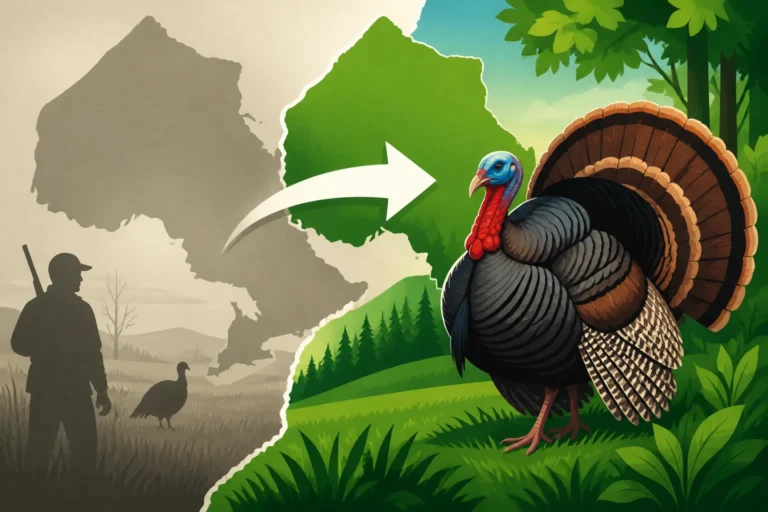
Wild turkeys vanished from Ontario due to habitat destruction and unregulated hunting before conservation efforts restored them.