How Beaver Ponds Concentrate Game
Beaver pond ecosystems in Ontario attract deer and moose by creating diverse wetlands with abundant food sources, water, and cover.
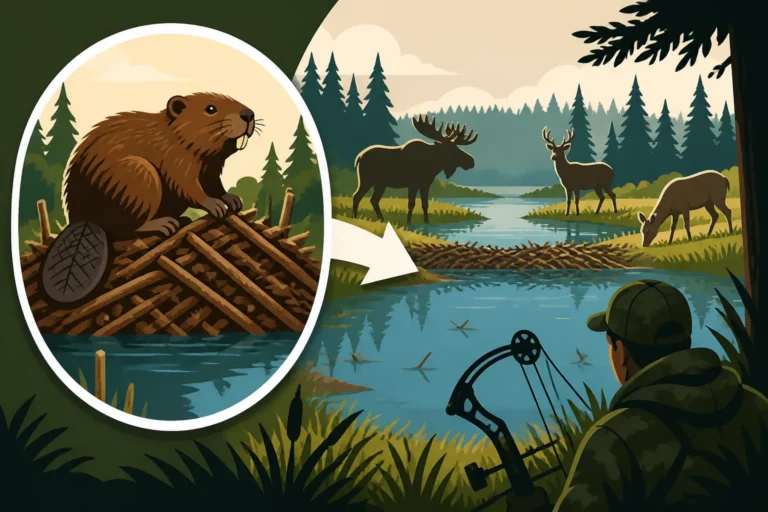
Beaver pond ecosystems in Ontario attract deer and moose by creating diverse wetlands with abundant food sources, water, and cover.
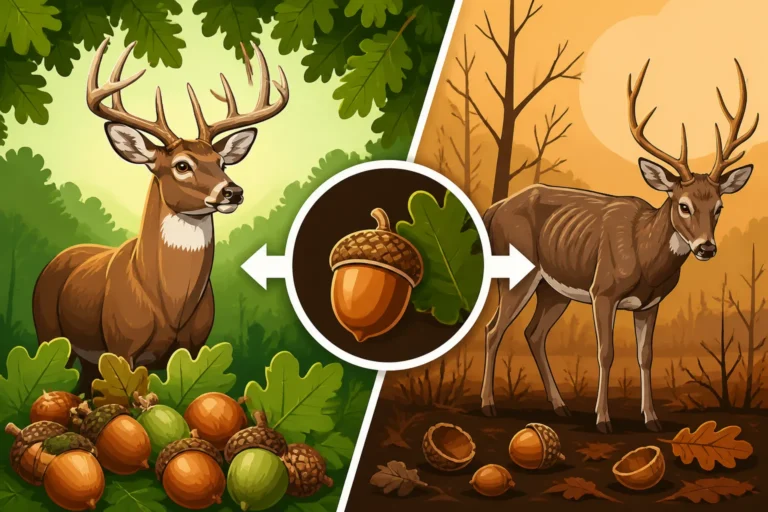
Ontario acorn crops alter whitetail deer patterns, driving their feeding behavior and movement changes through the fall season.
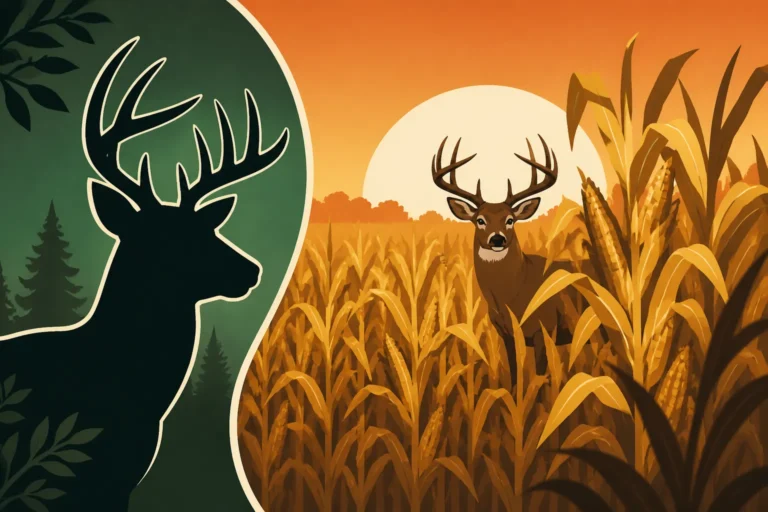
Standing cornfields in southern Ontario provide white-tailed deer with seasonal food, security cover, and vital thermal protection.
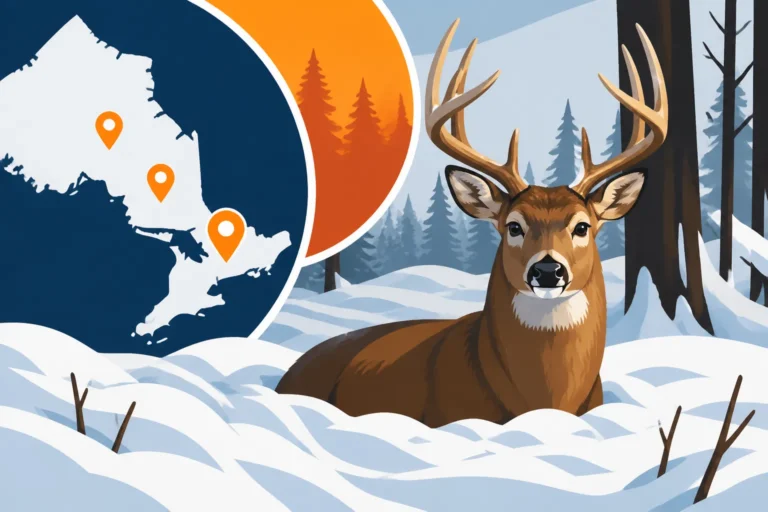
Ontario winter deer yards provide dense coniferous cover and cedar browse, helping whitetail deer survive deep snow and predators.
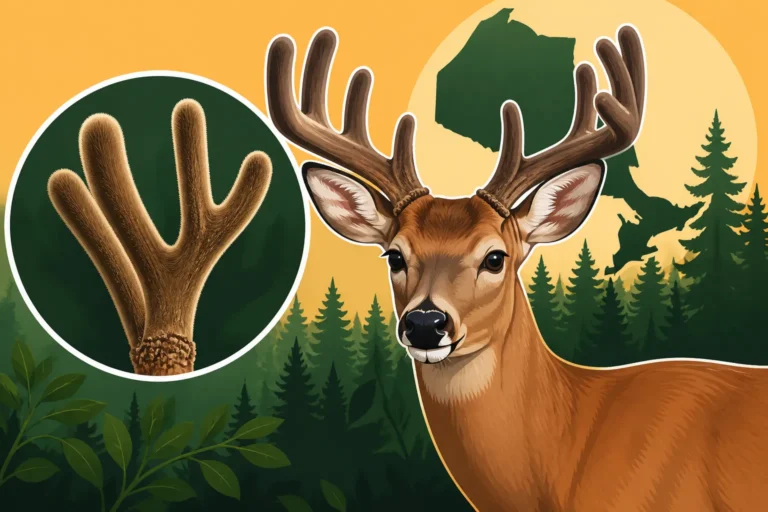
Ontario hunters tracking August velvet bucks can assess near mature antler growth and plan effective scouting before the rut.
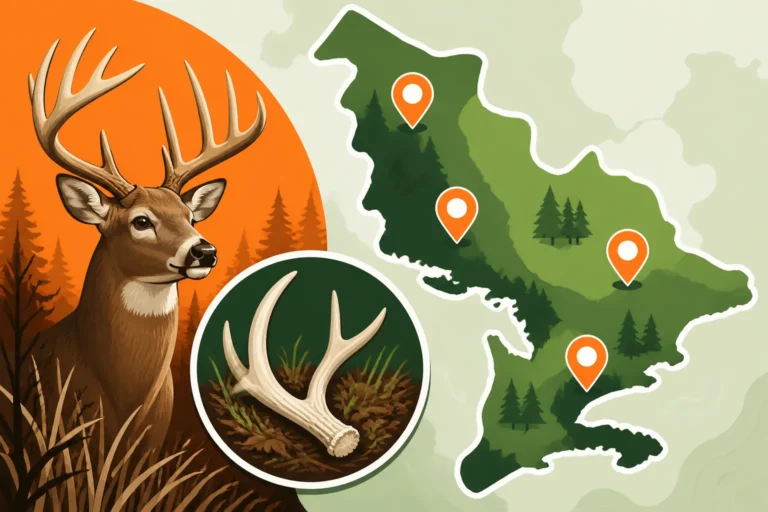
Shed hunting in Ontario explains when and why whitetail bucks drop antlers, detailing winter deer behaviour and habitat.
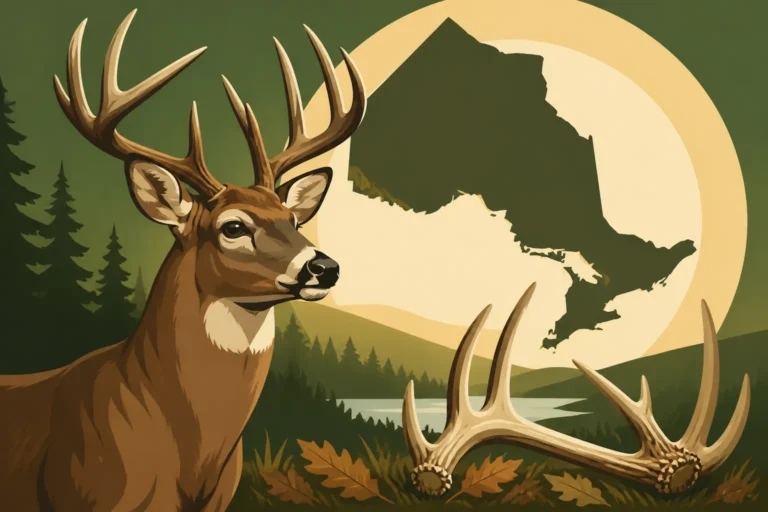
Ontario whitetail deer drop their antlers between late December and April, driven by falling testosterone levels and winter conditions.
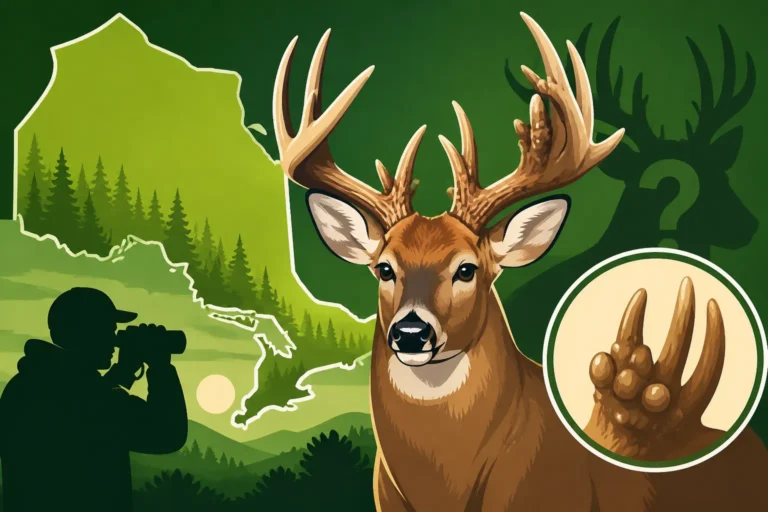
Ontario bucks grow nontypical antlers due to inherited genetic traits, local breeding populations, and physical injuries during growth.
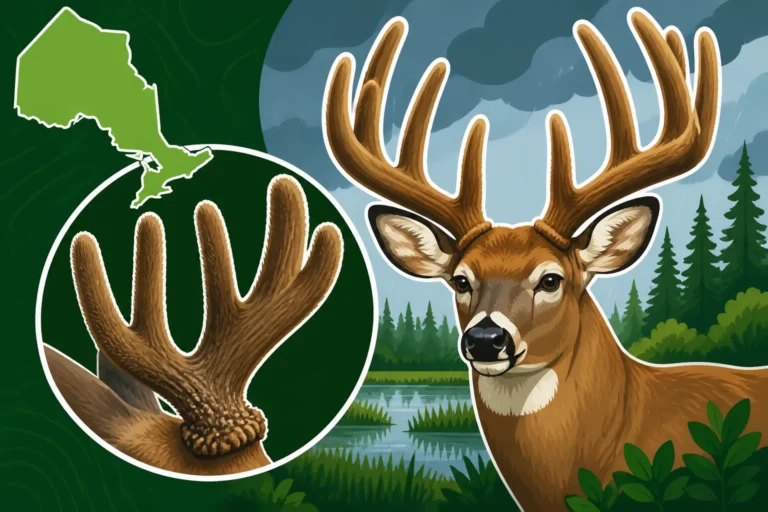
Ontario wet years improve deer forage and water availability, boosting buck health, body mass, and antler mass.
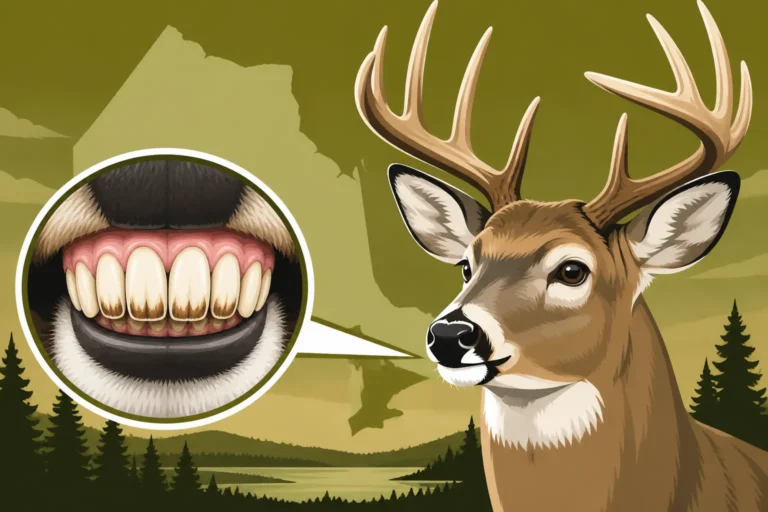
Aging a deer by its lower jaw teeth reveals its true age and helps hunters manage local wildlife populations effectively.