Hunting a Swamp Edge for Whitetails
Ontario swamp edges provide whitetail deer security and food, offering hunters prime locations to intercept animals moving between bedding and feeding areas.
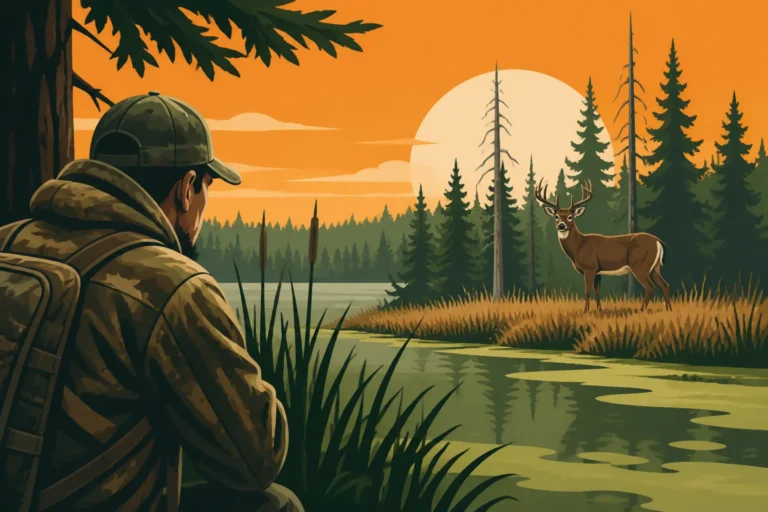
Ontario swamp edges provide whitetail deer security and food, offering hunters prime locations to intercept animals moving between bedding and feeding areas.
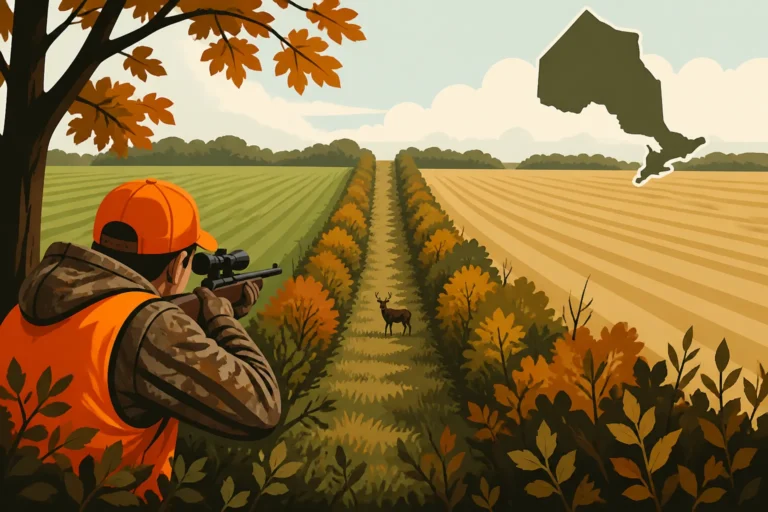
Ontario fencerows connect habitats, offering deer natural travel corridors, food sources, and thermal cover for hunting.
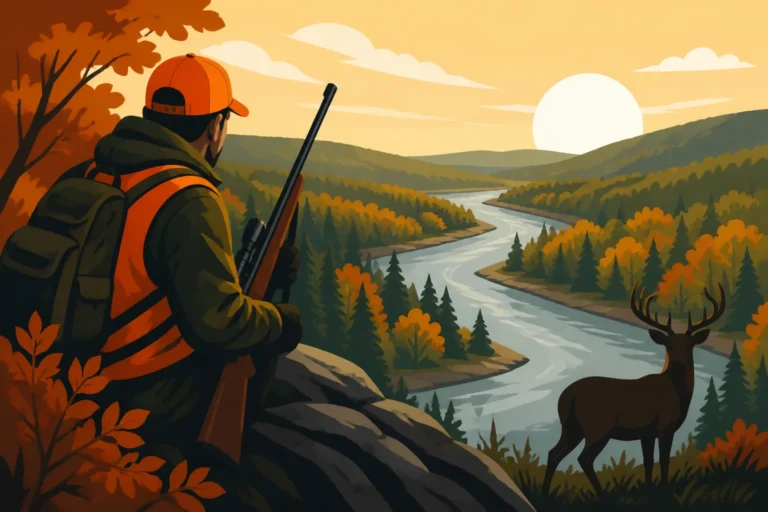
Ontario river valleys concentrate wildlife in dense vegetation corridors, offering big game hunting strategies for deer, moose, and bear.
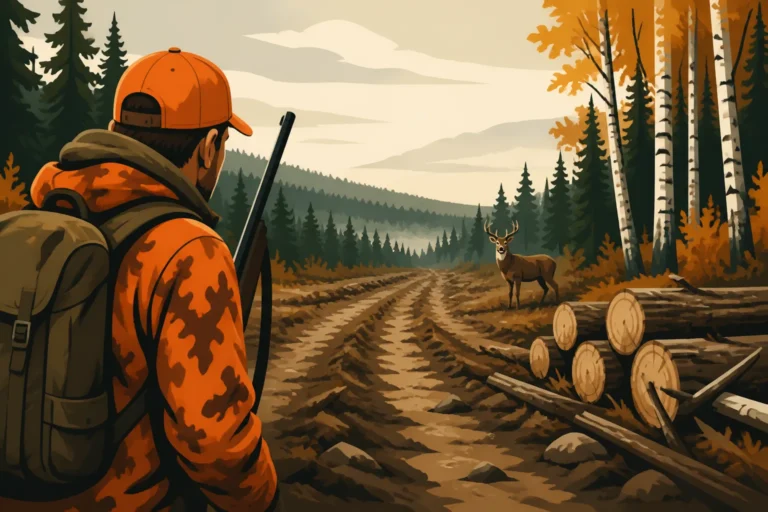
Old logging roads in Northern Ontario provide accessible hunting grounds that concentrate moose, deer, bears, and grouse.
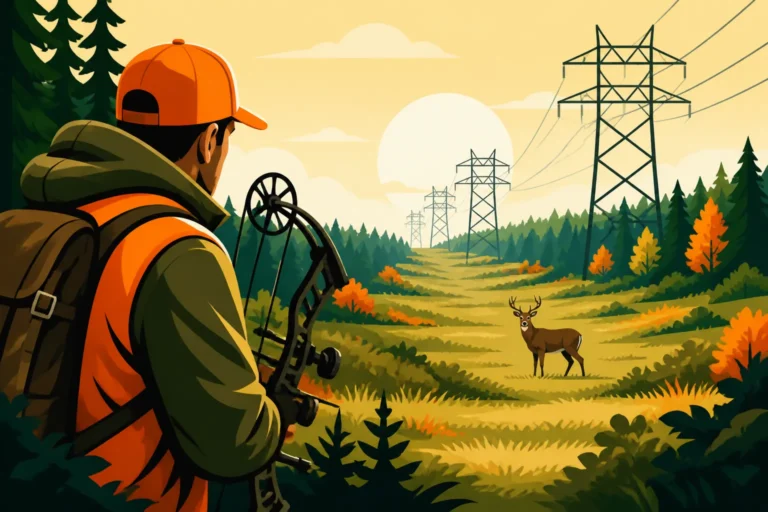
Ontario hydro line corridors function as wildlife travel routes, offering hunters access to diverse game species and feeding areas.
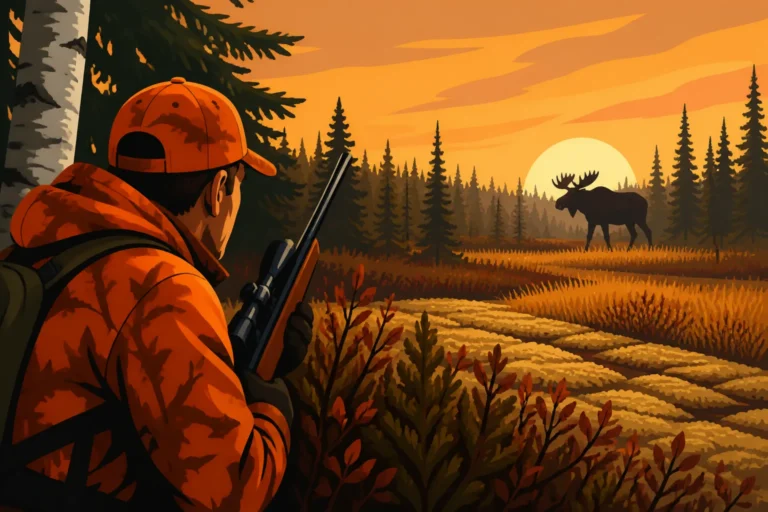
Ontario boreal muskeg edges provide productive transitional hunting zones where big and small game animals find abundant water, food, and security cover.
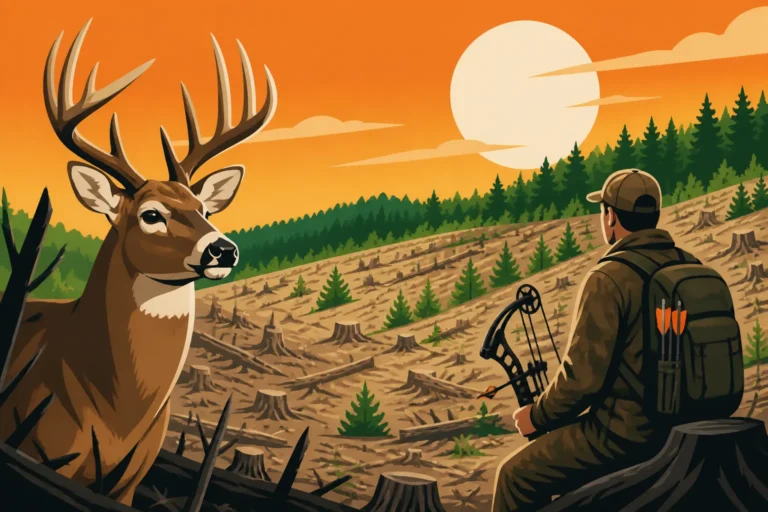
Ontario cutovers at the three year mark provide deer, moose, and grouse with dense cover, safety, and accessible woody browse.
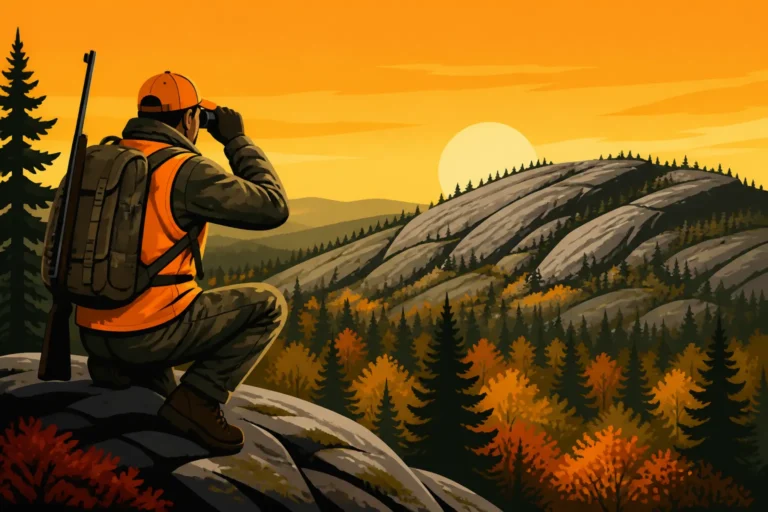
Canadian Shield rock ridges serve as game travel corridors, offering hunters strategic terrain insights for white-tailed deer and moose.
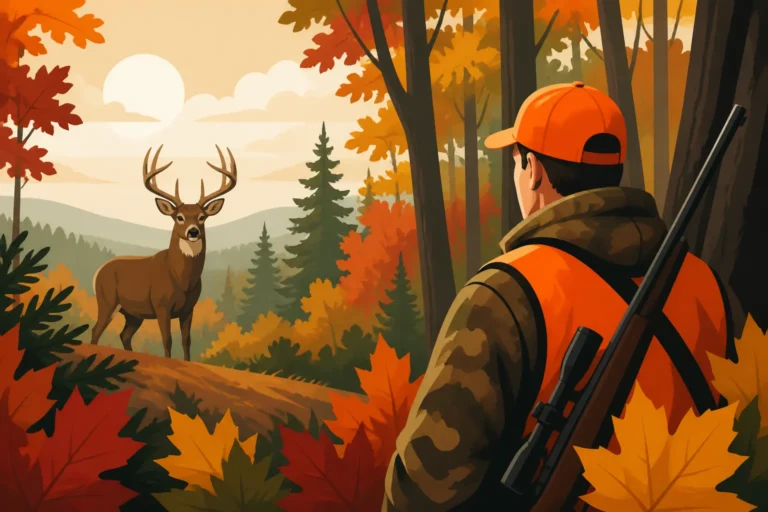
Ontario mixed hardwood deer hunting strategies explain how deer use oak ridges, beech stands, and conifer cover for survival.
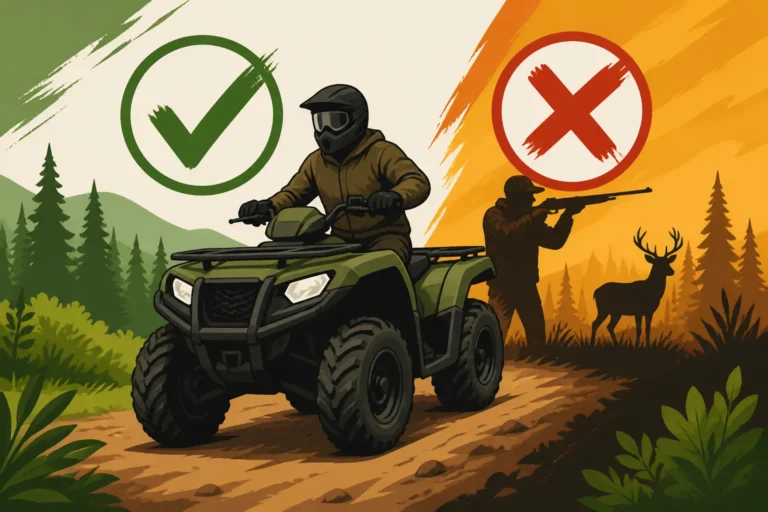
ATV regulations on Ontario Crown Land require using designated trails, proper vehicle registration, and valid insurance coverage.