How Elk Came Back to Ontario
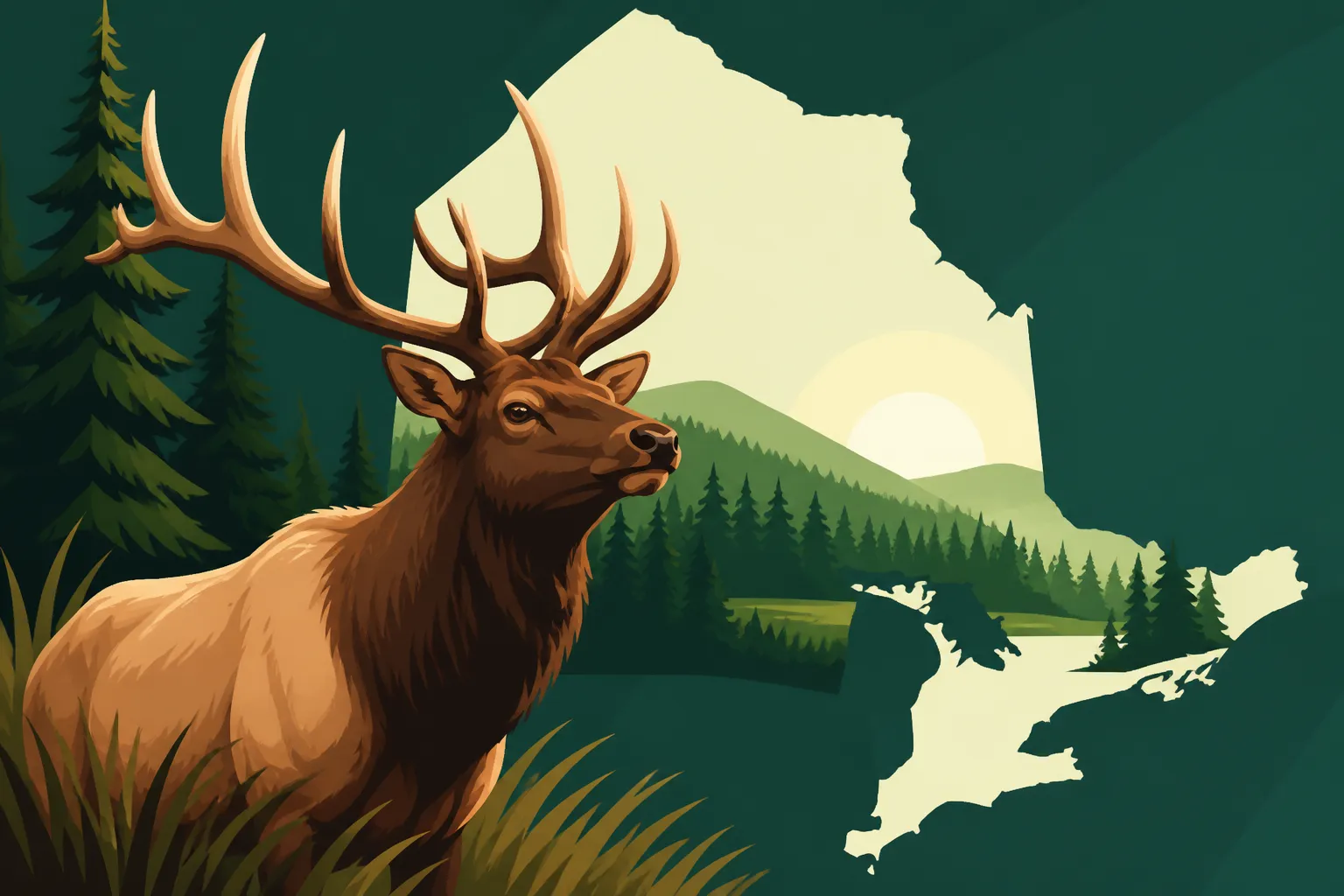
For many hunters, the majestic elk is a creature of the western mountains, a symbol of wild, untamed landscapes. But what if I told you that Ontario, with its vast forests and rugged terrain, once harbored thriving elk populations, and through incredible conservation efforts, they've made a remarkable comeback? It's easy to feel like these stories are just whispers from the past, but Ontario's elk restoration is a testament to what dedicated conservation can achieve, offering unique opportunities and a chance to witness wildlife history in the making. This guide will take you through the compelling journey of how elk were brought back to our province, from their initial disappearance to their current status and the limited hunting opportunities available today.
The Historical Loss of Ontario's Original Elk
It's hard to imagine now, but the vast wilderness of Ontario, stretching from its southern agricultural lands up into the boreal forest, once resonated with the bugle of wild elk. These magnificent animals were an integral part of the ecosystem, much like our deer and moose are today. However, the pressures of human settlement, unregulated hunting, and habitat destruction led to their complete disappearance from the province by the late 19th century. It’s a sad chapter in our wildlife history, a stark reminder of the impact our ancestors had on the natural world before conservation became a recognized necessity.
Why the Original Herds Vanished
The primary culprits behind the extirpation of Ontario's original elk herds were a combination of factors, each contributing to their rapid decline. Uncontrolled market hunting in the 1800s saw elk pursued relentlessly for their meat, hides, and antlers. There were no seasons, no limits, and no real management, just open season for anyone with a rifle and the will to trek into the bush. Adding to this pressure was the swift expansion of European settlements. Forests were cleared for agriculture, towns sprang up, and roads cut through prime elk habitat. This habitat loss fragmented their range, making it harder for herds to find adequate food and cover, and increasing their vulnerability to hunters and other predators. Diseases introduced by domestic livestock also played a role, though perhaps less documented than the direct human impacts. It was a perfect storm, unfortunately, that led to the silent disappearance of these iconic animals.
Echoes in the Landscape
Even though the elk themselves were gone, their memory lingered. Old-timers would speak of "wapiti," the Indigenous name for elk, meaning "white rump," referring to their distinctive tail patch. Early naturalists and explorers often documented their presence, and historical records confirm that elk were once widespread across much of central and southern Ontario. Imagine the sight: a bull elk bugling across a fall morning in what is now cottage country, or a herd moving through the mixed forests of the Canadian Shield. For decades, these were just stories, echoes of a bygone era. The desire to bring them back, to restore a piece of Ontario's wild heritage, began to grow amongst conservationists and dedicated hunters who understood what a rich and diverse ecosystem truly meant. This yearning laid the groundwork for the ambitious plans that would eventually unfold, pushing for a reintroduction to correct a historical wrong.
The Grand Vision: Planning the Reintroduction
Bringing back an extirpated species is no small feat. It requires immense planning, scientific expertise, political will, and significant financial investment. The idea of reintroducing elk to Ontario wasn't a spur-of-the-moment decision; it was a decades-long discussion amongst biologists, government agencies, and dedicated conservation groups. The goal wasn't just to release a few animals, but to establish self-sustaining populations that could thrive for generations, enriching Ontario's biodiversity and offering new opportunities for wildlife appreciation and, eventually, regulated hunting. The commitment to understanding Why the Elk Restoration Took Decades really highlights the complexity of such an undertaking.
Early Conservation Debates
The journey to reintroduce elk to Ontario began with considerable debate and careful consideration. In the early to mid-20th century, there were already attempts, albeit largely unsuccessful, to bring elk back. Some of these earlier efforts involved animals from various sources and were often undertaken with less scientific rigor than later projects. These early failures taught valuable lessons about habitat suitability, genetic integrity, and the importance of disease screening. Conservationists had to address concerns from landowners about potential crop damage or fence issues, as well as ecological considerations like the impact on existing deer and moose populations. The provincial government, specifically the Ministry of Natural Resources and Forestry (MNRF), played a crucial role in leading these discussions, gathering data, and assessing the feasibility of a large-scale reintroduction program. It was a complex puzzle, ensuring that all pieces fit before moving forward.
Key Partner Organizations
No undertaking of this magnitude can succeed without strong partnerships. The Ontario government didn't do this alone. Key organizations like the Rocky Mountain Elk Foundation (RMEF), both its Canadian and American chapters, were absolutely instrumental. They provided not only significant funding but also invaluable expertise, drawing on their experience from successful elk reintroduction projects across North America. Other organizations, including local conservation authorities, Indigenous communities, and various hunting and angling groups, also contributed. These partnerships were vital for everything from scouting potential release sites and securing necessary permits to engaging local communities and ensuring long-term support for the elk herds. The collective passion and dedication of these groups truly drove the project forward, turning a grand vision into a tangible reality.
Choosing the Release Sites
Selecting the right locations for reintroduction was paramount to the project's success. Biologists spent years studying historical elk ranges, assessing current habitat conditions, and analyzing potential conflicts with human activity. They looked for areas with extensive forest cover, access to diverse forage, and minimal road density to reduce human-wildlife conflicts. The initial focus honed in on specific Ontario's Wildlife Management Units that showed the most promise. Critical considerations included ensuring adequate wintering habitat, proximity to water sources, and the availability of varied plant life to support a year-round diet. Areas that eventually became the core of Ontario's elk herds, like the Bancroft-North Hastings region and the Lake Huron North Shore, were chosen because they offered a blend of suitable habitat and a lower human population density, giving the elk the space they needed to thrive and expand.
The Journey Home: Elk Relocation Efforts
Once the planning was complete and the sites identified, the real logistical challenge began: safely capturing and transporting hundreds of wild elk across thousands of kilometers. This wasn't a simple task; it was an incredibly complex operation requiring specialized equipment, skilled personnel, and meticulous attention to animal welfare. Imagine the effort involved in moving a large, powerful animal like an elk from one province to another, all while ensuring its health and minimizing stress.
Sourcing Elk from Western Canada
The decision was made to source elk from healthy, established herds in western Canada, primarily from Alberta and Saskatchewan. These elk were genetically similar to Ontario's historical populations and were accustomed to a boreal forest environment, increasing their chances of adapting to their new home. Teams of wildlife veterinarians and capture specialists worked to tranquilize and safely transport the elk. This wasn't just about grabbing any elk; it was about selecting healthy, reproductively viable animals that would form the foundation of Ontario's new herds. This rigorous selection process was crucial for ensuring genetic diversity and a strong start for the reintroduction program. It was a massive collaborative effort, involving provincial governments and wildlife agencies from both donor and recipient provinces.
The Logistics of Transport
Transporting live elk is an intricate dance of logistics. Once captured, the elk were carefully loaded into specially designed trailers, often climate-controlled and padded to ensure their comfort and safety during the long journey. The routes were meticulously planned to minimize travel time and reduce stress on the animals. Think of these journeys as cross-country road trips for some very important, very large passengers! There were regular stops for health checks and rehydration. Local communities along the transport routes were often engaged, and precautions were taken to ensure the security of the precious cargo. The cost and effort involved were substantial, but every measure was taken to ensure that the elk arrived in Ontario healthy and ready to begin their new lives in the wilderness.
Initial Release Challenges
Even with all the meticulous planning, reintroduction isn't without its challenges. The initial release of elk into their new surroundings was a critical phase. Once released from the trailers, the elk often dispersed widely as they explored their new environment, sometimes moving further than anticipated. Some faced difficulties adapting to new forage, while others encountered natural predators or unfamiliar human infrastructure. There were also instances of disease or injuries sustained during capture or transport. Biologists and volunteers closely monitored the newly released animals, tracking their movements via radio collars and conducting health assessments. This early monitoring was vital to understanding how well the elk were integrating into their new homes and identifying any immediate threats or issues that needed to be addressed. It's a tough transition for any animal, and the early years were a true test of the program's resilience.
Life in the New Home: Establishing the Herds
Once released, the elk faced the real test: establishing viable, reproducing herds in a landscape they hadn't inhabited for over a century. This phase required ongoing monitoring, adaptive management, and the patience of many dedicated individuals and organizations. The success of the program depended not just on bringing the elk here, but on ensuring they could truly thrive.
Adapting to Ontario's Environment
Ontario's environment, particularly the mixed forests and shield country chosen for the reintroductions, presented a unique set of challenges and opportunities for the elk. While similar in some ways to their western Canadian origins, subtle differences in vegetation, snow depth, and predator dynamics required adaptation. The elk, being highly adaptable animals, gradually learned the lay of the land, finding new food sources, and establishing migration patterns. They fed on a variety of browse, including aspen, willow, and various shrubs, and quickly discovered the rich aquatic vegetation found in many of our lakes and rivers. This adaptability was a key factor in their survival and growth, demonstrating the resilience of these incredible creatures. Initial monitoring helped confirm that they were finding sufficient forage and shelter.
Population Growth and Challenges
In the years following the reintroductions, the elk populations began to grow, albeit slowly at first. It was a painstaking process, but seeing new calves on the ground was a huge victory for everyone involved. However, this growth wasn't without its hurdles. Predation by wolves and bears, particularly on calves, was a natural part of the ecosystem and something the herds had to contend with. There were also occasional incidents of road mortality as elk encountered unfamiliar highways. Disease management remained a constant concern, with ongoing surveillance to ensure the health of the herds. The "Why Ontario's Elk Restoration Took Decades" isn't just about the initial planning, but the continuous, long-term commitment required to shepherd a species back from the brink, addressing each challenge as it arose.
Monitoring and Research Efforts
Ongoing monitoring and scientific research have been fundamental to the success of Ontario's elk program. Biologists continue to track elk using GPS collars, gathering vital data on movement patterns, habitat use, and reproductive success. This data helps them understand herd health, estimate population numbers, and identify critical habitat needs. Camera traps, aerial surveys, and field observations supplement this data, providing a comprehensive picture of the elk's well-being. Organizations like GoHunt provide invaluable tools and resources for hunters and researchers alike, often aggregating public data that can inform where elk might be moving or concentrating. This continuous research ensures that management strategies are based on the best available science, allowing the MNRF to make informed decisions about herd health, habitat protection, and future hunting opportunities.
Current Status and Management of Ontario Elk
Today, Ontario's elk herds are a testament to successful conservation, a vibrant part of our wildlife heritage. While their numbers are not as vast as historical populations, they are stable and continue to grow in specific regions. Understanding their current status is crucial for anyone interested in these magnificent animals, whether for observation or the highly coveted hunting opportunities.
Where Ontario's Elk Herds Roam Today
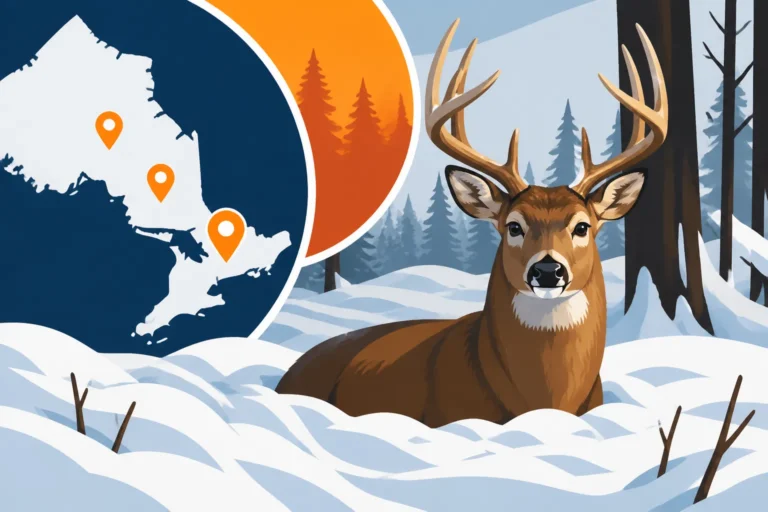
Ontario's elk populations are primarily concentrated in two main regions: the Bancroft-North Hastings area and the Lake Huron North Shore (centred around the communities of North Shore and Sault Ste. Marie). The Bancroft herd, in particular, is the largest and most well-established, drawing considerable interest from both wildlife enthusiasts and hunters. The rugged, mixed forests of this region, with their mosaic of hardwoods, conifer stands, and beaver ponds, provide ideal habitat. To learn more about this specific population, you can delve into Where the Bancroft Elk Herd Ranges. These areas offer a unique opportunity to witness elk in the wild, a sight that was unimaginable just a few decades ago. It's truly incredible to see them thriving in these landscapes once again.
Population Numbers and Health
While specific numbers can fluctuate annually due to various factors like calf survival, winter severity, and predation, the overall trend for Ontario's elk populations has been one of steady growth and stability. As of recent assessments, the province holds several hundred elk, with the Bancroft herd being the most robust. If you're wondering How Many Elk Ontario Holds Now, it's important to remember these are dynamic figures, but the conservation efforts have certainly paid off. The herds are generally healthy, though continuous monitoring for diseases like Chronic Wasting Disease (CWD) and brainworm, which can affect deer and moose, remains a priority. Regular health checks and surveillance are part of the ongoing management plan to ensure the long-term viability of these reintroduced populations. The success here shows how effective long-term, science-based management can be.
Ongoing Conservation Strategies
The work isn't over just because the elk are back. Ongoing conservation strategies are vital to protect and manage Ontario's elk herds. This includes habitat management initiatives, such as prescribed burns or timber harvesting practices that create diverse foraging opportunities. Human-wildlife conflict mitigation is also a focus, addressing issues like crop damage or road safety. Education and public awareness campaigns help local communities understand the importance of elk and how to coexist with them. The MNRF also works closely with local landowners and Indigenous communities, integrating traditional knowledge and local perspectives into management plans. This holistic approach, combining scientific research, habitat work, and community engagement, is essential for securing the future of elk in Ontario.
Hunting the Restored Elk Herd
For many hunters, the return of elk represents an extraordinary opportunity, a chance to pursue a true big game trophy right here in Ontario. However, given the still-recovering populations and the immense conservation investment, elk hunting is tightly regulated, highly exclusive, and considered a once-in-a-lifetime draw for most. It's a testament to how far we've come, moving from extirpation to carefully managed hunting.
The Exclusive Draw System
Ontario manages its elk hunt through a very specific, limited draw system. Unlike deer or bear tags that can often be purchased over-the-counter, an elk tag is an extremely rare commodity. Hunters must apply annually for a chance to draw one of the few available tags, typically for specific Ontario's Wildlife Management Units where elk populations are most robust. The draw is resident-only, reinforcing the dedication to local conservation efforts, as discussed in Ontario's Resident-Only Elk Draw. The odds are slim, making the excitement of drawing a tag comparable to winning a small lottery. Applicants often wait for years, sometimes decades, to have their name pulled, understanding that this is a privilege, not a guarantee. This system ensures that hunting pressure is minimal, allowing the herds to continue their recovery.
| Elk Herd Region | Estimated Population | Primary WMUs | Hunting Opportunity | Key Habitat |
|---|---|---|---|---|
| Bancroft-North Hastings | ~400-500+ | 49, 54, 55 | Limited Draw, Highest | Mixed forest, farmland edges |
| Lake Huron North Shore | ~100-200 | 39, 40 | Limited Draw, Lower | Boreal forest, Canadian Shield |
Limited Opportunity and High Demand
Because of the exclusive nature of the draw, elk tags are incredibly sought after. The demand far outstrips the supply, leading to significant anticipation each year when draw results are announced. The opportunity to hunt an elk in Ontario is considered a pinnacle achievement for many local hunters. This high demand underscores the value placed on these animals and the conservation success they represent. For those hoping to improve their chances or simply learn more about the units, resources like GoHunt can be invaluable, offering insights into draw odds and unit breakdowns, although an Ontario elk tag remains a long shot for anyone. It's a special hunt, reserved for a very select few each season, making every tag drawn a cause for celebration among the hunting community.
What to Do After Drawing an Ontario Elk Tag
Drawing an Ontario elk tag is just the beginning of a truly monumental undertaking. If you're fortunate enough to receive that coveted notification, your next steps are critical. First and foremost, you'll need to immediately immerse yourself in the regulations specific to elk hunting, as they can be quite detailed and different from other big game. This includes understanding weapon restrictions, specific season dates for your Ontario's Wildlife Management Units, and reporting requirements. Many hunters will then focus on extensive Scouting a Wildlife Management Unit to pinpoint elk hotspots, understand their movements, and identify potential hunting strategies. Given the rarity of the tag, some might consider hiring a local guide or consulting with experienced elk hunters. Preparing physically and mentally for the challenging terrain and the intense experience of pursuing such a magnificent animal is paramount. Knowing What to Do After Drawing an Ontario Elk Tag is about maximizing every aspect of this incredible opportunity, a true culmination of years of waiting and dreaming.
Planning for the Future of Ontario Elk
The return of elk to Ontario is a powerful narrative of human dedication to wildlife conservation. It's a story that continues to unfold, with ongoing challenges and triumphs. For anyone passionate about Ontario's wild places, the presence of these majestic animals is a source of pride and a reminder of what collective action can achieve.
Sustaining the Comeback: Challenges Ahead
While Ontario's elk comeback is a remarkable success, the journey isn't without future challenges. Habitat fragmentation due to development, climate change impacting food sources and winter conditions, and the ever-present threat of disease (like CWD spreading from other regions) are all factors that require continuous vigilance. Managing human expectations, particularly regarding hunting opportunities and landowner relations, will also remain critical. The balance between conservation, public enjoyment, and sustainable harvest is delicate and requires ongoing adaptive management strategies. We can't rest on our laurels; ensuring a vibrant future for elk means continued commitment and proactive planning.
The Role of Hunters and Conservationists
Hunters and conservationists have been, and continue to be, indispensable to the success of Ontario's elk reintroduction. Hunter dollars, through license fees and excise taxes on equipment, directly fund wildlife management programs. Organizations like the Rocky Mountain Elk Foundation, heavily supported by hunters, provide crucial financial and on-the-ground support. Furthermore, hunters are often the first to notice changes in wildlife populations or report poaching, acting as eyes and ears in the bush. Their ethical participation in managed hunts ensures that population goals are met responsibly. The long-term health of our elk herds relies on this continued partnership and the shared commitment to responsible stewardship of our natural resources.
Witnessing a Conservation Success Story
Whether you're an avid hunter dreaming of a tag or simply a nature enthusiast, the fact that elk once again roam parts of Ontario is a powerful and inspiring story. It’s a chance to connect with a landscape that was once diminished but is now richer for their presence. Spotting an elk in the wild, hearing a bull bugle during the rut, or even just knowing they are out there, is a profound experience. This comeback reminds us that with dedication, scientific understanding, and collaborative effort, we can reverse past mistakes and restore our natural heritage. For those looking to learn more about the broader picture of big game in Ontario, resources like GoHunt can help you understand the dynamics of our diverse wildlife. It’s a privilege to live in a province where such incredible conservation stories are being written.
Disclaimer
Please remember that hunting regulations, season dates, and specific draw processes can change. Always consult the most current Ontario Hunting Regulations Summary available from the Ministry of Natural Resources and Forestry (MNRF) before planning any hunting activity. This guide is for informational purposes only and should not be considered legal advice.