Ontario Falconry Permit Rules
For many, the image of a falconer conjures up romantic notions of ancient traditions, but the reality of practicing falconry in Ontario today is a journey of immense dedication, strict adherence to regulations, and a profound commitment to conservation. It's not a casual pursuit you can just jump into; it requires years of apprenticeship, careful study, and navigating a precise permitting system. This guide is designed to shed light on those often-confusing Ontario falconry permit rules, outlining the pathway for aspiring falconers and helping you understand exactly what’s involved in bringing this incredible sport into your life.
The Deep Commitment of Falconry in Ontario
Before we even talk about permits, let's address the elephant in the room: falconry is a lifestyle, not just a hobby. It's an ancient hunting method that dates back thousands of years, and in Ontario, it's regulated as a legal form of hunting. This isn't about simply owning a cool bird; it's about forming a partnership with a wild raptor to hunt wild game. It demands incredible amounts of time, patience, and a deep understanding of avian biology, behavior, and welfare. Many who express initial interest quickly realize the sheer scale of the undertaking. This intense commitment is why the permitting process is so rigorous – it's designed to ensure that only truly dedicated individuals, who can provide proper care and demonstrate ethical hunting practices, are granted the privilege.
Understanding Falconry's Legal Status as a Hunting Method
In Ontario, falconry is explicitly recognized under the Fish and Wildlife Conservation Act as a method of hunting certain species of small game and migratory birds. This is crucial because it means falconers are subject to all the same hunting regulations as other hunters, including season dates, bag limits, and the need for a valid Outdoors Card and hunting licence. It’s not a separate world; it’s an integrated part of Ontario’s rich hunting heritage. This distinction is important because it shapes how permits are issued and how the activity is overseen by the Ministry of Natural Resources and Forestry (MNRF). It means you're not just getting a permit to keep a bird; you're getting a permit to use that bird to hunt, and that comes with a significant responsibility to wildlife management. Just like understanding how to obtain your regular Ontario Hunting Licences and What They Cost or navigating Ontario's Outdoors Card Explained, the falconry permits are an extension of this established framework.
The Time and Resource Investment Required
Let's be brutally honest: falconry is expensive and incredibly time-consuming. We're talking daily commitment, year-round, rain or shine. Your bird needs to be fed, weighed, trained, and flown. This isn't a pet you can leave alone for the weekend. The initial setup costs for mews (housing), specialized equipment like jesses, leashes, scales, telemetry units, and quality blocks can easily run into thousands of dollars. Then there's the ongoing cost of food, veterinary care from an avian specialist (which can be hard to find and costly), and travel for hunting. Apprenticeship alone typically lasts at least two years, often longer, and requires you to spend significant time with an experienced falconer. This isn't just theory; it's hands-on, daily work that can't be rushed. It’s a huge consideration for anyone eyeing a permit.
The Apprentice Falconer Pathway in Ontario
The journey to becoming a fully licensed falconer in Ontario is not for the faint of heart. It is a carefully structured, multi-year apprenticeship designed to impart the necessary skills, knowledge, and ethical framework. There are no shortcuts here, and for good reason: you'll be working closely with powerful, wild animals. The safety of the bird, the public, and the integrity of the sport depend on a thorough, guided learning process. This system ensures that new falconers understand not only the theory but also the practical day-to-day realities and responsibilities of caring for a raptor and hunting with it effectively and ethically.
Finding a Sponsor and Beginning Your Training
The first, and often most challenging, step is finding an experienced falconer willing to sponsor you as an apprentice. This isn't like finding a friend to take you out Small Game Hunting in Ontario; it's a deep, personal commitment on their part. Sponsors take on the responsibility of guiding you through every aspect of falconry, from building mews and proper husbandry to training techniques and safe hunting practices. They invest their valuable time and knowledge in you. This mentorship typically lasts for at least two consecutive years, during which you'll work under their direct supervision. You can't even legally possess a raptor for falconry without a sponsor and the appropriate permits. Connecting with local falconry clubs or associations is often the best way to meet potential sponsors and start building those crucial relationships. Platforms like GoHunt might offer community forums or resources that could help you connect with experienced falconers in your region.
Written and Practical Examinations
During your apprenticeship, you'll be expected to demonstrate a comprehensive understanding of falconry. This usually involves both written and practical examinations. The written exam covers everything from raptor identification, biology, health, and behavior to provincial and federal regulations governing falconry and wildlife. It’s extensive and requires serious study. The practical exam assesses your hands-on skills: how you handle your bird, your knowledge of equipment, your mews setup, and your ability to safely and effectively fly your bird in a hunting scenario. It's a real test of your competence, ensuring you can manage all aspects of falconry responsibly. This thorough testing is a testament to the high standards expected of Ontario falconers, similar to the rigour of Ontario Hunter Education Requirements.
Applying for Your Falconry Permits
Once you've completed your apprenticeship and passed the necessary examinations, you can then apply for your official falconry permits. This isn't a one-and-done deal; there are specific permits for different stages and types of falconry, each with its own application requirements and associated fees. It's vital to understand each component to ensure you're always operating legally. The MNRF oversees this process, and their goal is to manage wildlife populations responsibly while allowing for regulated activities like falconry.
The Apprentice Falconer Permit
This is your entry-level permit, issued after you secure a sponsor. It allows you, under the direct supervision of your sponsor, to possess and train one specific raptor for falconry purposes. You'll need to demonstrate to the MNRF that you have adequate housing for the bird and have met all preliminary requirements. This permit ties you directly to your sponsor, emphasizing that your learning journey is still very much active and supervised. Typically, only certain species suitable for beginners are allowed under this permit, often Red-tailed Hawks or American Kestrels, as they are generally more robust and forgiving for a novice.
The General Falconer Permit
After successfully completing your apprenticeship and passing your exams, you can apply for the General Falconer Permit. This permit grants you more independence and allows you to possess a wider range of raptor species, typically up to two birds, depending on the species and conditions. It signifies that you have demonstrated the competence and commitment to practice falconry safely and ethically without constant direct supervision. Even with this permit, you are still bound by strict regulations regarding record-keeping, reporting, and maintaining suitable housing and care standards for your birds.
Additional Permits and Licenses
Beyond the core falconry permits, you will also need a valid Ontario Outdoors Card and a current hunting licence for the game species you intend to pursue with your raptor. If you plan to hunt migratory game birds (like ducks or geese) with your hawk or falcon, you will also need a federal Migratory Game Bird Hunting Permit and a Canadian Wildlife Habitat Conservation Stamp. It's a layered system, designed to cover all bases and ensure compliance with both provincial and federal wildlife laws.
Here's a simplified overview of the key permits and requirements:
| Permit Type | Purpose | Key Requirements | Duration (Typical) |
|---|---|---|---|
| Outdoors Card | General requirement for all hunting/fishing in Ontario | Proof of age, residency, hunter education | 3 years |
| Hunting Licence | Allows hunting of specific game species | Valid Outdoors Card, specific tags/validations | Annual |
| Apprentice Falconer | Permits possession & training of a raptor under supervision | Valid Outdoors Card, recognized sponsor, suitable mews | 2+ years |
| General Falconer | Permits independent possession & hunting with raptors | Completion of apprenticeship, passed exams, suitable mews | 1-5 years (renewal) |
| Migratory Bird Permit | Required for hunting migratory game birds | Federal permit, habitat stamp | Annual |
It's absolutely essential to consult the official Ontario Hunting Regulations Summary, often found on the MNRF website or through resources like GoHunt, as these rules can change.
Species and Equipment Considerations for Ontario Falconers
Part of the permit process involves understanding which raptor species are legal for falconry in Ontario, and what specific equipment is necessary to properly care for and hunt with these birds. This isn't just about personal preference; it's about conservation, animal welfare, and ensuring sustainable practices. The MNRF has specific regulations that dictate everything from housing standards to the types of birds you can acquire and how you acquire them.
Legal Raptor Species for Falconry
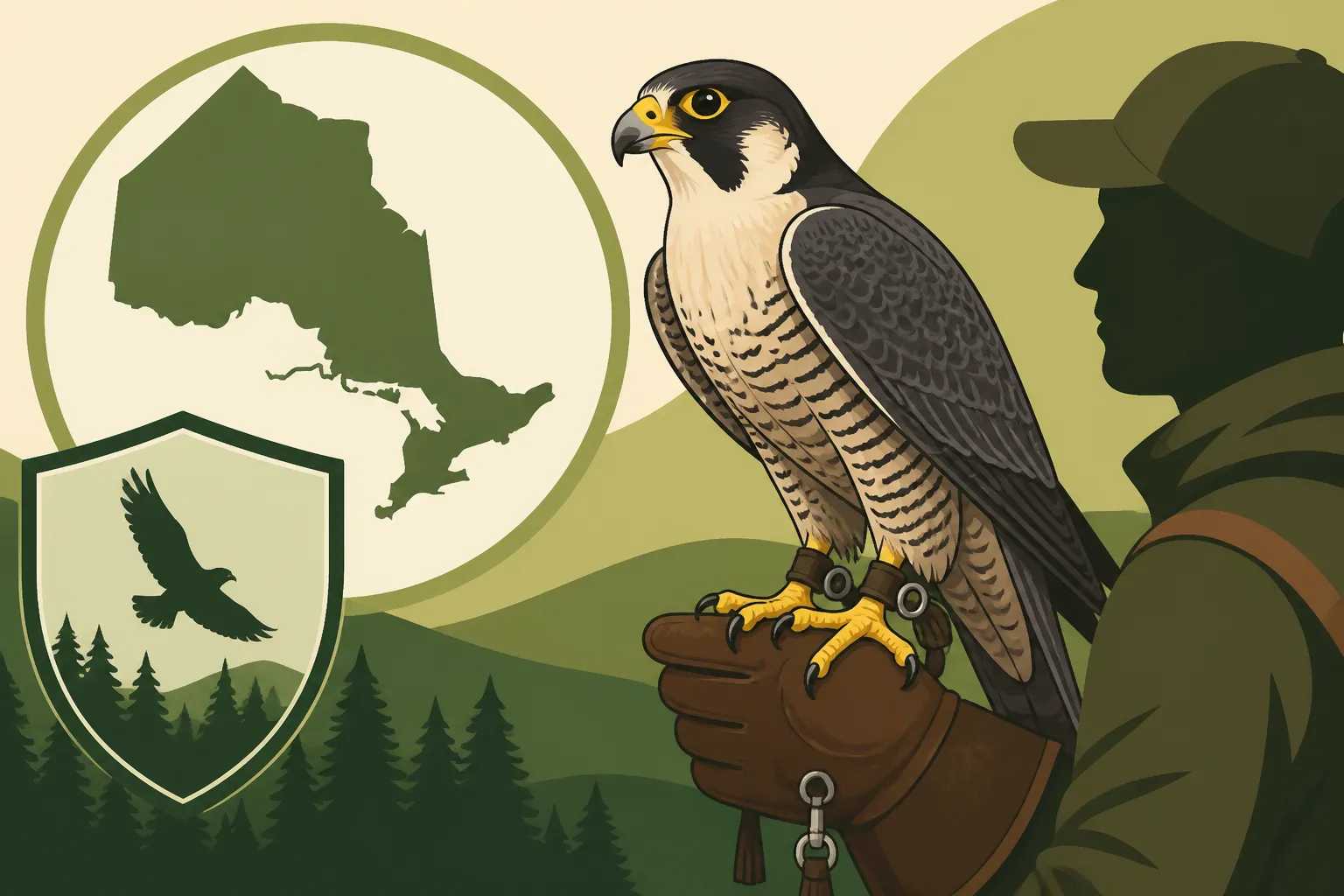
Ontario permits the use of certain native raptor species for falconry, but the specific species available to you will depend on your permit level (apprentice vs. general) and sometimes on availability through approved sources. Common species for apprentice falconers often include the Red-tailed Hawk, known for its hardiness and adaptability, and the American Kestrel, a smaller falcon suitable for smaller game. More experienced falconers with General permits may be allowed to work with species like Peregrine Falcons, Goshawks, or other specialized raptors.
It's critical to note that wild-trapping of raptors for falconry is a highly regulated activity, and specific permits and quotas apply. In many cases, new falconers will acquire birds from captive-bred sources or through transfer from other licensed falconers. It’s never acceptable to simply take a bird from the wild without the proper permits and knowledge, as this can lead to severe penalties and harm to wildlife populations. Responsible falconry always prioritizes conservation and ethical sourcing.
Essential Falconry Equipment and Housing
The proper care of a raptor is paramount, and this requires specialized equipment and housing. Your mews, the bird's enclosure, must meet specific size and construction standards to ensure the bird's safety, comfort, and health. This often means building a dedicated structure, not just using a backyard shed. The mews must protect the bird from predators, the elements, and self-injury, while also being easy to clean and maintain.
Beyond the mews, a range of equipment is non-negotiable:
- Jesses and Leashes: Leather straps used to secure the bird to the perch.
- Gloves or Gauntlets: Heavy-duty leather gloves to protect your hand.
- Perches: Specific designs for comfort and talon health.
- Scales: Precision scales are vital for daily weighing, which is central to training and health monitoring.
- Telemetry: Small transmitters attached to the bird that allow you to track it if it flies out of sight during a hunt. This is a critical investment, as losing a bird is every falconer's worst fear.
- Bow Nets or Traps: For approved wild-trapping, if you have those specific permits.
- Bells: Small bells attached to the bird's legs to help locate it in dense cover.
- Swivels: Connects jesses to the leash, preventing tangling.
All this equipment isn't just gear; it's part of a system designed to ensure the bird's well-being and the successful practice of falconry. Trying to cut corners here is not only irresponsible but also highly likely to lead to problems for both you and your raptor. Understanding your chosen bird’s natural habitat and prey, much like researching Hunting an Ontario Bush Edge, will also help inform your equipment choices and training focus.
Ongoing Responsibilities and Ethical Practice
Getting your permits is just the beginning. Practicing falconry in Ontario comes with a host of ongoing responsibilities, ethical considerations, and a continuous learning curve. It’s a lifelong pursuit that demands respect for wildlife, adherence to regulations, and a commitment to perpetual self-improvement.
Record Keeping and Reporting
Licensed falconers are required to maintain detailed records of their raptors, including acquisition, health, training progress, and hunting success. These records are subject to inspection by the MNRF and are crucial for monitoring wildlife populations and ensuring compliance. You’ll also be required to report your annual harvest, just like any other hunter reporting their deer or moose. This data helps the ministry make informed decisions about wildlife management and ensures the sustainability of both game populations and raptor use in falconry. Don't underestimate the importance of meticulous record-keeping; it's a non-negotiable part of being a licensed falconer.
Raptor Health and Welfare
The health and welfare of your raptor are your primary responsibility. This means providing proper nutrition, appropriate housing, daily exercise, and regular health checks. You must be vigilant for signs of illness or injury and have access to an avian veterinarian experienced in raptor care – which, let's be honest, can be a challenge in some parts of Ontario. A sick or injured bird cannot hunt effectively, and neglecting its health is a serious ethical and legal breach. This responsibility extends beyond basic care to ensuring the bird is always treated humanely and with the utmost respect. This deep care is why many see falconry as a form of extreme animal husbandry intertwined with hunting.
Adherence to Hunting Regulations and Conservation
As mentioned earlier, falconry is hunting, and as such, all provincial hunting regulations apply. This means understanding season dates for Ontario Game Bird Seasons and Limits, bag limits, legal hunting areas (especially when using Ontario's Wildlife Management Units), and firearms restrictions. Even though you're using a bird, you're still a hunter in the eyes of the law. Ethical practice also extends to conservation. Falconers are often passionate conservationists, playing a role in monitoring raptor populations and educating the public. They understand that the health of the wild game populations and the wild raptor populations are intrinsically linked. Participating in surveys or contributing to local conservation efforts is a common way for falconers to give back to the wildlife they cherish.
The journey to becoming an Ontario falconer is long, demanding, and requires unwavering dedication. But for those who commit, it offers a profound connection to nature and a truly unique hunting experience, blending ancient traditions with modern conservation ethics. It’s a testament to patience, learning, and respect for the magnificent birds we share our landscape with.
Disclaimer
The information provided in this guide is for general informational purposes only and does not constitute legal advice. Hunting regulations in Ontario are subject to change, and it is the hunter's responsibility to consult the most current official publications from the Ontario Ministry of Natural Resources and Forestry (MNRF) and other relevant authorities before engaging in any hunting activities. Always prioritize safety and adherence to all applicable laws.