Ontario Wolf and Coyote Season Rules
Navigating the rules for hunting wolves and coyotes in Ontario can feel like trying to untangle a bowl of spaghetti. Many hunters, especially those new to predator calling or venturing into different Wildlife Management Units (WMUs), often grapple with understanding what’s allowed, when, and where. It’s a common frustration, especially when the regulations for these two similar-looking canids can differ so significantly. This guide is here to help you cut through that confusion, clearly outlining Ontario's wolf and coyote season rules so you can hunt confidently and legally.
Understanding the Core Differences: Wolf vs. Coyote Rules
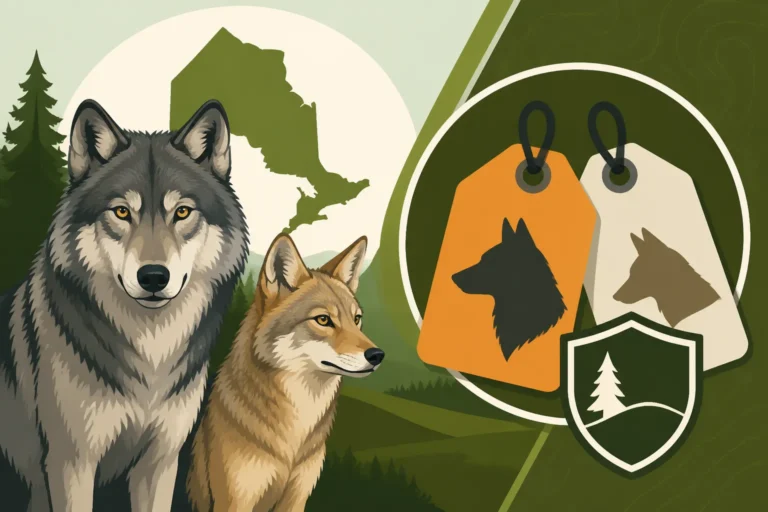
When it comes to hunting in Ontario, wolves and coyotes, while both members of the canid family and often mistaken for one another, are treated quite differently by provincial regulations. This isn't just a minor distinction; it's a fundamental difference that dictates everything from season length and bag limits to the specific WMUs where hunting is permitted. Ignoring these differences can lead to serious legal issues, which no hunter wants to face.
Why the Regulations Diverge
The primary reason for these differing regulations stems from conservation objectives and population management. Coyotes, particularly the Eastern Coyote, are abundant across much of Ontario. They're highly adaptable, thrive in diverse habitats from deep bush to agricultural fringes, and their populations are generally robust and expanding. As such, the province often allows for more liberal hunting seasons and bag limits for coyotes, recognizing their prolific nature and, in some areas, the impact they can have on livestock or deer populations.
Wolves, on the other hand, especially certain subspecies like the Algonquin wolf (also known as the Eastern wolf), face different conservation challenges. While widespread in northern Ontario, their populations are more sensitive in certain regions, particularly those overlapping with Algonquin wolf ranges. These areas have specific protections aimed at preserving the genetic integrity and populations of these wolves. This means stricter regulations, often shorter seasons, and limited bag opportunities for wolves compared to their coyote cousins. It’s a nuanced approach to managing two species that play distinct ecological roles and have varying population statuses.
General Licensing Requirements
Before you even think about heading out to call in a coyote or wolf, you need to ensure you have the proper licensing in place. This is a non-negotiable step for all hunters in Ontario. First and foremost, you'll need a valid Outdoors Card. Think of this as your foundational hunting ID – without it, you can't purchase any hunting licences or tags. If you're wondering about the initial steps, getting an Outdoors Card is where it all begins.
Once your Outdoors Card is sorted, you’ll then need a resident hunting licence. This licence typically covers small game, which includes coyotes across much of the province. For wolves, however, in certain WMUs where a specific tag is required, you'll need to purchase that dedicated wolf tag in addition to your regular hunting licence. It’s always critical to consult the current Ontario Hunting Regulations Summary, available through the Ministry of Natural Resources and Forestry (MNRF) website or the Fish and Wildlife Licensing Service, as regulations can change. Tools like the GoHunt app can also be incredibly useful for quickly checking the regulations specific to your chosen WMU right from your phone, making sure you don't miss any critical updates.
All About Hunting Coyotes in Ontario
Coyote hunting in Ontario offers some fantastic opportunities for predator hunters, given their widespread presence and generally open seasons. However, "open" doesn't mean "unregulated." There are still specific rules about when and how you can pursue them, especially regarding gear and hunting during hours of darkness. Understanding these details is key to a successful and legal hunt.
Year-Round Opportunities and Bag Limits
One of the most appealing aspects of coyote hunting in Ontario is the extensive season length. In many Wildlife Management Units (WMUs) across the province, the season for coyotes is open year-round. This means you can pursue them almost any time you wish, offering great flexibility for hunters looking to extend their time in the field beyond traditional big game seasons. However, it’s absolutely crucial to double-check the specific regulations for the WMU you intend to hunt in, as there might be regional variations or specific closures, though these are rare for coyotes.
When it comes to bag limits, coyotes are generally quite liberal. In most WMUs where hunting is permitted, there is no annual bag limit for coyotes. This means you can harvest multiple coyotes throughout the season, which is a significant difference compared to big game species like deer or moose. This liberal approach is largely due to healthy and often expanding coyote populations, and the recognition that active hunting can help manage their numbers, especially in areas where they impact other wildlife or livestock. Always confirm these details in the latest regulations summary to avoid any surprises.
Legal Firearms, Bows, and Ammunition
When heading out for coyotes in Ontario, you need to be mindful of the equipment you're using. The good news is that hunters have a wide range of options, including most common hunting firearms and archery equipment. For firearms, this typically includes rifles, shotguns, and muzzleloaders, provided they meet the general legal requirements for hunting in Ontario. Small-calibre rifles, like .223 Remington or .22-250 Remington, are very popular for coyotes due to their flat trajectory and adequate power without being overkill. Shotguns loaded with buckshot are also effective in thicker cover. For archery hunters, a compound bow, recurve, or crossbow, meeting the minimum draw weight and arrow/bolt specifications, is generally permitted. It’s a good idea to refresh yourself on the rules for legal firearms and bows for big game, as some of those principles apply to predators too.
The ammunition you choose is also important. For coyotes, there aren't specific restrictions like non-toxic shot for waterfowl, but you must use ammunition appropriate for hunting. Generally, centre-fire rifle cartridges are preferred for their range and knockdown power. When using shotguns, ensure your chosen shot size is legal and effective for the target species. Always prioritize safety and ensure your equipment is well-maintained and used within its effective range to ensure a clean, ethical harvest.
The Nuances of Night Hunting for Coyotes
One area that often causes confusion for hunters interested in coyotes is night hunting. In Ontario, hunting at night for most game species is generally prohibited, with very specific exceptions. Coyotes are one of these exceptions, but the rules are extremely strict and must be followed precisely. While it is legal to hunt coyotes at night in some areas, you must use artificial light (such as a spotlight or headlamp) and only if you are actively engaged in controlling damage to livestock or private property. This isn't a blanket permission to hunt coyotes after dark just for sport.
If you are a landowner, or have explicit permission from a landowner, and are hunting coyotes at night to protect livestock or prevent property damage, you must also be aware of any local bylaws that might further restrict the discharge of firearms during specific hours. Additionally, when using artificial light, you must ensure you can clearly identify your target and have a safe backdrop. The rules surrounding night hunting for Ontario predators are complex for a reason, emphasizing safety and responsible hunting. Never assume you can simply go out with a spotlight; always verify the current regulations and your specific eligibility to hunt under these conditions.
Navigating Ontario's Wolf Hunting Regulations
Wolf hunting in Ontario requires a much more precise understanding of the regulations compared to coyotes. The rules are often region-specific, with shorter seasons, stricter bag limits, and in some cases, outright prohibitions based on conservation needs. This makes careful planning and attention to detail absolutely essential for any hunter considering pursuing wolves.
Restricted Seasons and Specific WMU Guidelines
Unlike the often year-round coyote seasons, wolf hunting in Ontario is typically restricted to specific, shorter seasons. These seasons can vary significantly from one Wildlife Management Unit (WMU) to another. For instance, in northern WMUs where wolf populations are generally robust, you might find a fall season that runs concurrently with moose or deer seasons, and sometimes a winter season. However, in more southerly or central WMUs, wolf seasons might be much shorter, or even non-existent, due to lower populations or conservation concerns. To plan your hunt effectively, you absolutely must consult an up-to-date Ontario WMU map and the official hunting regulations summary for the specific WMU you intend to hunt. This is where using a tool like the GoHunt app, which can show you WMU boundaries and associated regulations quickly, becomes invaluable.
Furthermore, bag limits for wolves are typically very restrictive, often set at one wolf per hunter per year. This limitation underscores the province's careful management of wolf populations. Hunters also need to be aware of any specific tag requirements. In some WMUs, a wolf tag might be issued as part of a general big game licence, while in others, a separate, species-specific wolf tag might need to be purchased. Always ensure you have the correct tags and validations for the WMU and species you are pursuing.
Protected Areas and the Algonquin Wolf
A critical aspect of wolf hunting in Ontario is understanding the protected areas and the regulations concerning the Algonquin wolf. The Algonquin wolf (Eastern wolf, Canis lycaon) is a species of special concern, and its range includes significant portions of central Ontario, including and surrounding Algonquin Provincial Park, as well as parts of the Greater Killarney and Kawartha Highlands areas. In these specific areas, typically delineated by specific WMUs, wolf hunting is either entirely prohibited or subject to highly restrictive rules to protect this vulnerable species.
It is absolutely paramount for hunters to be able to distinguish between a coyote, a grey wolf, and an Algonquin wolf. While difficult, especially in areas where their ranges overlap, accidental harvest of a protected species carries severe penalties. The MNRF provides resources and identification guides to help hunters make these distinctions. Hunters must do their homework and understand the nuances of these regulations, especially if they plan on hunting anywhere near the known range of the Algonquin wolf. Ignorance of the law is never an excuse, and violating these protections can result in hefty fines and license suspensions.
Mandatory Reporting and Tagging
Just like with big game, there are mandatory reporting and tagging requirements for wolves in Ontario. Once you successfully harvest a wolf, you are generally required to immediately validate your tag by notching it correctly according to the instructions on the tag. This validation must happen at the site of the kill, before the animal is moved. The validated tag must then be securely attached to the wolf, usually to the ear or leg, and remain attached during transport and storage until processing. This is a standard practice for many species in Ontario, ensuring compliance and aiding in wildlife management data collection.
Beyond tagging, you are also required to report your harvest to the Ministry of Natural Resources and Forestry. This is typically done online through the Fish and Wildlife Licensing Service portal, where you input details about your harvest, such as the date, WMU, and sex of the animal. This data is incredibly important for the MNRF to monitor wolf populations, assess management strategies, and make informed decisions about future seasons and bag limits. The act of reporting your Ontario harvest is a responsibility every hunter shares in contributing to sound wildlife management.
Responsible Predator Hunting: Ethics, Identification, and Avoiding Violations
Hunting predators, whether wolves or coyotes, carries a unique set of ethical responsibilities and challenges. The dynamic nature of these species and the often complex regulations demand a higher degree of diligence from hunters. It's not just about following the letter of the law, but also about upholding the spirit of fair chase, conservation, and public perception.
The Critical Importance of Species Identification
This cannot be stressed enough: accurately identifying your target is perhaps the single most important aspect of ethical and legal predator hunting in Ontario. As we’ve discussed, wolves and coyotes, particularly the Eastern coyote and smaller wolves, can look very similar, especially at a distance or in poor light. The consequences of mistaking a protected wolf for a coyote, or vice versa if you don't have the correct tag, can be severe.
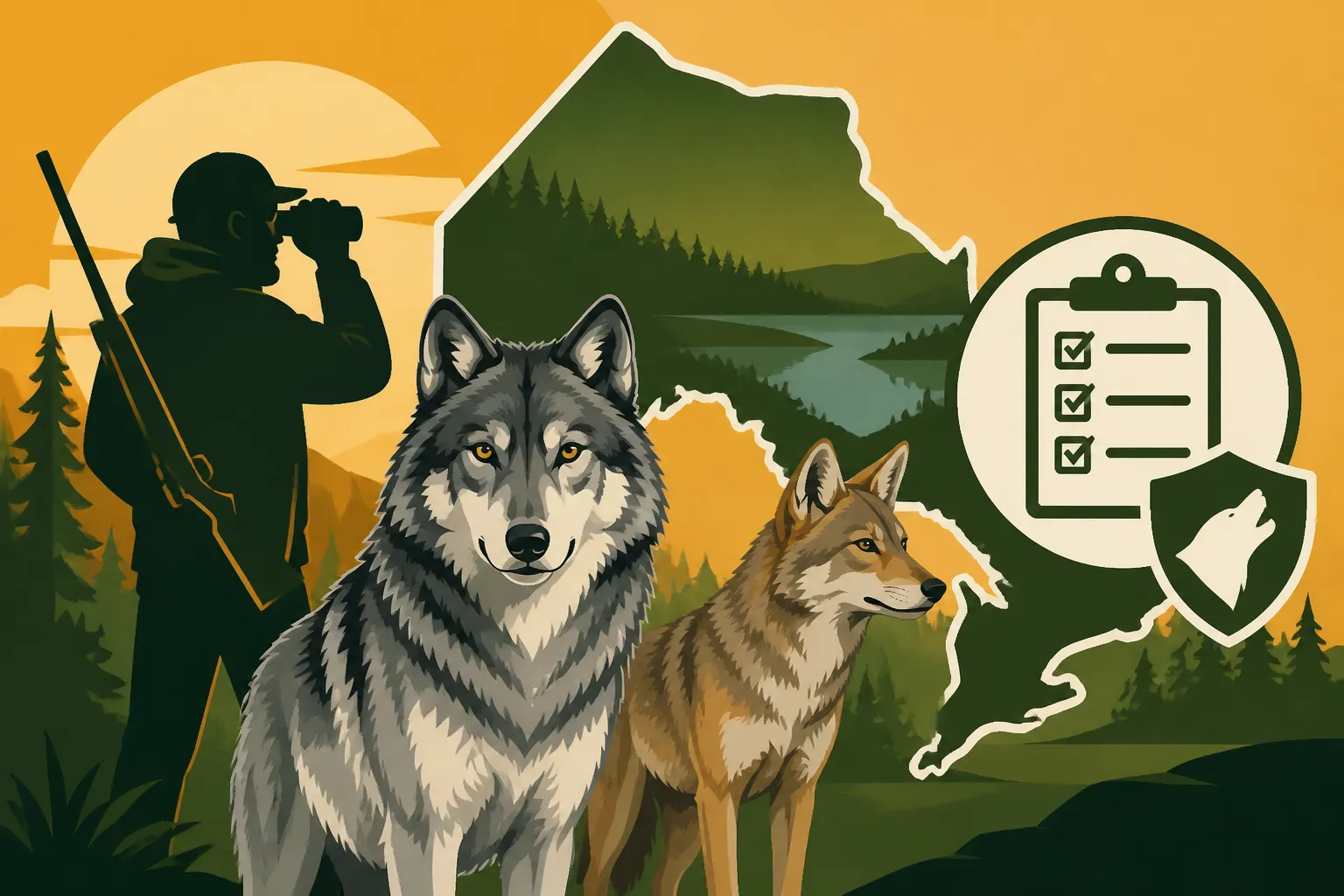
Here's a table to help distinguish between an Eastern Coyote and an Eastern Wolf (Algonquin Wolf) which can be found in some overlapping areas:
| Feature | Eastern Coyote | Eastern Wolf (Algonquin Wolf) |
|---|---|---|
| Size & Weight | Smaller (25-45 lbs), sleeker build | Larger (50-80 lbs), more robust build |
| Head Shape | Narrower, pointed muzzle, large ears for head size | Broader, blockier muzzle, smaller ears relative to head |
| Tail | Bushy, typically held low, often with a black tip | Bushier, often held higher, can have a black stripe |
| Coat Colour | Varies: grey, reddish-brown, often lighter belly | Varies: typically grizzled grey-brown, some reddish hues |
| Footprint | Smaller (approx. 2.5-3 inches long) | Larger (approx. 3.5-4.5 inches long) |
| Vocalizations | High-pitched yips, barks, howls | Deeper, mournful howls, less yipping |
Beyond these visual cues, understanding the typical habitat for each species in your specific WMU can also aid in identification. Using binoculars, a spotting scope, or a good quality rangefinder with magnification is not just for calculating shot distance; it’s for positive identification before you ever shoulder your firearm or draw your bow. When in doubt, don't shoot. It's always better to let an animal walk than to make a costly and regrettable mistake.
Best Practices for Ethical Hunting
Ethical hunting goes beyond legal compliance; it's about respecting the animals, the land, and the hunting tradition. For predator hunting, this means a few key things:
- Shot Placement: Always strive for a clean, humane kill. This requires knowing your equipment, practicing regularly, and understanding the anatomy of the animal. If you're Rattling Volume in Thick Bush for coyotes, make sure you can see your target clearly.
- Property Access: Whether you're hunting on Crown Land or seeking permission for private land, always ensure you have legal access. Respecting Ontario Trespass and Landowner Law is fundamental to being a responsible hunter. If you're Hunting an Ontario Bush Lot You Just Got, ensure you know its boundaries.
- Harvest Utilization: While not always for meat, many hunters will harvest pelts or skulls. Even if you don't keep the animal, dispatching it quickly and ensuring its remains are respectfully left or buried out of sight is a good practice.
- Calling Etiquette: When using calls, be mindful of other hunters or nearby residents. Avoid excessive calling that might disturb others, especially in areas with moderate hunting pressure.
- Reporting: As mentioned, mandatory reporting for wolves is crucial. For coyotes, while not always mandatory, voluntarily providing information to local conservation officers can help them understand local populations better.
By adhering to these best practices, you contribute to a positive public image of hunting and ensure the sustainability of wildlife populations for future generations.
Consequences of Non-Compliance
The province of Ontario takes its hunting regulations very seriously, and violations can carry significant penalties. These aren't just minor slaps on the wrist; they can impact your ability to hunt for years to come and result in substantial financial burdens.
Common violations that relate to wolf and coyote hunting include:
- Hunting a protected species: Accidentally or intentionally harvesting an Algonquin wolf in a protected zone.
- Hunting out of season: Pursuing either animal outside of the designated open seasons for your WMU.
- Exceeding bag limits: Harvesting more wolves than permitted by your tag or the regulations.
- Illegal night hunting: Hunting coyotes at night without meeting the specific criteria for livestock protection.
- Improper tagging or reporting: Failing to validate a tag immediately or not reporting a wolf harvest.
- Trespassing: Hunting on private land without permission.
Penalties can range from significant monetary fines (potentially thousands of dollars per offense) to seizure of firearms and equipment, mandatory hunter education courses, and lengthy hunting licence suspensions. In severe cases, especially repeat offenses or those involving protected species, jail time is a possibility. The MNRF has a strong enforcement presence, and they rely on reports from the public and hunters alike. If you witness suspicious activity, it's always encouraged to Reporting a Poacher in Ontario. To avoid these severe consequences, always do your homework, understand the rules for your specific WMU, and, when in doubt, err on the side of caution. Utilizing reliable resources, including the official regulations and tools like GoHunt, will keep you on the right side of the law.
Disclaimer
The information provided in this guide is for general informational purposes only and is not a substitute for the official Ontario Hunting Regulations Summary. Hunting regulations can change annually or even mid-season. Hunters are responsible for consulting the most current official regulations published by the Ontario Ministry of Natural Resources and Forestry (MNRF) before participating in any hunting activity. Always confirm season dates, bag limits, and specific rules for your chosen Wildlife Management Unit (WMU).