Ontario Rabbit and Hare Season Dates
There’s nothing quite like the crisp air of an Ontario fall or winter morning, but trying to pinpoint exactly when you can legally pursue those quick-footed rabbits and hares can feel like a game of hide-and-seek itself. It's frustrating to gear up, only to second-guess if the season is actually open for small game in your area. This comprehensive guide is here to clear up the confusion, walking you through the ins and outs of Ontario's rabbit and hare season dates, licensing, and practical hunting tips.
Understanding the General Small Game Season Framework
Ontario's hunting regulations often group rabbit and hare species under the broader umbrella of "small game." This means their seasons tend to align with the general small game calendar, which typically offers a much longer period than big game seasons. However, it's not a one-size-fits-all situation across the entire province, and species-specific nuances are crucial to understand.
Differentiating Between Rabbit and Hare Species
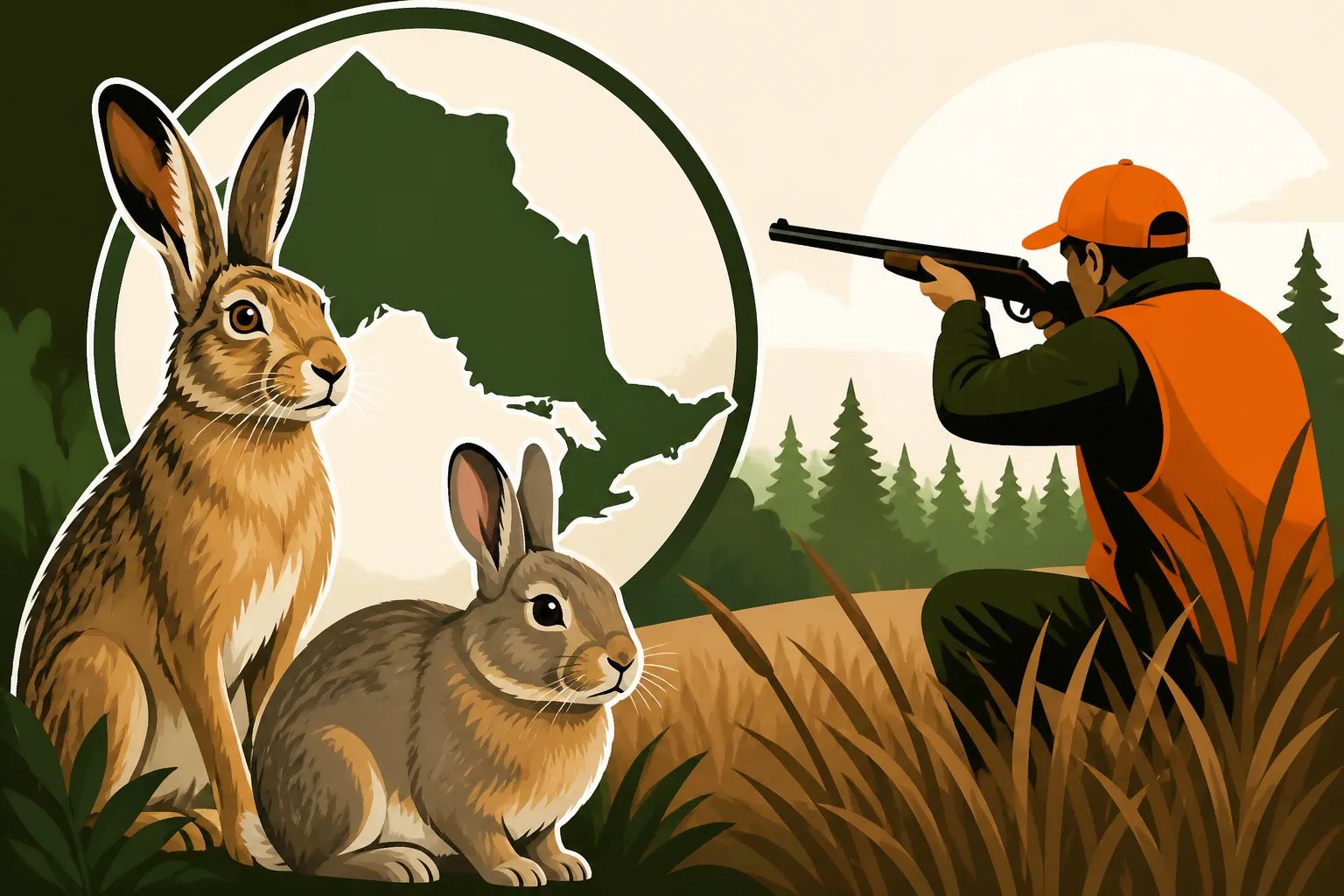
When we talk about hunting "rabbits and hares" in Ontario, we're primarily referring to two distinct species: the Eastern Cottontail and the Snowshoe Hare. While both are small, fast, and offer a fantastic hunting challenge and delicious table fare, they have different habitat preferences and often slightly different distribution across the province.
The Eastern Cottontail is most commonly found in Southern Ontario, thriving in agricultural areas, fencerows, thickets, old orchards, and the edges of suburban developments. They prefer dense cover close to open areas for feeding. Their smaller size and preference for more settled landscapes make them a familiar sight to many, and hunting them often involves exploring those bushy, forgotten corners of farmland. You might find yourself Hunting Cottontails Along a Fencerow in areas where agriculture meets woodlots, or around old abandoned farmsteads.
The Snowshoe Hare, on the other hand, is a creature of the deep bush. More prevalent in Northern and Central Ontario, these larger hares are perfectly adapted to snowy conditions, with their iconic white winter coat and large hind feet. They favour coniferous forests, dense cedar swamps, young regenerating clear-cuts, and thick alder bottoms. Hunting snowshoe hares often means venturing into more remote wilderness, where the quiet of the forest is only broken by the crunch of snow underfoot. Learning how to identify and pursue them is a distinct skill, often discussed in guides like Rabbit and Hare Hunting in Ontario.
The Typical Small Game Season Structure
Generally, the small game season in Ontario opens in early fall, often in late September or early October, and extends through the winter months, sometimes as late as March or April of the following year. This extended season provides ample opportunity for hunters to get out, whether it's during the vibrant autumn colours or amidst the stark beauty of a snow-covered landscape. The exact dates are set by the Ministry of Natural Resources and Forestry (MNRF) and are published annually in the Ontario Hunting Regulations Summary. It's an essential document to consult every single year, as minor changes can and do occur. This long season is a real blessing, offering many chances to chase these agile critters.
Specific Season Dates for Rabbit and Hare Across Ontario
While the general small game season offers a broad window, the specific start and end dates for rabbit and hare can vary slightly depending on the Wildlife Management Unit (WMU) you intend to hunt. Ontario is divided into numerous WMUs, each with its own specific regulations, and understanding which WMU you're in is absolutely critical.
Regional Variations and WMU-Specific Dates
The most significant distinction in season dates often falls between what's typically considered "Northern Ontario" and "Southern Ontario." Generally, WMUs in the northern parts of the province might see slightly different opening or closing dates compared to those in the south, reflecting different population dynamics and environmental conditions. For instance, the snowshoe hare season might open earlier and close later in some northern WMUs to account for their longer winters and different reproductive cycles.
However, even within these broad regions, there can be subtle differences. The best way to ensure you're hunting legally is to identify your target WMU and then cross-reference it with the most current hunting regulations summary. Many hunters use mapping tools like GoHunt to pinpoint WMU boundaries accurately when they're scouting new areas. This kind of planning prevents disappointment and ensures you're always on the right side of the law.
Here’s a general overview of the typical season dates for rabbit and hare in Ontario. Please remember, these are general guidelines and the official Ontario Hunting Regulations Summary is the ultimate authority.
Ontario Rabbit and Hare General Season Dates (Approximate)
| Region/General WMU Grouping | Species | Archery Season | Gun Season | Muzzleloader Season | Notes |
|---|---|---|---|---|---|
| Most of Southern Ontario | Eastern Cottontail | Sept 1 – March 31 | Sept 1 – March 31 | Sept 1 – March 31 | Dates are often consistent across all methods. |
| Most of Northern Ontario | Snowshoe Hare | Sept 1 – March 31 | Sept 1 – March 31 | Sept 1 – March 31 | Similar long season, but ensure you check your specific WMU. |
| Specific WMU Exceptions | Both | Varies | Varies | Varies | Always consult the current regulations for any specific WMU you plan to hunt. |
Disclaimer: This table provides a general overview based on common season structures. It is not exhaustive and specific WMU regulations can vary. Always refer to the official Ontario Hunting Regulations Summary for the most accurate and up-to-date information.
The Importance of the Current Hunting Regulations Summary
I cannot stress this enough: the official Ontario Hunting Regulations Summary is your bible. Every year, before you even think about putting on your boots, download or pick up a copy of the latest summary. This document details every single nuance for every species and every WMU. It's where you'll find the exact start and end dates, bag limits, and any special conditions that might apply to the area you're planning to hunt.
Even if you've hunted the same area for years, regulations can change. A small alteration in dates, a new protected area, or a change in bag limits can catch even seasoned hunters off guard. Don't rely on old memories or what your buddy said last year. A quick check will save you a lot of headache and potential legal trouble. It's a fundamental part of Planning an Ontario Hunting Trip for any species.
Licensing and Regulations for Rabbit and Hare Hunting
Beyond knowing the season dates, you need to be properly licensed and understand the specific rules that apply to hunting small game in Ontario. This isn't just about legality; it's about ethical hunting and ensuring the sustainability of these populations for future generations.
Obtaining Your Small Game Licence
To hunt rabbit and hare in Ontario, you first need a valid Outdoors Card. This card is your gateway to hunting and fishing in the province, acting as a personal identification number that links to all your licences and draws. If you don't have one, or if yours is expired, that's your first step. Information on Getting an Ontario Outdoors Card is readily available online through the Ontario hunting portal.
Once your Outdoors Card is active, you'll need to purchase an Ontario Small Game Licence. This licence covers a wide variety of species, including rabbit, hare, grouse, squirrel, and various furbearers, depending on the season and your specific tags. The cost is generally quite reasonable, making small game hunting an accessible option for many. It’s important to understand what the Ontario Small Game Licence Rules entail, as they dictate the scope of your hunting activities.
Bag Limits and Possession Limits
Ontario's regulations include both daily bag limits and possession limits for rabbit and hare. A daily bag limit specifies the maximum number of animals you can harvest in one day. The possession limit, on the other hand, refers to the total number of animals (or parts of animals) you can have in your possession at any given time, regardless of when or where they were harvested. For most of Ontario, the daily bag limit for rabbit and hare is quite generous, often around 6 animals per day, with a possession limit of 18. This allows for productive outings, especially when conditions are good.
However, these limits can vary, especially in specific WMUs or in areas where certain species might be less abundant. Always confirm the exact limits for your chosen WMU in the current Hunting Regulations Summary. Respecting these limits is crucial for managing wildlife populations and ensuring there's plenty of game for everyone, year after year.
Legal Hunting Methods and Equipment
For hunting rabbit and hare, you have several options when it comes to legal firearms and archery equipment. Shotguns are very popular, especially with lighter loads like #6 or #7.5 shot, which provide a good pattern for quick-moving targets in brushy cover. Small-calibre rifles, such as a .22 rimfire, are also a fantastic choice, particularly if you're still-hunting or stalking in more open woodlands, offering precise shots at greater distances. Just be mindful of your backdrop and safety.
Archery equipment, including bows and crossbows, is also perfectly legal. This can be a challenging but rewarding way to hunt small game, demanding excellent stalking skills and close-range proficiency.
One of the most traditional and effective methods for rabbit and hare is hunting with dogs, particularly beagles. These tenacious hounds are specifically bred for tracking and flushing small game, making for an exciting and often successful hunt. If you're interested in this approach, research local clubs or individuals who run dogs. The thrill of hearing a beagle "on track" is truly something special, and there are specific rules and traditions for Running Beagles on Ontario Snowshoe Hare. Remember to always adhere to Ontario's blaze orange requirements during your hunt, as safety is paramount, particularly during overlapping big game seasons.
Strategies for a Successful Rabbit and Hare Hunt
Hunting rabbit and hare in Ontario offers a fantastic opportunity to sharpen your woodsmanship and enjoy the outdoors, whether you're a seasoned hunter or just starting out. Success often boils down to understanding their habitat, behaviour, and adapting your tactics to the conditions.
Prime Habitat and Scouting Techniques
Rabbit and hare hunting is all about finding the right cover. For Eastern Cottontails, think dense, thick, thorny brush – things like hawthorn patches, wild rose bushes, overgrown fencerows, and the edges of old apple orchards. These areas provide both food and escape cover. In Southern Ontario, farmers' fields bordering small woodlots or dense creek beds are classic spots. When you're using a mapping app like GoHunt, look for areas with abrupt changes in vegetation type, especially where dense shrubbery meets more open ground. These are often natural travel corridors.
Snowshoe Hares thrive in more northern, coniferous environments. Look for young growth, regenerating clear-cuts, or dense cedar and spruce swamps. They often use these areas for thermal cover in winter and protection from predators. Learning to read the subtle signs they leave behind, like droppings, clipped browse, and tracks in the snow, can be incredibly effective. Consider venturing into areas described in guides like Hunting a Cedar Swamp Edge or Hunting an Ontario Bush Edge. Your GoHunt app can be invaluable for pinpointing these specific habitat types from satellite imagery before you even set foot in the woods.
Effective Hunting Methods
There are several proven methods for hunting rabbit and hare:
- Still-Hunting or Stalking: This involves moving slowly and quietly through likely cover, pausing frequently to scan ahead. Rabbits and hares will often sit tight until you're almost on top of them. This method works well in areas with lighter cover or when targeting individual animals. It’s a great way to hone your observation skills.
- Driving: For cottontails, especially in denser patches, organizing a small drive with a few friends can be very effective. One or two hunters act as "blockers" or "posters" at one end of a thicket, while others slowly push through the cover, flushing animals towards the waiting guns. This is a common tactic, often requiring communication and coordination, similar to what you might learn about Deer Drives With Three or Four Hunters.
- Hunting with Dogs (Beagles): As mentioned, beagles are phenomenal for rabbit and hare. Their keen noses and persistent baying push rabbits out of dense cover, often circling them back to where the hunter is waiting. This is a highly active and audible form of hunting, providing constant excitement.
- Tracking in Snow: Once the snow flies, tracking becomes an incredibly effective method, particularly for snowshoe hares. Fresh tracks will lead you directly to their daytime bedding areas in thick cover. Look for sets of tracks that seem to end abruptly in a dense thicket; a hare is likely bedded down nearby, relying on its camouflage. You can learn a lot about what to look for by Reading Sign After a Fresh Snow. GoHunt can help you mark these track sightings for future reference.
Timing Your Hunt and Weather Considerations
While the seasons are long, certain times and weather conditions can significantly increase your chances of success. Early mornings and late afternoons are generally the best times, as rabbits and hares are most active during these periods, feeding and moving between cover.
Snowfall can be a game-changer. Fresh snow makes tracking incredibly easy, revealing where animals have been feeding and travelling. A light, fresh snowfall can lead to some of the most productive hunts. However, extremely deep snow can make travel difficult for both hunters and game, potentially forcing animals into limited "yarding" areas, which might make them more vulnerable. If you are hunting in deep snow, it’s worth considering Where Ontario Whitetails Yard in Deep Snow as those areas might also hold concentrations of small game.
Cold, crisp days after a fresh snow are often ideal. Animals need to feed to maintain body heat, making them more active. Conversely, during heavy rain or extreme winds, rabbits and hares tend to hunker down, making them harder to find. Paying attention to weather forecasts and planning your hunt accordingly can make a huge difference in your overall success and enjoyment.
Final Thoughts on Ontario Rabbit and Hare Hunting
Chasing rabbits and hares in Ontario is more than just a hunt; it's an opportunity to experience the province's diverse landscapes, hone your hunting skills, and spend quality time outdoors. From the agricultural fringes of the south to the deep, snowy bush of the north, these agile small game animals offer a unique and accessible challenge. Remember to always prioritize safety, respect the regulations, and most importantly, enjoy every moment of your time in the field.
Happy hunting out there, and I hope your next rabbit or hare pursuit is a successful one!
Disclaimer
The information provided in this guide is for general informational purposes only and does not constitute legal advice. Hunting regulations in Ontario can change frequently. Hunters are solely responsible for consulting the most current official Ontario Hunting Regulations Summary, issued by the Ministry of Natural Resources and Forestry, before participating in any hunting activities. Always prioritize safety and adhere to all local, provincial, and federal laws.